Sunscreen protects from the outside. Certain vitamins protect from within. Here is how vitamin C, beta-carotene, niacinamide and omega-3 support your skin's natural UV resilience.
Your skin is your body’s largest organ and is constantly exposed to environmental influences, including sunlight. While sunscreen, shade and protective clothing remain essential for protecting the skin from UV radiation, nutrition also plays an important role in maintaining healthy skin from within.
Several vitamins and minerals contribute to normal skin function, collagen formation or the protection of cells from oxidative stress. These include vitamin C, vitamin E, zinc, selenium, vitamin A and several B vitamins.
So which nutrients are worth paying attention to, and what can they actually do for your skin?
Why Does Nutrition Matter for Skin Health?
UV radiation can contribute to the formation of free radicals and oxidative stress. The body has its own antioxidant defence systems, and several nutrients contribute to protecting cells from oxidative stress.
A varied diet rich in fruits, vegetables, nuts, seeds and healthy fats provides many of these nutrients naturally. Where appropriate, supplements can complement dietary intake, but they should never be considered an alternative to external sun protection.
Which Vitamins and Nutrients Support Healthy Skin?
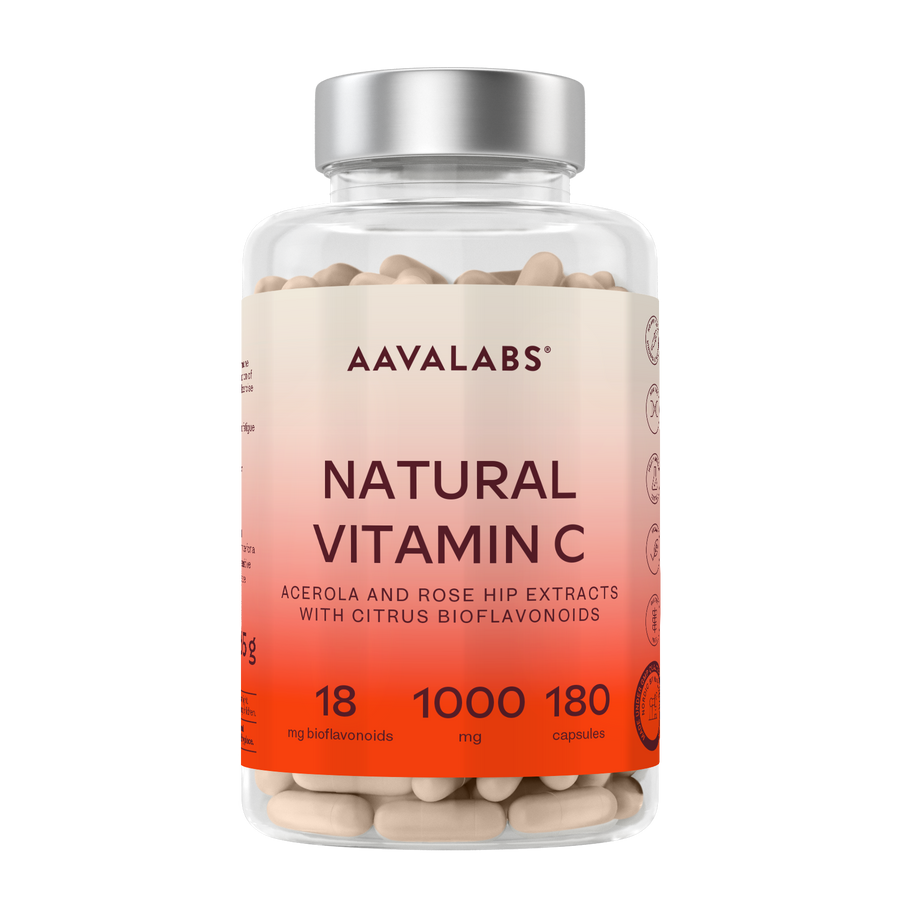
Vitamin C
Vitamin C contributes to the protection of cells from oxidative stress.
It also contributes to normal collagen formation for the normal function of skin. Collagen is an important structural protein found naturally throughout the body, including in the skin.
Good dietary sources of vitamin C include citrus fruits, berries, peppers, broccoli and other fruits and vegetables.
Vitamin E
Vitamin E contributes to the protection of cells from oxidative stress.
As a fat-soluble vitamin, it can be found naturally in foods including nuts, seeds and vegetable oils. Including these foods regularly can help provide vitamin E as part of a varied and balanced diet.
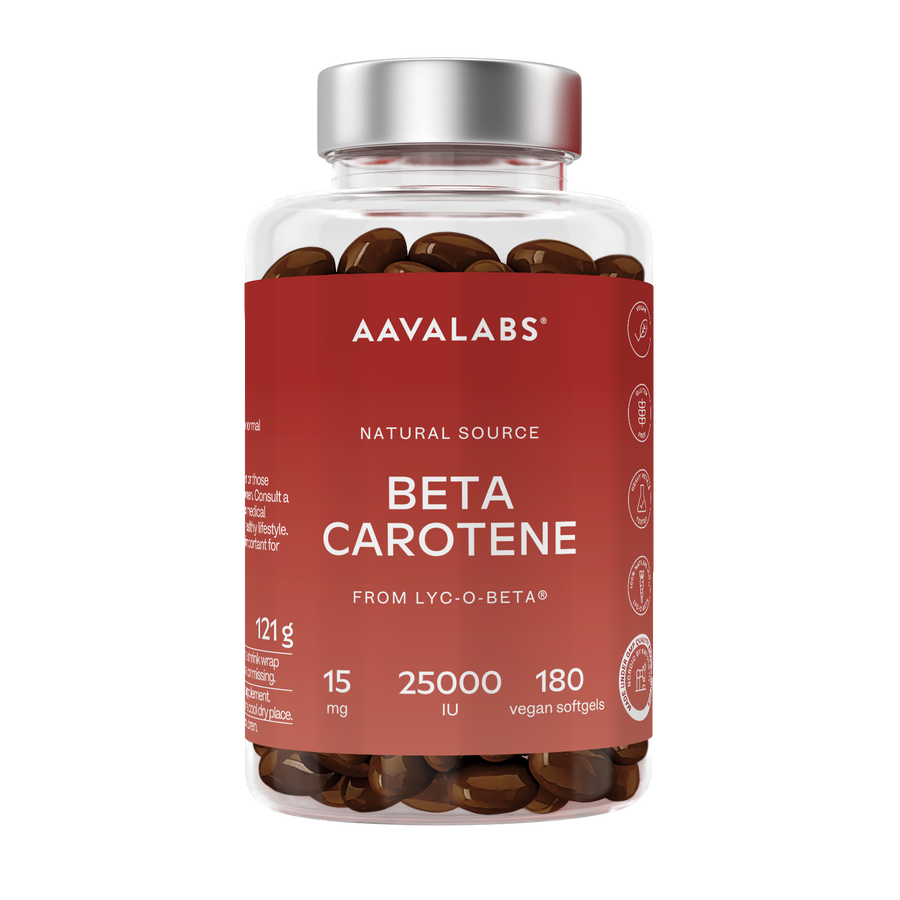
Beta-Carotene and Vitamin A
Beta-carotene is a naturally occurring carotenoid responsible for the orange colour of foods such as carrots, pumpkin and sweet potatoes. The body can convert beta-carotene into vitamin A.
Vitamin A contributes to the maintenance of normal skin. It also contributes to the maintenance of normal mucous membranes and the normal function of the immune system.
Beta-carotene and vitamin A can therefore form part of a skin-conscious nutritional routine, but they should not be considered substitutes for sunscreen or other forms of UV protection.
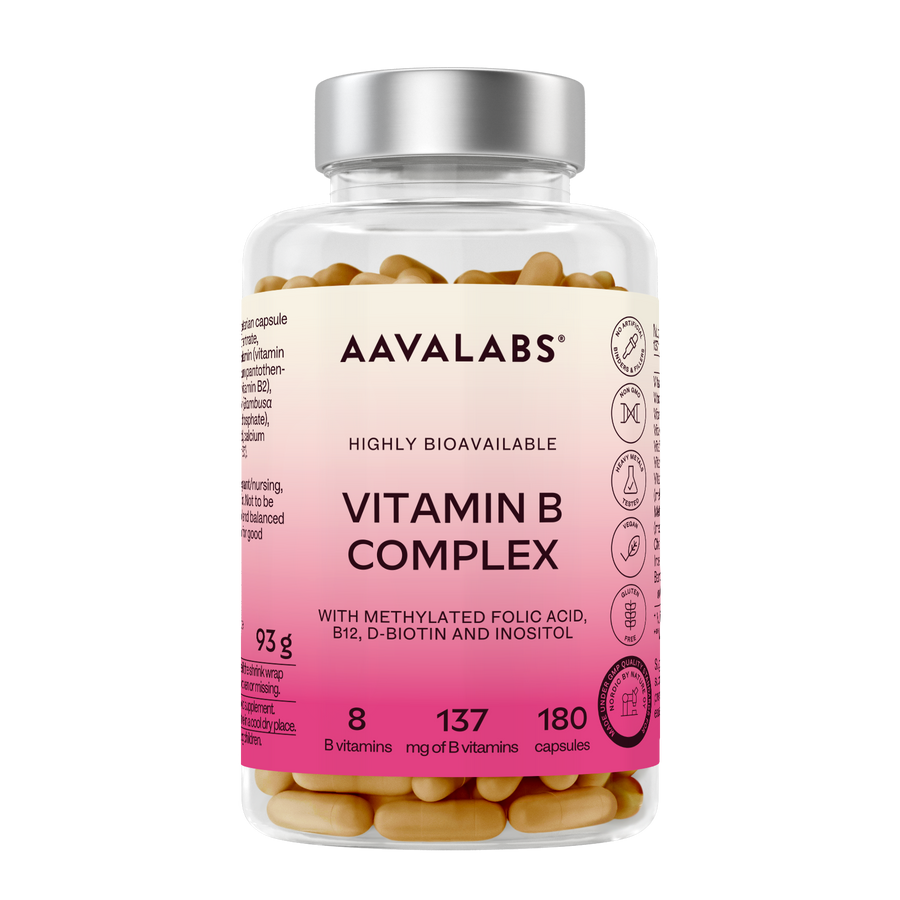
Niacin
Niacin, also known as vitamin B3, is part of the B-vitamin family. Niacin contributes to the maintenance of normal skin.
It also contributes to normal energy-yielding metabolism and normal functioning of the nervous system.
Niacin can be obtained from foods including meat, fish, nuts and whole grains, while a Vitamin B Complex can complement dietary intake where appropriate.
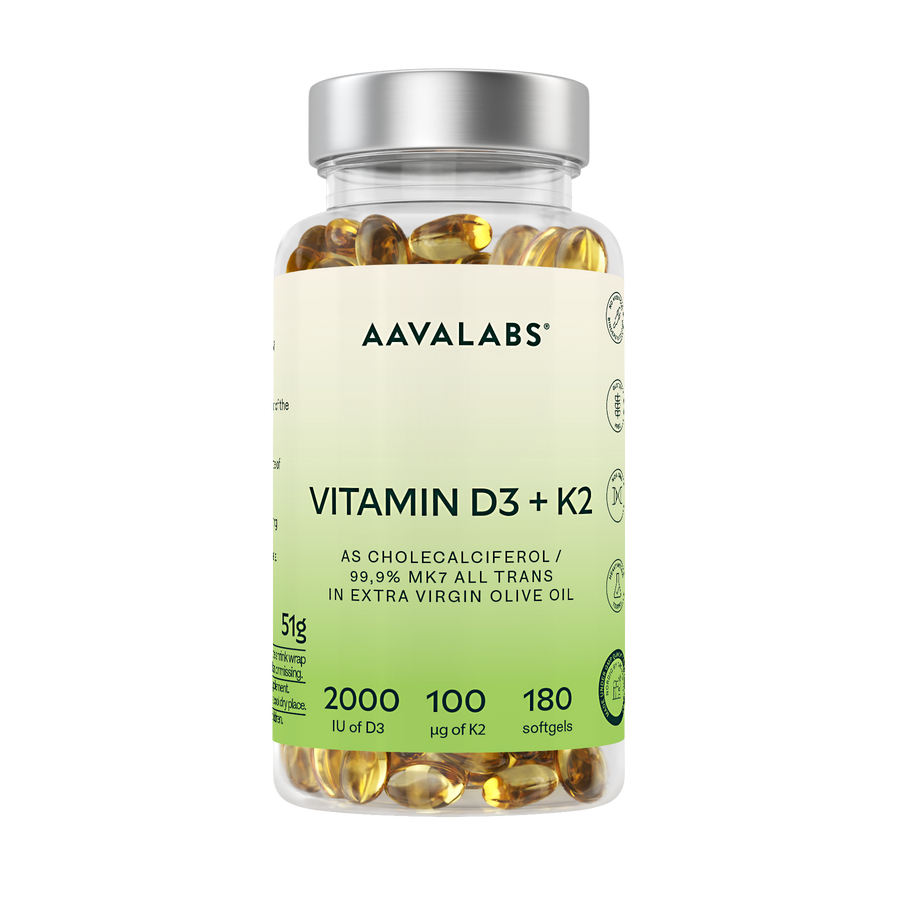
Vitamin D
Vitamin D has several recognised functions in the body. It contributes to the normal function of the immune system, the maintenance of normal bones and normal muscle function.
The body can produce vitamin D when the skin is exposed to sunlight. However, the amount produced varies according to factors including season, latitude, skin pigmentation, age and time spent outdoors.
Sun exposure should not be increased simply to obtain more vitamin D. Dietary sources and supplementation can provide alternative ways of supporting vitamin D intake when needed.
What Other Nutrients Support the Skin?
Skin health depends on a wide variety of nutrients rather than one single vitamin or mineral.
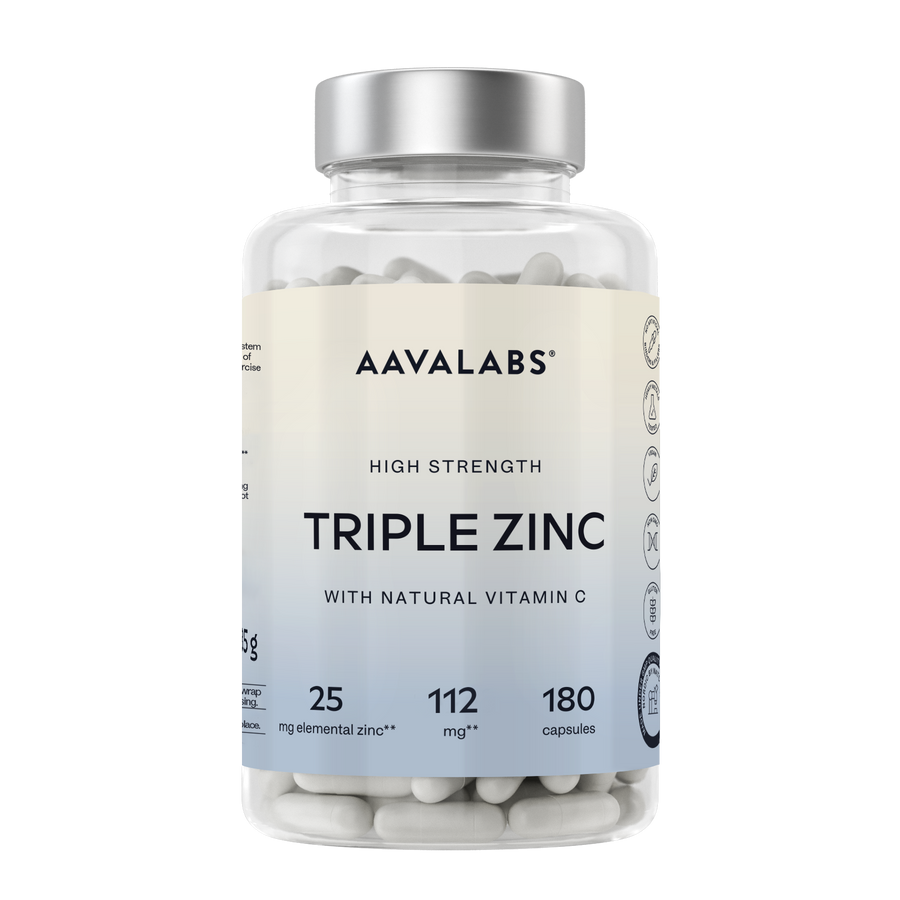
- Zinc contributes to the maintenance of normal skin and to the protection of cells from oxidative stress.
- Selenium contributes to the protection of cells from oxidative stress.
- Biotin contributes to the maintenance of normal skin.
- Riboflavin contributes to the maintenance of normal skin and to the protection of cells from oxidative stress.
- Vitamin B6 contributes to normal protein and glycogen metabolism and normal function of the immune system.
Together, these nutrients form part of the nutritional foundation the body needs for normal everyday function.
Can Supplements Protect Your Skin From the Sun?
No supplement replaces sunscreen, protective clothing or shade. Nutrients such as vitamin C, vitamin E, zinc and selenium contribute to the protection of cells from oxidative stress, but this should not be interpreted as protection against UV radiation itself.
For direct protection from the sun, use appropriate broad-spectrum sunscreen, seek shade during periods of intense sunlight and wear protective clothing when needed.
A Balanced Approach to Healthy Skin
Looking after your skin works best as a combination of everyday habits. A colourful and varied diet provides nutrients the body needs, while hydration, adequate sleep and appropriate sun protection support your wider skincare routine.
Vitamin C contributes to normal collagen formation for the normal function of skin, while vitamin A, niacin, biotin and zinc contribute to the maintenance of normal skin. Vitamin C, vitamin E, zinc and selenium also contribute to the protection of cells from oxidative stress.
Think of nutrition as one part of caring for your skin from within, alongside the protection you provide from the outside.
Frequently Asked Questions
Can Vitamins Replace Sunscreen?
No. Vitamins and minerals cannot replace sunscreen or protect the skin from UV radiation in the same way. Appropriate sunscreen, protective clothing and shade remain important forms of sun protection.
Which Vitamins Support Normal Skin?
Vitamin A, niacin, biotin and riboflavin contribute to the maintenance of normal skin. Zinc also contributes to the maintenance of normal skin.
Does Vitamin C Support the Skin?
Yes. Vitamin C contributes to normal collagen formation for the normal function of skin. It also contributes to the protection of cells from oxidative stress.
Does Beta-Carotene Protect Against Sunburn?
Beta-carotene can be converted into vitamin A in the body, and vitamin A contributes to the maintenance of normal skin. However, beta-carotene supplements should not be presented as protection against sunburn or as an alternative to sunscreen.
Does Vitamin E Protect the Skin?
Vitamin E contributes to the protection of cells from oxidative stress. This authorised claim should not be interpreted as meaning that vitamin E protects the skin directly from UV radiation.
Does Zinc Support Healthy Skin?
Yes. Zinc contributes to the maintenance of normal skin and to the protection of cells from oxidative stress. It also contributes to the normal function of the immune system.