Hormonal changes are a natural part of ageing and can affect everything from bones and muscles to energy and wellbeing. Discover the roles of calcium, vitamin D, B vitamins, omega-3 and other nutrients during this stage of life, plus practical ways to support your body through nutrition and lifestyle.
Hormonal changes are a natural part of ageing. For women, menopause marks the end of menstrual cycles as ovarian hormone production changes. Men can also experience hormonal changes with age, although these happen differently and are usually more gradual.
As our bodies change, our nutritional needs deserve attention too. Maintaining a varied diet, staying active and getting enough essential vitamins and minerals can help support normal body functions throughout this stage of life.
Let’s look at some of the nutrients worth paying particular attention to as you get older and how you can include them in your everyday routine.
Menopause and Age-Related Hormonal Changes
Menopause is a natural biological transition experienced by women, usually between the ages of 45 and 55. During this time, the ovaries gradually produce less oestrogen and progesterone until menstrual periods stop.
Changes in hormone levels can be accompanied by symptoms such as hot flushes, changes in sleep, mood changes and changes in body composition. Declining oestrogen levels are also associated with changes in bone health.
Men do not experience menopause in the same way. Testosterone levels generally decline gradually with age rather than falling relatively quickly during a defined transition. Some men can develop clinically low testosterone, but this is different from female menopause and should be assessed by a healthcare professional.
Important Nutrients as You Age
No supplement can stop hormonal changes, but good nutrition can help ensure that your body receives the nutrients it needs to function normally.
1. Calcium
Bone health becomes particularly important as we get older, especially for women during and after menopause.
Calcium is needed for the maintenance of normal bones and teeth. It also contributes to normal muscle function, normal blood clotting and normal energy-yielding metabolism.
Calcium can be found in dairy products, fortified plant-based alternatives, leafy green vegetables, nuts, seeds and certain legumes.
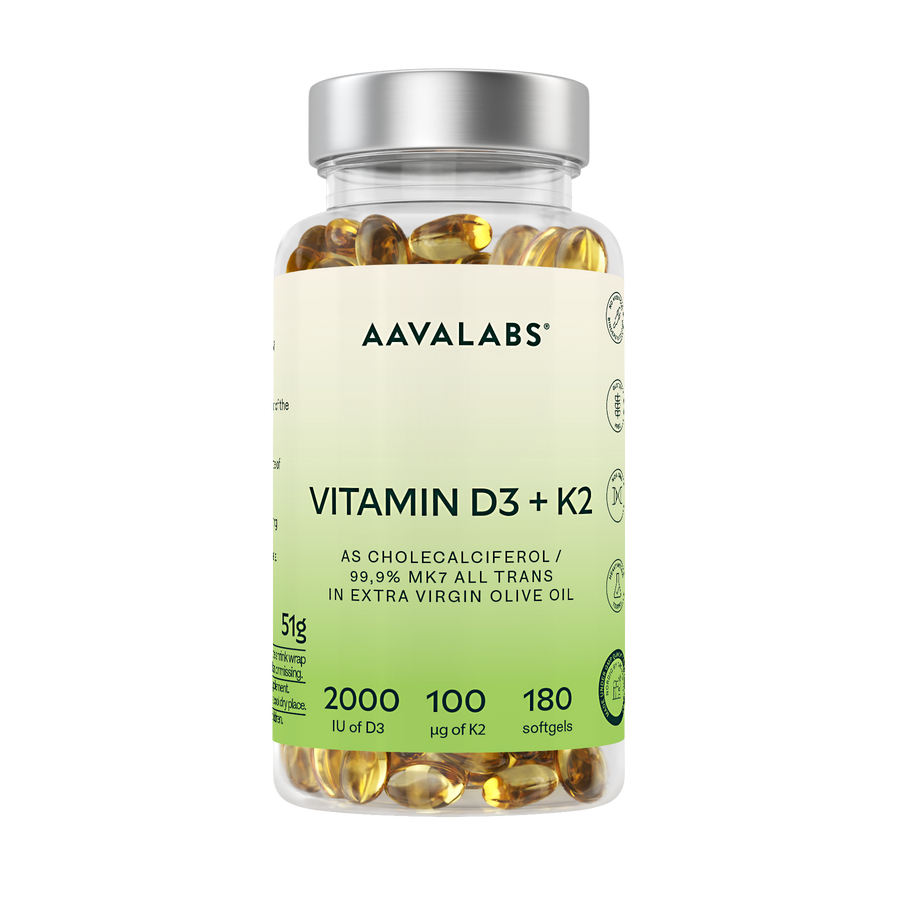
2. Vitamin D
Vitamin D works closely with calcium and plays an important role in maintaining bone health.
Vitamin D contributes to normal absorption and utilisation of calcium and phosphorus, normal blood calcium levels and the maintenance of normal bones. It also contributes to normal muscle function and normal function of the immune system.
Your body can produce vitamin D through exposure to sunlight. However, depending on factors such as season, lifestyle and sun exposure, dietary sources or vitamin D supplements may also contribute to your intake.
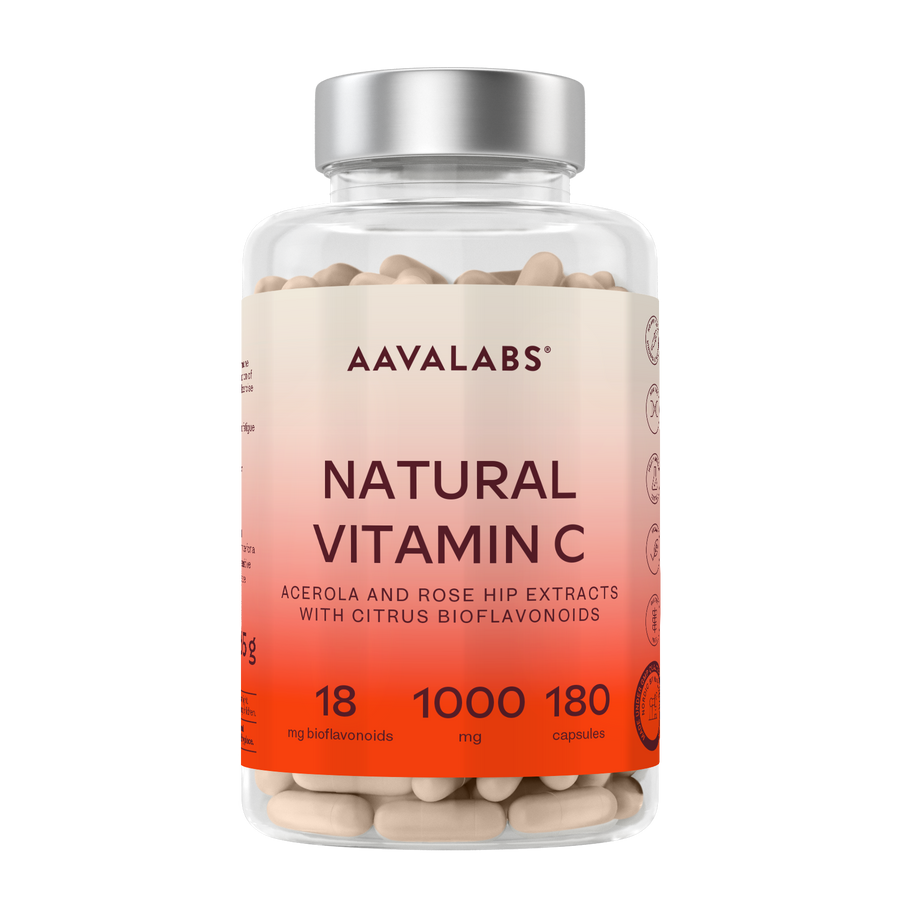
3. Vitamin C
Vitamin C has several important functions throughout the body.
Vitamin C contributes to normal collagen formation for the normal function of skin, bones, cartilage and blood vessels. It also contributes to the normal function of the immune system and the protection of cells from oxidative stress.
Fruit and vegetables such as peppers, citrus fruits, berries, broccoli and kiwifruit are useful sources of vitamin C.
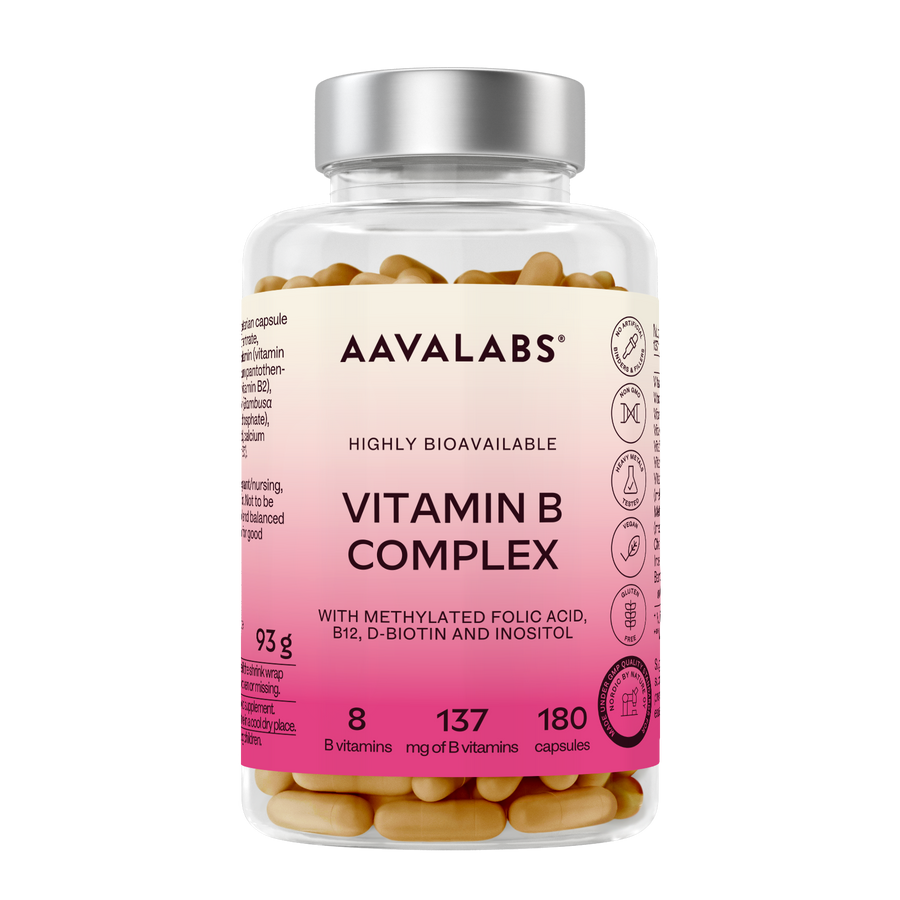
4. B Vitamins
Changes in routine, sleep and energy can make the transition through menopause feel demanding. Several B vitamins contribute to normal energy metabolism and nervous system function.
Vitamins B6 and B12 contribute to normal functioning of the nervous system, normal psychological function and the reduction of tiredness and fatigue.
Vitamin B6 also contributes to the regulation of hormonal activity.
A varied diet can provide B vitamins through foods including whole grains, legumes, eggs, meat, fish, nuts and leafy vegetables. Vitamin B12 is found naturally primarily in animal-derived foods, making adequate intake particularly important for people following a vegan diet.
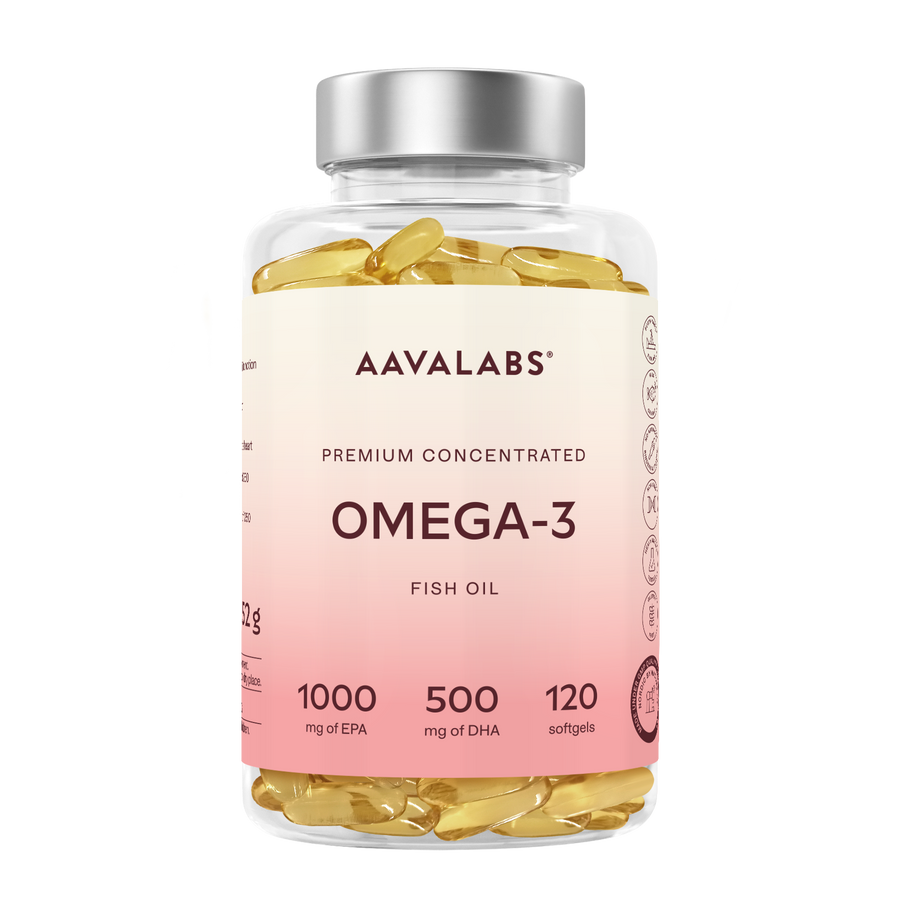
5. Omega-3 Fatty Acids
Omega-3 fatty acids are found naturally in oily fish such as salmon, sardines, herring and mackerel.
The long-chain omega-3 fatty acids EPA and DHA contribute to the normal function of the heart. The beneficial effect is obtained with a daily intake of 250 mg of EPA and DHA.
DHA also contributes to the maintenance of normal brain function and normal vision, with the beneficial effect obtained with a daily intake of 250 mg DHA.
For people who do not regularly eat oily fish, fish oil or algae-based omega-3 supplements can provide an additional source.
6. Magnesium
Magnesium is another mineral worth paying attention to as part of a balanced diet.
Magnesium contributes to normal muscle function, normal functioning of the nervous system and the maintenance of normal bones. It also contributes to normal energy-yielding metabolism and the reduction of tiredness and fatigue.
Magnesium can be found in foods such as nuts, seeds, whole grains, legumes and leafy green vegetables.
What About Gut Health?
Your digestive system and gut microbiome can also change throughout life. Rather than focusing on one specific food or supplement, aim to create an eating pattern that supports microbial diversity.
A varied diet containing plenty of plant foods and fibre can help support your gut microbiome. Fermented foods such as yoghurt, kefir, sauerkraut and kimchi can also be incorporated into a balanced diet.
Probiotic supplements provide selected live microorganisms and can be another option depending on your individual needs.
Nutrition Is Only Part of the Picture
Supporting yourself through menopause or other age-related hormonal changes goes beyond supplements.
Some simple habits to prioritise include:
- Stay active: Combine regular aerobic activity with resistance training to support muscles and bones.
- Eat a varied diet: Build meals around vegetables, fruit, whole grains, protein sources and healthy fats.
- Prioritise sleep: A consistent sleep routine can support your overall wellbeing.
- Stay hydrated: Drink regularly throughout the day and increase your fluid intake when needed.
- Avoid smoking: Smoking can negatively affect numerous aspects of long-term health.
- Keep up with health checks: Regular check-ups can help identify changes that may require additional support.
Do You Need Supplements During Menopause?
There is no universal supplement routine that everyone needs during menopause. Your requirements depend on factors including your diet, lifestyle, age and individual health needs.
Supplements can be useful for providing specific nutrients when dietary intake is insufficient, but they should complement rather than replace a varied and balanced diet.
If you are experiencing persistent or significant menopausal symptoms, or are concerned about bone health, hormone levels or nutritional deficiencies, speak with a healthcare professional for personalised advice.
Supporting Your Body Through Change
Menopause and age-related hormonal changes are natural transitions, and nutrition can be one part of supporting your body along the way.
Pay particular attention to nutrients involved in maintaining normal bones, muscles, energy metabolism and nervous system function, including calcium, vitamin D, magnesium and B vitamins.
Combined with regular movement, good sleep, a varied diet and other healthy everyday habits, thoughtful nutrition can help create a strong foundation for wellbeing as you move through this next stage of life.