Sugar cravings can be influenced by many factors, including eating patterns, sleep, stress and everyday habits. Discover what may be behind your cravings and practical ways to support more stable energy throughout the day.
Sugar cravings can feel surprisingly powerful. That afternoon moment when your energy dips and something sweet suddenly sounds irresistible can be influenced by many factors, including your eating patterns, sleep, stress and everyday habits.
Rather than seeing cravings as a lack of willpower, it can be helpful to understand what might be contributing to them. Once you recognise your own patterns, you can build habits that support more stable energy throughout the day.
What Are Sugar Cravings and Why Do They Happen?
Sugar cravings are strong urges to eat sweet or carbohydrate-rich foods. They can be influenced by several factors, including hunger, eating habits, sleep, stress, food availability and learned associations between certain foods and feelings of reward.
There is rarely one single explanation. For example, an afternoon craving might appear after a light lunch, during a stressful workday or simply because you have developed the habit of having something sweet with your afternoon coffee.
Can Blood Sugar Fluctuations Influence Sugar Cravings?
After eating carbohydrates, blood glucose naturally rises and the body releases insulin, a hormone that helps regulate blood glucose levels.
The composition of your meals can influence how quickly carbohydrates are digested and absorbed. Combining carbohydrate-rich foods with protein, fibre and healthy fats can help create more balanced and satisfying meals.
Try:
- Combining carbohydrates with a source of protein
- Including fibre-rich vegetables, whole grains or legumes in meals
- Adding healthy fats from foods such as nuts, seeds, avocado or olive oil
- Eating regular, balanced meals rather than relying primarily on sugary snacks for energy
Can Stress Influence Sugar Cravings?
Stress can influence appetite and eating behaviour. During stressful periods, some people find themselves reaching more frequently for foods they associate with comfort or reward.
Stress also affects other parts of your routine, including sleep, meal patterns and physical activity, which can indirectly influence hunger and food choices.
Building small moments of recovery into your day can therefore be useful. A walk outside, a few minutes of breathing exercises, stretching or simply stepping away from your screen can help create a more balanced daily routine.
Why Does Poor Sleep Make Cravings Harder to Manage?
Sleep plays an important role in appetite and energy regulation. When you have not slept enough, you may notice changes in hunger, appetite and food preferences the following day.
You may also simply feel more tired, making quick sources of energy more appealing.
For better sleep habits:
- Aim for a consistent sleep and wake schedule
- Create a relaxing evening routine
- Reduce stimulating activities close to bedtime
- Give yourself enough time for rest and recovery
Are Some Sugar Cravings Habitual?
Absolutely. Food is not only about physical hunger. Our eating habits are also shaped by routines, environment and associations.
You might automatically want something sweet with your afternoon coffee, after dinner or while watching a film because your brain has learned to associate those moments with a particular food.
Instead of immediately reacting to a craving, try noticing it first. Ask yourself whether you are hungry, tired, stressed, bored or simply following a familiar routine.
This does not mean that you have to avoid the food. Becoming more aware of the pattern can simply help you make a more conscious choice.
Can Nutrient Intake Affect Energy Levels?
Several essential nutrients contribute to normal energy-yielding metabolism and can therefore form part of a balanced nutritional routine.
Magnesium contributes to normal energy-yielding metabolism and to the reduction of tiredness and fatigue. It also contributes to the normal functioning of the nervous system.
Several B vitamins, including vitamins B6 and B12, contribute to normal energy-yielding metabolism and to the reduction of tiredness and fatigue.
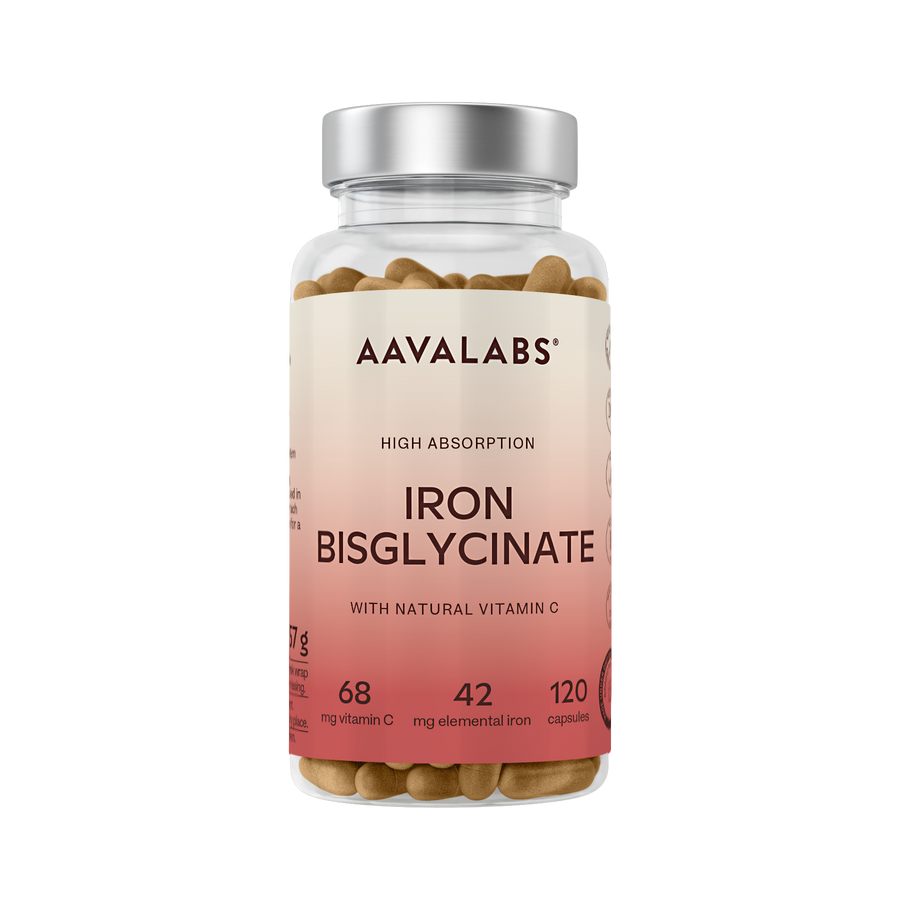
Iron contributes to normal energy-yielding metabolism and normal oxygen transport in the body. It also contributes to the reduction of tiredness and fatigue.
These nutrients have important functions in the body, but sugar cravings themselves should not automatically be interpreted as evidence of a nutrient deficiency. If you suspect a deficiency, a healthcare professional can help determine whether testing is appropriate.
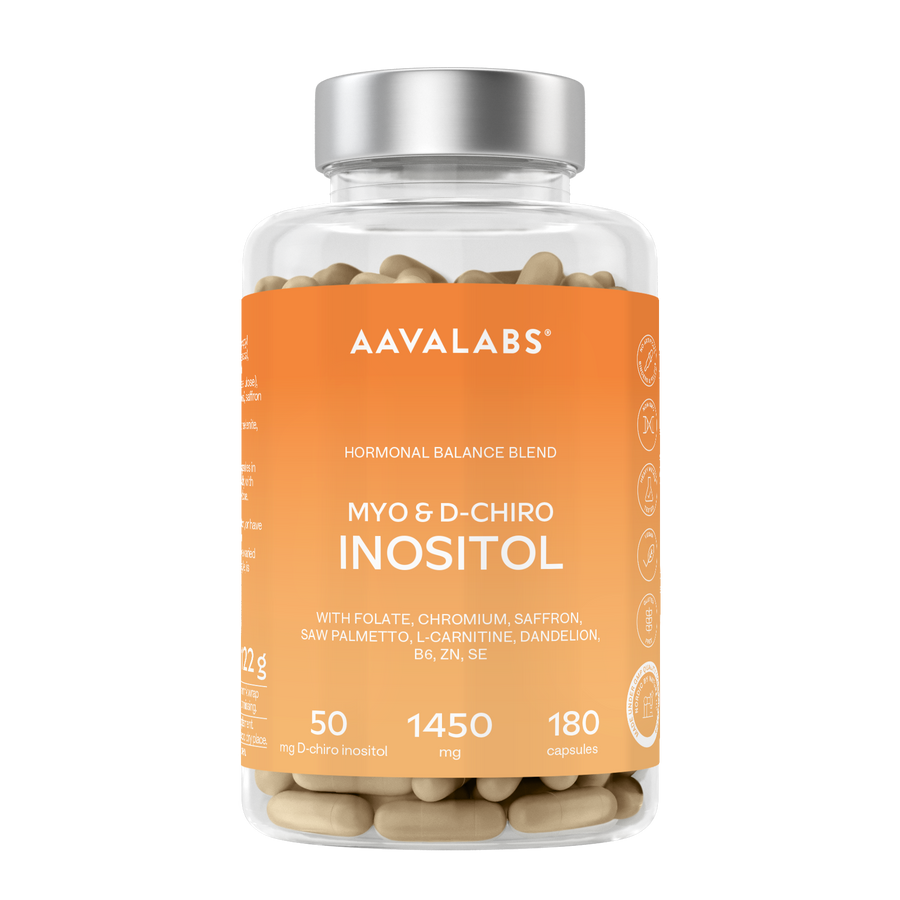
What About Inositol?
Inositol is a naturally occurring compound found in the body as well as in foods such as fruits, beans, grains and nuts.
It is involved in a variety of cellular processes and is also commonly used as an ingredient in food supplements.
Although inositol is the subject of ongoing research, it should not be presented as a supplement that reduces sugar cravings or treats insulin resistance.
What Can You Do When Sugar Cravings Appear?
Rather than trying to eliminate every craving, focus on creating a routine that supports consistent nutrition and energy throughout the day.
- Build balanced meals: Include protein, fibre, carbohydrates and healthy fats.
- Eat regularly: Avoid becoming excessively hungry before your next meal.
- Choose fibre-rich foods: Include vegetables, fruit, legumes and whole grains regularly.
- Stay hydrated: Keep water nearby and drink regularly throughout the day.
- Move regularly: Incorporate walking and other forms of physical activity into your routine.
- Prioritise sleep: Give your body sufficient time to rest and recover.
- Notice your triggers: Pay attention to when cravings occur and what might be happening around them.
Can Supplements Be Part of Your Routine?
Supplements can help complement your diet when you need additional amounts of particular nutrients, but they should not be viewed as a quick solution for sugar cravings.
For example, magnesium and B vitamins contribute to normal energy-yielding metabolism, while magnesium also contributes to normal functioning of the nervous system.
The most useful approach depends on your diet, lifestyle and individual nutritional needs.
Understand Your Cravings
Sugar cravings are influenced by much more than willpower. Hunger, meal composition, stress, sleep and established habits can all play a part.
Instead of fighting every craving, pay attention to the patterns behind it. Building balanced meals, sleeping well, moving regularly and creating sustainable routines can help you support your overall well-being without turning food into a constant battle.
Frequently Asked Questions
Why do I crave sugar in the afternoon?
There is no single cause. Your lunch, overall food intake, sleep, stress levels and established habits can all influence afternoon cravings. A balanced lunch containing protein, fibre, carbohydrates and healthy fats may help you feel satisfied for longer.
Are sugar cravings a sign of a nutrient deficiency?
Not necessarily. Sugar cravings alone cannot tell you whether you have a nutrient deficiency. If you regularly experience unexplained fatigue or other symptoms and are concerned about your nutrient status, speak with a healthcare professional about whether testing may be appropriate.
Does stress cause sugar cravings?
Stress can influence appetite and food choices, and some people notice a stronger preference for highly palatable foods during stressful periods. Stress can also affect sleep and daily routines, which may further influence eating behaviour.
Can magnesium reduce sugar cravings?
Magnesium contributes to normal energy-yielding metabolism, normal functioning of the nervous system and the reduction of tiredness and fatigue. However, these authorised functions do not mean that magnesium has been established as a treatment for sugar cravings.
What should I do when I have a sugar craving?
First consider whether you are genuinely hungry. If you are, choose a balanced snack or meal rather than trying to ignore your hunger. If you are not hungry, noticing whether the craving is connected to stress, tiredness or a familiar routine can help you understand the pattern.
Is it normal to crave sugar regularly?
Sweet foods are naturally appealing, so experiencing sugar cravings is not unusual. If cravings become unusually intense, occur alongside symptoms such as excessive thirst or unexplained changes in weight, or significantly affect your daily life, speak with a healthcare professional.