Hormonal changes throughout the menstrual cycle, pregnancy, perimenopause and menopause can influence mood, energy, sleep and emotional wellbeing.
But how are hormones and mental health connected? This guide explores the role of oestrogen, progesterone and cortisol, common signs of hormonal changes, and how nutrition, sleep, movement and key nutrients can support women’s wellbeing.
Hormones influence far more than the menstrual cycle. These chemical messengers are involved in processes throughout the body, including metabolism, sleep, energy and reproduction, and changes in hormone levels can also coincide with changes in how we feel.
Throughout a woman's life, hormone levels naturally fluctuate during the menstrual cycle and change more significantly during pregnancy, after childbirth, perimenopause and menopause.
So how do hormones affect mood and mental health, and what can you do to support your wellbeing through hormonal changes? Let’s explore the connection between hormones, the nervous system, nutrition and everyday lifestyle habits.
What Is the Connection Between Hormones and Mental Health?
Hormones are chemical messengers produced by glands throughout the body. They travel through the bloodstream and help coordinate many different physiological processes.
Several hormones interact with systems involved in mood, sleep, stress and cognitive function. This means that changes in hormone levels can sometimes coincide with changes in emotional wellbeing.
However, mood changes are complex. Hormones are only one part of the picture, alongside factors such as sleep, stress, nutrition, physical health, relationships and everyday circumstances.
Which Hormones Can Influence Mood?
Several hormones are particularly relevant when discussing women's health and emotional wellbeing.
Oestrogen
Oestrogen is one of the main female sex hormones. Its levels naturally change throughout the menstrual cycle and decline significantly during the transition to menopause.
Oestrogen interacts with several systems in the brain, including pathways involving neurotransmitters such as serotonin and dopamine. Researchers continue to investigate how changing oestrogen levels may relate to mood and other psychological symptoms during different stages of life.
Progesterone
Progesterone is another important reproductive hormone. Its levels rise after ovulation and then fall before menstruation if pregnancy does not occur.
These natural hormonal fluctuations are one reason some women notice changes in mood, sleep or emotional wellbeing at particular points in their menstrual cycle.
Cortisol
Cortisol is a hormone involved in the body's stress response. It helps the body respond to physical and psychological demands and follows a natural daily rhythm.
Stress and reproductive hormones interact through complex biological pathways, which is one reason stress management can be particularly valuable during periods of hormonal change.
Thyroid Hormones
Thyroid hormones help regulate metabolism and influence many systems throughout the body.
Changes in thyroid function can be associated with symptoms including fatigue, changes in energy and mood. Persistent or unexplained symptoms should therefore be discussed with a healthcare professional rather than automatically attributed to reproductive hormones.
How Does the Menstrual Cycle Affect Mood?
Oestrogen and progesterone levels naturally rise and fall throughout the menstrual cycle.
Some women notice very little difference throughout the month, while others experience changes in mood, appetite, sleep, energy or physical comfort during particular phases of their cycle.
Premenstrual syndrome, or PMS, describes a group of physical and emotional symptoms that occur before menstruation and improve after the period begins.
Symptoms can vary considerably between individuals and from one cycle to another.
How Can Perimenopause Affect Mental Health?
Perimenopause is the transitional period leading up to menopause. During this time, hormone levels can fluctuate considerably.
Alongside changes to the menstrual cycle, some women experience changes in sleep, mood, concentration and emotional wellbeing.
Because perimenopause can begin several years before the final menstrual period, recognising the broader range of possible symptoms can help women have more informed conversations with healthcare professionals.
Can Menopause Affect Mood?
Menopause is reached after 12 consecutive months without a menstrual period. During this transition, oestrogen and progesterone levels change substantially.
Some women experience mood changes during menopause, while others do not. Sleep disruption, hot flushes, life circumstances and other physical changes can also influence emotional wellbeing during this stage.
Persistent low mood, anxiety or significant changes in mental health should always be taken seriously and discussed with an appropriate healthcare professional.
Which Nutrients Support Women's Wellbeing?
There is no single vitamin or mineral that can "balance hormones". However, a varied diet provides nutrients involved in normal psychological function, energy metabolism and nervous system function.
Several nutrients can be particularly relevant when thinking about women's overall wellbeing.
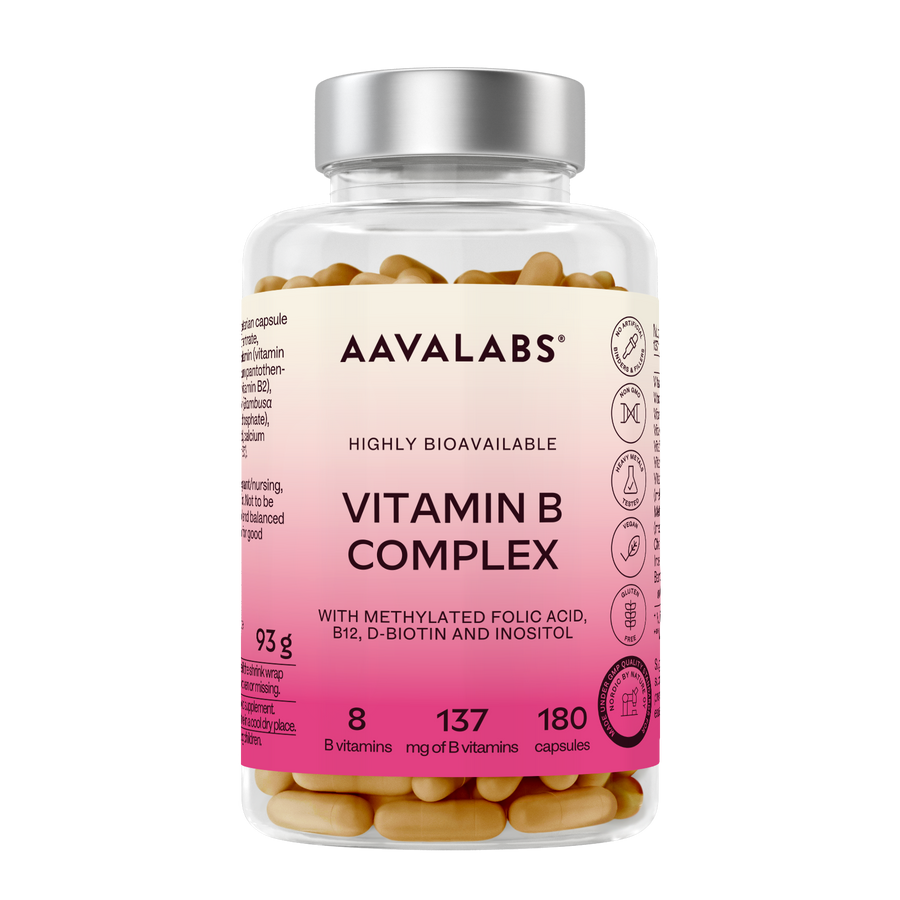
Vitamin B6
Vitamin B6 contributes to the regulation of hormonal activity.
It also contributes to normal psychological function, normal functioning of the nervous system and the reduction of tiredness and fatigue.
Food sources of vitamin B6 include poultry, fish, potatoes, chickpeas, bananas and fortified foods.
Vitamin B12
Vitamin B12 contributes to normal psychological function and the normal functioning of the nervous system.
It also contributes to normal energy-yielding metabolism and the reduction of tiredness and fatigue.
Vitamin B12 occurs naturally primarily in animal-derived foods, making adequate intake particularly important for people following vegan or predominantly plant-based diets.
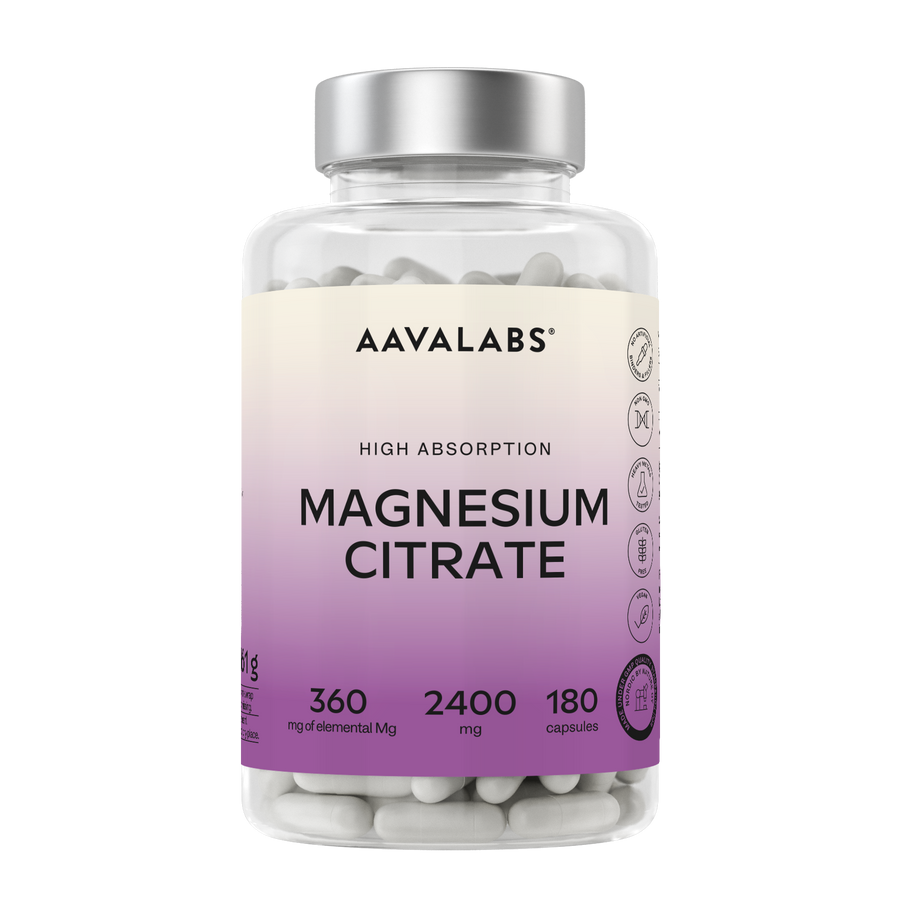
Magnesium
Magnesium contributes to normal psychological function and the normal functioning of the nervous system.
It also contributes to the reduction of tiredness and fatigue and normal energy-yielding metabolism.
Magnesium can be found in foods including nuts, seeds, legumes, whole grains and leafy green vegetables.
Vitamin D
Vitamin D contributes to the normal function of the immune system and the maintenance of normal bones and muscle function.
Our bodies can produce vitamin D when the skin is exposed to sunlight, while smaller amounts are obtained through food.
Individual vitamin D status varies according to factors including sun exposure, season, diet and lifestyle.
Zinc
Zinc contributes to normal fertility and reproduction.
It also contributes to normal cognitive function, the normal function of the immune system and the protection of cells from oxidative stress.
Dietary sources include meat, shellfish, dairy products, legumes, nuts and seeds.
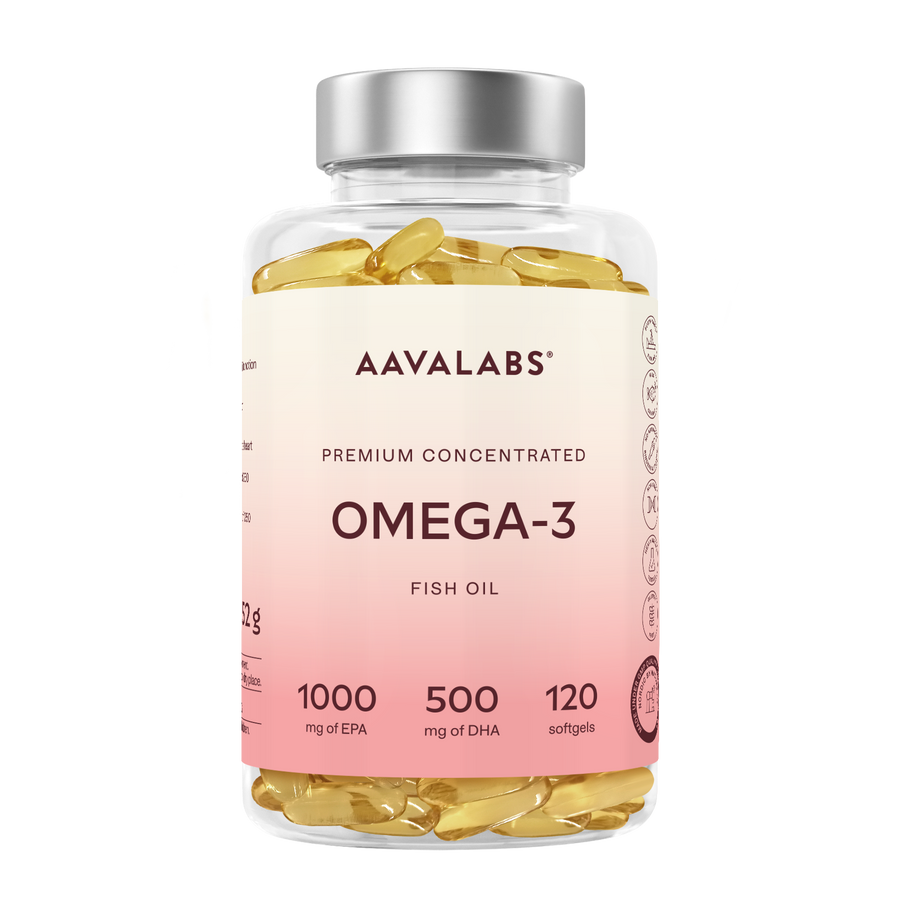
Omega-3 Fatty Acids
Omega-3 fatty acids include ALA, EPA and DHA.
DHA contributes to the maintenance of normal brain function with a daily intake of 250 mg DHA.
EPA and DHA are naturally found in oily fish such as salmon, sardines and mackerel. Algae-derived omega-3 supplements provide a plant-based source of DHA and EPA.
Can Supplements Balance Your Hormones?
The phrase "hormone balancing supplement" is widely used online, but it can be misleading.
Hormonal regulation is complex and involves multiple organs, glands and signalling pathways. No individual food supplement can simply bring all hormones into "balance".
Supplements can instead help provide specific nutrients when dietary intake is insufficient or when individual nutritional requirements make supplementation appropriate.
For example, vitamin B6 has an established role in the regulation of hormonal activity, while magnesium, vitamin B6 and vitamin B12 contribute to normal psychological function.
How Can You Support Hormonal and Emotional Wellbeing?
Nutrition is only one part of the bigger picture. Everyday lifestyle habits can also support physical and emotional wellbeing throughout different hormonal stages.
Prioritise Sleep
Hormonal changes and sleep can influence one another. Maintaining regular sleep and wake times, reducing late-night screen exposure and creating a relaxing evening routine can help support consistent sleep habits.
Move Regularly
Regular physical activity supports both physical and mental wellbeing.
A balanced routine might include walking, strength training, cycling, swimming, yoga or other activities you genuinely enjoy.
Eat Regular, Balanced Meals
Build meals around a combination of protein, fibre-rich carbohydrates, healthy fats and colourful plant foods.
A varied diet also makes it easier to obtain the broad range of vitamins and minerals the body needs.
Make Space for Recovery
Constant demands without enough recovery can affect how we feel physically and emotionally.
Small habits such as walking outside, reading, breathing exercises, spending time with friends or simply creating periods without notifications can provide useful moments of recovery.
Track Your Symptoms
If you notice recurring mood, sleep or energy changes, keeping a simple record alongside your menstrual cycle can help identify patterns.
This information can also be useful when discussing symptoms with a healthcare professional.
When Should You Speak to a Healthcare Professional?
Not every change in mood, energy or sleep is caused by hormones.
Symptoms can also be related to nutritional deficiencies, thyroid conditions, medication, sleep disorders, mental health conditions or other health factors.
Speak with an appropriate healthcare professional if symptoms are persistent, severe, suddenly change or significantly interfere with your everyday life.
Frequently Asked Questions About Hormones and Mental Health
Can hormones affect your mood?
Yes. Hormonal changes can interact with biological systems involved in mood and emotional wellbeing. However, mood is influenced by many factors, so hormones are not always the only explanation.
Which hormones affect women's mood?
Oestrogen and progesterone are commonly discussed because their levels change throughout the menstrual cycle and during major reproductive transitions. Cortisol and thyroid hormones can also be relevant to emotional and physical wellbeing.
Can PMS cause mood changes?
Yes. Emotional symptoms such as mood changes, irritability or feeling more emotional can occur as part of premenstrual syndrome.
Can perimenopause affect your mood?
Some women experience changes in mood, sleep and emotional wellbeing during perimenopause as reproductive hormone levels fluctuate.
Can menopause affect mental health?
Some women experience psychological symptoms during the menopausal transition. Hormonal changes, sleep disruption, physical symptoms and individual life circumstances can all contribute.
Which vitamin contributes to hormonal regulation?
Vitamin B6 contributes to the regulation of hormonal activity. It also contributes to normal psychological function and the normal functioning of the nervous system.
Does magnesium balance hormones?
Magnesium should not be described as directly "balancing hormones". It does, however, contribute to normal psychological function, normal nervous system function and the reduction of tiredness and fatigue.
Can supplements improve hormonal mood swings?
There is no single supplement suitable for every cause of mood changes. Nutritional supplements can help provide particular nutrients when needed, but persistent or significant mood changes should be discussed with a healthcare professional.
Key Takeaways
- Hormones interact with biological systems involved in mood, sleep, stress and energy.
- Oestrogen and progesterone naturally fluctuate throughout the menstrual cycle and change during perimenopause and menopause.
- Mood changes are complex and should not automatically be attributed to hormones.
- Vitamin B6 contributes to the regulation of hormonal activity.
- Magnesium, vitamin B6 and vitamin B12 contribute to normal psychological function.
- DHA contributes to the maintenance of normal brain function with a daily intake of 250 mg DHA.
- Sleep, regular movement, balanced nutrition and recovery are important foundations of overall wellbeing.
Understanding Your Body Through Every Stage
Hormonal changes are a normal part of life, but every woman's experience is different. Understanding how your cycle and different life stages can interact with mood, sleep and energy can make those changes easier to recognise.
Rather than searching for a quick way to "balance hormones", focus on supporting your body with good nutrition, regular movement, adequate sleep and enough time to recover.
And when something does not feel right, seeking professional guidance can help you understand whether hormones, nutrition or another factor may be involved.
This article is for informational purposes only and is not intended to diagnose, treat, cure or prevent any disease. If you experience persistent changes in mood or mental health, or have concerns about hormonal symptoms, consult an appropriate healthcare professional.