Endurance sports increase demand for vitamins and minerals beyond what diet alone can reliably supply. Here is which nutrients matter most for performance, oxygen transport and recovery
Endurance athletes have significantly higher micronutrient needs than sedentary individuals. The most important vitamins and minerals for endurance performance include B vitamins, iron, magnesium, vitamin C, vitamin D and electrolytes such as calcium, sodium and potassium. Deficiencies in any of these can directly impair oxygen transport, energy production, muscle function and recovery, making consistent nutritional support essential for anyone training regularly.
Why do endurance athletes need more vitamins and minerals?
Endurance sports create an additional demand for vitamins and minerals that diet alone often cannot fully meet. Training increases metabolic rate, accelerates the breakdown and use of nutrients, and causes significant losses of minerals through sweat. The more intensively you train, the greater these demands become. Addressing them through a combination of varied nutrition and targeted supplementation is one of the most practical ways to support consistent performance and recovery.
Why are B vitamins essential for endurance performance?
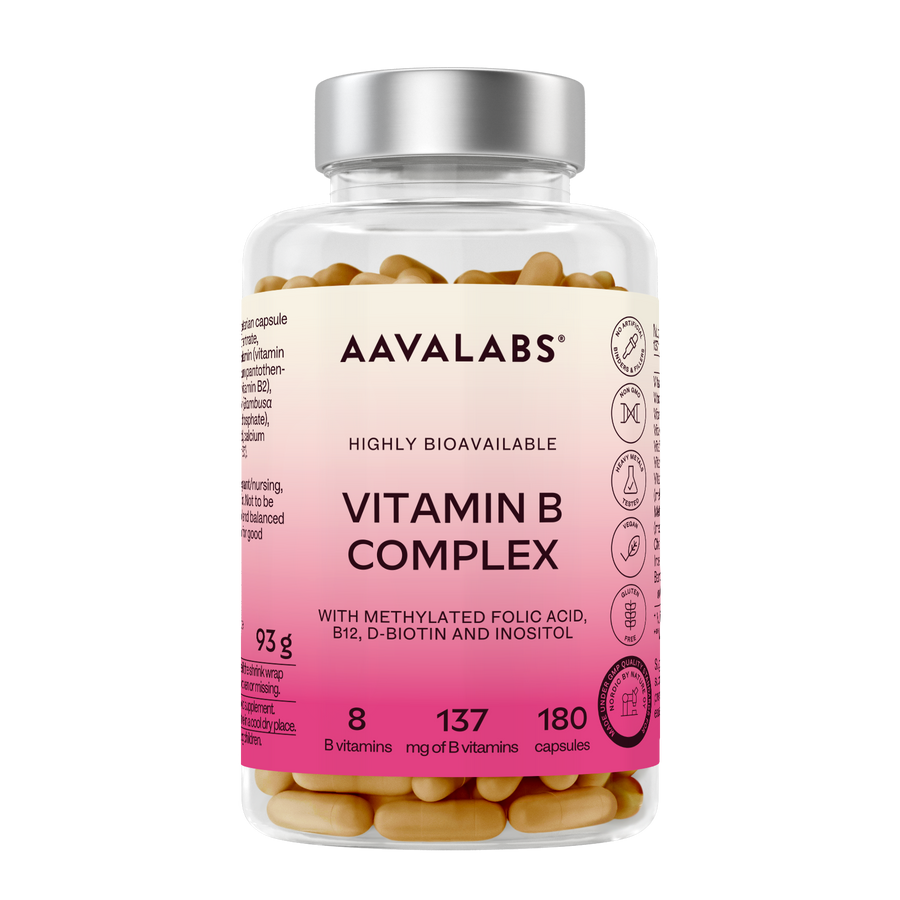
B vitamins play a central role in energy metabolism, making them fundamental for athletes. They convert carbohydrates, fats and proteins into ATP, the energy currency your muscles run on. Vitamin B12 in particular deserves special attention. It is involved in red blood cell formation, cell division, energy production, myelin sheath formation to protect nerves, and detoxification of homocysteine. The body cannot produce B12 on its own, so daily intake is essential.
For endurance athletes, B12 deficiency is a particular risk because it can cause anaemia through a maturation disorder of red blood cells. Anaemia reduces oxygen transport to working muscles, causing general weakness, fatigue and palpitations, symptoms that directly undermine athletic performance. Our Vitamin B Complex provides all eight essential B vitamins to support energy metabolism and recovery.
How does iron affect endurance performance?
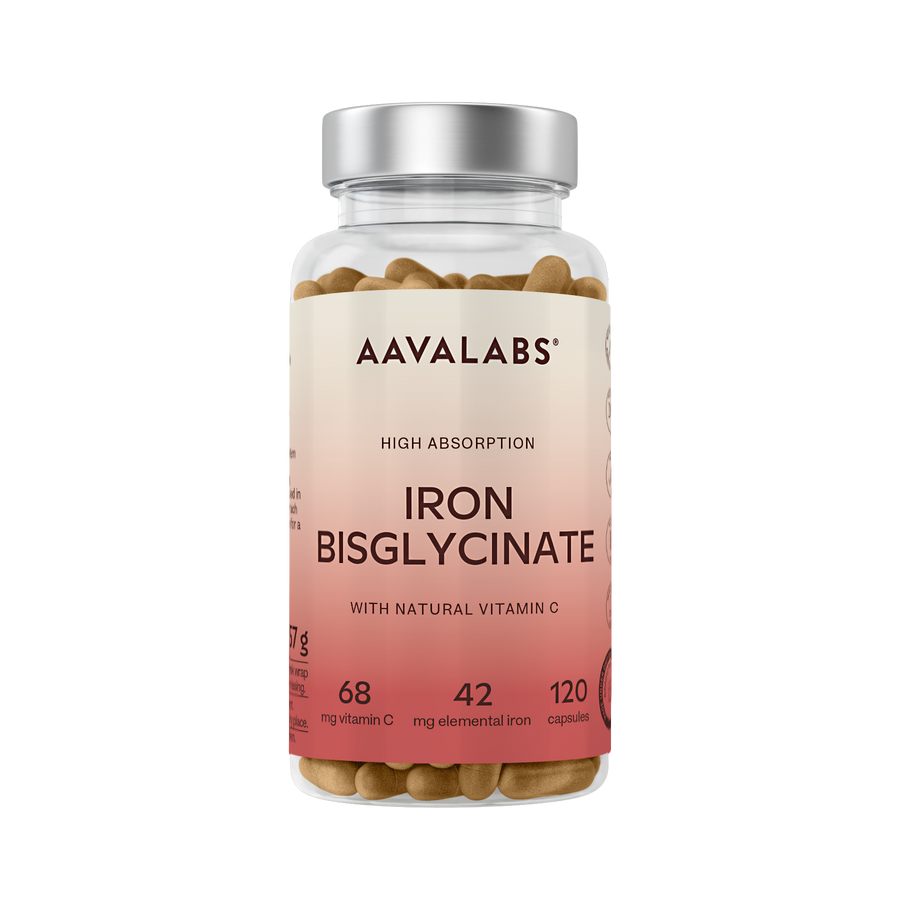
Iron is essential for transporting the oxygen you breathe to your muscles. Without sufficient iron, muscles cannot receive the oxygen they need to function optimally. This becomes apparent quickly in athletes as reduced endurance, faster fatigue and impaired recovery. The more intensively you train and sweat, the more iron you need to replenish, as the body loses meaningful amounts of iron through sweat and the repeated impact of foot strike during running.
Female endurance athletes are particularly at risk of iron deficiency due to menstrual losses. Our Iron with Vitamin C combines iron with vitamin C, which significantly improves non-haem iron absorption.
Why is magnesium critical for endurance athletes?
Magnesium is involved in muscle contraction and relaxation, energy metabolism, protein synthesis and joint flexibility. Without adequate magnesium, muscles cannot release their energy optimally and recovery between sessions is impaired. Magnesium is also lost through sweat, making replenishment particularly important during and after training.
Top athletic performance requires consistently filled magnesium stores. When muscular energy is depleted, magnesium activates specific enzymes that help regenerate energy-rich compounds, allowing muscles to perform again. Deficiency can lead to cramps, fatigue and reduced training capacity.
How does vitamin C support endurance athletes?
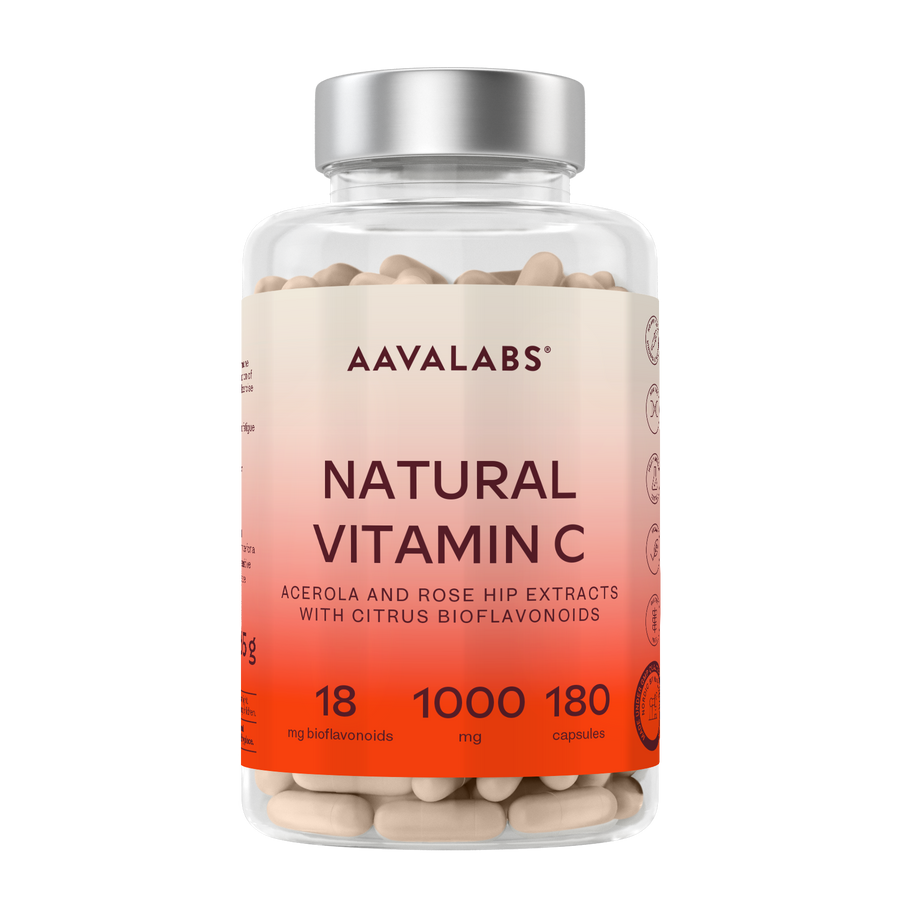
Vitamin C is often associated with immune health, but its role in athletic performance extends further. It directly enhances iron absorption, making it particularly valuable for athletes with high iron demands. It also protects cells from oxidative stress generated during intense exercise, which accumulates over repeated training sessions and can impair recovery. Consistent vitamin C intake supports both immune resilience and cellular recovery for endurance athletes.
Why do endurance athletes need vitamin D?
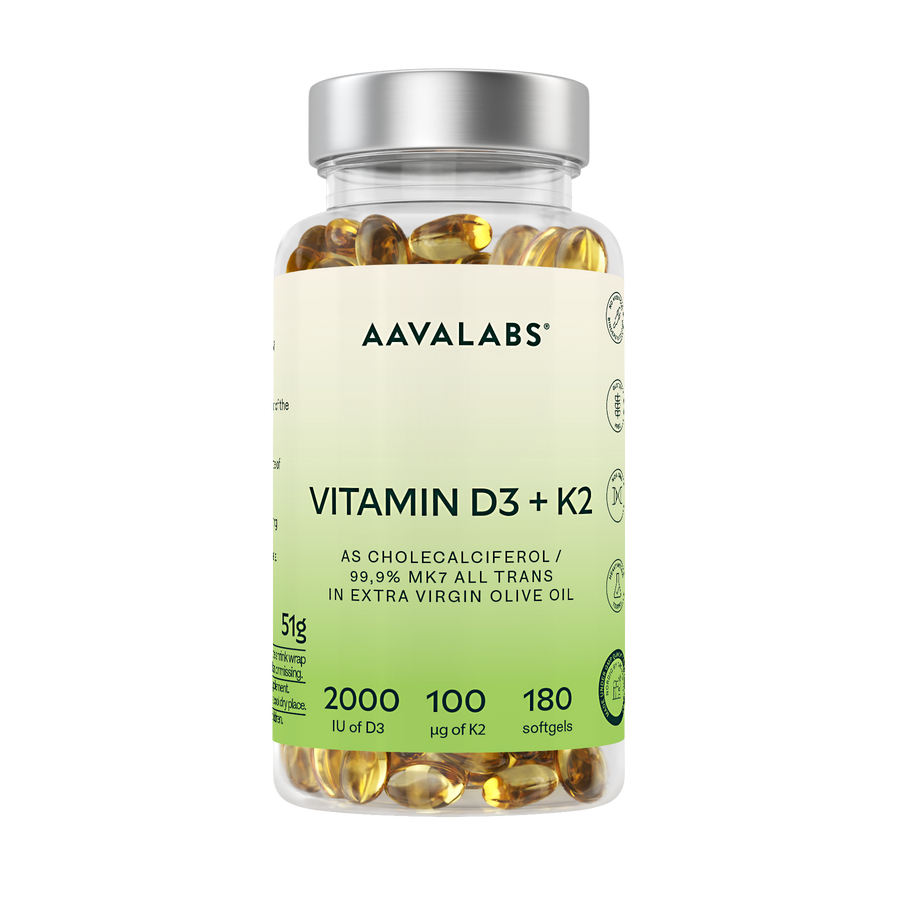
Vitamin D supports muscle function, bone health and immune resilience, all of which are particularly relevant for endurance athletes. Muscle weakness and increased injury risk are among the most common consequences of low vitamin D in active individuals. Getting enough vitamin D from sunlight alone is challenging, especially for athletes training indoors, in northern latitudes or during winter months. Regular supplementation is a practical and reliable way to maintain optimal levels year-round.
Why are calcium, sodium and potassium important for endurance sports?
Calcium ensures strong bones and smooth muscle contraction during exercise. Both calcium and magnesium deficiencies can cause muscle cramps, which are common in endurance athletes, particularly during or after long sessions. Sodium and potassium are essential electrolytes that regulate water balance, nerve signalling and muscle contraction. These minerals are lost in significant quantities through sweat during endurance sports, and deficiencies can develop quickly during prolonged training without adequate replenishment.
The more you train, the more you need
Sports are both physically and mentally demanding. Endurance athletes lose significant quantities of minerals through sweat and place sustained demands on energy systems that rely on micronutrients at every step. A balanced, varied diet provides the foundation. Where nutritional needs exceed what diet alone can reliably supply, targeted supplementation with B vitamins, iron, magnesium, vitamin C and vitamin D supports consistent performance, faster recovery and long-term health.
Frequently Asked Questions
What vitamins do endurance athletes need most?
The most important vitamins for endurance athletes are B vitamins for energy metabolism and red blood cell production, vitamin D for muscle function and bone health, and vitamin C for iron absorption and cellular protection from oxidative stress. Together with iron and magnesium, these nutrients address the most common performance-limiting deficiencies in people who train regularly.
Can iron deficiency affect endurance performance?
Yes, significantly. Iron deficiency reduces the oxygen-carrying capacity of the blood, which directly limits endurance performance, increases fatigue and slows recovery. Even iron deficiency without clinical anaemia has been shown to impair performance. Female endurance athletes and those who train at high volume are at greatest risk and should monitor ferritin levels through periodic blood testing.
How much magnesium do athletes need per day?
The standard recommended intake for adults is 300 to 400 mg of magnesium per day, but athletes with high sweat losses may require more. Signs that magnesium needs are not being met include muscle cramps, poor sleep, increased fatigue and slow recovery. A well-absorbed form such as Magnesium Bisglycinate is particularly suitable for athletes as it is gentle on digestion and highly bioavailable.
Should endurance athletes take vitamin B12 supplements?
Yes, particularly those following plant-based diets, as B12 is found almost exclusively in animal products. Even athletes eating meat should be aware that B12 absorption can be compromised by digestive issues, age or certain medications. B12 deficiency can cause anaemia and neurological symptoms that directly affect training capacity. A B Complex supplement providing a meaningful dose of B12 is a practical daily safeguard.
Does vitamin C improve athletic performance?
Vitamin C does not directly enhance performance, but it plays important supporting roles for athletes. It significantly improves iron absorption when taken alongside iron-rich foods or supplements, protects cells from exercise-induced oxidative stress and supports immune function, which is particularly important during periods of heavy training when immunity can be temporarily suppressed.
Why do endurance athletes get muscle cramps?
Muscle cramps in endurance athletes are most commonly caused by electrolyte imbalances, particularly low magnesium, potassium and sodium levels, combined with dehydration. These minerals are lost in significant amounts through sweat during prolonged exercise. Ensuring adequate daily intake of magnesium and electrolytes, staying well hydrated and avoiding sudden increases in training volume all help reduce cramp frequency.