Healthy skin depends on more than skincare. Discover how vitamin C, biotin, zinc, vitamin A, selenium and other essential nutrients contribute to maintaining normal skin from within.
Healthy skin starts with more than what you apply on the outside. Nutrition provides essential vitamins, minerals and other nutrients that the body needs to maintain normal skin and protect cells from oxidative stress.
Key nutrients include vitamin C, vitamin A, biotin, niacin, riboflavin, zinc and selenium. A varied and balanced diet provides the foundation, while targeted supplementation can complement your intake where appropriate.
Here is a practical guide to some of the most important nutrients for supporting healthy skin from within.
Which Vitamins Are Important for Healthy Skin?
Several vitamins have recognised roles in maintaining normal skin or supporting processes that are important for skin structure and function.
B Vitamins
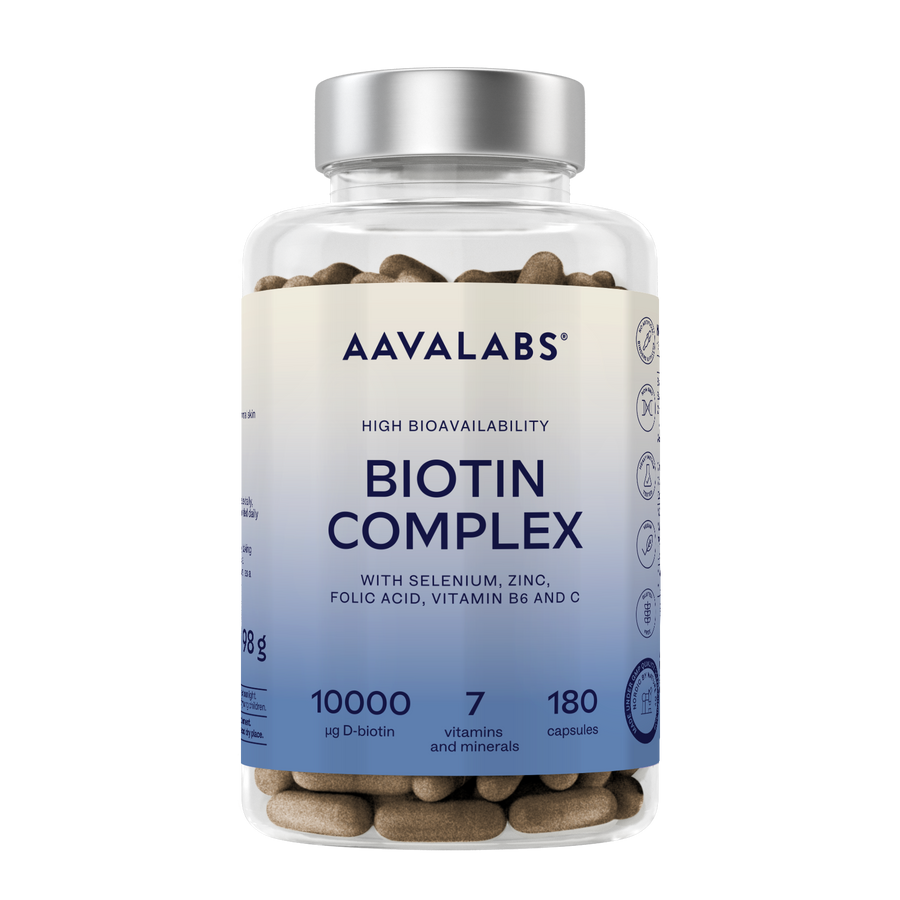
Several B vitamins contribute to normal skin. Biotin, also known as vitamin B7, contributes to the maintenance of normal skin.
Niacin, or vitamin B3, and riboflavin, or vitamin B2, also contribute to the maintenance of normal skin. Riboflavin additionally contributes to the protection of cells from oxidative stress.
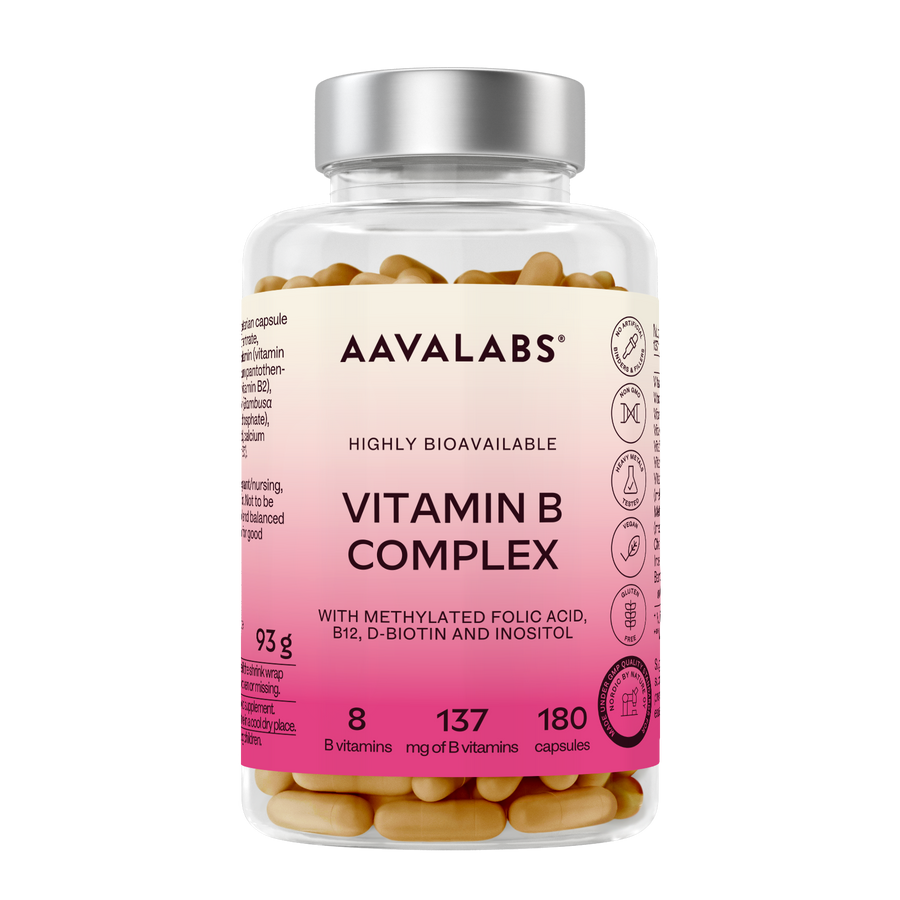
A Vitamin B Complex can provide several B vitamins together as part of your daily nutritional routine.
Vitamin C
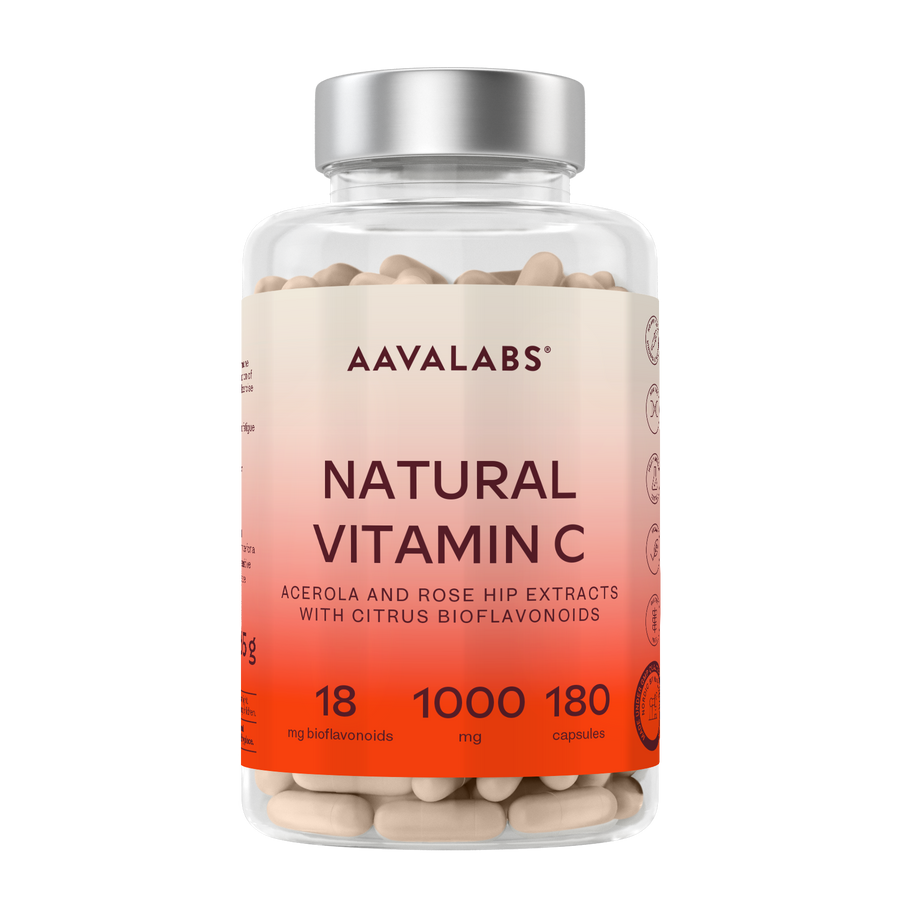
Vitamin C contributes to normal collagen formation for the normal function of skin.
It also contributes to the protection of cells from oxidative stress. Good dietary sources include citrus fruits, berries, peppers, broccoli and other fruits and vegetables.
Vitamin D
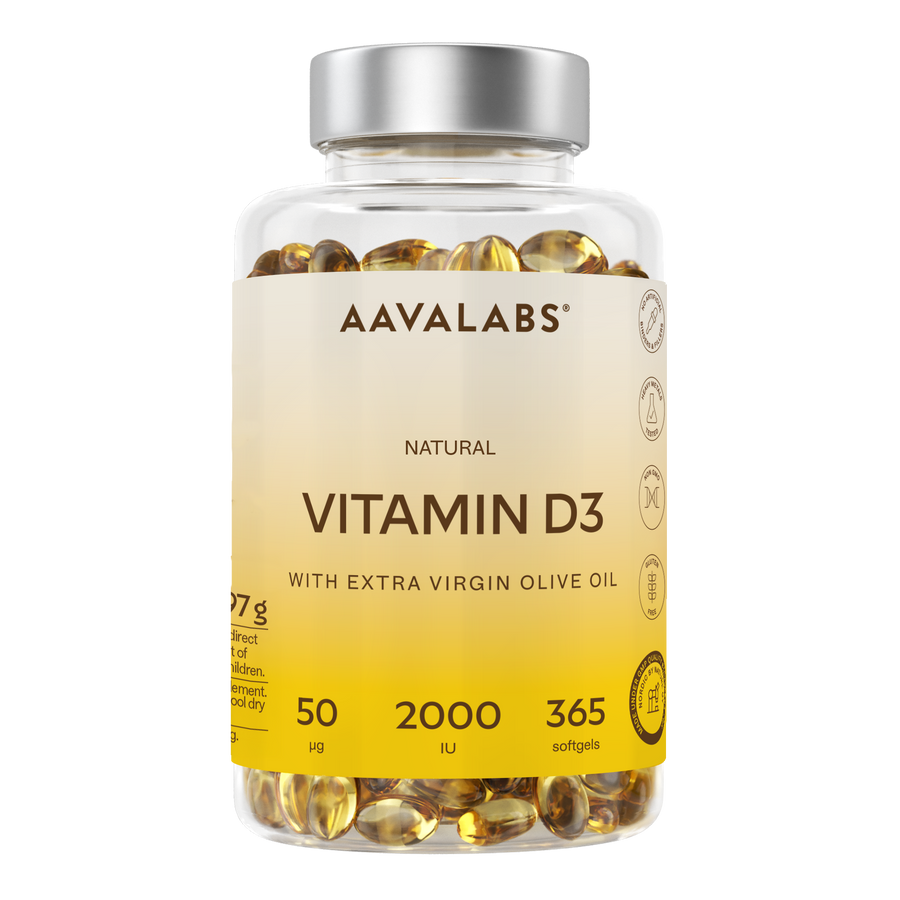
Vitamin D contributes to several important functions in the body, including the normal function of the immune system and the process of cell division.
The body can produce vitamin D through exposure of the skin to sunlight, while dietary sources include fatty fish, egg yolks and fortified foods. Supplementation can help support vitamin D intake where dietary intake and sun exposure are insufficient.
Vitamin A
Vitamin A contributes to the maintenance of normal skin. It also contributes to the maintenance of normal mucous membranes and the normal function of the immune system.
Vitamin A can be obtained directly from foods such as eggs and liver, while beta-carotene from colourful fruits and vegetables can be converted into vitamin A by the body.
Vitamin E
Vitamin E contributes to the protection of cells from oxidative stress.
It is naturally present in foods including nuts, seeds and vegetable oils and can form part of a varied, nutrient-rich diet.
Which Minerals Support Healthy Skin?
Minerals are another important part of a balanced nutritional routine. Zinc and selenium have particularly relevant authorised health claims for skin and cellular protection.
Zinc
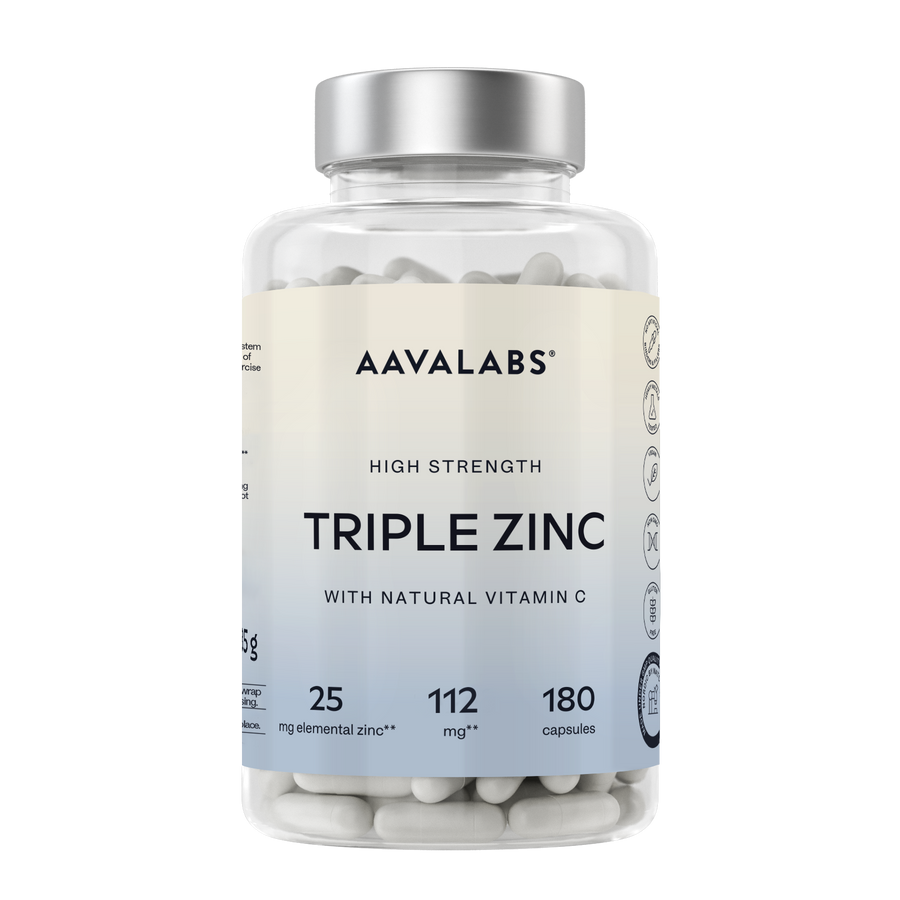
Zinc contributes to the maintenance of normal skin. It also contributes to the protection of cells from oxidative stress and to the normal function of the immune system.
Zinc additionally has a role in the process of cell division and contributes to normal DNA synthesis and normal protein synthesis.
Iron
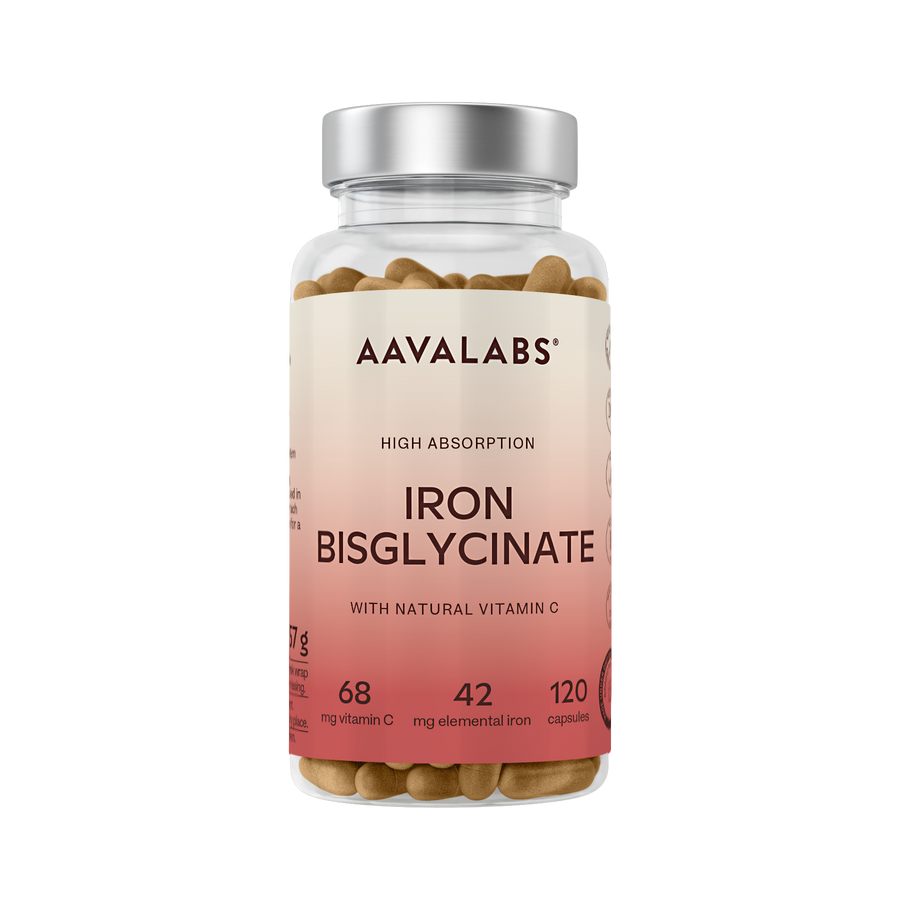
Iron contributes to normal oxygen transport in the body, normal energy-yielding metabolism and the reduction of tiredness and fatigue.
Vitamin C increases iron absorption, which is why the two nutrients are often combined within a supplement.
Iodine
Iodine contributes to the maintenance of normal skin. It also contributes to normal energy-yielding metabolism, normal functioning of the nervous system and the normal production of thyroid hormones and normal thyroid function.
Dietary sources of iodine include seafood, dairy products and iodised salt.
Selenium
Selenium contributes to the protection of cells from oxidative stress. It also contributes to the maintenance of normal hair and nails and to the normal function of the immune system.
Good dietary sources include fish, eggs, meat and certain nuts and seeds.
What Role Do Fats Play in a Balanced Diet?
Fats are an essential part of a balanced diet and provide essential fatty acids as well as helping the body absorb fat-soluble vitamins such as vitamins A, D and E.
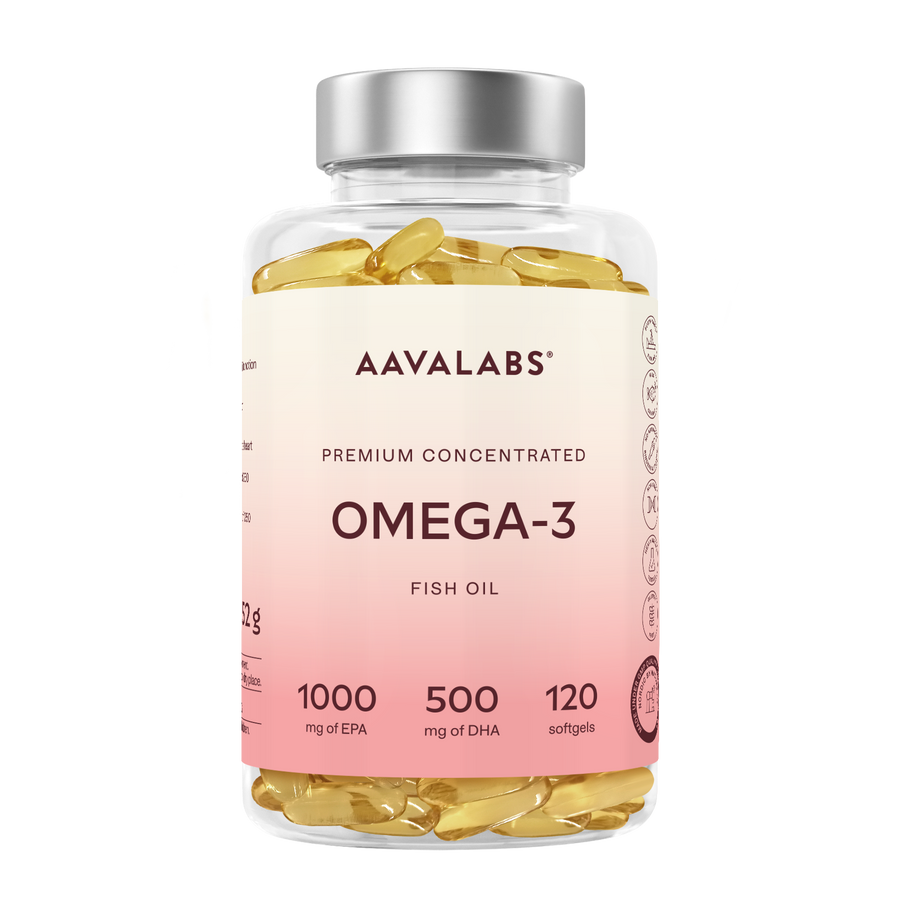
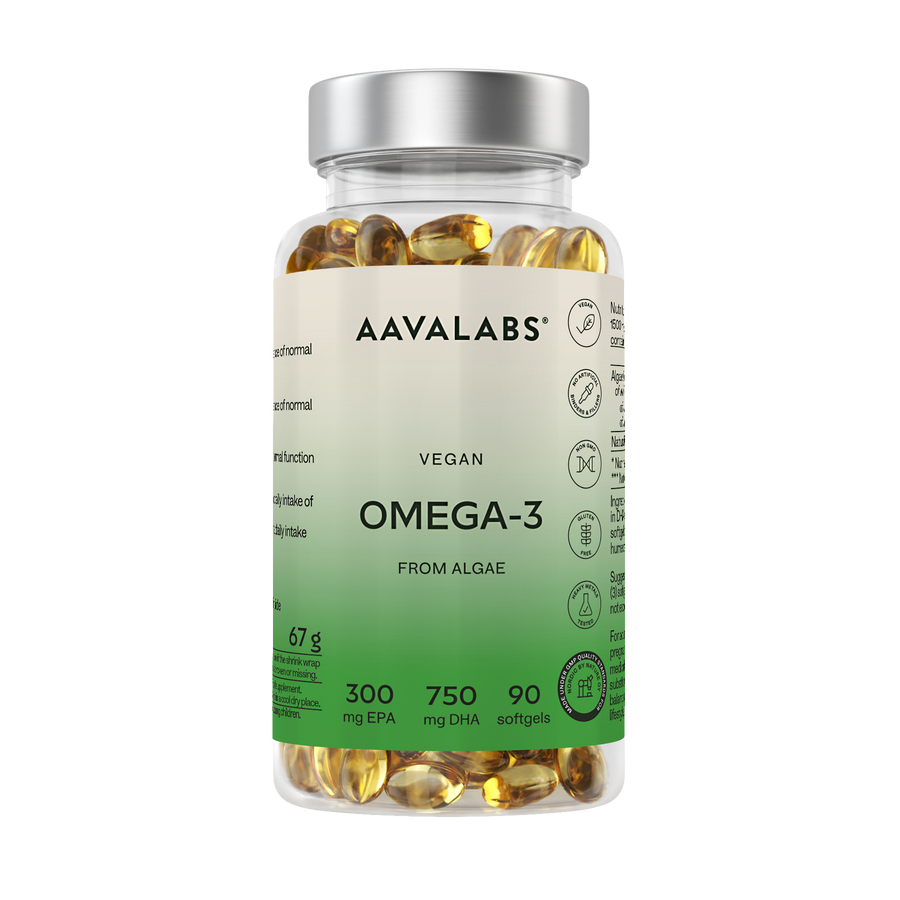
Omega-3 fatty acids can be obtained from foods such as fatty fish, walnuts, flaxseeds and chia seeds. For people who do not regularly eat fish, supplements such as Premium Omega-3 Fish Oil or Vegan Omega-3 from Algae can complement dietary intake.
Protein is another important part of a balanced diet. It contributes to the growth and maintenance of muscle mass and the maintenance of normal bones.
How Can You Build a Nutrition-Focused Skin Routine?
Supporting your skin from within starts with the basics: a varied diet, adequate hydration, sufficient sleep and appropriate sun protection.
Colourful fruits and vegetables provide vitamins and plant compounds, while nuts, seeds, whole grains, protein sources and healthy fats contribute additional nutrients.
Where appropriate, supplements can complement dietary intake. Options may include Natural Vitamin C Complex, Zinc, Biotin Complex and omega-3 supplements.
Healthy Skin Starts With Consistent Care
No single nutrient determines how your skin looks or feels. Instead, healthy skin depends on a combination of nutrition, hydration, lifestyle and external care.
Vitamin A, biotin, niacin, riboflavin, iodine and zinc contribute to the maintenance of normal skin. Vitamin C contributes to normal collagen formation for the normal function of skin, while vitamin C, vitamin E, zinc, selenium and riboflavin contribute to the protection of cells from oxidative stress.
Supporting these nutritional needs consistently is a simple way to care for your skin as part of a balanced lifestyle.
Frequently Asked Questions
Which Vitamins Contribute to Normal Skin?
Vitamin A, biotin, niacin and riboflavin contribute to the maintenance of normal skin. Vitamin C also contributes to normal collagen formation for the normal function of skin.
Does Vitamin C Support Collagen Formation?
Yes. Vitamin C contributes to normal collagen formation for the normal function of skin. It also contributes to the protection of cells from oxidative stress.
Does Zinc Support Healthy Skin?
Yes. Zinc contributes to the maintenance of normal skin. It also contributes to the protection of cells from oxidative stress, normal protein synthesis and the normal function of the immune system.
Which Nutrients Protect Cells From Oxidative Stress?
Vitamin C, vitamin E, riboflavin, zinc and selenium all contribute to the protection of cells from oxidative stress.
Does Biotin Support the Skin?
Yes. Biotin contributes to the maintenance of normal skin. It also contributes to normal energy-yielding metabolism and normal functioning of the nervous system.
Are Supplements Necessary for Healthy Skin?
Not necessarily. A varied and balanced diet should provide the foundation of nutrient intake. Supplements can complement the diet where additional intake is appropriate, but they should not be used as a substitute for a varied and balanced diet and a healthy lifestyle.