Bloating is incredibly common, but that doesn’t make the uncomfortable feeling of fullness, pressure or swelling any less frustrating. From intestinal gas and constipation to certain foods and eating habits, there are many possible reasons why bloating occurs.
In this guide, we explore what causes bloating, which foods may trigger it, practical ways to reduce everyday bloating and what to know about probiotics, digestive enzymes and other approaches to supporting digestion.
Bloating is extremely common. It can feel like pressure, fullness or tightness in your abdomen and may sometimes be accompanied by visible abdominal distension or increased gas.
Although bloating is often related to digestion, there is no single cause. Eating habits, certain carbohydrates, constipation, swallowed air and individual food intolerances can all play a role.
So what actually causes bloating, which foods may trigger it, and what can you do when it happens? Let’s take a closer look.
Quick answer: Bloating is the sensation of fullness, pressure or swelling in the abdomen. Common factors include intestinal gas, swallowed air, constipation, certain foods and individual digestive sensitivities. Eating more slowly, identifying personal triggers, staying hydrated and moving regularly can be useful first steps, but persistent or unexplained bloating should be discussed with a healthcare professional.
What is bloating?
Bloating describes a feeling of pressure, fullness or swelling in the abdomen. Some people also experience visible distension, where the abdomen becomes noticeably larger.
Bloating and abdominal distension are therefore related, but they are not exactly the same thing. You can feel bloated without having a visibly swollen abdomen.
Occasional bloating after eating is common. However, if it happens frequently, becomes painful or appears alongside other symptoms, it is worth investigating the possible cause.
What causes bloating?
There is no single explanation for bloating. Digestion is influenced by the foods we eat, how we eat them, intestinal movement and individual differences in how the digestive system responds.
Some common factors associated with bloating include:
- Swallowing air while eating or drinking
- Gas produced during the fermentation of certain foods in the gut
- Constipation
- Individual food intolerances or sensitivities
- Changes associated with the menstrual cycle
- Certain digestive conditions
Understanding when your bloating occurs can help identify patterns and possible triggers.
Why does gas cause bloating?
Gas is a normal part of digestion. Some air enters the digestive tract when we eat, drink and swallow, while intestinal microorganisms can also produce gases as they ferment certain components of food.
Some foods contain carbohydrates that are not completely absorbed in the small intestine. When they reach the large intestine, gut microorganisms can ferment them and produce gas.
This does not automatically mean that these foods are unhealthy. Many foods that can increase gas, including legumes and certain vegetables, are nutritious and provide valuable fibre.
Which foods can cause bloating?
People respond differently to foods, so there is no universal list of foods that everyone with bloating needs to avoid.
However, some foods and drinks are commonly associated with increased gas or digestive symptoms in certain people.
These can include:
- Beans and other legumes
- Broccoli, cabbage and cauliflower
- Onions and garlic
- Certain fruits
- Carbonated drinks
- Products containing certain sugar alcohols
- Dairy products in people who have difficulty digesting lactose
Rather than unnecessarily removing large groups of nutritious foods, it can be more useful to identify your individual patterns.
Can lactose cause bloating?
For people with lactose intolerance, consuming more lactose than they can comfortably digest may result in symptoms such as bloating, gas, abdominal discomfort or diarrhoea.
Lactose intolerance occurs when the body has insufficient lactase activity to fully digest lactose, the naturally occurring sugar found in milk and many dairy products.
The amount of lactose an individual can tolerate varies, so lactose intolerance does not necessarily mean that every dairy product needs to be avoided completely.
What about gluten and bloating?
Bloating can occur in people with coeliac disease and may also be reported by people who experience symptoms after eating certain wheat containing foods.
However, bloating after eating bread or pasta does not automatically mean that gluten is the cause.
Wheat contains several different components, and removing gluten without understanding the underlying reason can make it more difficult to identify what is actually causing symptoms.
If you suspect coeliac disease, seek professional advice before starting a gluten free diet, as removing gluten beforehand can affect diagnostic testing.
Can constipation cause bloating?
Yes. Constipation and bloating frequently occur together.
When stool moves more slowly through the digestive tract, people may experience fullness, abdominal discomfort and increased bloating.
Dietary fibre, sufficient fluid intake and regular physical activity all contribute to normal digestive habits, although individual needs vary.
If constipation is persistent or represents a significant change from your usual bowel habits, speak with a healthcare professional.
Can stress affect digestion?
The digestive system and nervous system communicate closely through what is often called the gut brain axis.
This means psychological and physiological stress can coincide with changes in digestive sensations, appetite and bowel habits in some people.
Stress is therefore one of many factors worth considering when digestive symptoms appear, but recurring bloating should not automatically be dismissed as stress.
How can you reduce everyday bloating?
The most useful approach depends on what is contributing to your symptoms. For occasional bloating, a few simple habits may be worth considering.
Eat slowly
Eating quickly can increase the amount of air you swallow. Taking more time over meals and chewing thoroughly may help reduce this.
Look for individual patterns
If bloating frequently follows particular meals, keeping a simple food and symptom diary can help you notice patterns.
Try not to eliminate multiple food groups at once without professional guidance, as this can unnecessarily restrict your diet and make the actual trigger harder to identify.
Stay hydrated
Regular fluid intake is part of supporting normal digestive function and can be particularly relevant when increasing dietary fibre.
Move regularly
Regular physical activity supports general health and normal intestinal movement. Even gentle movement such as walking can be a useful part of an everyday routine.
Consider your fibre intake
Fibre is an important part of a balanced diet, but rapidly increasing your intake can sometimes temporarily increase gas and bloating.
If you want to eat more fibre, increasing it gradually while maintaining adequate fluid intake can be a more comfortable approach.
What about probiotics for bloating?
Probiotics are live microorganisms that, when administered in adequate amounts, confer a health benefit on the host.
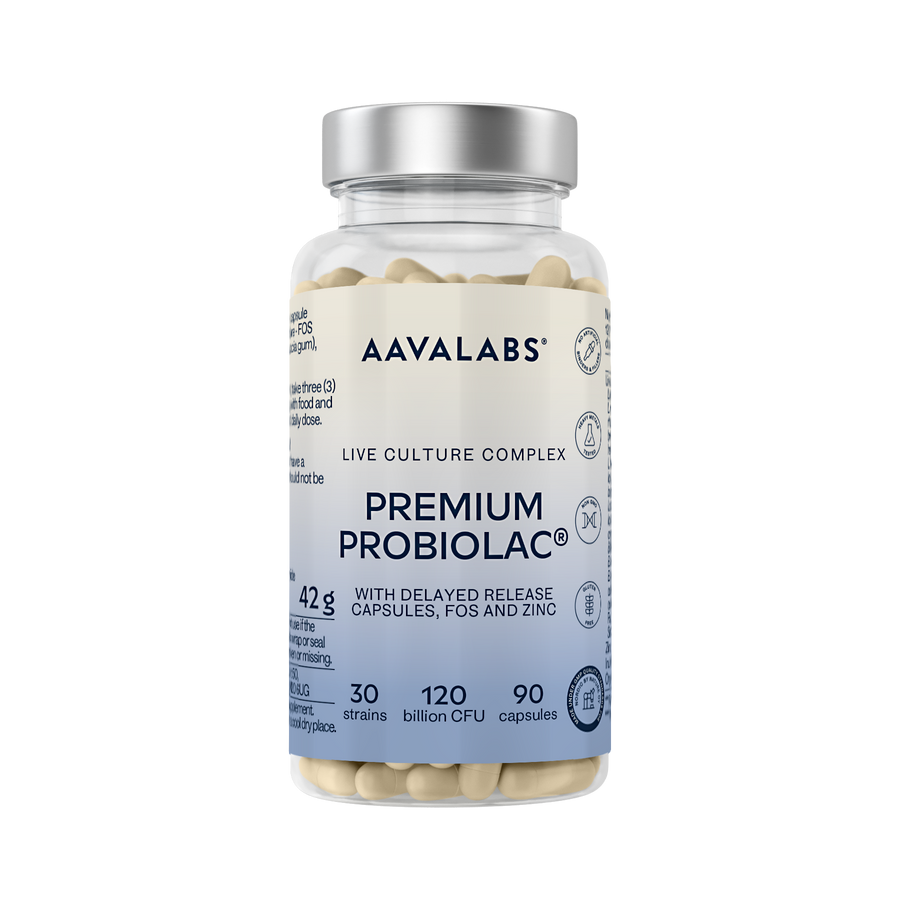
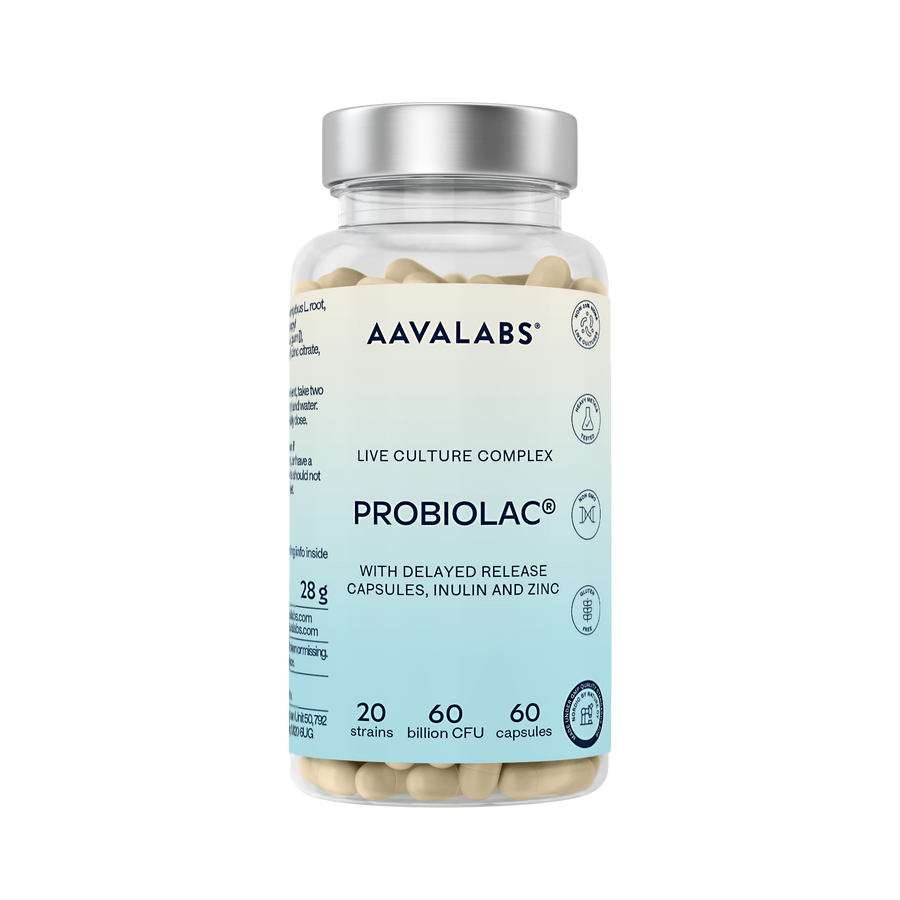
Research into probiotics and digestive symptoms is highly strain specific. This means findings from one microorganism or combination of strains cannot automatically be applied to every probiotic supplement.
A product containing more strains or a larger CFU count is also not automatically better for bloating.
If you are considering a probiotic, look at the specific strains, CFU count, complete formulation and available evidence rather than relying only on general claims about gut health.
What about digestive enzymes?
Digestive enzymes help break components of food into smaller molecules that can be absorbed by the body. Your digestive system naturally produces many different enzymes.
Some enzyme supplements have specific uses. Lactase, for example, improves lactose digestion in individuals who have difficulty digesting lactose.
This does not mean that a general digestive enzyme supplement is necessary for everyone who experiences bloating.
If digestive symptoms are frequent, understanding their cause is more useful than automatically adding several supplements.
Should you take supplements for bloating?
There is no single supplement that is appropriate for every type of bloating because bloating itself can have many different causes.
Before choosing a supplement, consider when your symptoms occur, whether they are associated with particular foods, whether constipation is present and whether there have been other changes in your digestion.
If symptoms are persistent, severe or unexplained, professional assessment can help identify the underlying issue.
When should you seek professional advice?
Occasional bloating is common, but persistent or significant changes should not simply be ignored.
Speak with a healthcare professional if bloating is persistent, severe or accompanied by symptoms such as:
- Unexplained weight loss
- Blood in your stool
- Persistent vomiting
- Severe or persistent abdominal pain
- Significant changes in bowel habits
- Difficulty eating or feeling full unusually quickly
A healthcare professional can help determine whether further investigation is appropriate.
Frequently asked questions
What causes bloating?
Bloating can have many causes, including intestinal gas, swallowed air, constipation, certain foods, food intolerances and individual digestive conditions.
Why am I bloated after eating?
Bloating after meals can be influenced by meal size, eating speed, swallowed air, the types of carbohydrates in the meal and individual digestive responses. Frequent symptoms may be worth investigating further.
What foods commonly cause bloating?
Beans, certain vegetables, onions, carbonated drinks, some sugar alcohols and dairy products in people with lactose intolerance can contribute to bloating in some individuals. However, tolerance varies considerably from person to person.
Can constipation make you bloated?
Yes. Constipation can be associated with feelings of abdominal fullness, pressure and bloating.
Do probiotics help with bloating?
Research into probiotics is strain specific, so it is not accurate to say that all probiotics reduce bloating. The specific microorganism, amount and formulation matter.
Can digestive enzymes help with bloating?
It depends on the cause. For example, lactase improves lactose digestion in people who have difficulty digesting lactose. General digestive enzyme supplements should not automatically be considered necessary for every type of bloating.
How can I reduce bloating naturally?
Depending on the cause, eating more slowly, identifying individual food triggers, staying hydrated, maintaining regular movement and addressing constipation may help reduce everyday bloating.
When should I worry about bloating?
Seek professional advice if bloating is persistent, severe, represents a significant change for you or occurs alongside symptoms such as unexplained weight loss, blood in the stool, persistent vomiting or significant abdominal pain.
Key takeaways
- Bloating is a sensation of abdominal fullness, pressure or swelling and can have many different causes.
- Gas, swallowed air, constipation and individual responses to certain foods can all contribute.
- Foods that cause bloating for one person may be well tolerated by another.
- Eating slowly, staying hydrated, moving regularly and identifying personal triggers can be useful first steps.
- Probiotic effects are strain specific, and a higher CFU count does not automatically make a product better.
- Digestive enzymes have specific functions and are not a universal solution for bloating.
- Persistent, severe or unexplained bloating should be discussed with an appropriate healthcare professional.
This article is for informational purposes only and is not intended to diagnose, treat, cure or prevent any disease. Food supplements should not be used as a substitute for a varied, balanced diet and healthy lifestyle. If you experience persistent or concerning digestive symptoms, speak with an appropriate healthcare professional.