Good nutrition plays an important role in maintaining healthy vision. Discover how vitamin A, DHA and other nutrients contribute to normal vision and how everyday habits can help care for your eyes.
Our eyes work constantly, from the moment we wake up to the moment we go to sleep. And just like the rest of the body, they depend on good nutrition to function normally.
A varied and balanced diet provides many of the nutrients our eyes need. Among them, vitamin A and the omega-3 fatty acid DHA have particularly relevant recognised roles in maintaining normal vision.
So which nutrients should you know about, and what else can you do to look after your eyes?
Which Nutrients Are Important for Healthy Vision?
Colourful fruits and vegetables, oily fish, eggs, nuts and seeds can all contribute valuable nutrients to your diet. Some vitamins, minerals and fatty acids are especially interesting when we look at normal vision and overall nutritional wellbeing.
Vitamin A
Vitamin A contributes to the maintenance of normal vision. It also contributes to the maintenance of normal mucous membranes and normal function of the immune system.
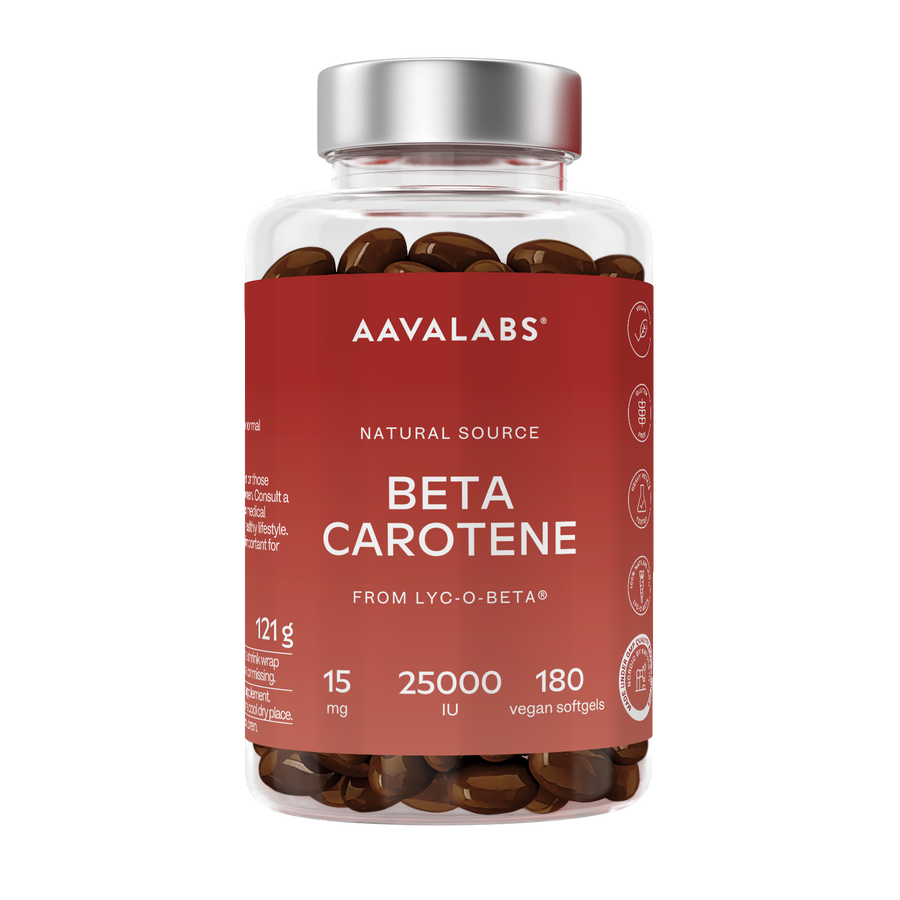
One way the body can obtain vitamin A is from beta-carotene, a carotenoid found naturally in foods such as carrots, sweet potatoes, pumpkin and leafy green vegetables. The body can convert beta-carotene into vitamin A.
Our Beta Carotene provides another way to include this nutrient in your routine.
Vitamin C
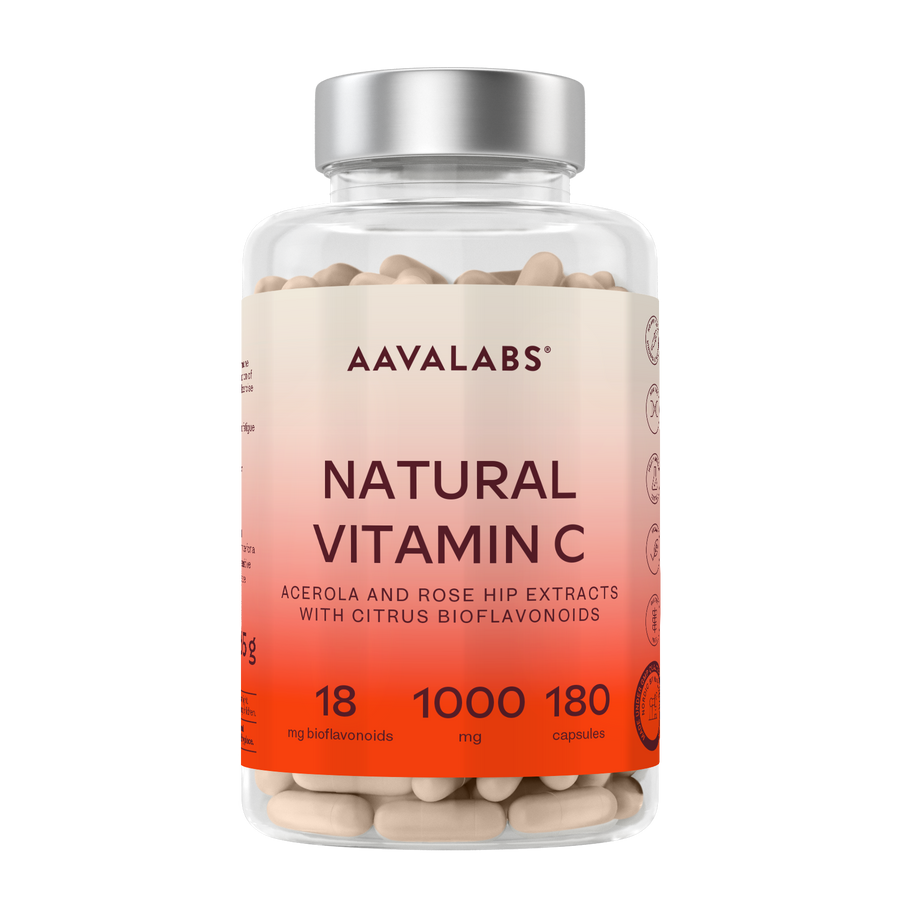
Vitamin C contributes to the protection of cells from oxidative stress.
It also contributes to normal collagen formation for the normal function of blood vessels and to the normal function of the immune system.
Good dietary sources include citrus fruits, berries, peppers, broccoli and other fruits and vegetables.
Vitamin E
Vitamin E contributes to the protection of cells from oxidative stress.
It is a fat-soluble vitamin found naturally in foods including nuts, seeds and vegetable oils. Including these foods as part of a varied diet can help provide vitamin E alongside other valuable nutrients.
B Vitamins
The B-vitamin family performs a wide range of functions throughout the body. Several B vitamins contribute to normal energy-yielding metabolism and the normal functioning of the nervous system.
For example, vitamins B6 and B12 contribute to normal functioning of the nervous system and normal energy-yielding metabolism.
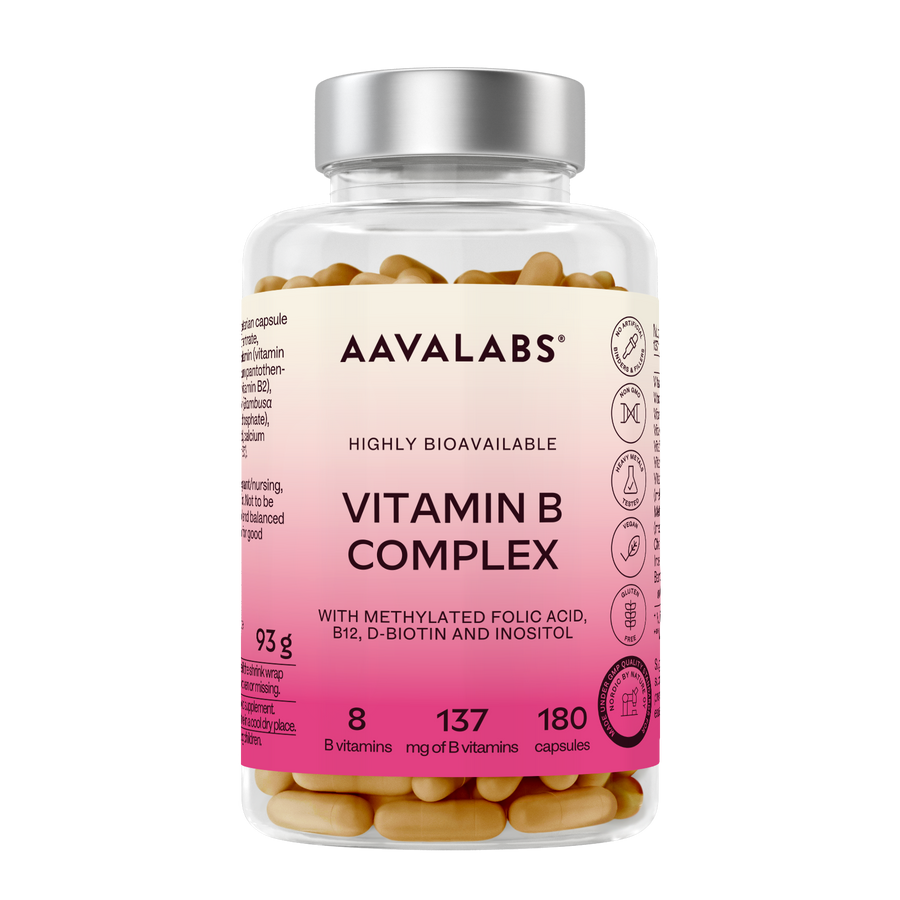
A varied diet can provide B vitamins from foods including whole grains, eggs, dairy products, meat, fish, legumes and leafy vegetables. A Vitamin B Complex can also complement dietary intake where appropriate.
Omega-3 Fatty Acids
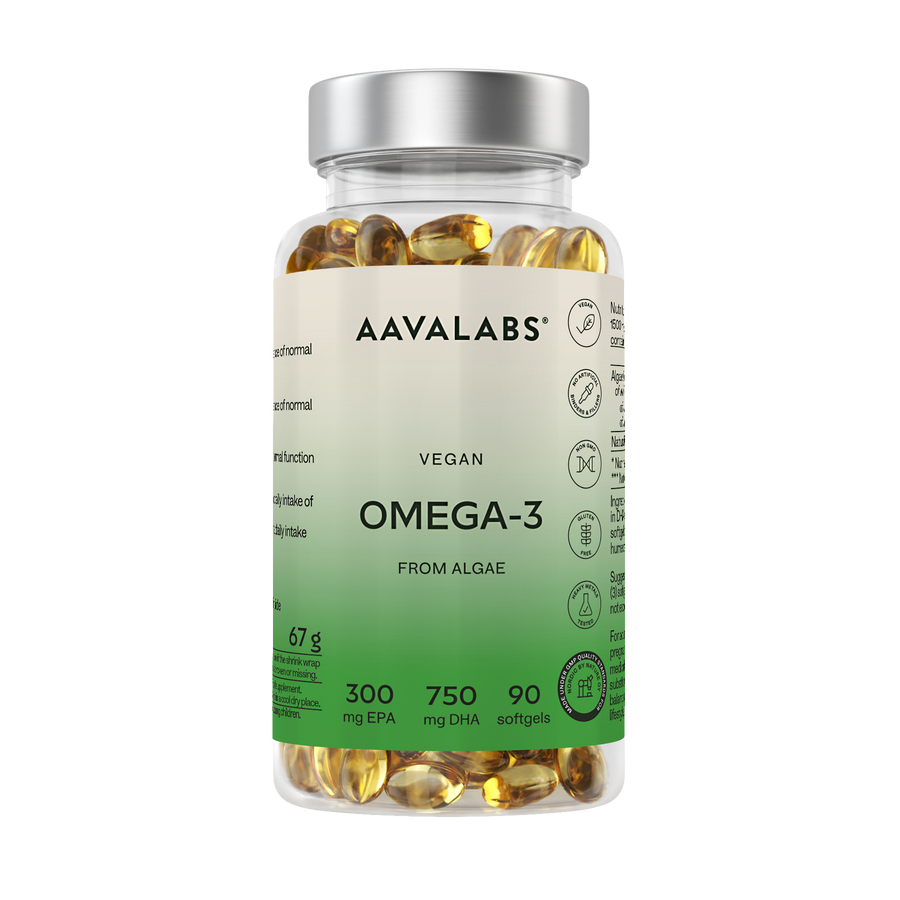
The omega-3 fatty acid DHA contributes to the maintenance of normal vision. The beneficial effect is obtained with a daily intake of 250 mg DHA.
DHA can be obtained from oily fish or through supplements. For those following a plant-based diet, microalgae provide a vegan source of DHA.
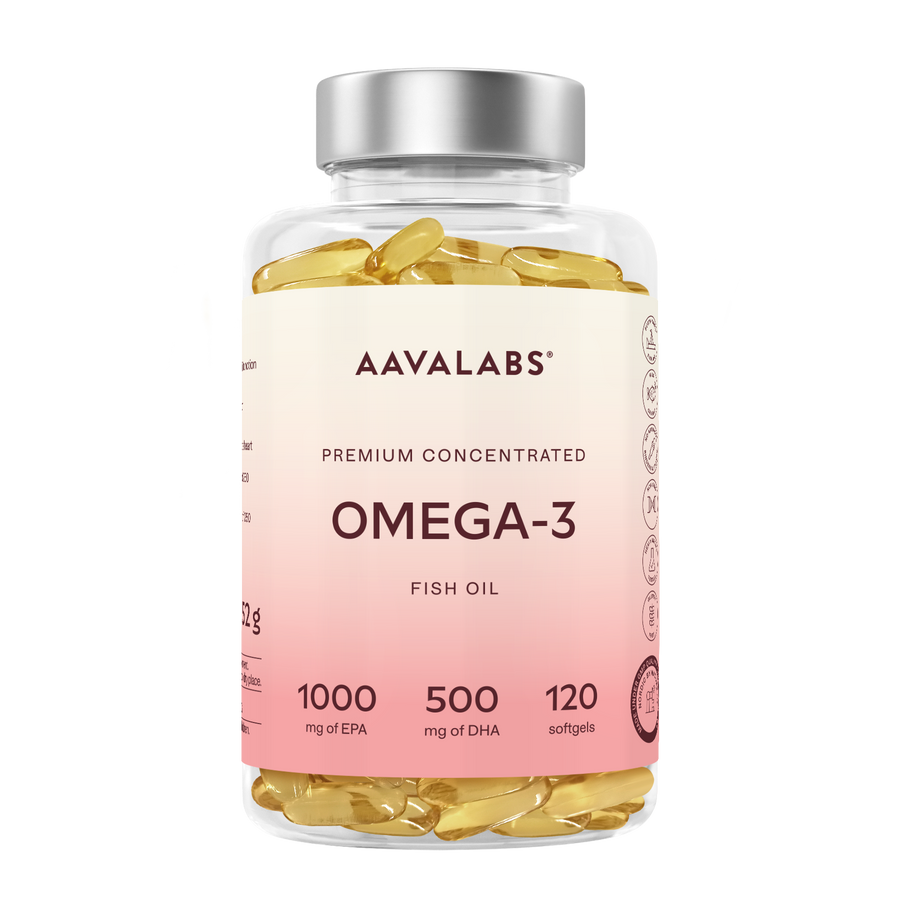
Our Premium Omega-3 Fish Oil and Vegan Omega-3 provide options for different dietary preferences.
Zinc
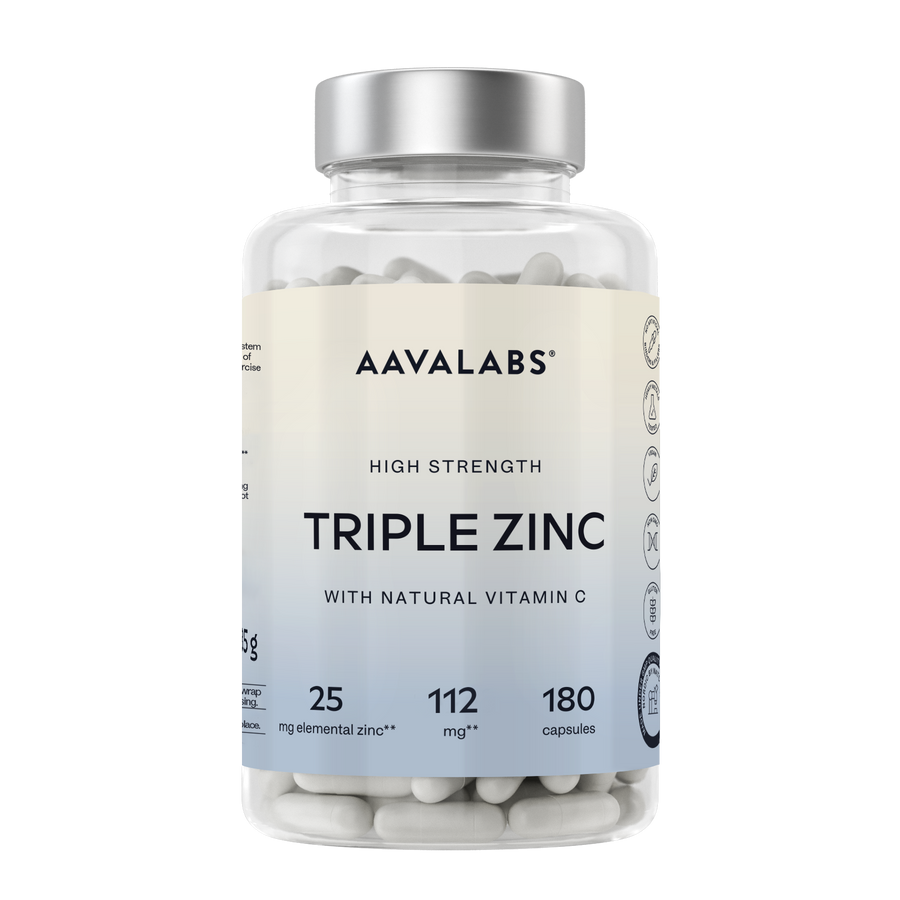
Zinc contributes to normal metabolism of vitamin A and to the protection of cells from oxidative stress.
It also contributes to normal cognitive function, normal fertility and reproduction and the normal function of the immune system.
Dietary sources of zinc include meat, shellfish, dairy products, legumes, nuts and seeds.
What Can Affect Your Vision?
Changes in vision can have many different causes. Difficulty seeing in low light, blurred vision, eye discomfort, dryness or increased sensitivity to light should not automatically be assumed to result from a nutritional deficiency.
Vitamin A deficiency can affect normal vision, but persistent or sudden changes in eyesight should always be assessed by an optometrist, ophthalmologist or other qualified healthcare professional.
Can Nutrition Help Maintain Healthy Vision as You Age?
Nutrition forms part of maintaining overall health throughout life, including the health of the eyes.
Vitamin A contributes to the maintenance of normal vision, while DHA contributes to the maintenance of normal vision when consumed at 250 mg per day. Vitamin C, vitamin E and zinc contribute to the protection of cells from oxidative stress.
These nutrients can be obtained through a varied diet and, where appropriate, supplementation. However, supplements should not be presented as preventing or treating conditions such as cataracts or age-related macular degeneration.
How Can You Support Your Eye Health Every Day?
Nutrition is only one part of looking after your eyes. A few simple everyday habits can also help support long-term eye care.
- Eat a colourful diet: Include plenty of fruits, vegetables, nuts, seeds and other nutrient-rich whole foods.
- Include sources of omega-3: Oily fish and microalgae-derived supplements can provide DHA.
- Protect your eyes outdoors: Wear sunglasses that provide appropriate UV protection.
- Take breaks from screens: Regular breaks can help when spending long periods looking at digital devices.
- Avoid smoking: Smoking is associated with several eye conditions and wider health risks.
- Have regular eye examinations: Eye checks can detect changes that may not initially cause noticeable symptoms.
Healthy Vision Starts with Everyday Care
There is no single food or supplement that can guarantee healthy eyes. Instead, eye health is supported by a combination of good nutrition, appropriate eye protection, healthy lifestyle habits and regular eye examinations.
Vitamin A contributes to the maintenance of normal vision, while DHA contributes to the maintenance of normal vision with a daily intake of 250 mg. Other nutrients, including vitamin C, vitamin E and zinc, contribute to the protection of cells from oxidative stress.
Small, consistent habits can help you take care of your eyes throughout every stage of life.
Frequently Asked Questions
Which Vitamin Is Most Important for Normal Vision?
Vitamin A contributes to the maintenance of normal vision. The body can also produce vitamin A from beta-carotene, which occurs naturally in foods including carrots, sweet potatoes and leafy green vegetables.
Does Omega-3 Support Normal Vision?
Yes. DHA contributes to the maintenance of normal vision. The beneficial effect is obtained with a daily intake of 250 mg DHA.
Does Zinc Support Eye Health?
Zinc contributes to normal metabolism of vitamin A and to the protection of cells from oxidative stress. It does not have an authorised EU health claim specifically stating that zinc improves eyesight or prevents eye disease.
Does Vitamin C Support Eye Health?
Vitamin C contributes to the protection of cells from oxidative stress. However, claims that vitamin C prevents cataracts or other eye diseases should not be made on that basis.
Is Beta-Carotene the Same as Vitamin A?
No. Beta-carotene is a provitamin A carotenoid that the body can convert into vitamin A. Vitamin A contributes to the maintenance of normal vision.
Can Vitamins Prevent the Need for Glasses?
No. Nutrients cannot correct refractive errors such as short-sightedness, long-sightedness or astigmatism. Glasses and contact lenses correct how light is focused in the eye. If your vision changes, an eye examination can help determine the cause.