From vitamin A and zinc to DHA, certain nutrients contribute to the maintenance of normal vision. Discover which foods provide them and simple ways to care for your eyes during bright summer days.
Summer means brighter days, more time outdoors, swimming, travel and often plenty of sunshine. While sunglasses and sensible sun protection help protect your eyes from the outside, good nutrition also provides nutrients involved in maintaining normal vision.
Vitamin A, zinc and DHA are particularly relevant when talking about nutrition and eye health. And the good news is that many of the nutrients your eyes need can be found in everyday foods.
Key Takeaways
- Vitamin A contributes to the maintenance of normal vision.
- Zinc contributes to the maintenance of normal vision and normal vitamin A metabolism.
- DHA contributes to the maintenance of normal vision when the required daily intake is reached.
- Colourful vegetables, leafy greens, eggs, fish, nuts and seeds can all contribute useful nutrients to a varied diet.
- Nutrition complements practical habits such as wearing appropriate sunglasses and taking regular breaks from screens.
Does summer change what your eyes need?
Your nutritional requirements do not suddenly change when summer arrives. However, your everyday environment often does.
You may spend more time in bright sunlight, move between outdoor heat and air conditioned spaces, swim more often or spend long hours looking at screens while travelling or working.
This makes summer a useful reminder to think about everyday eye care. Good nutrition is one part of that picture, alongside appropriate sun protection and regular breaks from prolonged screen use.
Which vitamins and nutrients support normal vision?
Vitamin A
Vitamin A is one of the nutrients most directly connected with vision. It contributes to the maintenance of normal vision and also plays a role in the normal function of the immune system and the maintenance of normal skin and mucous membranes.
Vitamin A can be obtained directly from foods such as eggs, dairy products and liver. The body can also produce vitamin A from certain carotenoids found in plant foods.
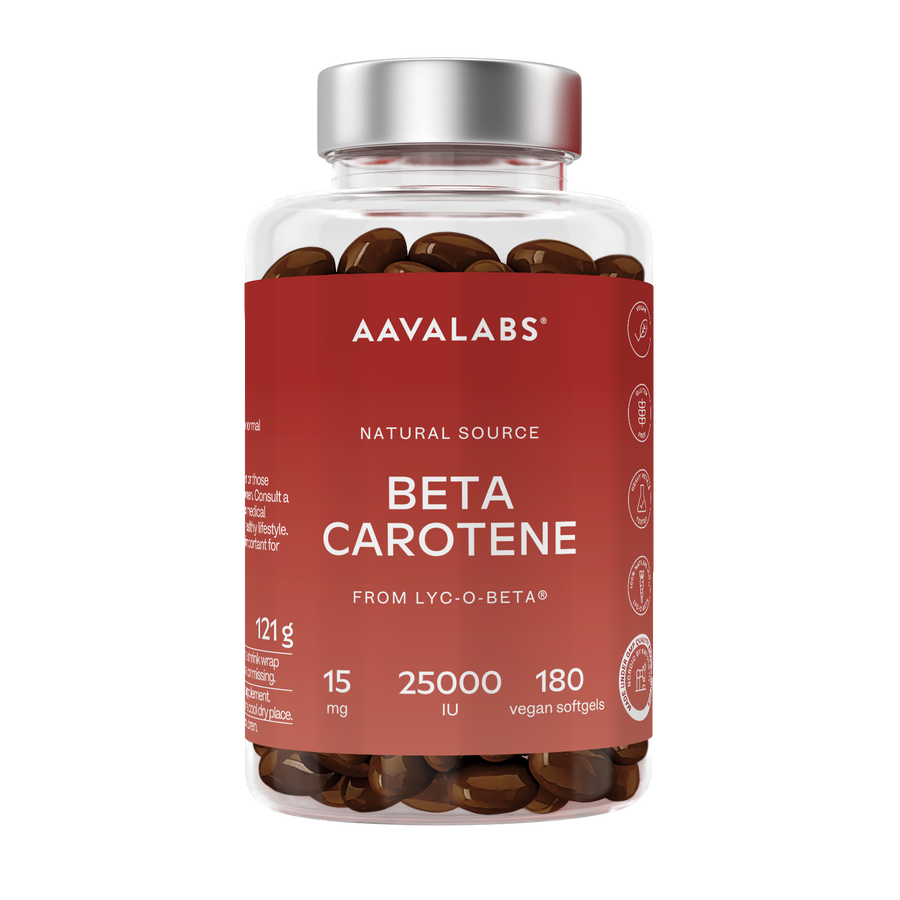
Beta carotene
Beta carotene is a naturally occurring carotenoid and a precursor to vitamin A. This means the body can convert beta carotene into vitamin A.
It is responsible for some of the orange and yellow colours found in fruits and vegetables. Carrots, sweet potatoes, pumpkin and some leafy green vegetables are natural dietary sources.
Rather than thinking of beta carotene as a summer specific nutrient, it can be part of a varied diet throughout the year.
Zinc
Zinc contributes to the maintenance of normal vision. It also contributes to normal vitamin A metabolism and to the protection of cells from oxidative stress.
Dietary sources of zinc include meat, shellfish, dairy products, eggs, legumes, nuts and seeds.
Because zinc is involved in many different processes in the body, getting enough through a varied diet is important for much more than vision alone.
DHA
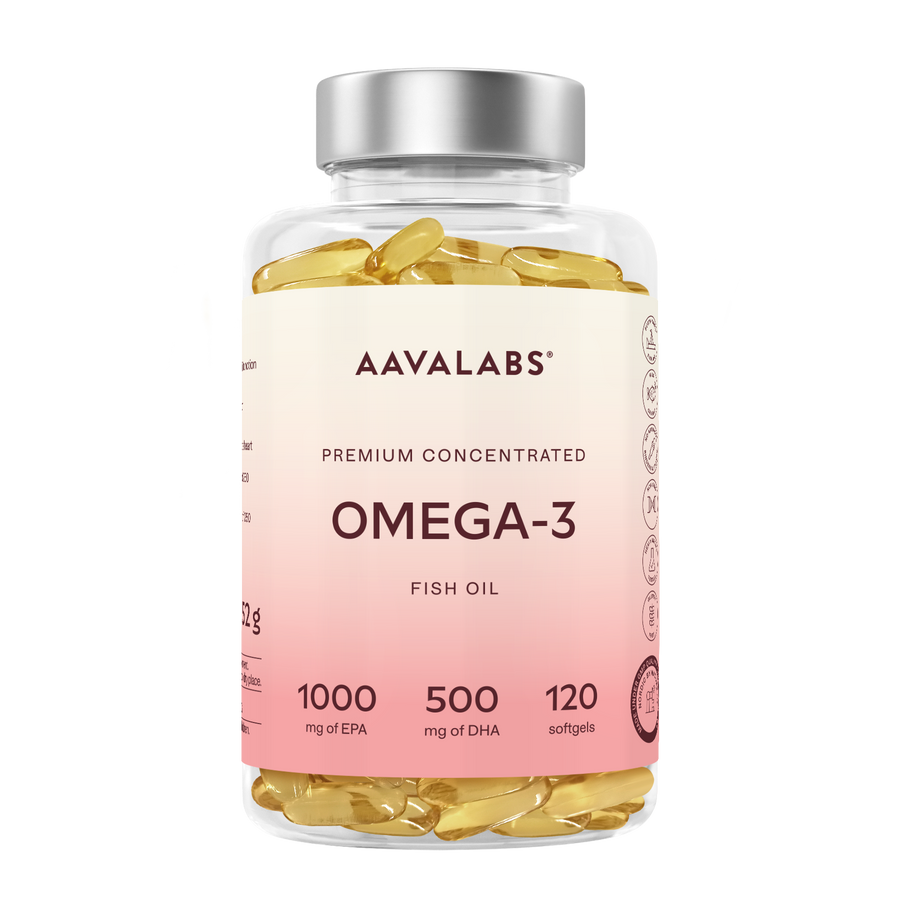
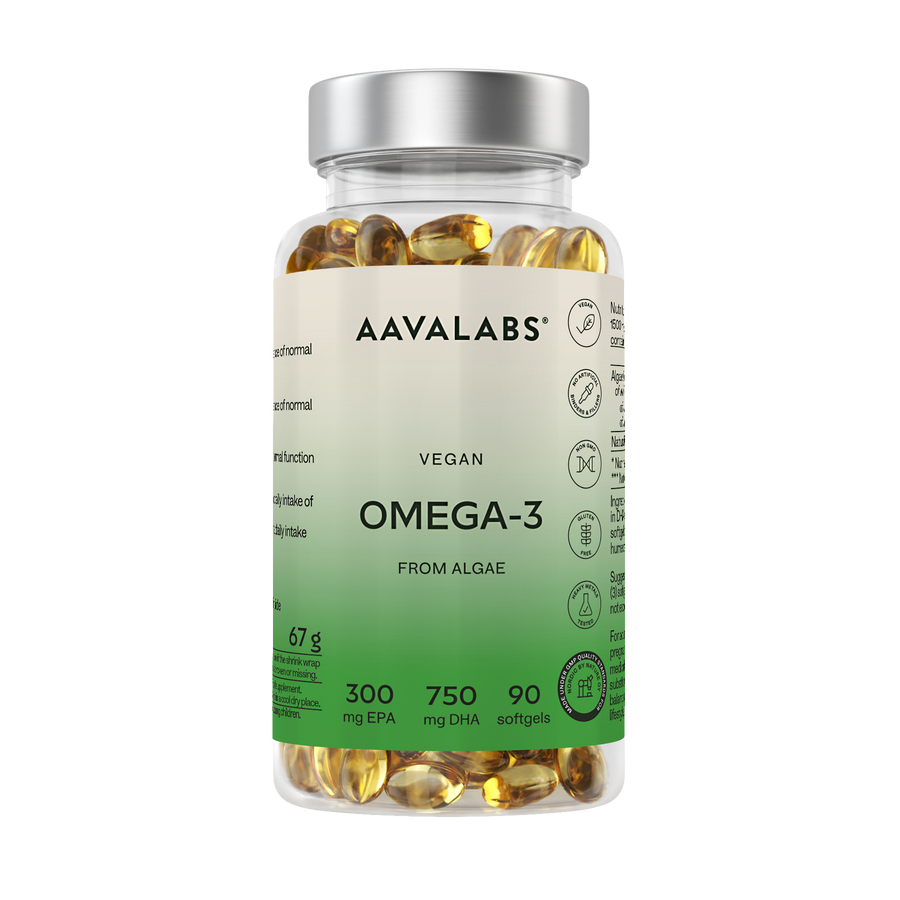
DHA is an omega 3 fatty acid and a structural component of the retina.
DHA contributes to the maintenance of normal vision. The beneficial effect is obtained with a daily intake of 250 mg of DHA.
Fatty fish are among the best known dietary sources of DHA. For people who do not eat fish, DHA can also be obtained directly from certain microalgae.
Our Premium Omega 3 Fish Oil and Vegan Omega 3 from Algae both provide DHA as part of their omega 3 profiles.
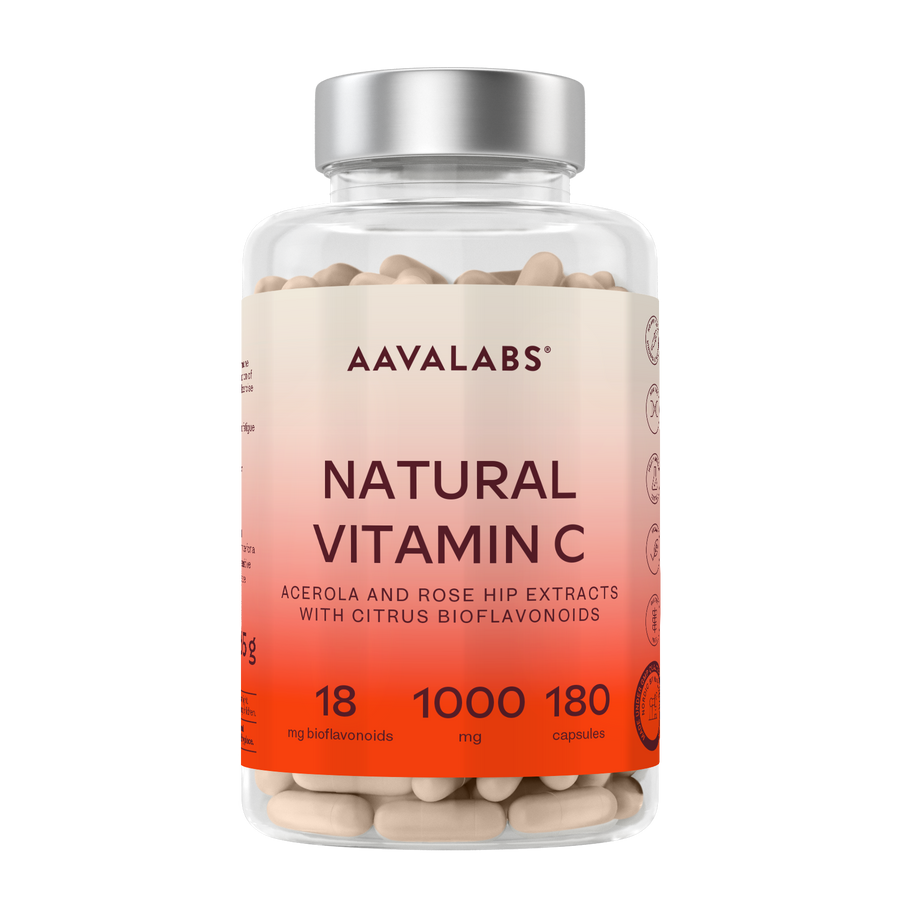
Vitamin C
Vitamin C contributes to the protection of cells from oxidative stress. It also contributes to normal collagen formation for the normal function of blood vessels.
Vitamin C is widely available in fruits and vegetables, including citrus fruits, berries, peppers, broccoli and kiwi.
It is an important nutrient for overall health, although it should not be considered a replacement for physical eye protection from sunlight.
Vitamin E
Vitamin E contributes to the protection of cells from oxidative stress. Dietary sources include nuts, seeds and vegetable oils.
Like vitamin C, vitamin E has important functions in the body, but nutrition and sunglasses serve very different purposes. Vitamins cannot replace appropriate protection from ultraviolet radiation.
What about lutein and zeaxanthin?
Lutein and zeaxanthin are carotenoids naturally present in the retina and are commonly discussed in relation to eye nutrition.
They can be found naturally in foods including kale, spinach and other leafy green vegetables, as well as egg yolks and some colourful vegetables.
Including a wide variety of colourful plant foods in your diet is a simple way to obtain different carotenoids and other nutrients.
What foods provide nutrients for normal vision?
You do not need to build your entire diet around one particular nutrient. A varied plate naturally brings several useful nutrients together.
For example, leafy green vegetables provide carotenoids, while carrots and sweet potatoes provide beta carotene. Eggs provide vitamin A and other nutrients. Nuts and seeds can provide vitamin E and zinc, while fatty fish provide DHA.
Looking at your diet as a whole is usually more useful than focusing on a single so called superfood.
What are some practical ways to care for your eyes in summer?
Wear appropriate sunglasses
Choose sunglasses that provide appropriate ultraviolet protection and wear them when spending time in bright sunlight. A hat with a brim can provide additional shade.
Give your eyes regular screen breaks
Long periods of close screen use can leave your eyes feeling tired. Looking away from the screen regularly gives your eyes a change in focusing distance and also gives you a reason to move for a moment.
Remember to blink
People often blink less frequently when concentrating on screens. Making a conscious effort to blink normally can be helpful if your eyes feel uncomfortable during long periods of computer work.
Eat a colourful diet
Vegetables, fruits, nuts, seeds, eggs and fish provide a broad variety of vitamins, minerals, fatty acids and carotenoids. Rather than looking for one perfect food for your eyes, aim for variety.
Use supplements to complement your diet when appropriate
Supplements can provide specific nutrients when they are difficult to obtain consistently through your normal diet. They should complement rather than replace a varied and balanced diet and healthy lifestyle.
Can supplements replace sunglasses?
No. Nutrition and sun protection have completely different roles.
Nutrients such as vitamin A, zinc and DHA contribute to normal physiological functions, including normal vision. Sunglasses, meanwhile, provide physical protection for your eyes from ultraviolet radiation.
A good eye care routine therefore starts with sensible protection outside and a varied, nutrient rich diet as part of everyday life.
Frequently Asked Questions
Which vitamin contributes to normal vision?
Vitamin A contributes to the maintenance of normal vision. The body can obtain vitamin A directly from certain foods or produce it from provitamin A carotenoids such as beta carotene.
Does zinc support normal vision?
Yes. Zinc contributes to the maintenance of normal vision. It also contributes to normal vitamin A metabolism and to the protection of cells from oxidative stress.
Does omega 3 support normal vision?
DHA, one of the main long chain omega 3 fatty acids, contributes to the maintenance of normal vision. The beneficial effect is obtained with a daily intake of 250 mg of DHA.
What is the difference between vitamin A and beta carotene?
Vitamin A is an essential nutrient with several functions in the body, including contributing to the maintenance of normal vision. Beta carotene is a carotenoid that the body can convert into vitamin A. It occurs naturally in foods including carrots, sweet potatoes and leafy green vegetables.
Which foods contain nutrients that support normal vision?
Foods containing relevant nutrients include carrots and sweet potatoes for beta carotene, eggs and dairy products for vitamin A, meat, shellfish, nuts and seeds for zinc, and fatty fish for DHA. Eating a varied diet helps provide a broader combination of nutrients.
Are lutein and zeaxanthin good for your eyes?
Lutein and zeaxanthin are carotenoids naturally present in the retina and are widely studied in the field of eye nutrition. They are naturally found in foods including kale, spinach, egg yolks and other colourful vegetables. They do not currently have authorised EU health claims for the maintenance of normal vision.
Can supplements protect your eyes from the sun?
Supplements should not be used as a replacement for sunglasses or other forms of sun protection. Nutrients and physical ultraviolet protection serve different purposes. When spending time outdoors in bright sunlight, appropriate sunglasses remain an important part of caring for your eyes.
Support your vision from the inside and outside
Taking care of your eyes does not require a complicated summer routine. Protect them from bright sunlight, take breaks when spending long periods in front of screens and fill your plate with a variety of colourful, nutrient rich foods.
Vitamin A, zinc and DHA all have recognised roles in maintaining normal vision. Combined with sensible everyday habits, good nutrition can be one part of looking after your eyes throughout summer and the rest of the year.