Muscle recovery depends on more than protein and rest. Discover how magnesium, potassium, calcium, vitamin D, vitamin C and B vitamins contribute to normal muscle function, energy metabolism and recovery after exercise.
Recovery is an essential part of every training routine. After exercise, your body needs to restore energy, maintain normal muscle function and prepare for the next session. Protein and carbohydrates often receive most of the attention, but vitamins and minerals are part of the picture too.
Magnesium, potassium and calcium contribute to normal muscle function, while B vitamins support normal energy metabolism. Vitamin C contributes to normal collagen formation, and vitamin D contributes to the maintenance of normal muscle function.
Understanding what these nutrients actually do can help you build a more complete approach to recovery.
What Happens to Your Muscles After Exercise?
Exercise challenges your muscles and temporarily changes the body's energy, fluid and nutrient balance. The recovery period allows the body to adapt to that training stimulus.
Depending on the type and intensity of exercise, recovery involves replenishing energy stores, replacing fluids and electrolytes, supporting normal muscle function and providing the nutrients required for normal physiological processes.
This is why recovery nutrition is about more than simply eating protein after a workout. Macronutrients, micronutrients, hydration and rest all contribute in different ways.
Why Are Vitamins and Minerals Important for Muscle Recovery?
Vitamins and minerals do not provide calories or directly build muscle tissue. Instead, many act as essential components of processes involved in energy metabolism, muscle function and protein metabolism.
Exercise can also increase the importance of certain nutrients. Sweating, for example, results in losses of water and electrolytes, while active muscles rely on a continuous supply of nutrients to function normally.
A varied diet is therefore an important foundation for anyone with an active lifestyle.
How Does Magnesium Support Muscle Function?
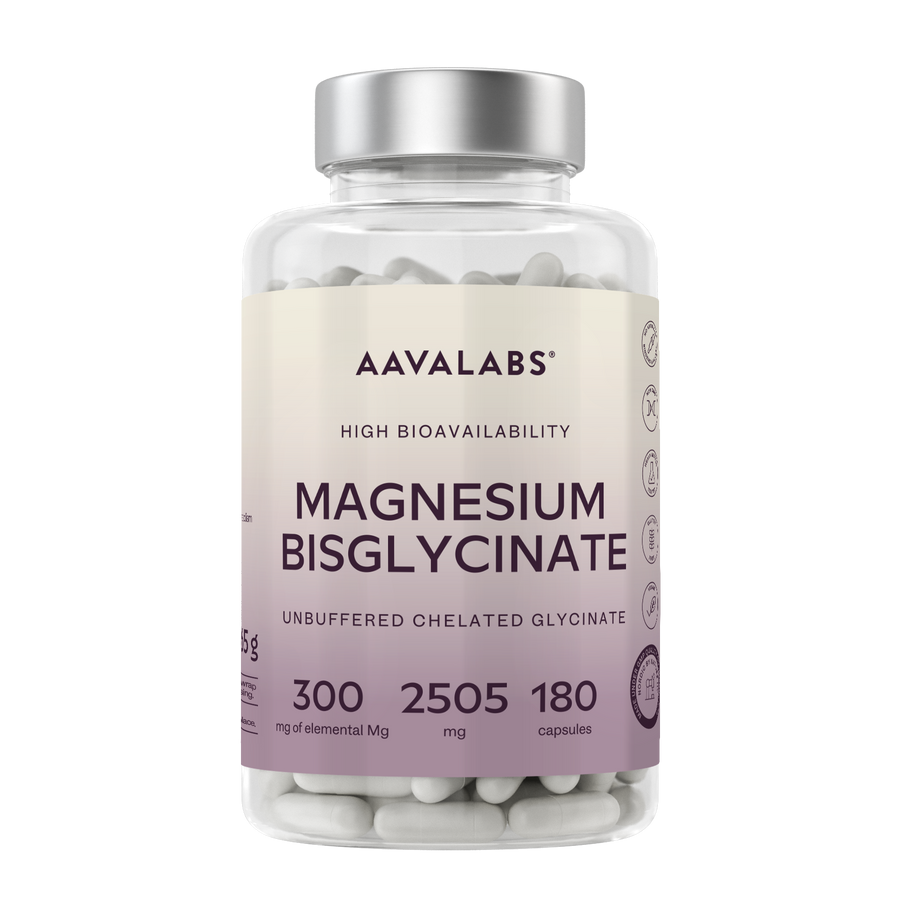
Magnesium is one of the minerals most closely associated with muscle function.
It contributes to normal muscle function, normal energy-yielding metabolism, normal functioning of the nervous system and electrolyte balance. It also contributes to a reduction of tiredness and fatigue.
These functions make magnesium particularly relevant to people with active lifestyles.
Magnesium is found naturally in foods including nuts, seeds, whole grains, legumes and leafy green vegetables. Supplements can provide another source when dietary intake is insufficient.
What Role Does Potassium Play in Your Muscles?
Potassium is an electrolyte and contributes to normal muscle function and normal functioning of the nervous system.
Electrolytes are minerals that carry an electrical charge when dissolved in body fluids. They are involved in processes including nerve signalling and muscle function.
Potassium is found in many everyday foods, including potatoes, bananas, beans, avocados and leafy vegetables.
After exercise involving significant sweating, restoring fluids and maintaining an appropriate electrolyte intake becomes particularly relevant.
Why Do Muscles Need Calcium?
Calcium is widely known for its role in maintaining normal bones, but it also contributes to normal muscle function.
Muscle contraction depends on carefully controlled movements of calcium ions within muscle cells. When the nervous system signals a muscle to contract, calcium participates in the process that allows the muscle fibres to generate force.
Calcium also contributes to normal energy-yielding metabolism and normal neurotransmission.
Good dietary sources include dairy products, fortified plant-based alternatives, certain leafy vegetables and some nuts and seeds.
How Does Vitamin D Support Your Muscles?
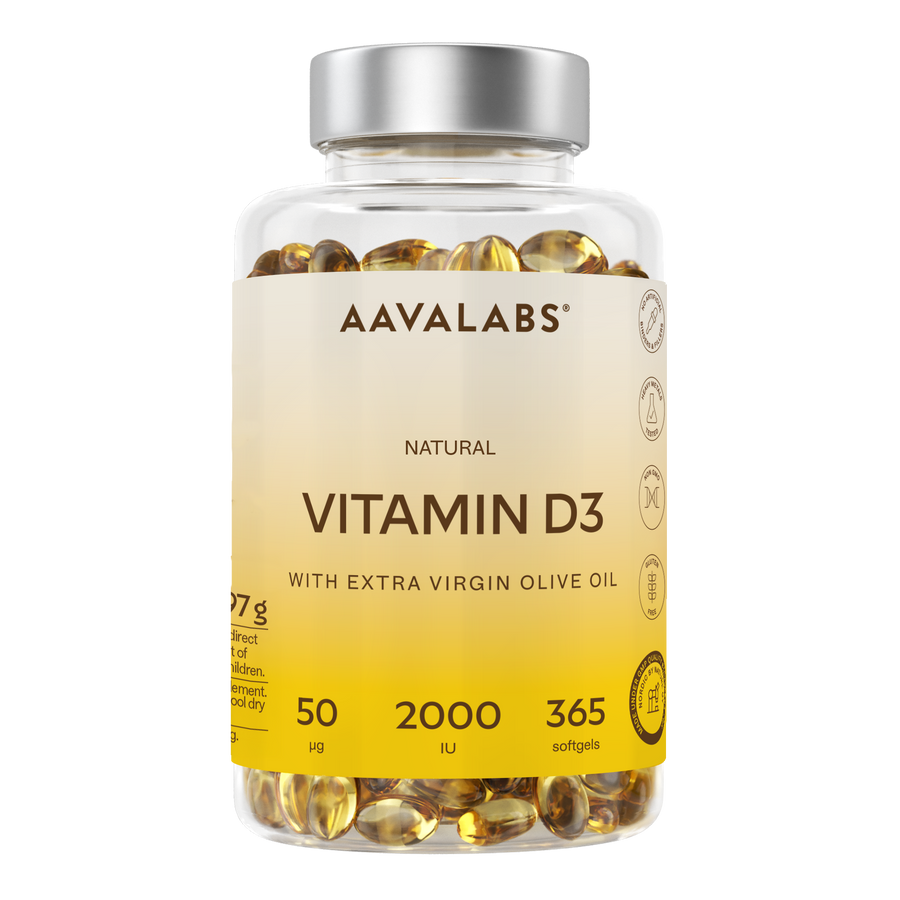
Vitamin D contributes to the maintenance of normal muscle function and to normal absorption and utilisation of calcium and phosphorus.
This creates an important nutritional connection between vitamin D and calcium.
The body can produce vitamin D when the skin is exposed to sufficient sunlight. Dietary sources include fatty fish, egg yolks and fortified foods.
During periods of limited sun exposure, dietary intake becomes particularly relevant. A vitamin D supplement can provide an additional source where needed.
Why Is Vitamin C Relevant After Exercise?
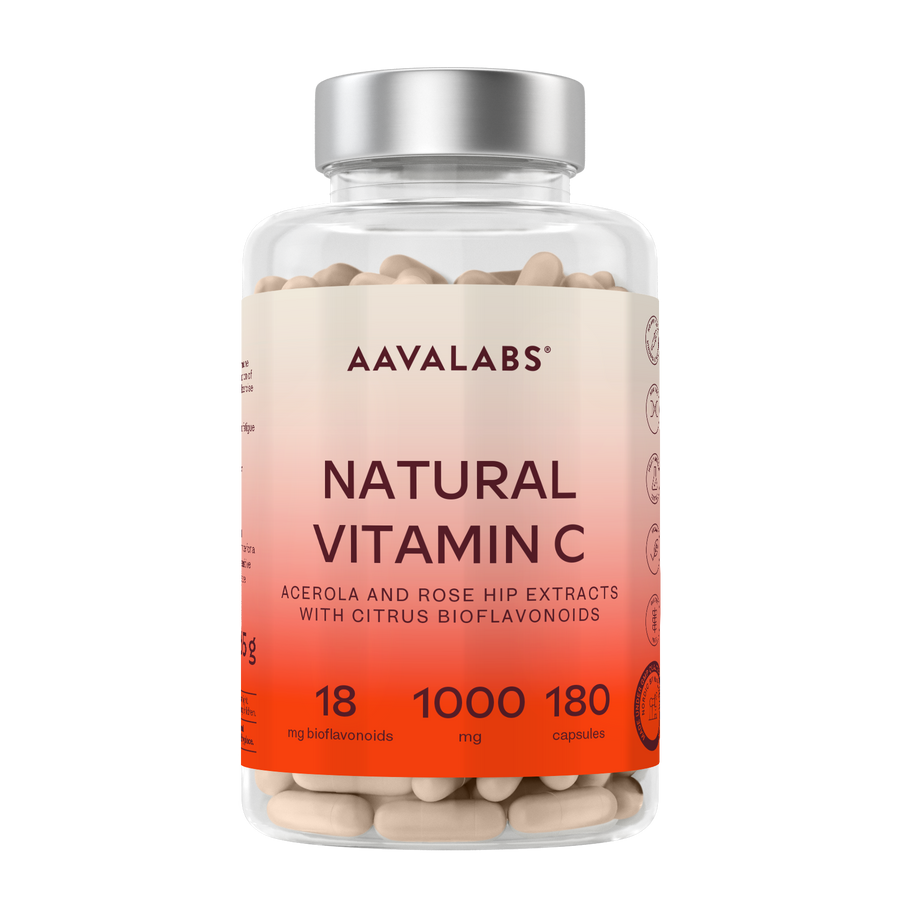
Vitamin C contributes to the protection of cells from oxidative stress and to normal energy-yielding metabolism.
It also contributes to normal collagen formation for the normal function of cartilage and bones.
Collagen is a structural protein found throughout connective tissues, which makes adequate vitamin C intake relevant to an active lifestyle beyond muscle tissue alone.
Vitamin C is naturally abundant in foods such as citrus fruits, berries, peppers, broccoli and other fruits and vegetables.
How Do B Vitamins Support Energy Metabolism?
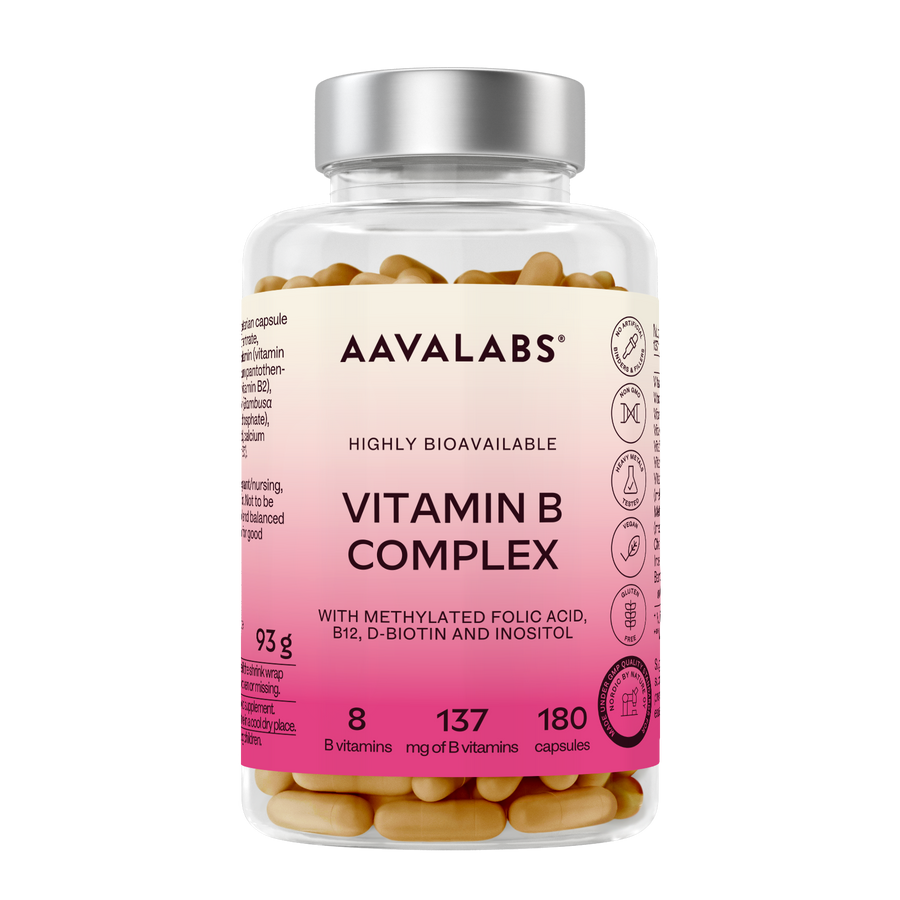
The B vitamin family includes eight different vitamins, several of which contribute to processes particularly relevant to active people.
B vitamins such as thiamine, riboflavin, niacin, vitamin B6, biotin and vitamin B12 contribute to normal energy-yielding metabolism.
Vitamin B6 also contributes to normal protein and glycogen metabolism, while vitamins B6 and B12 contribute to the reduction of tiredness and fatigue.
Rather than providing energy themselves, B vitamins help the body carry out the metabolic processes through which nutrients from food are used.
What Are Electrolytes and Why Do They Matter After Exercise?
Electrolytes are minerals with an electrical charge when dissolved in body fluids. They include sodium, potassium, magnesium, calcium and chloride.
During exercise, particularly long or intense sessions or training in hot conditions, the body loses water and electrolytes through sweat.
The amount lost varies considerably depending on exercise duration, intensity, temperature and individual sweat rate.
For shorter everyday workouts, water and a balanced diet may be sufficient. Longer endurance sessions or heavy sweating can make electrolyte replacement more relevant.
Do You Need Supplements for Muscle Recovery?
Not necessarily. A balanced diet can provide many of the vitamins and minerals needed for normal muscle function and energy metabolism.
Whole foods also provide protein, carbohydrates, fats, fibre and numerous micronutrients together, making diet the foundation of recovery nutrition.
Supplementation can be useful when dietary intake is insufficient, individual requirements are higher or obtaining a particular nutrient consistently through food is difficult.
The goal is not to take as many recovery supplements as possible. It is to identify nutritional gaps and address them appropriately.
What Else Does Your Body Need to Recover After Exercise?
Micronutrients are only one part of recovery. Several other factors have an even more direct role in helping the body prepare for the next training session.
Protein
Protein provides amino acids that contribute to the growth and maintenance of muscle mass. Including adequate protein throughout the day is therefore an important part of recovery nutrition.
Carbohydrates
Carbohydrates provide an important source of energy during exercise. After demanding or prolonged activity, carbohydrate-containing foods can help restore the body's carbohydrate stores.
Hydration
Exercise increases fluid losses through sweat. Replacing lost fluids is particularly important after longer sessions, hot-weather training and activities that cause heavy sweating.
Sleep
Nutrition cannot compensate for consistently inadequate sleep. Rest provides the body with time to recover between training sessions, making sleep an essential part of any sustainable exercise routine.
How Can You Build a Better Post-Workout Routine?
A good recovery routine does not need to be complicated.
Start by replacing the fluids lost during training and eating a balanced meal containing protein and carbohydrates. Include a variety of whole foods to provide vitamins and minerals, and pay particular attention to hydration and electrolytes after long or sweaty sessions.
Then give your body enough time to recover before placing the same muscles under significant training stress again.
Supplements such as Magnesium Bisglycinate, Vitamin D3 or a Vitamin B Complex can complement your diet where additional nutritional support is appropriate.
Recovery Is Part of Training
Training provides the stimulus, but progress also depends on what happens between sessions.
Magnesium, potassium and calcium contribute to normal muscle function. Vitamin D contributes to the maintenance of normal muscle function. Several B vitamins support normal energy-yielding metabolism, while vitamin C contributes to normal collagen formation.
Combined with sufficient protein, carbohydrates, hydration and sleep, these nutrients form part of a balanced approach to staying active and supporting your body between workouts.
Frequently Asked Questions
Which vitamins and minerals are important for muscle recovery?
Several micronutrients are relevant to an active lifestyle. Magnesium, potassium and calcium contribute to normal muscle function. Vitamin D contributes to the maintenance of normal muscle function, several B vitamins contribute to normal energy-yielding metabolism and vitamin C contributes to normal collagen formation.
Does magnesium help with muscle recovery?
Magnesium contributes to normal muscle function, electrolyte balance and normal energy-yielding metabolism. It also contributes to a reduction of tiredness and fatigue, making adequate magnesium intake relevant for physically active people.
Which electrolytes are important after exercise?
Electrolytes include sodium, potassium, magnesium, calcium and chloride. They perform different functions in the body, including roles in fluid balance, nerve signalling and muscle function. How much needs to be replaced after exercise depends on factors such as duration, intensity, temperature and sweat rate.
Does vitamin D support muscle function?
Yes. Vitamin D contributes to the maintenance of normal muscle function. It also contributes to normal calcium absorption and utilisation.
What should you eat after training?
A balanced post-workout meal can include a source of protein, carbohydrates, fluids and micronutrient-rich whole foods. The exact amount needed depends on the type and duration of exercise as well as your overall training and nutrition goals.
Do you need supplements after every workout?
No. Supplements are not required after every workout. A varied diet can provide many of the nutrients involved in normal muscle function and energy metabolism. Supplements can complement the diet when a specific nutrient is difficult to obtain in sufficient amounts or when additional intake is appropriate.
Is protein or magnesium more important for recovery?
They have different roles and should not be viewed as alternatives. Protein contributes to the growth and maintenance of muscle mass, while magnesium contributes to normal muscle function, electrolyte balance and normal energy-yielding metabolism.