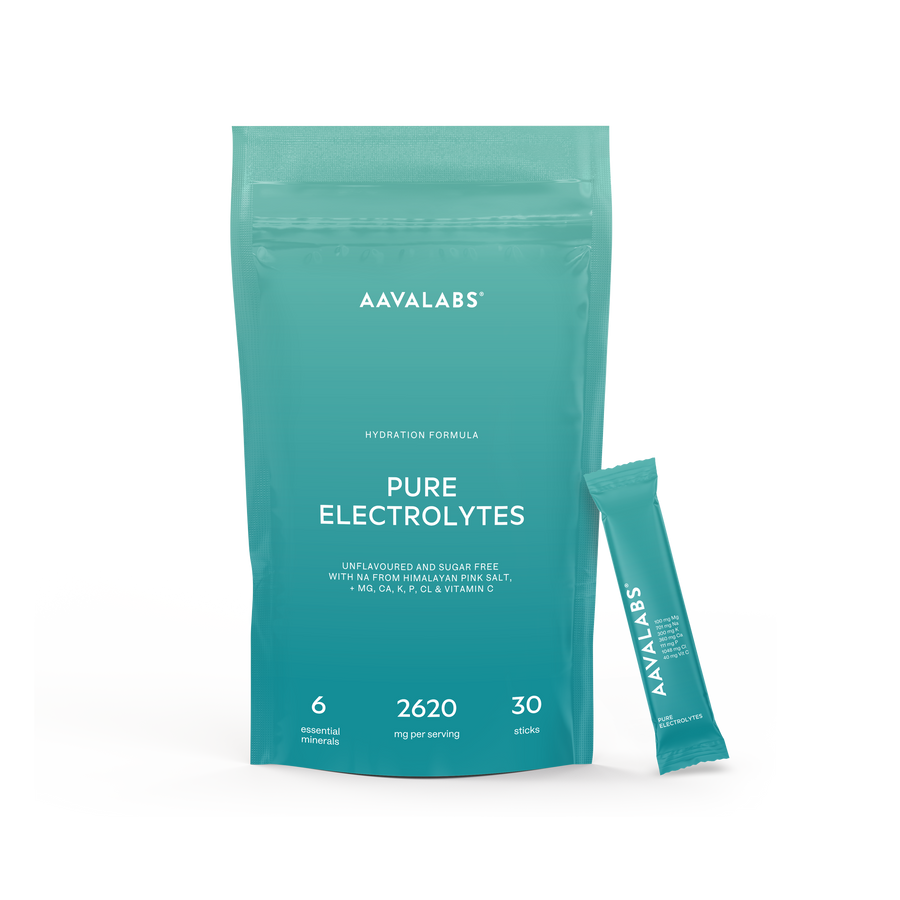
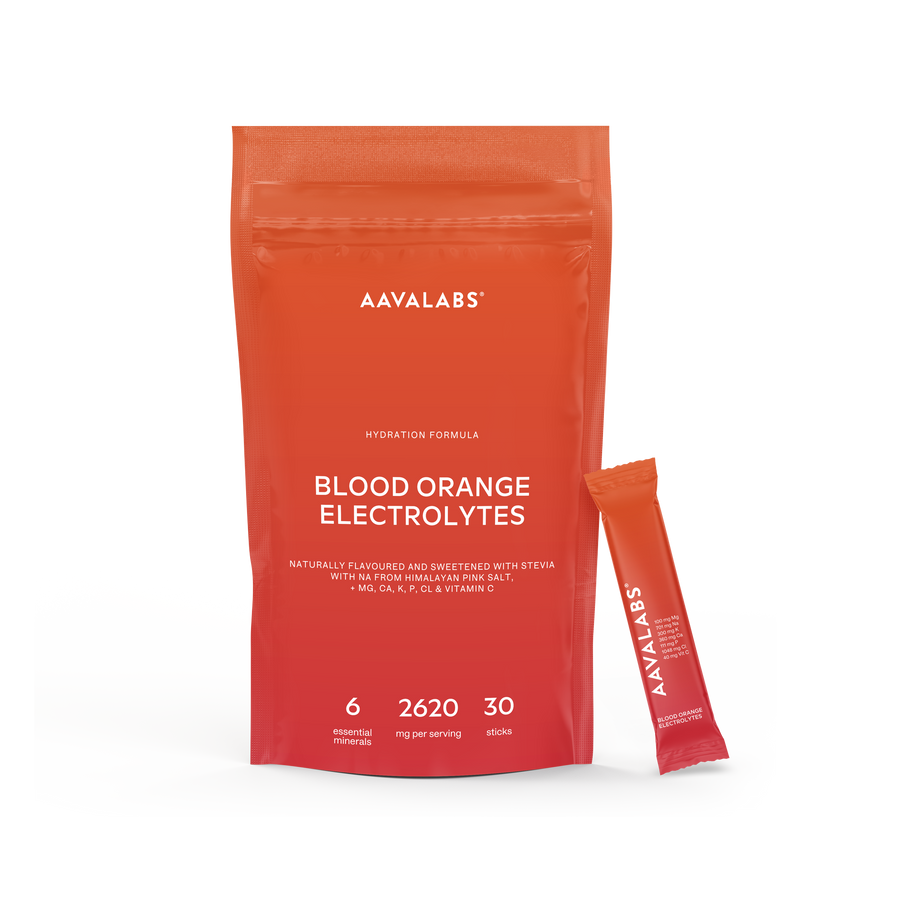
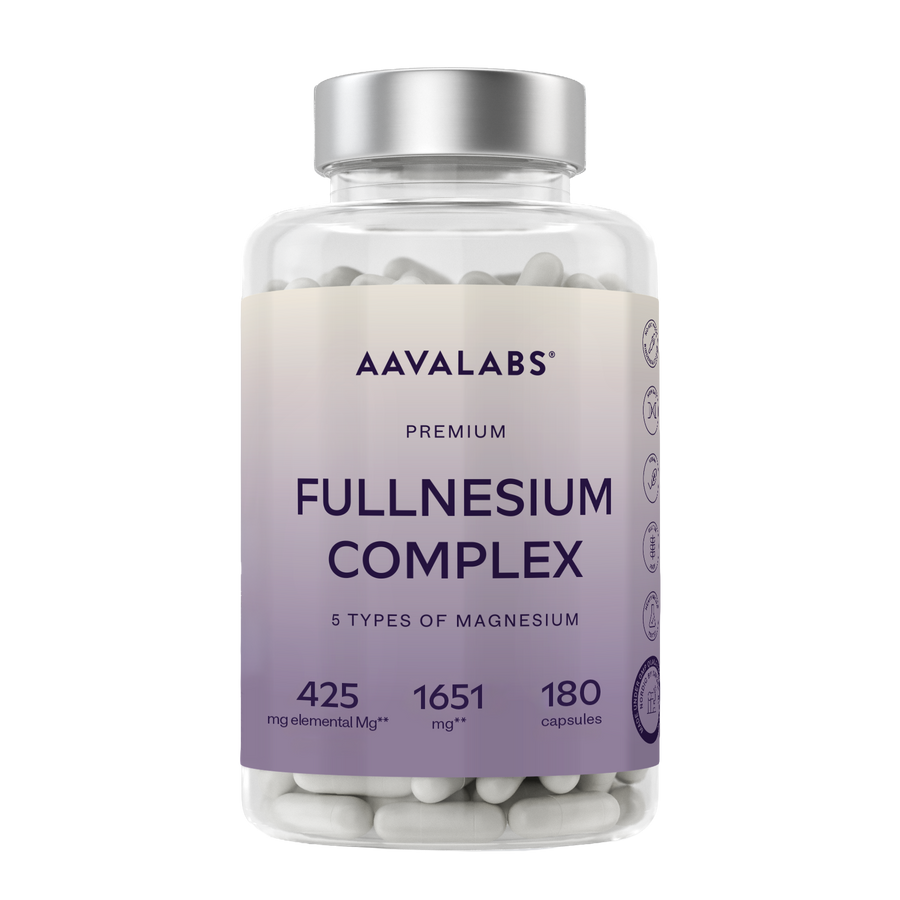
You've probably heard about electrolytes in connection with exercise, hydration or sports drinks. But what exactly are electrolytes, and when do they become particularly important?
Electrolytes are minerals that carry an electrical charge when dissolved in fluids. They are involved in important processes throughout the body, including fluid balance, muscle function and the normal functioning of the nervous system.
In this guide, we explain what electrolytes are, how you lose them and when paying extra attention to your electrolyte intake may be useful.
You've probably heard about electrolytes in connection with exercise, hydration or sports drinks. But what exactly are electrolytes, and when do they become particularly important?
Electrolytes are minerals that carry an electrical charge when dissolved in fluids. They are involved in important processes throughout the body, including fluid balance, muscle function and the normal functioning of the nervous system.
In this guide, we explain what electrolytes are, which minerals count as electrolytes, how you lose them and when paying extra attention to your electrolyte intake may be useful.
What Are Electrolytes?
Electrolytes are minerals that carry an electrical charge when dissolved in body fluids such as blood.
They are found both inside and outside your cells and help support many of the processes your body performs every day.
Some of the main electrolytes in the human body include:
- Sodium
- Potassium
- Magnesium
- Calcium
- Chloride
- Phosphate
Your body carefully regulates the concentration of these minerals and the amount of water it retains or excretes.
What Do Electrolytes Do in the Body?
Different electrolytes have different functions, but together they are involved in processes such as fluid balance, nerve signalling and muscle function.
Magnesium
Magnesium contributes to electrolyte balance, normal muscle function and the normal functioning of the nervous system.
It also contributes to normal energy-yielding metabolism and the reduction of tiredness and fatigue.
Potassium
Potassium contributes to normal muscle function and the normal functioning of the nervous system.
It also contributes to the maintenance of normal blood pressure.
Calcium
Calcium contributes to normal muscle function and normal energy-yielding metabolism.
It is also needed for the maintenance of normal bones and teeth.
Chloride
Chloride is another important electrolyte and is commonly consumed together with sodium as salt.
Chloride contributes to normal digestion through the production of hydrochloric acid in the stomach.
Phosphorus
Phosphorus contributes to normal energy-yielding metabolism and the normal function of cell membranes.
It also contributes to the maintenance of normal bones and teeth.
Why Are Electrolytes Important for Hydration?
Hydration is about more than simply drinking water. Your body continuously manages both fluids and dissolved minerals.
Throughout the day, you naturally lose water and electrolytes through processes such as urination and sweating.
When you sweat, you lose both fluid and electrolytes, particularly sodium. How much you lose varies considerably depending on factors such as exercise intensity, duration, temperature and your individual sweat rate.
Do You Need Electrolytes When You Exercise?
Not every workout requires an electrolyte drink.
For many everyday activities and shorter workouts, staying hydrated and eating a varied, balanced diet may be enough to support your normal electrolyte intake.
Electrolyte intake can become more relevant when fluid and mineral losses are higher, for example:
- During long or intense training sessions
- When exercising in hot conditions
- When you sweat heavily
- During endurance activities
- When exercising for extended periods
Your individual needs depend on how much you exercise, how much you sweat and the conditions you train in.
Which Foods Contain Electrolytes?
Electrolytes occur naturally in many everyday foods, so a varied diet can provide several of these important minerals.
Examples include:
- Potassium: potatoes, bananas, beans, spinach and avocado
- Magnesium: nuts, seeds, whole grains, legumes and leafy green vegetables
- Calcium: dairy products, fortified alternatives and certain green vegetables
- Sodium and chloride: commonly consumed together as salt
- Phosphorus: dairy products, meat, fish, legumes, nuts and seeds
A balanced diet therefore plays an important role in maintaining an adequate intake of electrolytes.
What Can Cause an Electrolyte Imbalance?
An electrolyte imbalance occurs when the levels of one or more electrolytes in the body become too high or too low.
This can happen for different reasons. Significant fluid loss through heavy sweating, vomiting or diarrhoea, for example, can affect both hydration and electrolyte levels.
Certain medical conditions and medications can also affect electrolyte balance.
Electrolyte imbalances can vary greatly in severity and should not be self-diagnosed based on symptoms alone. If you experience persistent or severe symptoms, seek advice from a healthcare professional.
What Are the Signs of an Electrolyte Imbalance?
Symptoms depend on which electrolyte is affected and how significant the imbalance is.
Possible signs can include:
- Muscle weakness or cramps
- Fatigue
- Headaches
- Nausea
- Changes in heart rhythm
- Confusion in more serious cases
These symptoms can have many different causes, so experiencing one of them does not necessarily mean that you have an electrolyte imbalance.
Are Electrolyte Drinks Necessary?
Electrolyte drinks can provide both fluids and minerals in a convenient format, but they are not necessary for everyone or for every workout.
Think about the context: the duration and intensity of your activity, the temperature, how much you sweat and what you eat and drink throughout the rest of the day.
For someone completing a long endurance session in warm weather, electrolyte intake may play a different role than it does for someone taking a short walk or completing a light gym session.
Find Your Hydration Balance
Electrolytes are an essential part of the body's everyday functioning. Minerals such as magnesium, potassium and calcium contribute to normal processes including muscle function and the functioning of the nervous system, while magnesium also contributes to electrolyte balance.
The key is not to consume as many electrolytes as possible, but to support your individual needs through adequate hydration, a balanced diet and thoughtful supplementation when appropriate.
Whether you're training hard, spending a hot day outdoors or simply taking care of your everyday wellbeing, understanding electrolytes can help you make more informed choices about hydration.