Discover 8 simple daily habits that can help reduce chronic inflammation, from balanced meals and better gut health to walking after meals, quality sleep and stress management. Small, consistent changes can support your long-term health and wellbeing.
Small daily habits can make a meaningful difference to chronic inflammation over time. Supporting stable blood sugar, gut health, regular movement, quality sleep and stress management can all contribute to a healthier inflammatory balance. The good news is that you do not need an extreme wellness routine. Small, consistent changes are often the most sustainable place to start.
Chronic low-grade inflammation refers to a persistent, low-level activation of the immune system that, unlike acute inflammation, does not resolve quickly. It can be influenced by factors including diet, stress, sleep, physical activity and metabolic health.
1. Keep Your Blood Sugar More Stable
Blood sugar regulation and inflammation are closely connected. Large and frequent fluctuations in glucose can contribute to oxidative stress and may leave you feeling tired, hungry or irritable throughout the day.
Simple habits that can support more stable blood sugar include:
- Include protein, healthy fats and fibre with meals
- Avoid relying on sugary snacks for quick energy
- Choose balanced meals rather than meals based mainly on refined carbohydrates
Even small adjustments to the composition of your meals can support more stable energy throughout the day.
Can Apple Cider Vinegar Help With Blood Sugar?
Some research suggests that diluted apple cider vinegar consumed around meals may help support the post-meal glucose response in some people. It is not a substitute for a balanced diet, but it can be one small addition to an overall healthy routine.
If you choose to use apple cider vinegar, always dilute it properly in water to help protect your teeth and digestive tract.
2. Support Your Gut Microbiome
The gut microbiome plays an important role in immune regulation. Diet, stress and lifestyle can all influence the composition and diversity of the microorganisms living in the digestive system.
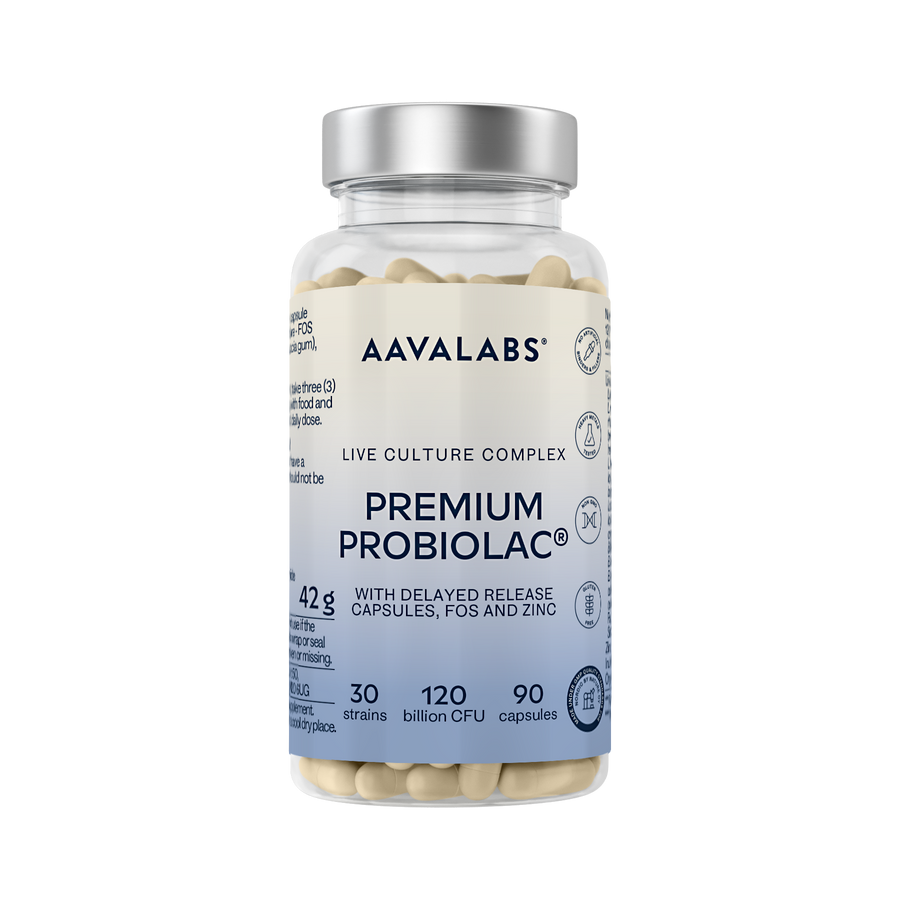
One of the simplest ways to support your gut is to eat a varied diet containing plenty of fibre-rich plant foods. A probiotic supplement can also complement a balanced diet by providing selected bacterial strains.
How Can Flaxseeds Support Gut Health?
Flaxseeds provide fibre as well as the plant-based omega-3 fatty acid ALA. Ground flaxseeds can be an easy addition to yoghurt, oats or smoothies and are generally easier for the body to digest than whole flaxseeds.
Small additions like this can make it easier to increase the amount and variety of fibre in your everyday diet.
3. Try Cooling Cooked Carbohydrates Before Eating Them
When foods such as potatoes, rice or pasta are cooked and then cooled, some of their starch can become resistant starch. Resistant starch behaves more like dietary fibre and reaches the large intestine, where it can be fermented by gut bacteria.
Resistant starch can help:
- Support beneficial gut bacteria
- Contribute to dietary fibre intake
- Support satiety
Some resistant starch remains even when these foods are gently reheated afterwards, making this an easy habit to incorporate into everyday meals.
4. Take a Short Walk After Meals
You do not need an intense workout after every meal. Even a short walk can support the body's post-meal glucose response while adding more regular movement to your day.
A short walk after eating can help:
- Support blood sugar regulation
- Support digestion
- Increase daily physical activity
- Support circulation
The important part is consistency. Small amounts of movement repeated regularly can be more sustainable than occasional extreme workouts.
5. Make Quality Sleep a Priority
Sleep plays an important role in immune function, recovery and metabolic health. Poor or insufficient sleep can affect energy, appetite, stress regulation and recovery.
Simple habits that can support better sleep include:
- Keeping a consistent sleep schedule
- Reducing screen exposure before bed
- Avoiding very large meals shortly before sleeping
- Creating a cool, dark and comfortable sleep environment
Improving sleep does not necessarily require a complicated routine. Consistency in a few basic habits can make a meaningful difference.
6. Build Small Moments of Stress Recovery Into Your Day
Chronic stress influences many systems involved in inflammation, including sleep, digestion, blood sugar regulation and immune function. The goal is not to eliminate stress completely, but to give your body regular opportunities to recover from it.
Helpful habits can include:
- Walking outdoors
- Gentle movement or stretching
- Breathing exercises or meditation
- Spending intentional time away from screens
- Building small recovery breaks into your day
Which Nutrients Support Normal Stress and Nervous System Function?
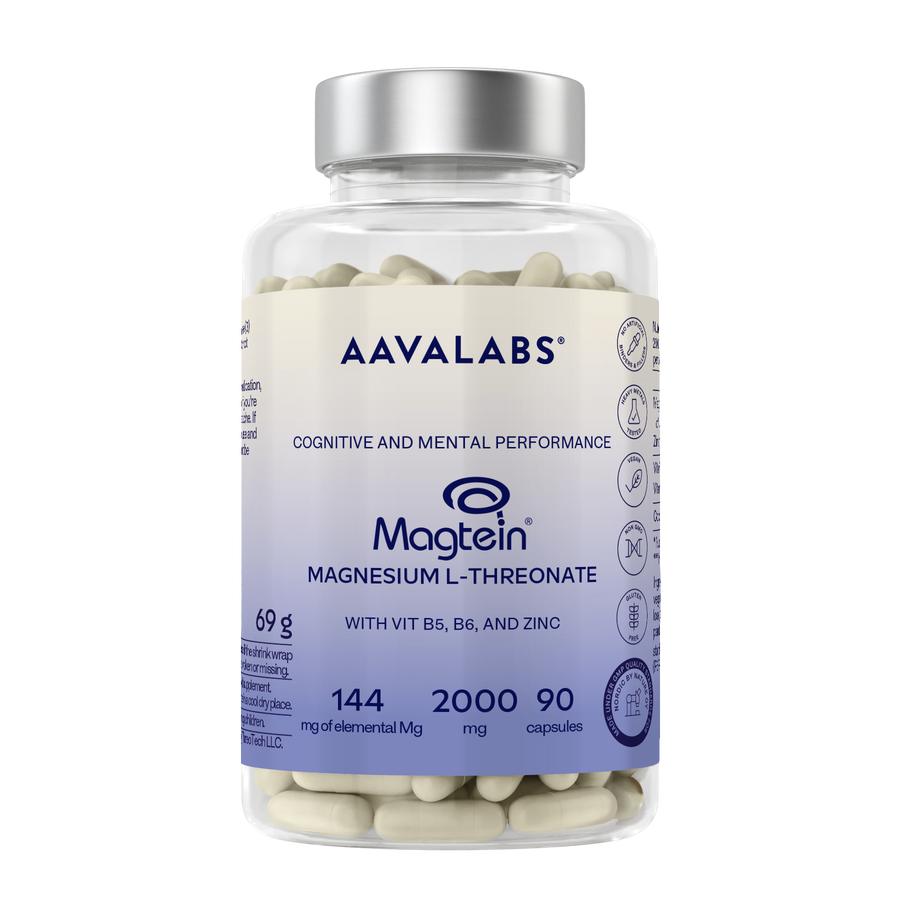
Magnesium contributes to normal functioning of the nervous system and normal psychological function. It also contributes to the reduction of tiredness and fatigue.
EPA and DHA from omega-3 fatty acids contribute to the normal function of the heart when consumed at the required daily intake.
7. Focus on Nutrient-Dense Foods
A varied diet provides vitamins, minerals, fatty acids and plant compounds that support normal physiological functions throughout the body. Rather than focusing on a single so-called anti-inflammatory food, aim for variety and consistency.
Omega-3 Fatty Acids
EPA and DHA contribute to the normal function of the heart. DHA also contributes to the maintenance of normal brain function and normal vision. Sources include fatty fish, while algae provide a plant-based source of long-chain omega-3 fatty acids.
You can also find EPA and DHA in our Premium Omega-3 Fish Oil and Vegan Omega-3 from Algae.
Magnesium
Magnesium contributes to normal muscle function, normal functioning of the nervous system, normal energy-yielding metabolism and the reduction of tiredness and fatigue.
Dietary sources include leafy green vegetables, nuts and seeds. Our Magnesium Bisglycinate provides magnesium in a bisglycinate form.
Vitamin D
Vitamin D contributes to the normal function of the immune system and the maintenance of normal muscle function and normal bones. Sunlight contributes to vitamin D production in the skin, while dietary and supplemental sources can also contribute to vitamin D intake.
Our Vitamin D3 provides vitamin D in the D3 form.
Polyphenols and Antioxidants
Colourful plant foods such as berries, vegetables, herbs, spices and tea contain a wide range of naturally occurring plant compounds. Eating a varied selection of plant foods is a simple way to incorporate more of these compounds into your diet.
Zinc and Selenium
Zinc and selenium contribute to the protection of cells from oxidative stress and to the normal function of the immune system. Zinc is available through foods as well as supplements such as our Zinc.
8. Choose Consistency Over Perfection
One of the easiest mistakes to make is trying to change everything at once. A complicated routine can quickly become difficult to maintain.
Instead, focus on small habits you can repeat consistently. A balanced meal. A short walk after lunch. A regular bedtime. More fibre-rich foods. A few quiet minutes away from your phone.
These individual actions may seem small, but together they can form a sustainable routine that supports your long-term health and wellbeing.
Small Habits Can Make a Big Difference
There is no perfect wellness routine. Every person is different, and our bodies respond differently to nutrition, movement, stress and recovery.
Rather than chasing perfection, focus on giving your body consistent support. Eat a varied diet, move regularly, prioritise sleep, make time for recovery and ensure you are getting the nutrients your body needs.
Small daily habits are easier to maintain, and over time, consistency is what turns them into a lifestyle.
Frequently Asked Questions
What Is Chronic Inflammation?
Chronic inflammation refers to persistent, low-level activation of inflammatory processes in the body. Unlike acute inflammation, which is a normal short-term response to injury or infection, chronic inflammation can persist over longer periods and is influenced by a wide range of health and lifestyle factors.
What Daily Habits Can Help Support a Healthy Inflammatory Balance?
A balanced lifestyle can include eating a varied diet rich in whole foods and fibre, moving regularly, getting sufficient sleep, managing chronic stress and avoiding smoking. Maintaining a healthy overall lifestyle is more important than relying on any single food, nutrient or supplement.
Does Walking After Meals Help With Blood Sugar?
Yes. Light physical activity after eating can help support the body's post-meal glucose response. Even a short walk is an easy way to incorporate more movement into your daily routine.
How Does Gut Health Relate to Inflammation?
The gut microbiome interacts closely with the immune system. Diet, fibre intake, stress and other lifestyle factors can influence the composition of the microbiome. Eating a varied diet rich in plant foods and fibre can help support a diverse gut microbiome.
Which Foods Are Good Choices for an Anti-Inflammatory Diet?
A balanced diet centred around vegetables, fruit, legumes, whole grains, nuts, seeds, olive oil and fatty fish provides a wide range of nutrients and plant compounds. Rather than focusing on individual foods, dietary variety and overall eating patterns are most important.
Can Stress Contribute to Chronic Inflammation?
Long-term stress can influence sleep, blood sugar regulation, digestion and immune function. Regular movement, adequate sleep, time outdoors and relaxation practices can all form part of a balanced approach to stress management.
How Long Does It Take for Lifestyle Changes to Make a Difference?
There is no universal timeline because the effects of lifestyle changes depend on your starting point, overall health and the specific habits you change. The most useful approach is to focus on sustainable habits that can be maintained consistently over time rather than expecting immediate results.