Inflammation is part of the body's natural immune response, but long-term inflammation is associated with several health conditions. Discover how a balanced diet, key nutrients and healthy everyday habits can support your body and protect cells from oxidative stress.
Inflammation is a natural part of the body's immune response. In the short term, it helps the body respond to injury or infection. However, when inflammation persists over time, it can be associated with a range of health conditions.
Nutrition cannot simply "switch off" inflammation, and no individual food or supplement can replace medical treatment. However, a varied diet, regular movement, sufficient sleep and other healthy lifestyle habits can support overall health.
So, what should you know about inflammation, nutrition and some of the ingredients commonly associated with an anti-inflammatory lifestyle?
What Is Inflammation?
Inflammation is part of the body's natural defence system. When the immune system detects an injury, infection or other threat, it activates a response designed to protect the body and support recovery.
Acute inflammation is usually temporary. It can occur after an injury or during an infection and typically resolves as the body recovers.
Chronic inflammation, on the other hand, persists over a longer period. It is a complex process influenced by many factors, including health conditions, lifestyle and environmental factors.
If you are experiencing persistent symptoms or are concerned about inflammation, speak with a healthcare professional rather than trying to diagnose or treat the cause through supplements alone.
Can Your Diet Support a Healthy Lifestyle?
Rather than focusing on individual "superfoods", it is more useful to look at your overall dietary pattern.
A varied diet can include:
- Plenty of vegetables and fruit
- Whole grains
- Legumes
- Nuts and seeds
- Oily fish or other sources of omega-3 fatty acids
- Healthy sources of unsaturated fats
At the same time, reducing excessive consumption of highly processed foods, alcohol and foods high in saturated fat, salt and added sugars can form part of a balanced approach to nutrition.
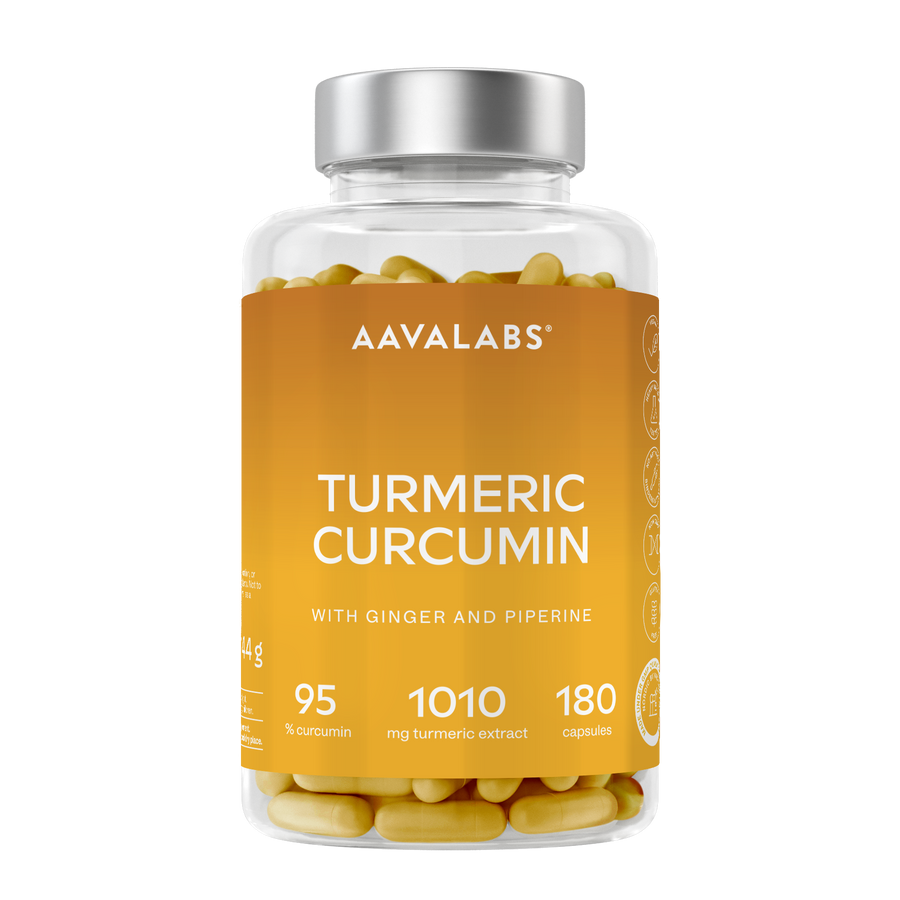
Curcumin and Turmeric
Turmeric is a plant from the ginger family that has been used traditionally for centuries. Its characteristic golden colour comes largely from naturally occurring compounds called curcuminoids, including curcumin.
Curcumin has become a popular subject of scientific research, including research into its biological and antioxidant properties.
One challenge with curcumin is its naturally low bioavailability. For this reason, some supplement formulations combine curcumin with ingredients such as black pepper extract.
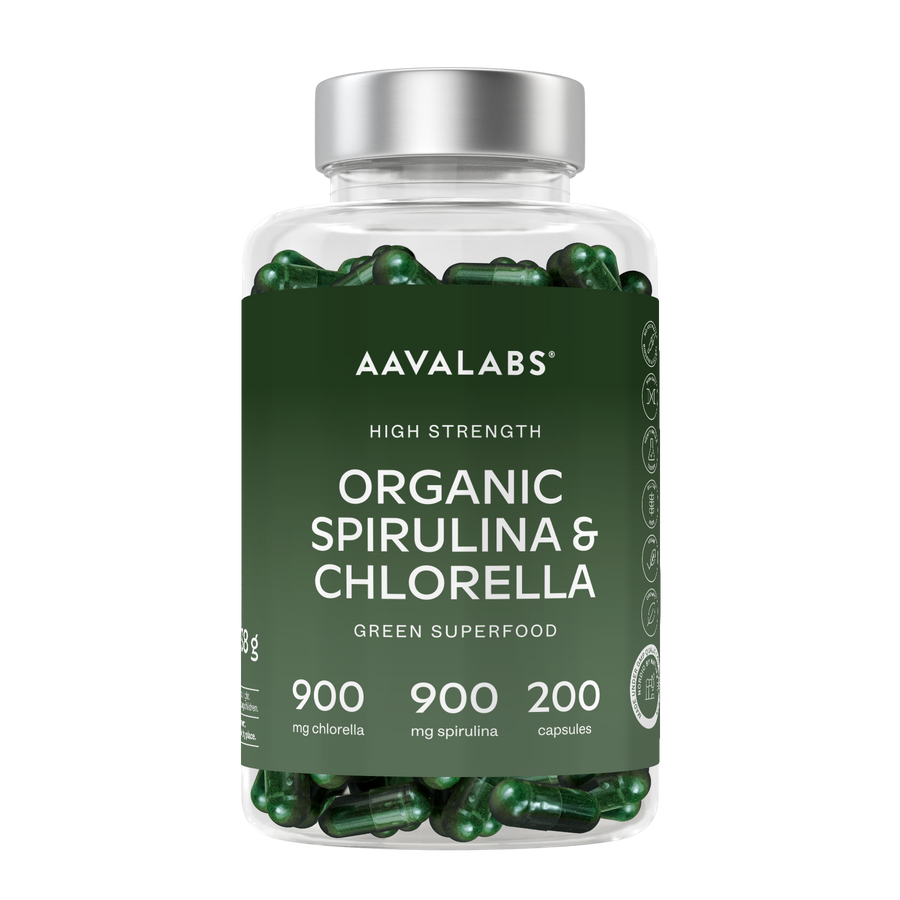
Spirulina and Chlorella
Spirulina and chlorella are nutrient-rich microorganisms commonly used in food supplements.
Spirulina naturally contains compounds including phycocyanin, the pigment responsible for its characteristic blue-green colour, while chlorella is a freshwater microalga known for its naturally occurring chlorophyll.
Rather than viewing algae supplements as a way to "detox" the body or treat inflammation, they can be considered as ingredients within a varied nutritional routine.
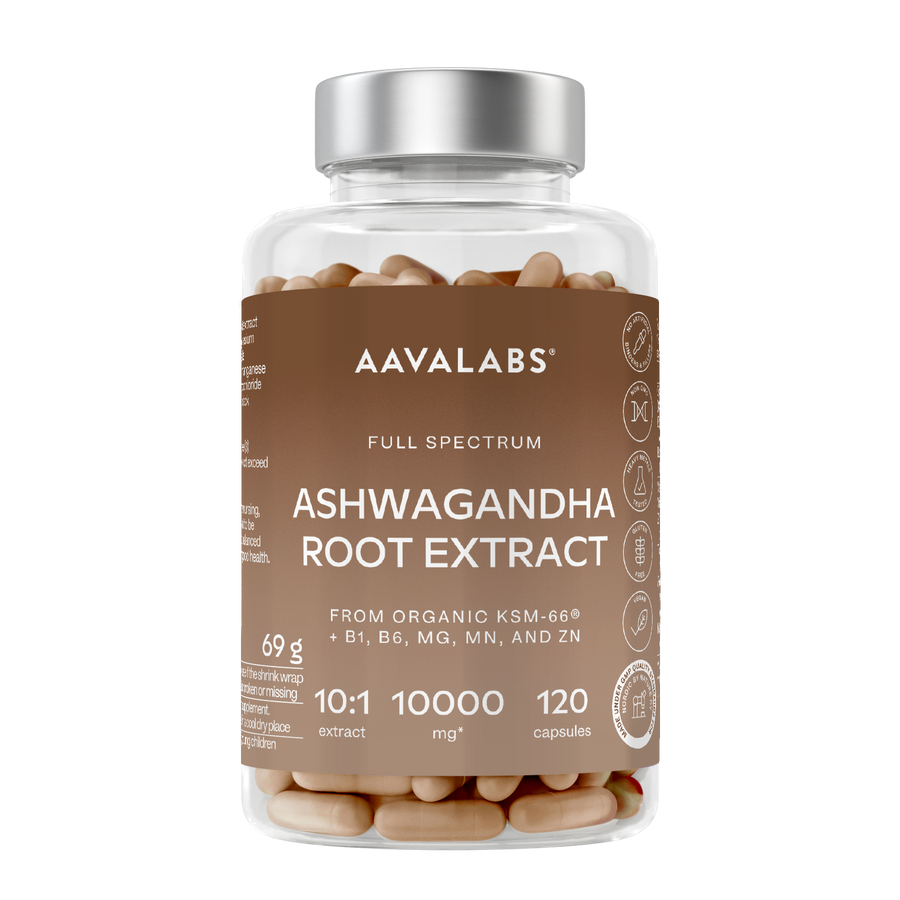
Ashwagandha and Everyday Balance
Ashwagandha is a botanical ingredient with a long history of traditional use, particularly within Ayurveda.
Today, ashwagandha extracts are commonly included in supplements designed around modern lifestyles and everyday well-being. Different extracts can vary considerably in their composition and concentration, so it is useful to look at the specific extract and formulation when comparing products.
Stress management itself is an important part of a balanced lifestyle. Regular movement, sufficient recovery, relaxation and good sleep habits can all help you build a routine that feels more sustainable.
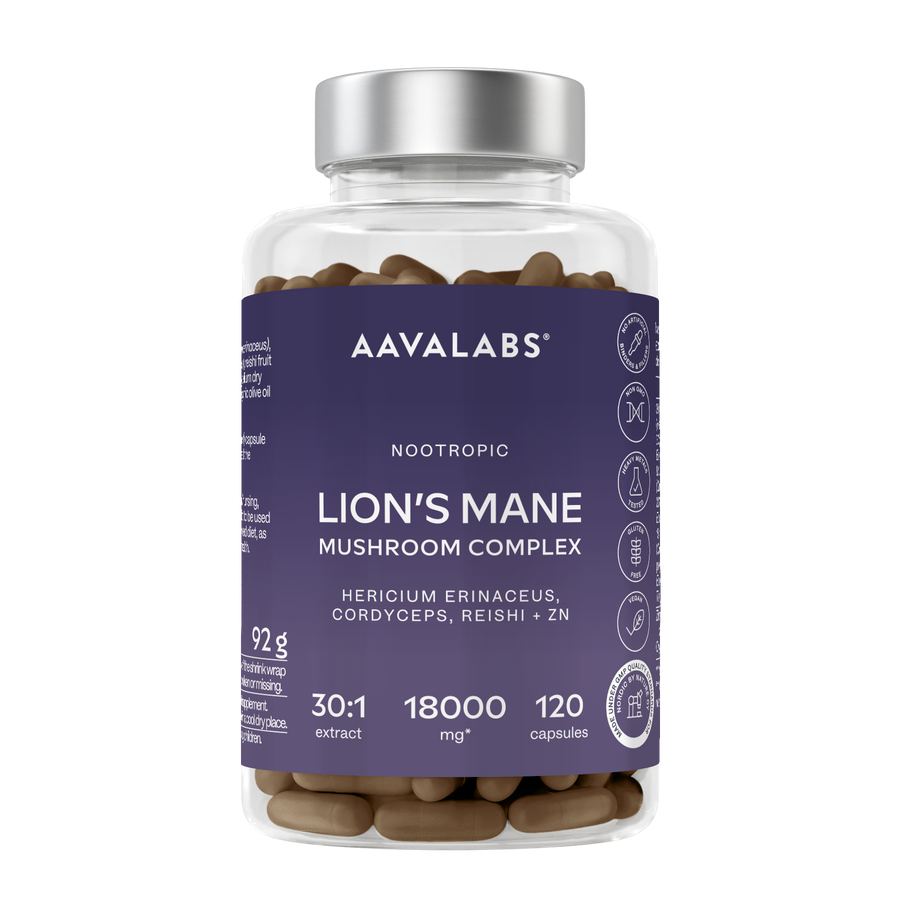
What About Lion's Mane?
Lion's Mane (Hericium erinaceus) is a distinctive edible mushroom with a long history of traditional use in parts of Asia.
It naturally contains a variety of bioactive compounds and has become an increasingly popular ingredient in functional mushroom supplements.
Research continues to investigate compounds found in Lion's Mane, including hericenones and erinacines. However, it should not be presented as a treatment for inflammation, cognitive decline or neurological conditions.
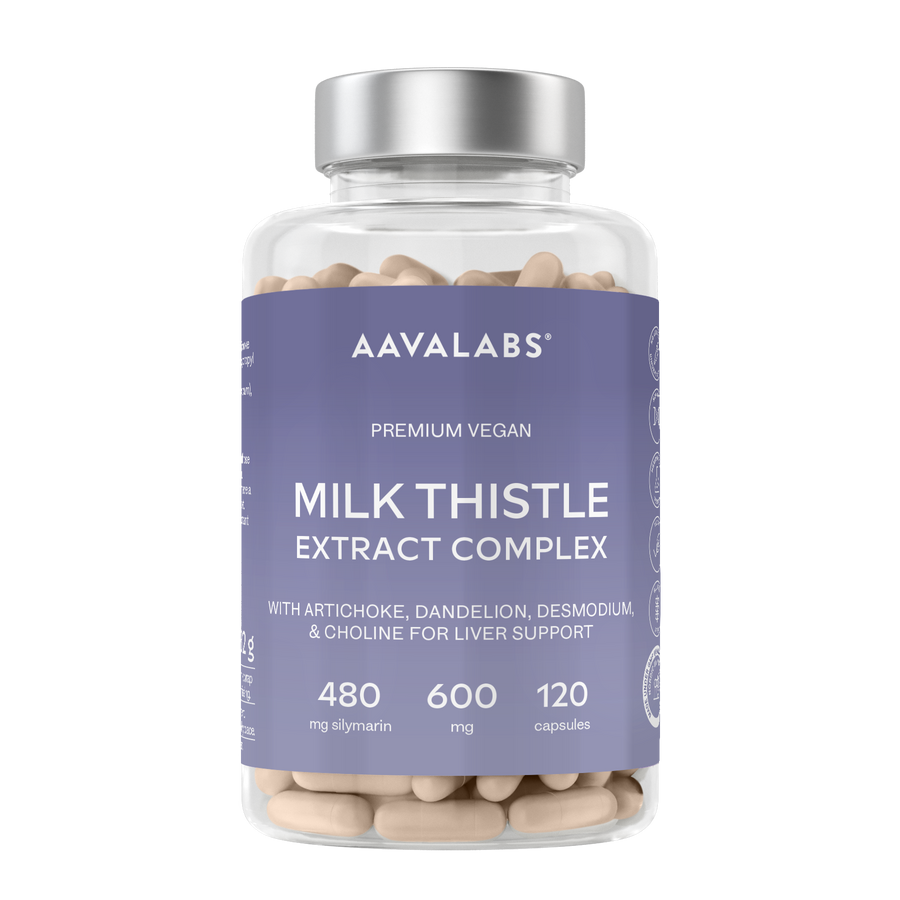
Milk Thistle and Silymarin
Milk thistle (Silybum marianum) is a flowering plant traditionally associated with liver-focused herbal preparations.
Its seeds naturally contain silymarin, a mixture of plant compounds including silybin.
Milk thistle is often marketed using terms such as "detox" and "cleanse". However, your liver and other organs already perform the body's natural processes for handling and eliminating substances. Milk thistle supplements should therefore not be presented as a way to remove toxins or reduce systemic inflammation.
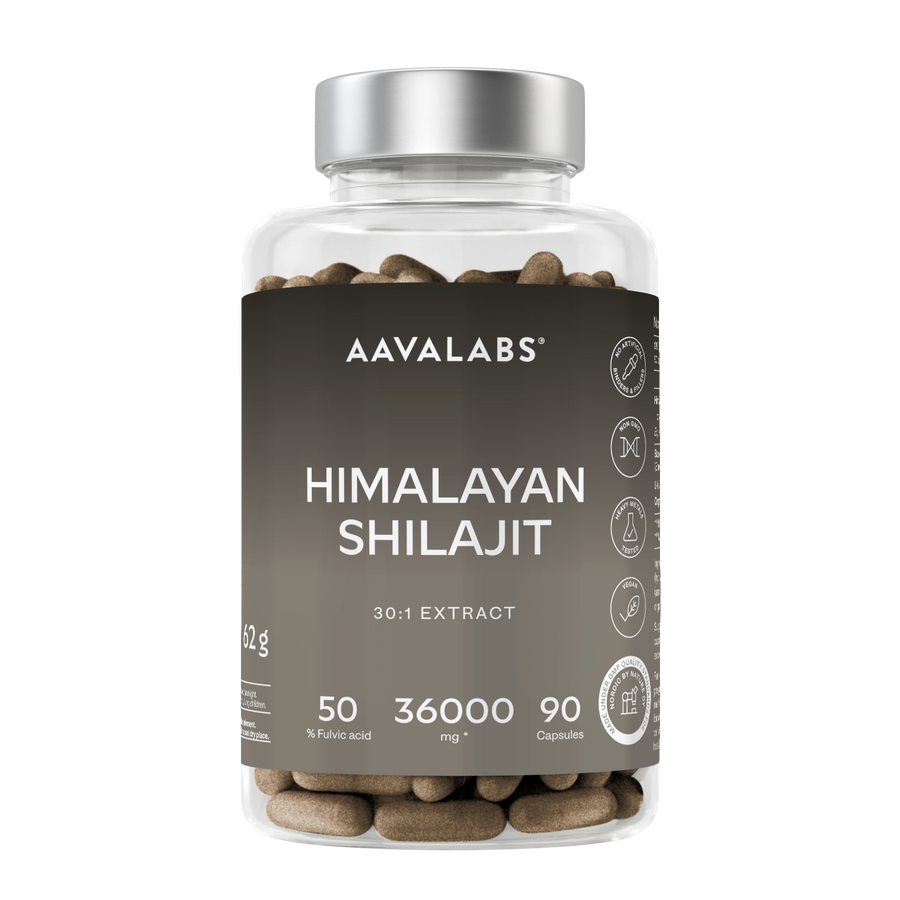
What Is Shilajit?
Shilajit is a naturally occurring substance found in mountainous regions and has a long history of traditional use.
It contains a complex mixture of naturally occurring compounds, including fulvic substances and trace minerals.
As with other botanical ingredients, quality and sourcing matter. When choosing a shilajit supplement, look for transparent information about its origin, composition and quality testing.
Don't Forget Omega-3 Fatty Acids
Omega-3 fatty acids are an important part of a balanced diet. EPA and DHA are primarily found in oily fish and fish oil, while algae can provide a vegan source of DHA and EPA.
EPA and DHA contribute to the normal function of the heart with a daily intake of 250 mg EPA and DHA.
DHA also contributes to the maintenance of normal brain function and normal vision with a daily intake of 250 mg DHA.
If you rarely eat oily fish, an omega-3 supplement can be one way to complement your dietary intake.
Antioxidant Nutrients and Oxidative Stress
Inflammation and oxidative stress are different biological processes, although they can interact with one another.
Several essential nutrients have authorised roles in protecting cells from oxidative stress.
These include:
- Vitamin C
- Vitamin E
- Zinc
- Selenium
- Riboflavin
- Copper
- Manganese
A varied diet can provide these nutrients through foods such as fruits, vegetables, nuts, seeds, whole grains, legumes, fish and other protein sources.
Lifestyle Matters Too
Nutrition is only one part of the picture. Healthy everyday habits can help support your general well-being over the long term.
- Move regularly: Find forms of physical activity you enjoy and can maintain consistently.
- Prioritise sleep: Give your body sufficient time to rest and recover.
- Manage stress: Build moments of relaxation into your routine through activities such as walking, yoga, meditation or time outdoors.
- Eat a varied diet: Focus on whole foods and dietary variety rather than individual "miracle" ingredients.
- Avoid smoking: Smoking exposes the body to substances that can damage cells.
- Limit excessive alcohol consumption: Moderation is an important part of a balanced lifestyle.
Building a Balanced Routine
There is no single food, supplement or botanical ingredient that can control inflammation on its own.
Instead, focus on the bigger picture: a varied diet, regular movement, good sleep, sufficient recovery and appropriate intake of essential nutrients.
Ingredients such as turmeric, spirulina, chlorella, ashwagandha, Lion's Mane and shilajit can form part of a supplement routine, but they should complement rather than replace the foundations of a healthy lifestyle.
Frequently Asked Questions
What foods should I include in a balanced diet?
Focus on variety. Vegetables, fruit, whole grains, legumes, nuts, seeds, oily fish and other nutrient-rich foods can all contribute to a balanced diet.
Can supplements reduce chronic inflammation?
Food supplements should not be used to diagnose, prevent or treat chronic inflammation or inflammatory diseases. Their role is to complement the diet and provide particular nutrients or ingredients as part of an overall healthy lifestyle.
What is the difference between inflammation and oxidative stress?
They are separate biological processes, although they can influence each other. Inflammation is part of the immune response, while oxidative stress describes an imbalance between reactive compounds and the body's antioxidant defences.
Which nutrients help protect cells from oxidative stress?
Vitamin C, vitamin E, zinc, selenium, riboflavin, copper and manganese contribute to the protection of cells from oxidative stress.
Can supplements replace medication for inflammatory conditions?
No. Supplements should not replace prescribed medication or medical treatment. If you have a diagnosed inflammatory condition or persistent symptoms, speak with your healthcare professional before changing your treatment or supplement routine.
Can I combine several supplements?
Whether supplements can be combined depends on their ingredients, amounts, your individual circumstances and any medicines you take. Check for overlapping nutrients and follow the recommended daily intake. If you take medication, have a medical condition, are pregnant or breastfeeding, consult a healthcare professional before starting a new supplement routine.
Is "natural" always better?
No. Whether an ingredient is natural does not automatically determine its quality, effectiveness or suitability. Composition, dosage, sourcing, manufacturing standards and quality testing are more useful factors to consider when choosing a supplement.