Prostate health becomes increasingly relevant as men get older. The prostate is a small gland within the male reproductive system, and changes in its size and function are common with age.
While no single vitamin or mineral can guarantee a healthy prostate, good nutrition, regular movement and an overall healthy lifestyle can support men's health as they age. In this guide, we look at the prostate, five important nutrients including zinc, vitamin D, omega 3 fatty acids, vitamin C and magnesium, and simple habits that support long term wellbeing.
Prostate health becomes increasingly relevant as men get older. The prostate is a small gland within the male reproductive system, and changes in its size and function are common with age.
While no single vitamin or mineral can guarantee a healthy prostate, good nutrition, regular movement and an overall healthy lifestyle can support men's health as they age. Certain nutrients, including zinc, vitamin D, omega 3 fatty acids, vitamin C and magnesium, can also contribute to important functions throughout the body.
In this guide, we take a closer look at the prostate, the nutrients that support men's health and simple habits you can incorporate into your everyday routine.
What Is the Prostate and Why Is Prostate Health Important?
The prostate is a small gland located below the bladder. It forms part of the male reproductive system and contributes to the production of seminal fluid.
As men get older, the prostate can naturally increase in size. An enlarged prostate may put pressure on the bladder and urethra, which can contribute to changes in urination. This is one reason why prostate health and regular medical check ups become increasingly important with age.
A nutritious diet, regular physical activity and healthy everyday habits provide a strong foundation for supporting overall health throughout different stages of life.
Which Nutrients Are Important for Men's Health?
There is no single nutrient responsible for prostate health. Instead, a varied diet provides vitamins, minerals, essential fatty acids and other nutrients that support many normal functions throughout the body.
Here are five nutrients worth knowing about.
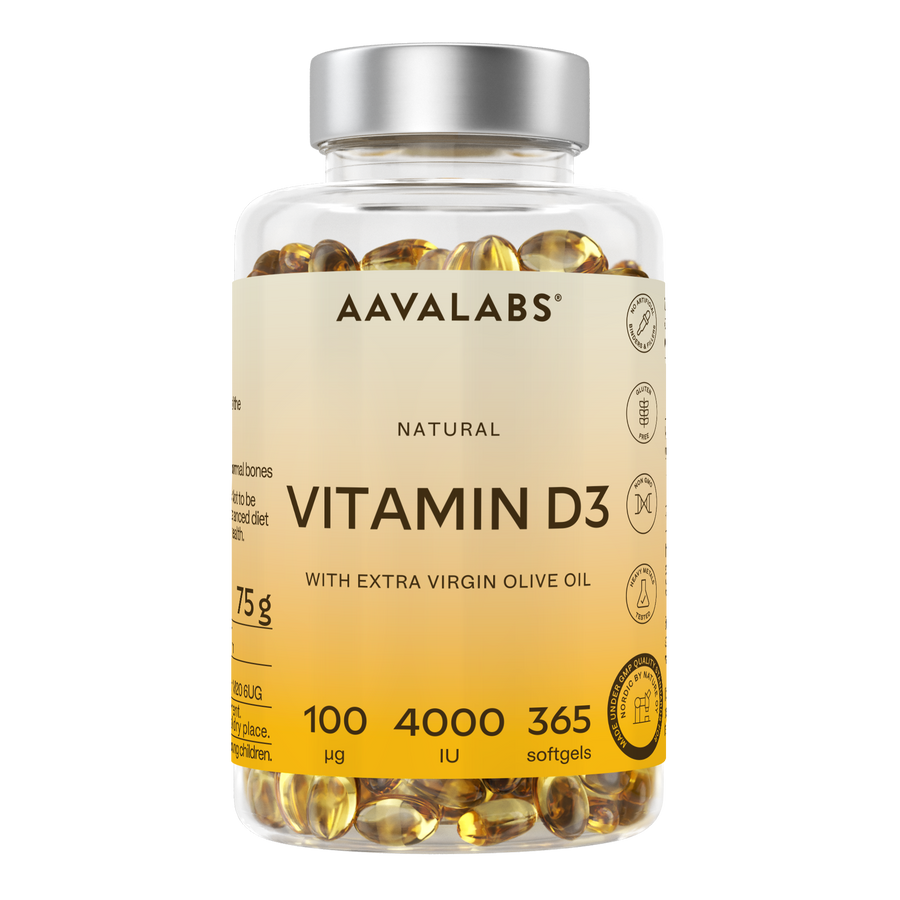
1. Vitamin D
Vitamin D has several important functions in the body. It contributes to the normal function of the immune system, the maintenance of normal bones and normal muscle function. It also has a role in the process of cell division.
Your body can produce vitamin D when the skin is exposed to sunlight. Dietary sources include oily fish, egg yolks and fortified foods. Depending on your diet, lifestyle, location and sun exposure, supplementation may also be considered.
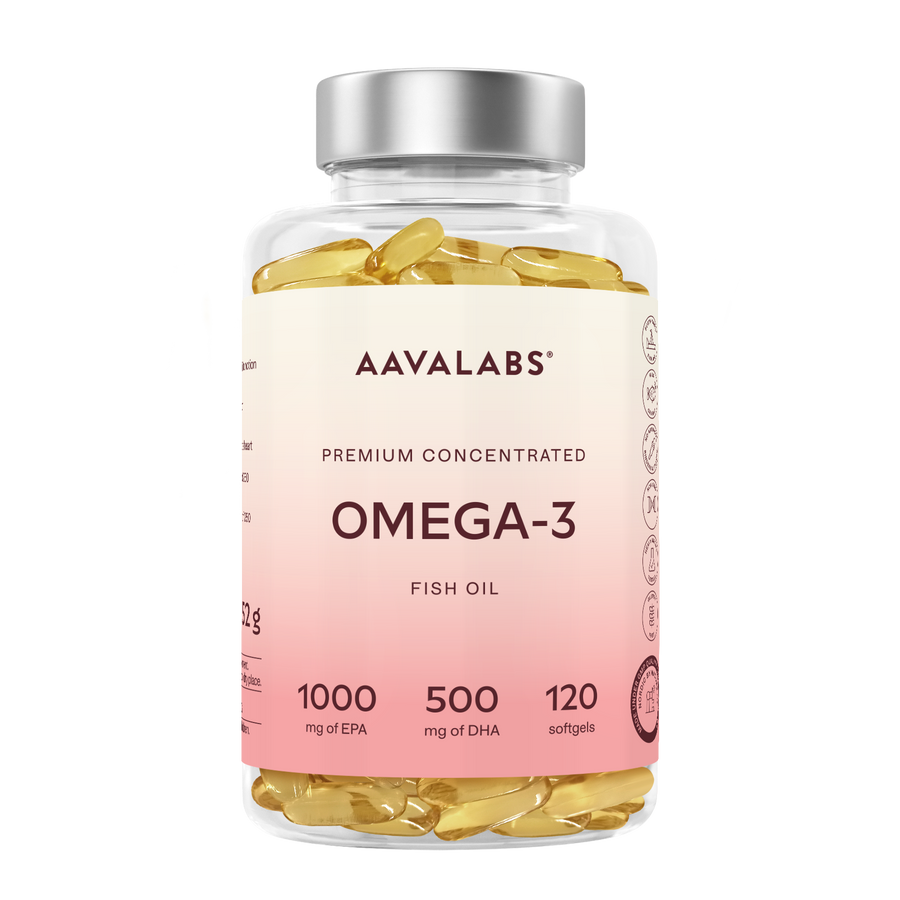
2. Omega 3 Fatty Acids
Omega 3 fatty acids are essential fats found naturally in foods such as salmon, sardines, mackerel, walnuts and flaxseeds.
The long chain omega 3 fatty acids EPA and DHA are particularly well known for their role in cardiovascular health. EPA and DHA contribute to the normal function of the heart with a daily intake of 250 mg EPA and DHA.
If oily fish is not a regular part of your diet, an omega 3 supplement can provide another source of EPA and DHA.
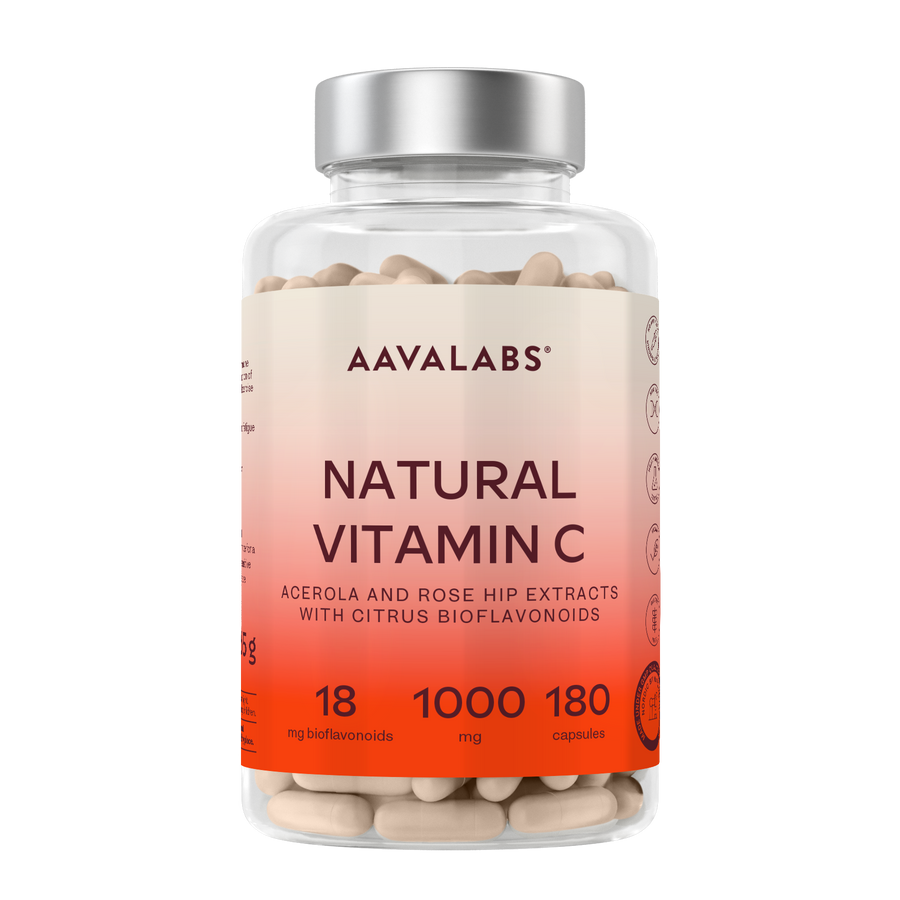
3. Vitamin C
Vitamin C is an essential nutrient with several important functions. It contributes to the normal function of the immune system and to the protection of cells from oxidative stress.
Vitamin C also contributes to normal collagen formation and normal energy yielding metabolism.
Good dietary sources include citrus fruits, berries, kiwi, peppers and broccoli. A varied diet rich in fruit and vegetables can help provide vitamin C alongside many other valuable nutrients.
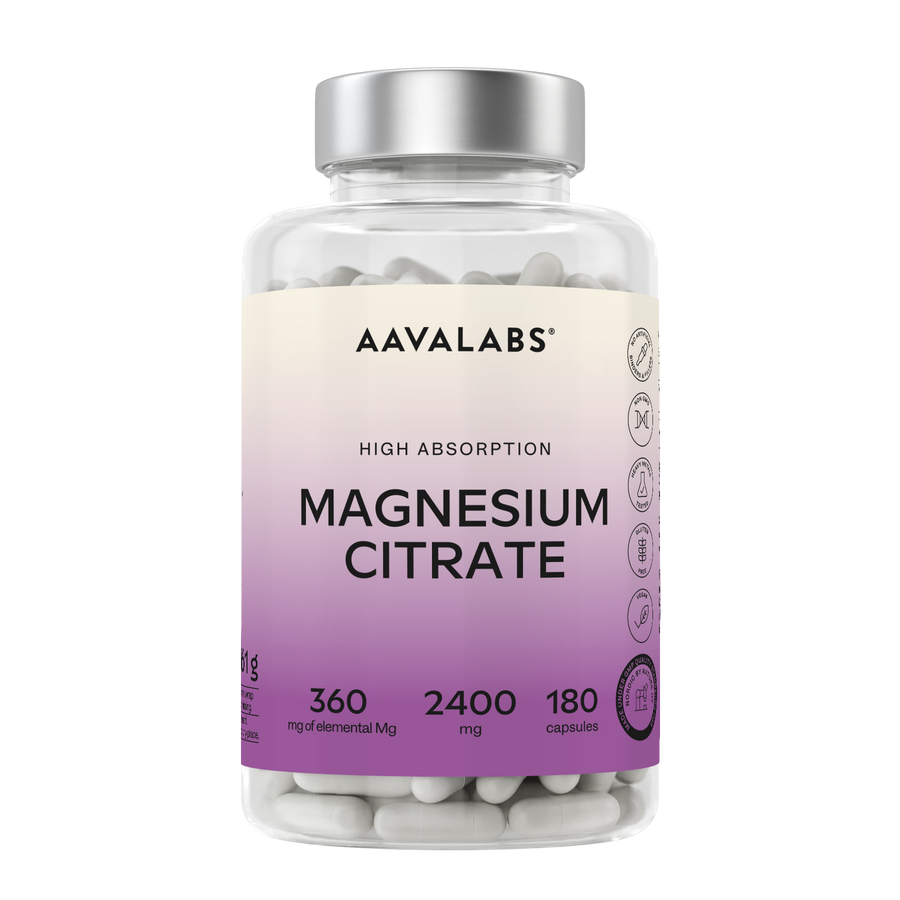
4. Magnesium
Magnesium is involved in numerous processes throughout the body. It contributes to normal muscle function, normal functioning of the nervous system, electrolyte balance and normal energy yielding metabolism.
Magnesium can be found naturally in foods such as nuts, seeds, legumes, whole grains and leafy green vegetables.
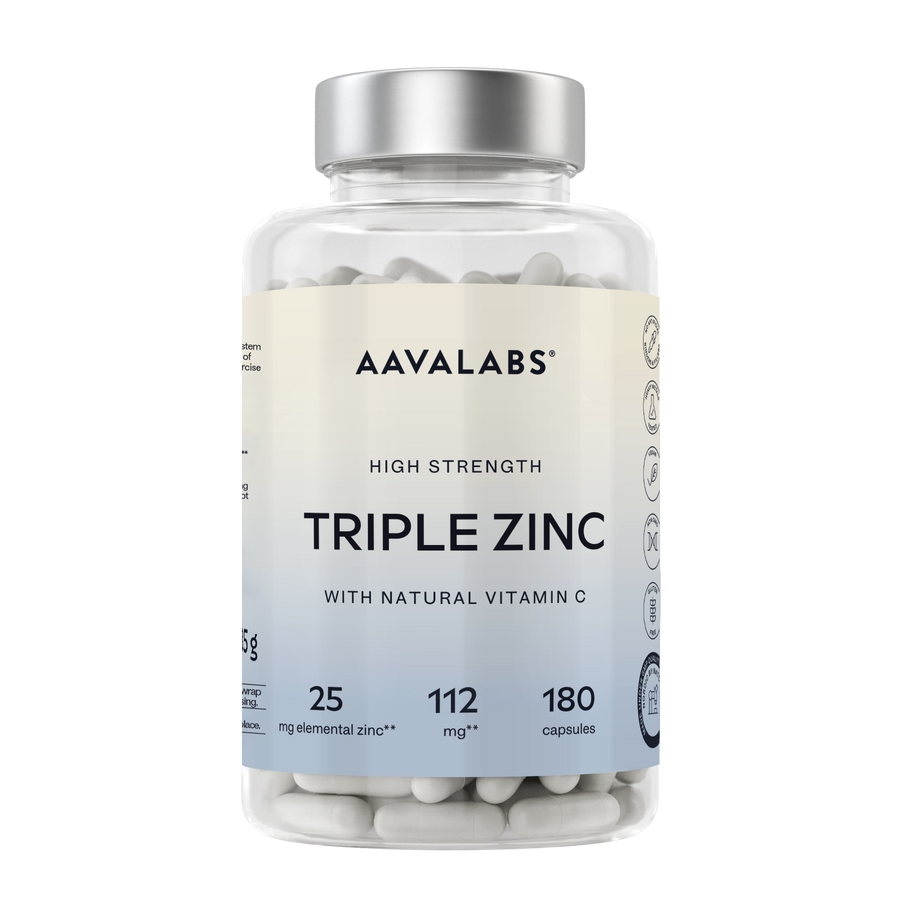
5. Zinc
Zinc is an essential trace mineral and particularly relevant when discussing men's nutrition.
Zinc contributes to normal fertility and reproduction and to the maintenance of normal testosterone levels in the blood. It also contributes to the normal function of the immune system and to the protection of cells from oxidative stress.
Dietary sources of zinc include meat, shellfish, dairy products, legumes, nuts and seeds.
How Can You Support Prostate Health Naturally?
Nutrition is only one part of supporting long term health. Everyday habits can also make a meaningful difference to your overall wellbeing as you age.
- Stay physically active: Regular movement supports cardiovascular health, muscle function and overall wellbeing. Find activities you enjoy, whether that is walking, swimming, cycling or strength training.
- Eat a varied diet: Build your meals around vegetables, fruit, whole grains, legumes, quality protein sources and healthy fats to provide your body with a broad range of nutrients.
- Stay hydrated: Drinking enough fluids throughout the day supports normal body functions and overall wellbeing.
- Be mindful of alcohol: Keeping alcohol consumption moderate is an important part of an overall healthy lifestyle.
- Prioritise regular health checks: Prostate changes become more common with age. Speak to a healthcare professional about appropriate prostate checks based on your age, symptoms and individual risk factors.
When Should You Talk to a Doctor About Prostate Health?
Changes in urination can have many different causes and should not automatically be attributed to the prostate.
Speak to a healthcare professional if you notice persistent changes such as needing to urinate more frequently, difficulty starting or stopping urination, a weak urine flow, pain or other unusual symptoms. A healthcare professional can help determine the cause and advise you on appropriate next steps.
Supporting Men's Health for the Long Term
There is no single food, supplement or nutrient that determines prostate health. A varied diet, regular physical activity and appropriate preventive healthcare provide a much stronger foundation for healthy ageing.
Nutrients such as vitamin D, omega 3 fatty acids, vitamin C, magnesium and zinc can contribute to important normal functions throughout the body and form part of a balanced approach to men's nutrition.
Rather than waiting until health becomes a concern, think of these everyday habits as an investment in feeling well and staying active throughout the years ahead.