Magnesium L-threonate is a brain-focused form of magnesium studied for its potential role in cognitive performance, memory and sleep. Learn how it works, how it compares with other magnesium forms and whether it may suit your needs.
Magnesium L-threonate is a specialised form of magnesium that has attracted attention for its potential role in brain health, cognitive function and sleep. Unlike many other magnesium forms, it was specifically developed and studied for its ability to increase magnesium concentrations in the brain.
But how is magnesium L-threonate different from magnesium bisglycinate, citrate or other forms? What does the research actually say about memory, focus and sleep? And who might consider taking it?
This guide explains how magnesium L-threonate works, what makes it different and what current research tells us about its potential uses.
What Is Magnesium L-Threonate?
Magnesium L-threonate is a form of magnesium created by combining magnesium with L-threonic acid, a metabolite of vitamin C.
It was developed while researchers were investigating forms of magnesium that could effectively increase magnesium concentrations in the brain. This characteristic is what distinguishes magnesium L-threonate from many conventional magnesium supplements.
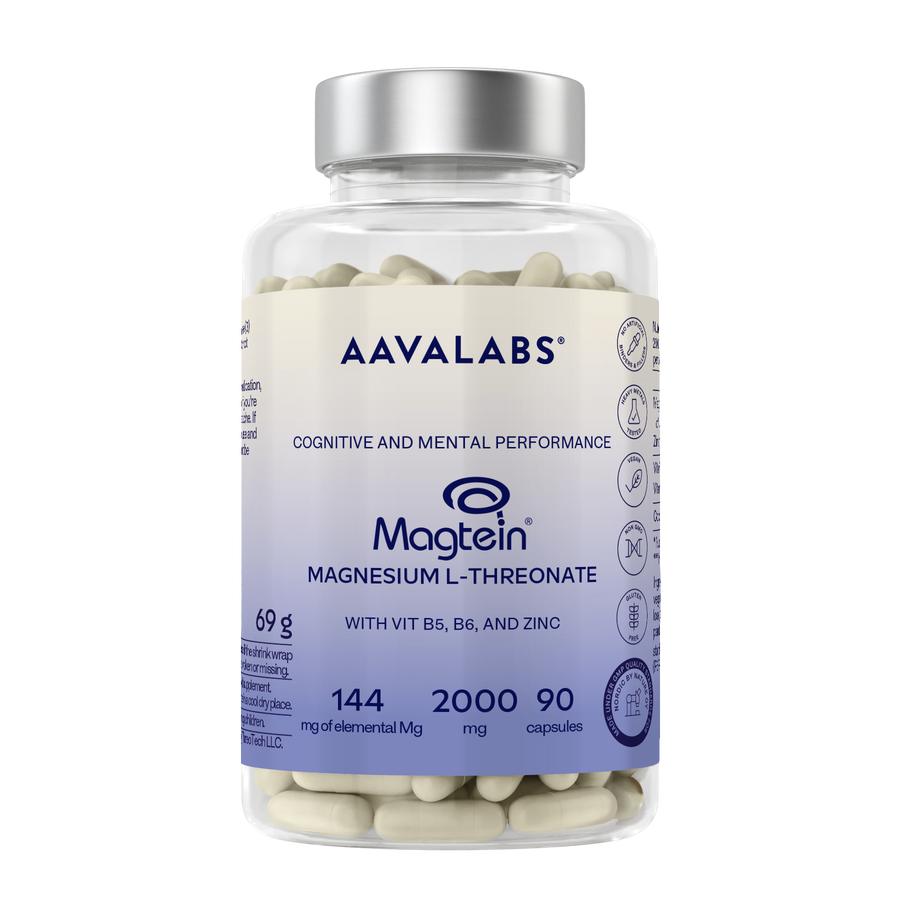
One of the best-known forms is Magtein®, a patented form of magnesium L-threonate that has been used in research examining areas including cognitive function and sleep.
Why Does the Brain Need Magnesium?
Magnesium is an essential mineral involved in hundreds of processes throughout the body. It contributes to normal functioning of the nervous system, normal psychological function and normal energy-yielding metabolism.
Magnesium also contributes to:
- Normal functioning of the nervous system
- Normal psychological function
- Normal energy-yielding metabolism
- Normal muscle function
- Electrolyte balance
- The reduction of tiredness and fatigue
These functions make magnesium relevant not only to muscles and physical performance, but also to normal neurological and psychological function.
What Makes Magnesium L-Threonate Different?
The main difference between magnesium L-threonate and other magnesium forms is the research surrounding its ability to influence magnesium concentrations in the brain.
The brain is protected by the blood-brain barrier, a highly selective boundary that regulates which substances can move from the bloodstream into brain tissue.
Preclinical research on magnesium L-threonate has shown that it can increase magnesium concentrations in the brain. This finding led researchers to investigate whether the form could have applications related to cognition, memory and other aspects of brain function.
This does not mean that other forms of magnesium are ineffective. Different forms have different characteristics, and the most appropriate option depends on why you are taking magnesium in the first place.
What Does Research Say About Magnesium L-Threonate and Cognitive Function?
Magnesium L-threonate has been studied for its potential role in cognitive performance, particularly memory, learning and executive function.
Early research focused heavily on animal models, where increasing brain magnesium concentrations was associated with changes in synaptic plasticity and learning and memory processes.
Human research has since explored magnesium L-threonate supplementation in areas including cognitive performance. Some studies have reported improvements in certain measures of cognition, particularly in older adults or people experiencing cognitive concerns.
However, research in humans is still developing. Magnesium L-threonate should therefore not be viewed as a treatment for cognitive decline or as a guaranteed way to improve memory or intelligence.
Its main point of interest remains that it is one of the few magnesium forms specifically researched in relation to brain magnesium concentrations and cognitive performance.
Can Magnesium L-Threonate Support Memory and Focus?
Research into magnesium L-threonate has examined areas including working memory, attention and executive function.
This has made the form particularly interesting to people looking for magnesium supplements with a more brain-focused profile.
However, memory and concentration depend on many factors, including sleep, stress, nutrition, physical activity and overall health. A magnesium supplement cannot compensate for chronic sleep deprivation, excessive stress or an inadequate diet.
Magnesium contributes to normal psychological function and normal functioning of the nervous system, but claims about specific improvements in memory or concentration should be interpreted in the context of the emerging research rather than as guaranteed effects.
Can Magnesium L-Threonate Support Sleep?
Magnesium is often associated with evening routines and sleep, and magnesium L-threonate has also been investigated in this context.
Research has explored whether supplementation may influence different aspects of sleep, including sleep quality and daytime functioning following sleep.
There is growing scientific interest in this area, but the evidence is not yet strong enough to consider magnesium L-threonate a treatment for insomnia or other sleep disorders.
For people considering magnesium primarily for relaxation or an evening routine, magnesium bisglycinate is another commonly used form. The choice between the two depends on individual goals and the overall formulation.
Magnesium L-Threonate vs Magnesium Bisglycinate: What Is the Difference?
Magnesium L-threonate and magnesium bisglycinate are both magnesium compounds, but they have different characteristics.
Magnesium L-threonate combines magnesium with L-threonic acid and has attracted particular scientific interest because of research into brain magnesium concentrations and cognitive function.
Magnesium bisglycinate combines magnesium with the amino acid glycine. It is widely used because it is well tolerated and provides magnesium in a form that can easily be incorporated into a daily supplementation routine.
Another important difference is elemental magnesium. Magnesium L-threonate contains a relatively low proportion of elemental magnesium by weight compared with some other forms. This means a larger quantity of the compound may be required to provide the same amount of elemental magnesium.
If your main goal is increasing your overall magnesium intake, another magnesium form may therefore be more practical. If you are specifically interested in the emerging research around magnesium and the brain, magnesium L-threonate may be worth considering.
Magnesium L-Threonate vs Magnesium Citrate: What Is the Difference?
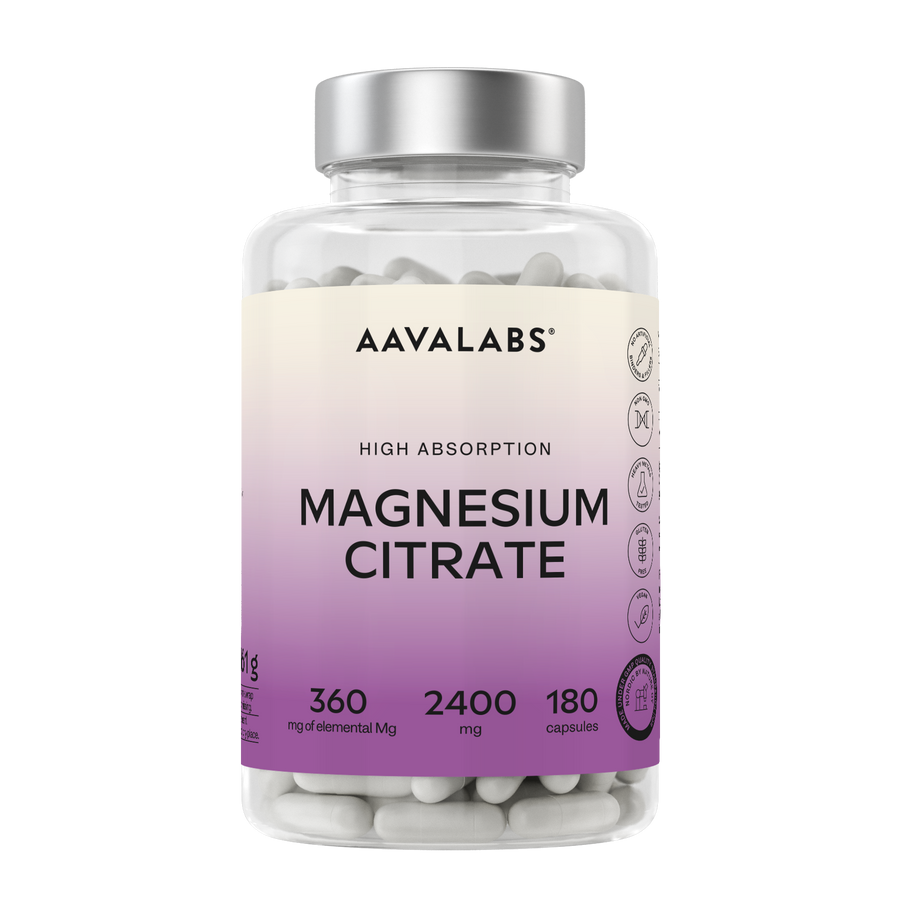
Magnesium citrate combines magnesium with citric acid and is one of the most commonly used forms of supplemental magnesium.
It provides a practical source of magnesium and is frequently chosen when the primary goal is increasing daily magnesium intake. At higher amounts, magnesium citrate can also have a laxative effect in some people.
Magnesium L-threonate has a different positioning. Rather than being primarily used as a general source of magnesium, it has been studied specifically in relation to brain magnesium concentrations and cognitive outcomes.
Neither form is universally better. They simply offer different characteristics that may suit different needs.
Does Magnesium L-Threonate Provide Enough Magnesium?
This is an important consideration when comparing magnesium supplements.
The amount of a magnesium compound listed on a label is not the same as the amount of elemental magnesium it provides. Elemental magnesium refers to the actual quantity of magnesium contained within the compound.
Magnesium L-threonate has a relatively low elemental magnesium content compared with many other magnesium forms.
For this reason, someone whose main priority is correcting a low dietary magnesium intake may prefer a form that provides more elemental magnesium per serving. Magnesium L-threonate is generally selected for its specific characteristics rather than simply for maximising magnesium intake.
Who Might Consider Magnesium L-Threonate?
Magnesium L-threonate may be of particular interest to adults looking for a magnesium supplement with a brain-focused research profile.
It may appeal to people interested in:
- Cognitive health and healthy ageing
- Memory and learning research
- Mental performance and focus
- Sleep and evening routines
- Exploring a different magnesium form from conventional options
However, the most suitable magnesium supplement depends on your diet, lifestyle, nutritional needs and reason for supplementation.
When Should You Take Magnesium L-Threonate?
There is no universally required time of day for taking magnesium L-threonate.
Some people prefer taking magnesium in the evening because it fits naturally into their nighttime routine, while others divide their daily serving across the day.
The most important consideration is following the directions provided with the specific supplement and taking it consistently.
Is Magnesium L-Threonate Safe?
Magnesium supplements are generally well tolerated when used according to the recommended intake. However, individual responses can vary.
Taking excessive amounts of supplemental magnesium can cause gastrointestinal effects such as diarrhoea, nausea or abdominal discomfort.
People with kidney problems, those taking medication, pregnant or breastfeeding women and anyone with an existing medical condition should speak with a healthcare professional before starting a new magnesium supplement.
How Do You Choose the Right Magnesium Form?
There is no single magnesium form that is best for everyone.
The right choice depends on what you want from your supplement. Factors worth considering include the amount of elemental magnesium, the specific magnesium compound, tolerability, your diet and the reason you are supplementing.
Magnesium L-threonate stands out because of its brain-focused research. Magnesium bisglycinate is a popular well-tolerated option for everyday supplementation, while magnesium citrate provides another established way to increase magnesium intake.
Rather than looking for the magnesium form with the most impressive name, consider what role you actually want magnesium to play in your routine.
A Brain-Focused Approach to Magnesium
Magnesium L-threonate represents an interesting development in magnesium supplementation because its research has focused on an area that conventional magnesium supplements have rarely targeted: magnesium availability in the brain.
Early research into cognition, memory and sleep is promising enough to make it an interesting area of nutritional science, but human evidence is still evolving.
What we know with confidence is that magnesium contributes to normal psychological function, normal functioning of the nervous system, normal energy-yielding metabolism and the reduction of tiredness and fatigue.
Choosing magnesium L-threonate therefore comes down to your individual goals. If you are particularly interested in brain-focused magnesium research, it offers a distinctive option. If your priority is simply increasing your daily magnesium intake, other forms may be more practical.
Frequently Asked Questions
What is magnesium L-threonate?
Magnesium L-threonate is a magnesium compound formed from magnesium and L-threonic acid. It has attracted particular scientific interest because preclinical research has shown that it can increase magnesium concentrations in the brain.
What is magnesium L-threonate used for?
Magnesium L-threonate is commonly chosen by people interested in cognitive health, memory, focus and sleep. Research has investigated these areas, although evidence in humans is still developing and the supplement should not be considered a treatment for cognitive or sleep disorders.
Is magnesium L-threonate good for the brain?
Magnesium contributes to normal psychological function and normal functioning of the nervous system. Magnesium L-threonate has additionally been studied for its ability to increase magnesium concentrations in the brain, which has led researchers to investigate its potential role in cognition and memory.
Does magnesium L-threonate help with memory?
Some research has explored potential effects of magnesium L-threonate on memory and other aspects of cognitive performance. Early findings are of scientific interest, but more high-quality human research is needed before firm conclusions can be made.
Does magnesium L-threonate help with sleep?
Magnesium L-threonate has been investigated in research examining sleep quality and related outcomes. However, current evidence does not establish it as a treatment for insomnia or other sleep disorders.
What is the difference between magnesium L-threonate and magnesium bisglycinate?
Magnesium L-threonate combines magnesium with L-threonic acid and has been specifically researched in relation to brain magnesium concentrations and cognition. Magnesium bisglycinate combines magnesium with glycine and is commonly used as a well-tolerated form for everyday magnesium supplementation.
Which is better, magnesium L-threonate or magnesium bisglycinate?
Neither form is universally better. Magnesium L-threonate may appeal to people specifically interested in brain-focused research, while magnesium bisglycinate can be a practical choice for general magnesium supplementation. The most appropriate option depends on your individual nutritional needs and goals.
Can you take magnesium L-threonate every day?
Magnesium L-threonate can be used according to the directions of the specific supplement. As with any magnesium supplement, the amount of elemental magnesium from all supplemental sources should be considered. People with medical conditions or those taking medication should consult a healthcare professional if unsure.
When is the best time to take magnesium L-threonate?
There is no single required time to take magnesium L-threonate. Some people include it in an evening routine, while others divide their serving throughout the day. Consistency and following the product directions are more important than choosing a specific time.