Electrolytes are essential minerals that help regulate fluid balance and support normal muscle and nervous system function. Learn what electrolytes are, how they work, where to get them from and when additional electrolytes may be useful.
Electrolytes are essential minerals that help your body maintain fluid balance and support normal muscle and nervous system function. Although they are often associated with sports drinks and endurance exercise, electrolytes are part of everyday nutrition and are needed for many normal processes throughout the body.
The main electrolytes include sodium, potassium, magnesium, calcium, chloride and phosphate. You can obtain them naturally through food, but exercise, heavy sweating, hot weather and other situations involving increased fluid loss can make electrolyte intake particularly relevant.
In this guide, you will learn what electrolytes are, how they work, which foods provide them and when additional electrolytes may be useful.
What Are Electrolytes?
Electrolytes are minerals that carry an electrical charge when dissolved in body fluids. This electrical activity allows them to participate in many of the processes that keep your muscles, nerves and fluid balance functioning normally.
The main electrolytes found in the human body include:
- Sodium
- Potassium
- Magnesium
- Calcium
- Chloride
- Phosphate
Each has different functions, but electrolytes work together to maintain the body's internal balance.
How Do Electrolytes Work in the Body?
Electrolytes dissolve in body fluids and form positively or negatively charged particles called ions. These charged particles help create the electrical signals used by nerves and muscles.
They are also involved in regulating how water moves between cells and tissues. This is one reason hydration is about more than simply drinking water. Your body also needs the right balance of minerals to regulate those fluids.
Electrolytes therefore contribute to several fundamental physiological processes, from muscle contractions and nerve signalling to fluid and acid-base balance.
What Do Electrolytes Do?
Different electrolytes perform different functions, but together they support several important processes throughout the body.
They Help Maintain Fluid Balance
Electrolytes help regulate the movement of water inside and outside your cells. Sodium and other electrolytes are particularly important for maintaining normal fluid balance throughout the body.
They Support Normal Muscle Function
Muscle contractions depend on electrical signals and the movement of minerals across cell membranes. Magnesium, potassium and calcium all contribute to normal muscle function.
They Support the Nervous System
Your nervous system communicates through electrical impulses. Potassium contributes to the normal functioning of the nervous system, while magnesium also contributes to normal functioning of the nervous system.
They Contribute to Electrolyte Balance
Magnesium contributes to electrolyte balance, helping support the balance of minerals involved in normal physiological processes.
What Are the Main Electrolytes?
Although several minerals can act as electrolytes, six are particularly relevant to everyday nutrition.
Sodium
Sodium is one of the main electrolytes found in extracellular fluid and plays an important role in maintaining fluid balance. It is naturally present in many foods and is also consumed through salt.
Potassium
Potassium contributes to normal muscle function and the normal functioning of the nervous system. Dietary sources include potatoes, bananas, beans, spinach and avocados.
Magnesium
Magnesium contributes to electrolyte balance, normal muscle function and normal functioning of the nervous system. It is naturally found in foods such as nuts, seeds, whole grains and leafy green vegetables.
Calcium
Calcium contributes to normal muscle function and normal neurotransmission. Dairy products, fortified plant drinks and certain leafy vegetables can provide dietary calcium.
Chloride
Chloride is commonly consumed together with sodium in the form of sodium chloride, or table salt. Chloride contributes to normal digestion through the production of hydrochloric acid in the stomach.
Phosphate
Phosphate is the electrically charged form of phosphorus found in the body. Phosphorus contributes to normal energy-yielding metabolism and the maintenance of normal bones and teeth.
Why Do We Lose Electrolytes?
Your body naturally loses small amounts of electrolytes every day through urine, sweat and other body fluids. Under normal circumstances, these losses can generally be replaced through a varied and balanced diet.
However, electrolyte losses can increase in certain situations, including:
- Long or intense exercise
- Heavy sweating
- Hot or humid weather
- Sauna use
- Physically demanding outdoor activity
- Long-distance running and endurance sports
- Illness involving vomiting or diarrhoea
When fluid losses increase significantly, both water and minerals may need to be replenished.
What Happens When Electrolytes Are Out of Balance?
The body carefully regulates electrolyte concentrations because both excessively low and excessively high levels can interfere with normal physiological functions.
The effects of an electrolyte imbalance depend on which mineral is affected, how significant the imbalance is and what caused it.
Possible signs may include:
- Muscle cramps or twitching
- Fatigue
- Headaches
- Dizziness
- Unusual thirst
- Reduced exercise performance
- Difficulty concentrating
Persistent or severe symptoms should be assessed by a healthcare professional, as electrolyte imbalances can have many different causes and may require medical treatment.
Which Foods Are High in Electrolytes?
For most healthy adults, food is the primary source of electrolytes. Eating a varied diet helps provide different minerals because individual foods contain different electrolyte profiles.
| Electrolyte | Food Sources |
|---|---|
| Sodium | Salt, cheese, olives and bread |
| Potassium | Potatoes, bananas, beans, spinach and avocados |
| Magnesium | Nuts, seeds, oats, whole grains and leafy greens |
| Calcium | Milk, yoghurt, cheese and fortified plant drinks |
| Chloride | Salt, tomatoes and celery |
| Phosphate | Dairy products, fish, meat and legumes |
For everyday needs, a balanced diet containing a variety of whole foods will generally provide the electrolytes your body requires.
How Are Electrolytes Connected to Hydration?
Hydration involves both water and the minerals that help regulate its movement throughout the body.
Sodium plays an important role in fluid balance, while magnesium contributes to electrolyte balance. Potassium, chloride and other electrolytes also participate in maintaining the body's internal fluid environment.
When you sweat, you lose both water and electrolytes, particularly sodium. The amount lost varies considerably between individuals and depends on factors such as temperature, exercise intensity, duration and individual sweat rate.
This is why drinking water replaces the fluid you lose, but does not necessarily replace all of the minerals lost through prolonged or heavy sweating.
Do You Need Electrolytes During Exercise?
Whether additional electrolytes are useful during exercise depends largely on the duration and intensity of the activity, environmental conditions and how much you sweat.
For shorter workouts, water and a balanced diet are often sufficient for healthy individuals. During prolonged endurance exercise, heavy sweating or training in hot conditions, replacing electrolytes alongside fluids may become more relevant.
This can apply to activities such as:
- Long-distance running
- Cycling
- Triathlon
- Long hikes
- Tennis and other prolonged outdoor sports
- Extended high-intensity training
When Should You Take Electrolytes?
There is no single time when everyone needs additional electrolytes. Your individual requirements depend on your diet, activity level, environment and fluid losses.
Situations in which people commonly choose to increase their electrolyte intake include:
- During prolonged exercise
- After heavy sweating
- During hot weather
- During long endurance sessions
- After sauna use
- During physically demanding outdoor activities
- While travelling in hot climates
If you eat a balanced diet and are not experiencing significant fluid losses, you will often obtain sufficient electrolytes through food.
Electrolytes vs Water: What's the Difference?
Water and electrolytes both play a role in hydration, but they are not the same thing.
Water provides the fluid your body needs. Electrolytes are minerals that help regulate fluid balance and participate in processes such as muscle function and nerve signalling.
For everyday hydration, sufficient water and a balanced diet are generally enough for healthy adults. During prolonged exercise or heavy sweating, however, both fluid and mineral losses can increase.
Electrolytes vs Sports Drinks: What's the Difference?
Electrolytes are minerals. A sports drink is simply one type of product that may contain electrolytes.
Traditional sports drinks often combine water, electrolytes and carbohydrates. The carbohydrates can provide an energy source during prolonged exercise, but they also mean that many sports drinks contain sugar.
Electrolyte powders and tablets vary considerably. Some contain carbohydrates, while others provide minerals with little or no added sugar.
When choosing between them, consider the purpose of the product, the minerals it contains, the amount of each electrolyte and whether additional carbohydrates are useful for your activity.
Can You Get Enough Electrolytes From Food?
Yes. Most healthy adults can obtain sufficient electrolytes for everyday needs through a varied and balanced diet.
Vegetables, fruit, dairy products, legumes, nuts, seeds and other whole foods naturally provide different combinations of electrolytes.
Electrolyte supplements are therefore not a replacement for a healthy diet. They can instead provide a convenient additional source during situations in which fluid and mineral losses are increased.
Can You Drink Electrolytes Every Day?
Electrolytes themselves are part of everyday nutrition and occur naturally in many foods. Whether you need an electrolyte supplement every day is a different question.
People who exercise frequently, spend significant time in hot environments or sweat heavily may choose to use electrolyte drinks more regularly. Someone with lower activity levels and a varied diet may not need additional supplementation.
If you use an electrolyte supplement, follow the recommended daily intake provided for the specific product.
How Do You Choose an Electrolyte Supplement?
Electrolyte supplements can vary considerably in their formulations. Rather than looking only at the word "electrolytes" on the front of the packaging, check what the product actually contains.
Useful factors to consider include:
- Which electrolytes are included
- The amount of each mineral
- Whether the product contains added sugar
- Other ingredients included in the formula
- How the product fits your activity and lifestyle
- The recommended daily intake
An electrolyte supplement should complement a balanced diet rather than replace the nutrients you obtain through food.
Electrolytes for Everyday Hydration and Active Lifestyles
Electrolytes are not just something athletes need after a marathon. They are essential minerals involved in normal muscle function, nerve signalling, fluid balance and many other processes that take place in your body every day.
For most people, a varied diet provides the foundation for adequate electrolyte intake. During prolonged exercise, heavy sweating, hot weather or other situations involving increased fluid loss, paying closer attention to both fluids and electrolytes can become particularly useful.
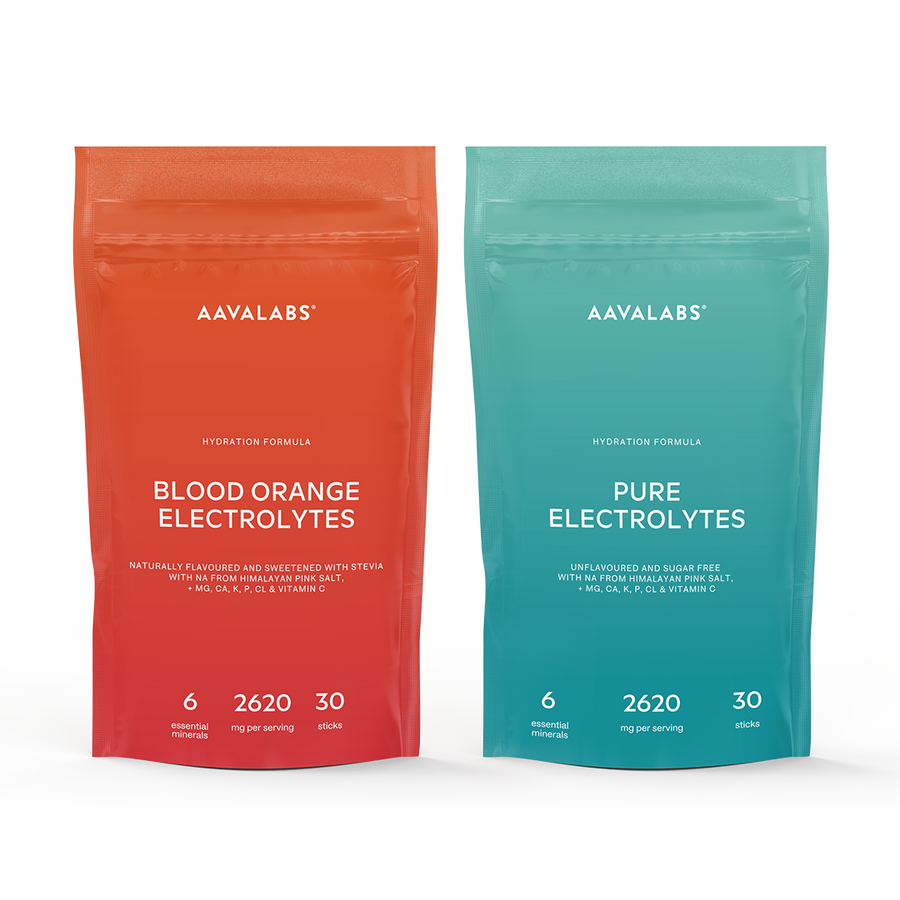
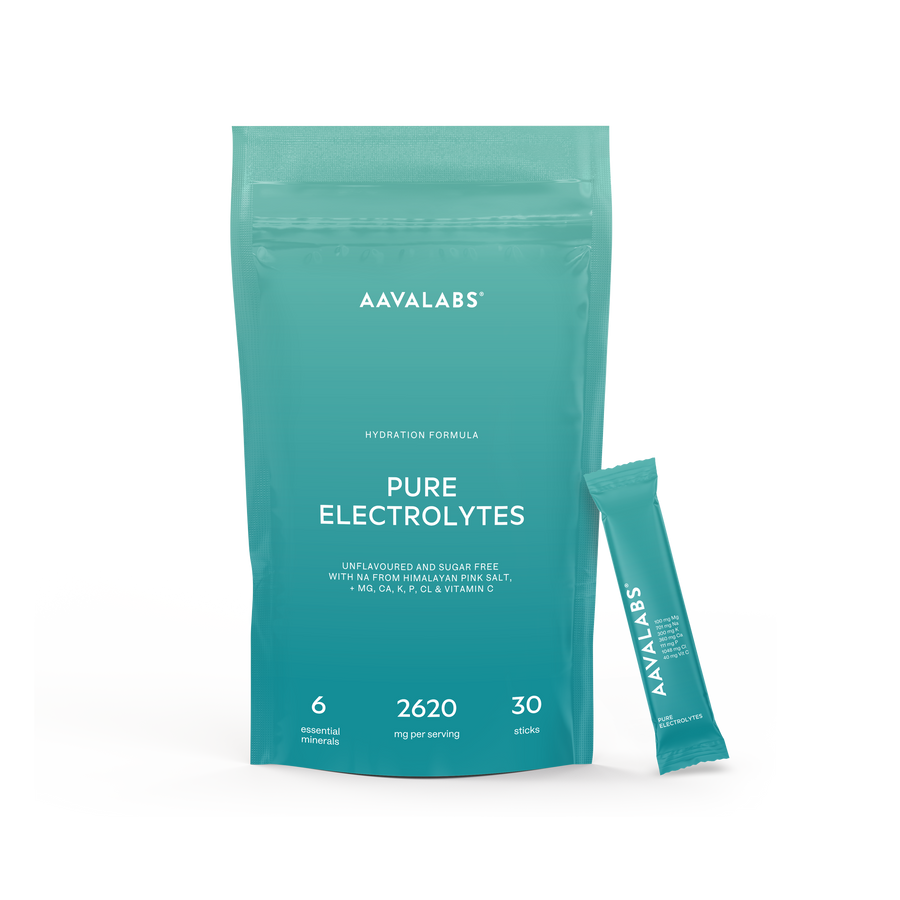
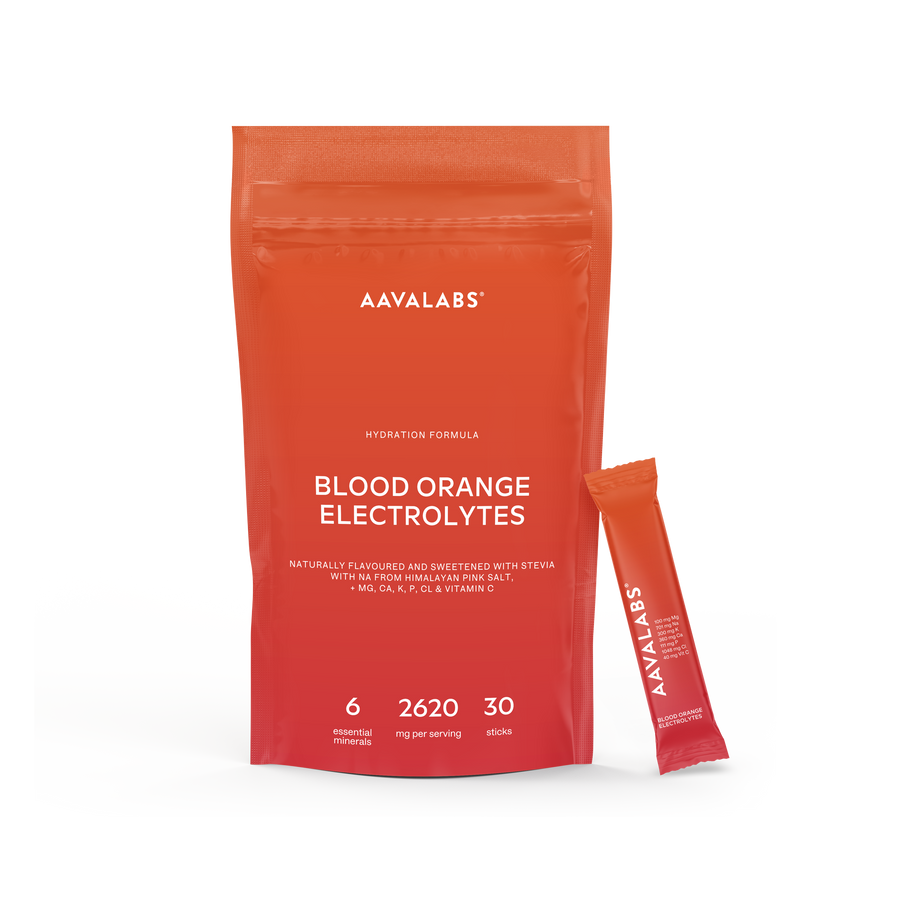
If you are looking for a convenient way to add electrolytes to your routine, explore our Aavalabs Electrolytes, designed to make electrolyte intake easy at home, at the gym or on the go.
Frequently Asked Questions
What are electrolytes?
Electrolytes are minerals that carry an electrical charge when dissolved in body fluids. The main electrolytes include sodium, potassium, magnesium, calcium, chloride and phosphate.
What do electrolytes do?
Electrolytes are involved in fluid balance, muscle function, nerve signalling and other normal physiological processes. Different electrolytes perform different functions and work together to maintain the body's internal balance.
Do electrolytes help with hydration?
Electrolytes are part of the body's normal hydration processes because they help regulate fluid balance and the movement of water throughout the body. During heavy sweating, both water and electrolytes are lost.
Are electrolytes better than water?
No. Water and electrolytes perform different functions and work together. Water provides fluid, while electrolytes help regulate fluid balance and support other physiological processes.
Do you lose electrolytes when you sweat?
Yes. Sweat contains water and electrolytes, particularly sodium. The amount lost varies depending on factors such as individual sweat rate, temperature, exercise intensity and duration.
Which foods contain electrolytes?
Electrolytes occur naturally in many foods. Potassium is found in foods such as potatoes, bananas and beans, magnesium in nuts, seeds and whole grains, calcium in dairy products and fortified alternatives, and sodium and chloride in foods containing salt.
Are electrolytes only for athletes?
No. Everyone needs electrolytes because they are involved in essential physiological functions. Athletes often pay particular attention to them because prolonged exercise and heavy sweating can increase fluid and electrolyte losses.
When should you take electrolytes?
There is no universal time when everyone needs additional electrolytes. They may become particularly relevant during prolonged exercise, heavy sweating, hot weather or other situations involving increased fluid loss.
Can you get enough electrolytes from food?
Yes. For most healthy adults, a varied and balanced diet provides sufficient electrolytes for everyday needs. Additional electrolyte products may offer convenience during periods of increased fluid and mineral loss.
Can you drink electrolytes every day?
Electrolytes are naturally part of everyday nutrition. Whether an additional electrolyte supplement is needed every day depends on factors such as diet, exercise, climate and individual fluid losses. Always follow the recommended intake of the specific supplement.
What is the difference between electrolytes and sports drinks?
Electrolytes are minerals such as sodium, potassium and magnesium. Sports drinks are beverages that may contain electrolytes together with water, carbohydrates, flavours and other ingredients. Electrolyte powders can also vary in composition and may be available with or without added sugar.
Can you take electrolytes after a sauna?
Sauna use increases sweating, which means the body loses both water and electrolytes. Replacing fluids after a sauna is important, and electrolyte intake may also be relevant depending on the duration of the sauna session and how much you sweat.
Can you drink electrolytes without exercising?
Yes. Electrolytes are essential minerals needed regardless of whether you exercise. Whether you need an additional electrolyte supplement depends on your diet, lifestyle and individual fluid losses.