Strong bones and healthy muscles help you stay active throughout life. Discover how regular exercise, strength training and essential nutrients such as vitamin D, calcium, magnesium and vitamin C contribute to normal bone and muscle health.
Strong bones and healthy muscles are essential for movement, strength and staying active throughout life. While our bodies naturally change as we age, regular physical activity and good nutrition can help maintain normal bones and muscle function.
From strength training and everyday movement to nutrients such as vitamin D, calcium, magnesium and vitamin C, there are many simple ways to support your musculoskeletal health.
So, how can you keep your bones and muscles healthy? Here are some of the most important habits to include in your routine.
Why Are Healthy Bones and Muscles Important?
Your bones provide structure, protect your organs and work together with your muscles to help you move. Muscles support movement, posture and everyday activities, from walking and climbing stairs to carrying groceries and exercising.
Bone mass develops throughout childhood and early adulthood. Later in life, maintaining bone health becomes increasingly important, particularly as age-related changes can affect both bone density and muscle mass.
The good news is that movement, resistance exercise and a balanced diet can all contribute to maintaining healthy bones and muscles.
1. Exercise Regularly
Physical activity is one of the foundations of maintaining healthy muscles and bones.
Different forms of movement offer different benefits. Weight-bearing activities such as walking, running and climbing stairs place healthy mechanical stress on the skeleton, while resistance training challenges your muscles.
Try to combine different types of activity, including:
- Strength or resistance training
- Walking or hiking
- Running
- Swimming
- Cycling
- Yoga or mobility exercises
Consistency matters more than choosing the perfect workout. Finding activities you enjoy can make it much easier to keep moving regularly.
If you have existing joint problems, injuries or health conditions, speak with a healthcare professional or physiotherapist about which types of exercise are appropriate for you.
2. Include Strength Training
Strength training becomes particularly important as we get older because muscle mass and strength can naturally decline with age.
Resistance exercises challenge your muscles and can be performed using:
- Free weights
- Resistance bands
- Gym machines
- Bodyweight exercises
You do not need to lift extremely heavy weights to benefit. The goal is to challenge your muscles progressively while using appropriate technique and allowing enough time for recovery.
3. Get the Right Nutrients for Bones and Muscles
Exercise is only one part of the picture. Your body also needs an adequate supply of nutrients to maintain normal bones and muscle function.
Some particularly important nutrients include:
Vitamin D
Vitamin D contributes to the maintenance of normal bones and normal muscle function. It also contributes to normal absorption and utilisation of calcium and phosphorus and to normal blood calcium levels.
Your body can produce vitamin D when your skin is exposed to sunlight. Vitamin D can also be obtained through certain foods and supplements.
Calcium
Calcium is needed for the maintenance of normal bones and contributes to normal muscle function.
Dietary sources include dairy products, fortified plant-based alternatives, certain leafy vegetables and other calcium-rich foods.
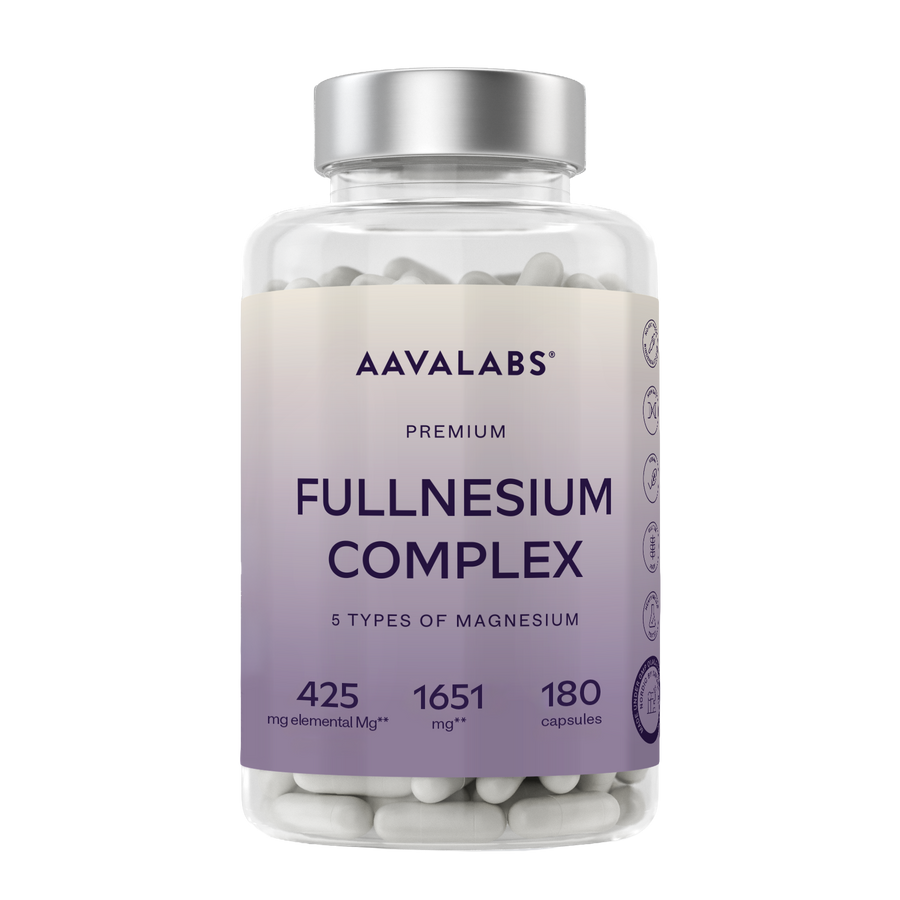
Magnesium
Magnesium contributes to the maintenance of normal bones and normal muscle function. It also contributes to normal functioning of the nervous system and normal energy-yielding metabolism.
Magnesium can be found naturally in foods such as nuts, seeds, whole grains and leafy green vegetables.
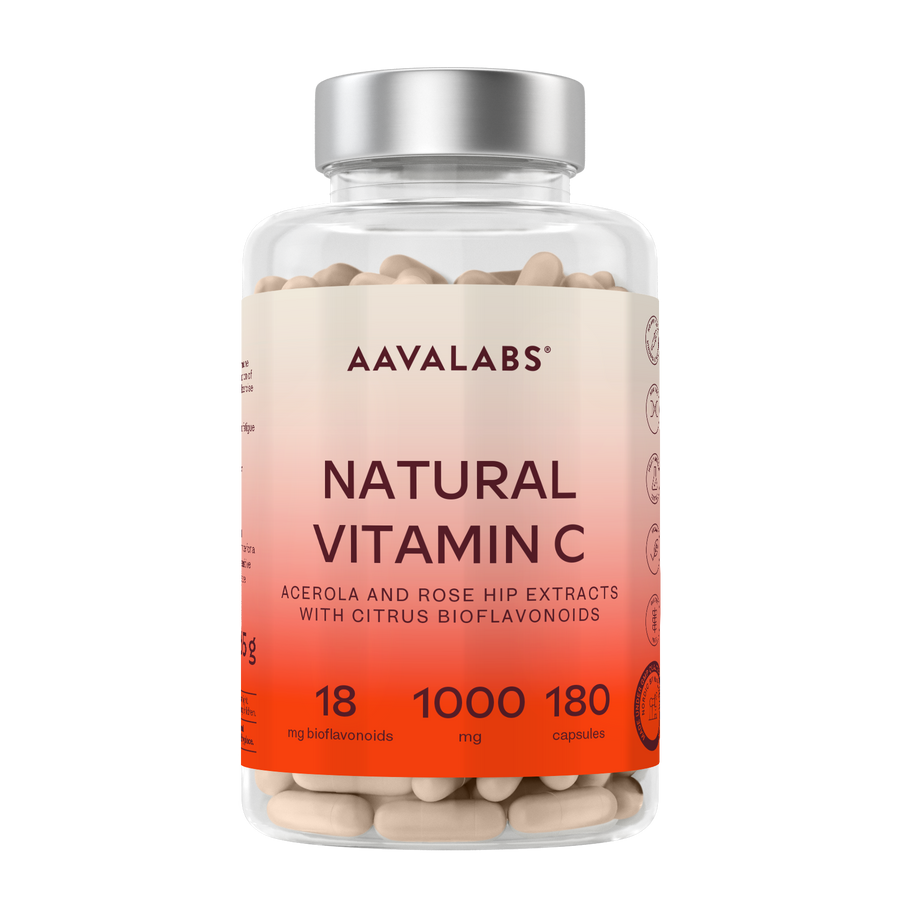
Vitamin C
Vitamin C contributes to normal collagen formation for the normal function of bones and cartilage.
Good dietary sources include citrus fruits, berries, peppers, broccoli and other fruits and vegetables.
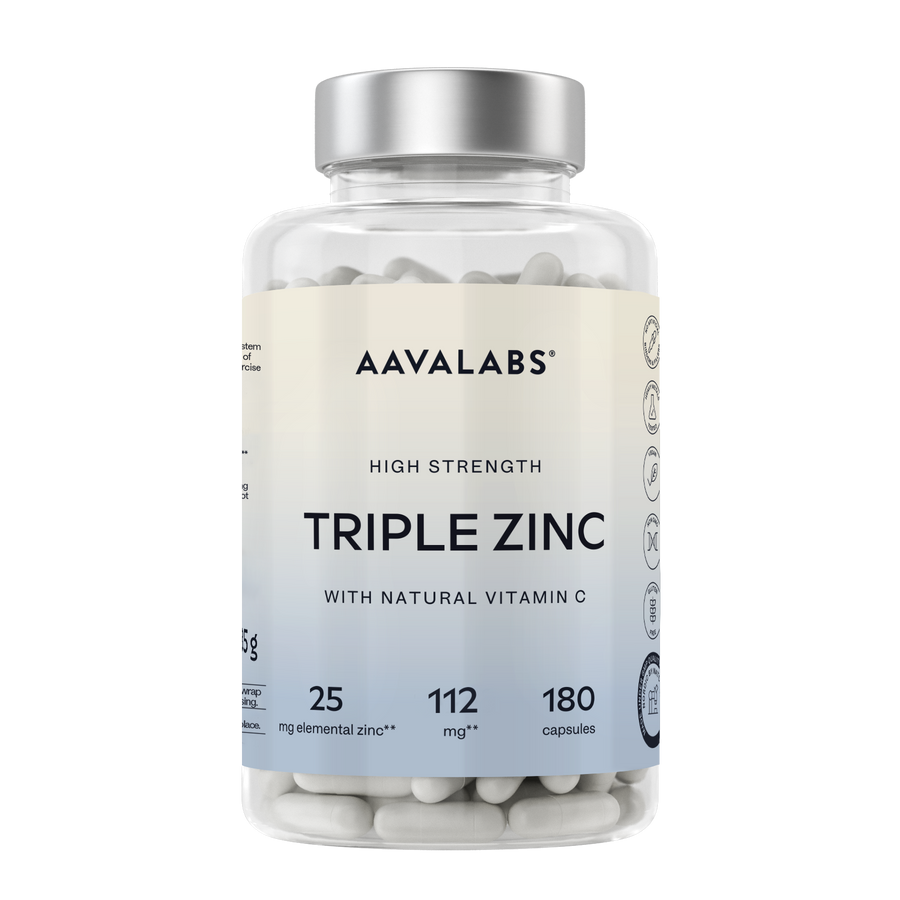
Zinc
Zinc contributes to the maintenance of normal bones. It is found naturally in foods such as meat, shellfish, legumes, nuts and seeds.
Protein
Protein is an important part of a balanced diet and contributes to the growth and maintenance of muscle mass. It also contributes to the maintenance of normal bones.
Protein-rich foods include fish, meat, eggs, dairy products, tofu, beans, lentils, nuts and seeds.
4. Make Movement Part of Your Day
A workout is valuable, but what you do during the rest of the day matters too.
If you spend long periods sitting at a desk, try to incorporate regular movement breaks. Stand up, walk around, stretch or change position throughout the day.
Simple habits can make movement easier to integrate into everyday life:
- Take the stairs when possible
- Walk short distances instead of driving
- Take short movement breaks during the working day
- Go for a walk after meals
- Alternate between sitting and standing
5. Include Mobility and Stretching
Strength is important, but maintaining mobility is also useful for staying active.
Stretching and mobility exercises can help maintain your range of motion and complement strength and cardiovascular training.
Yoga, dynamic mobility exercises and gentle stretching can all be incorporated into your routine. Rather than aiming for extreme flexibility, focus on comfortable, controlled movement.
6. Support Your Bones and Muscles as You Age
Supporting musculoskeletal health is a long-term process. Rather than waiting until problems appear, healthy habits can become part of your routine at any age.
Focus on the foundations:
- Move regularly
- Include resistance training
- Eat enough protein
- Consume a varied and balanced diet
- Get adequate calcium, vitamin D, magnesium and other essential nutrients
- Prioritise recovery and sleep
- Avoid long periods of inactivity when possible
Do You Need Supplements for Healthy Bones and Muscles?
A varied and balanced diet should provide the foundation of your nutrient intake. However, individual requirements can differ depending on factors such as diet, age, lifestyle and sun exposure.
Supplements can help complement your diet when needed. Nutrients commonly associated with normal bone and muscle function include vitamin D, calcium and magnesium, while vitamin C contributes to normal collagen formation for the normal function of bones and cartilage.
If you are unsure whether you are getting enough of a particular nutrient, a healthcare professional can help you assess your individual needs.
Build Strong Foundations for the Future
There is no single secret to maintaining healthy bones and muscles. Instead, it comes down to the habits you repeat over time.
Regular movement, strength training, adequate protein and a varied diet containing essential vitamins and minerals all contribute to supporting your body throughout life.
Whether you are in your twenties, forties or beyond, it is never too early to start building habits that help you stay strong, mobile and active.