Omega-3 fatty acids are important components of a balanced diet, but what can they really do for your skin and nails? Learn about EPA, DHA and ALA, their role in the body, the best food sources and what current research tells us about omega-3 and skin health.
Omega-3 fatty acids are best known for their roles in heart, brain and eye health, but they are also frequently discussed in relation to skin and beauty. So what does the research actually tell us about omega-3 for skin and nails?
Omega-3 fatty acids are a family of polyunsaturated fats that include ALA, EPA and DHA. They are found in foods such as fatty fish, algae, flaxseeds, chia seeds and walnuts and form part of a balanced diet.
Research into omega-3 and skin health is developing, particularly around the relationship between dietary fats, skin structure and inflammatory processes. The evidence for direct effects on nail strength or growth is much more limited, making it important to separate established nutritional functions from emerging research.
What Are Omega-3 Fatty Acids?
There are three main omega-3 fatty acids commonly found in the diet: ALA (alpha-linolenic acid), EPA (eicosapentaenoic acid) and DHA (docosahexaenoic acid).
ALA is an essential fatty acid, meaning the body cannot produce it and it must be obtained through food. It is found primarily in plant foods such as flaxseeds, chia seeds and walnuts.
EPA and DHA are long-chain omega-3 fatty acids found primarily in fatty fish and algae. The body can convert some ALA into EPA and DHA, but this conversion is limited.
EPA and DHA have several established nutritional functions. EPA and DHA contribute to the normal function of the heart, while DHA contributes to the maintenance of normal brain function and normal vision.
What Role Do Fatty Acids Play in the Skin?
The skin is much more than the body's outer surface. It is a complex organ made up of several layers that work together to provide a protective barrier between the body and the external environment.
Lipids are an important part of this barrier. They help create the structure of cell membranes and form part of the skin's natural lipid environment.
Essential fatty acids therefore form part of normal nutrition for the skin, just as proteins, vitamins and minerals do.
However, this does not mean that consuming more omega-3 automatically produces smoother, clearer or younger-looking skin. Skin appearance is influenced by many factors including genetics, age, hormones, sun exposure, hydration, diet, sleep and skincare.
What Does Research Say About Omega-3 and Skin Health?
Researchers have investigated omega-3 fatty acids in relation to several aspects of skin physiology, including the skin barrier, inflammatory processes and responses to environmental stress.
EPA and DHA are incorporated into cell membranes and can influence the production of signalling molecules involved in inflammatory processes. This biological role is one reason researchers are interested in their potential relationship with skin health.
Some studies have investigated omega-3 supplementation in areas such as skin hydration, sensitivity and responses to UV exposure. However, findings vary depending on the population, dose, duration and type of omega-3 studied.
Omega-3 supplements should therefore not be considered a treatment for skin conditions. Anyone experiencing persistent or severe skin symptoms should speak with an appropriate healthcare professional.
Can Omega-3 Help With Dry Skin?
Dietary fats contribute to the overall nutritional environment needed to maintain normal skin structure. Because fatty acids are components of cell membranes and skin lipids, researchers have explored whether omega-3 intake may influence skin hydration and barrier function.
Some studies suggest a relationship between certain fatty acids and measures of skin hydration or barrier function, but the evidence is not strong enough to promise that an omega-3 supplement will resolve dry skin.
Persistent dryness can have many causes, including environmental conditions, skincare habits and underlying skin conditions. Nutrition is therefore best considered one part of a broader approach to skin health.
What About Omega-3 and Skin Ageing?
Skin ageing is influenced by both intrinsic factors, such as genetics and natural ageing, and external factors including UV exposure, smoking and environmental stress.
Omega-3 fatty acids are being studied for their relationship with cellular membranes and inflammatory processes, but they should not be positioned as an anti-ageing treatment.
For long-term skin health, everyday habits such as protecting the skin from excessive UV exposure, eating a varied diet, avoiding smoking and following an appropriate skincare routine remain important.
Does Omega-3 Help With Acne, Eczema or Other Skin Conditions?
Omega-3 fatty acids are sometimes promoted for acne, eczema, psoriasis and other inflammatory skin concerns because EPA and DHA participate in pathways involved in inflammatory signalling.
Research in these areas is ongoing, and results are not sufficiently consistent to consider omega-3 supplementation a treatment for these conditions.
Skin conditions can have many different causes and often require individual assessment. Supplements should not replace appropriate dermatological care or prescribed treatment.
Does Omega-3 Make Your Nails Stronger?
Claims that omega-3 directly strengthens nails, increases keratin production or accelerates nail growth are common online, but the scientific evidence supporting these specific effects is limited.
Nails are primarily composed of keratin, a structural protein. Their appearance and strength can be influenced by factors including overall nutrition, repeated exposure to water and chemicals, physical damage, age and certain health conditions.
A balanced diet that provides adequate protein, essential fatty acids, vitamins and minerals contributes to overall nutritional health. However, omega-3 should not be presented as a proven solution for brittle or splitting nails.
Persistent changes in nail colour, shape, texture or strength can have causes unrelated to nutrition and may warrant professional assessment.
Which Foods Are Rich in Omega-3?
Omega-3 can be obtained from both animal and plant-based foods.
Fatty fish such as salmon, mackerel, herring and sardines are well-known sources of EPA and DHA.
Plant foods including flaxseeds, chia seeds and walnuts provide ALA. Because conversion of ALA into EPA and DHA is limited, algae provide an especially useful direct source of long-chain omega-3 fatty acids for people following vegan or vegetarian diets.
Eating a varied diet that includes these foods can help increase overall omega-3 intake.
What Is the Difference Between Fish Oil and Algae Omega-3?
Fish oil and algae oil can both provide long-chain omega-3 fatty acids.
Fish obtain EPA and DHA through the marine food chain, which ultimately begins with microalgae. Algae oil therefore offers a direct source of long-chain omega-3 without using fish.
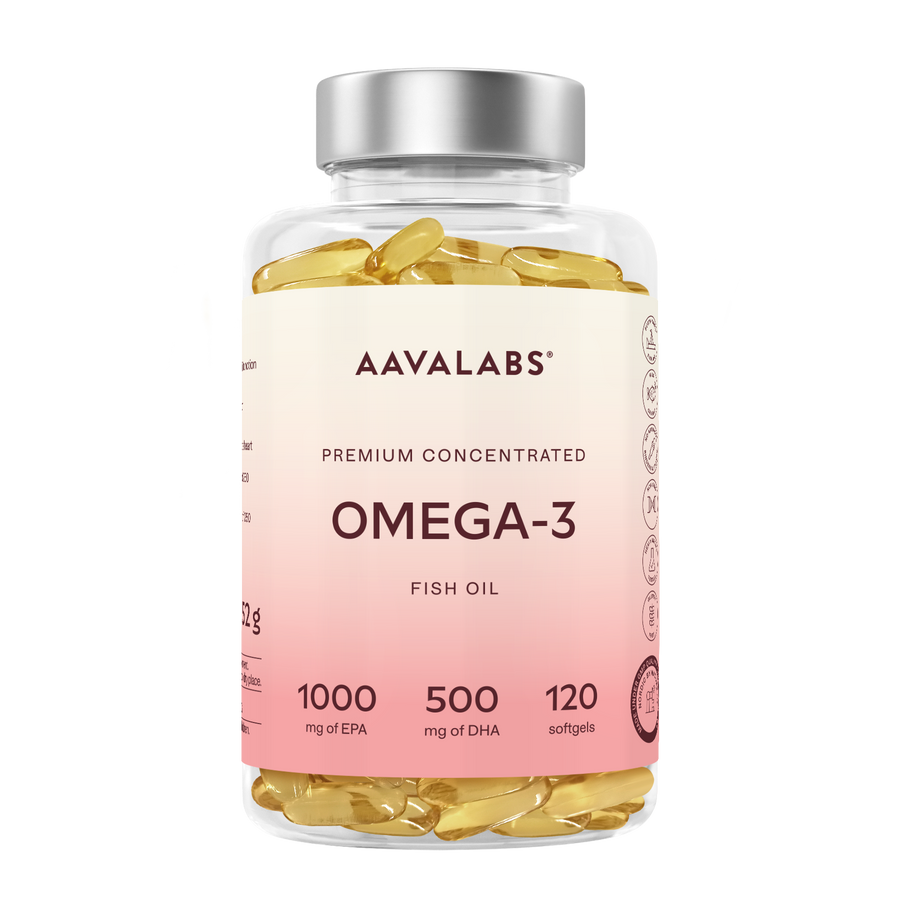
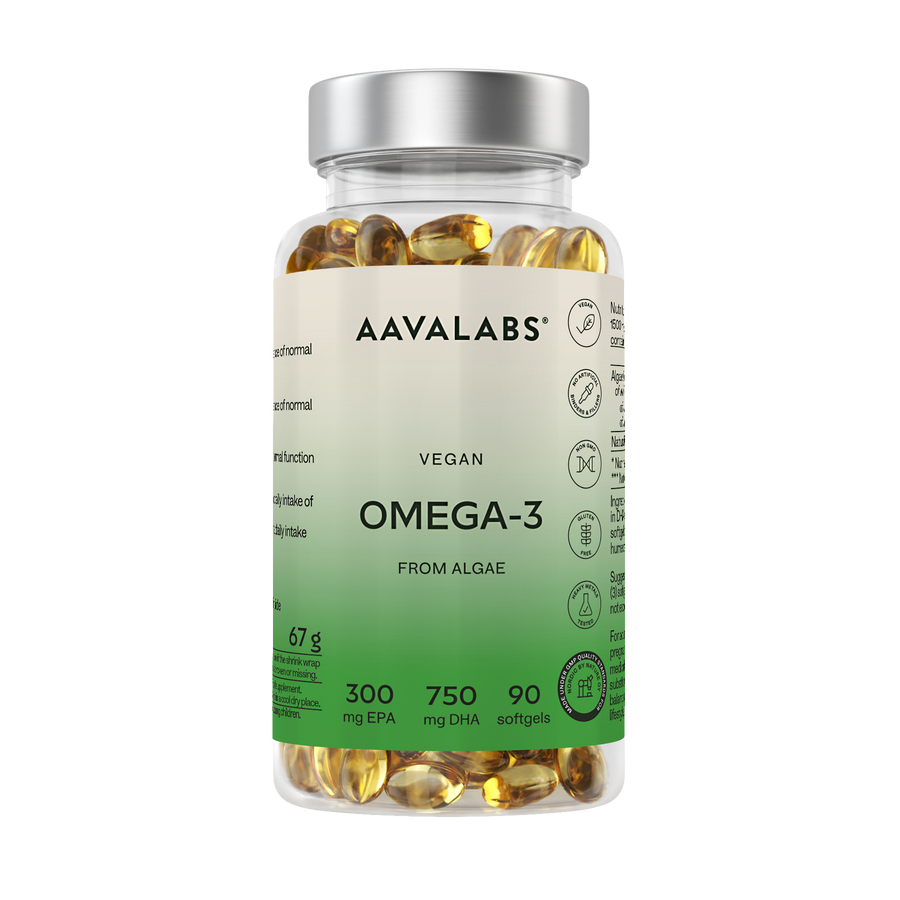
Our Premium Omega-3 Fish Oil provides EPA and DHA from fish oil, while our Vegan Omega-3 from Algae provides EPA and DHA from algae.
The appropriate option therefore depends largely on dietary preferences, the individual formulation and the amount of EPA and DHA provided.
How Much EPA and DHA Do You Need?
For normal heart function, the beneficial effect of EPA and DHA is obtained with a daily intake of 250 mg of EPA and DHA.
For DHA's contribution to the maintenance of normal brain function and normal vision, the beneficial effect is obtained with a daily intake of 250 mg of DHA.
These established intake levels relate to authorised health effects and should not be interpreted as specific doses for improving skin or nails.
Individual requirements can vary depending on diet and other factors. Always follow the directions provided with your supplement and speak with a healthcare professional if you have specific nutritional or health concerns.
How Can You Support Healthy Skin and Nails Through Nutrition?
No single nutrient determines how your skin or nails look. Both depend on overall nutritional status and a range of lifestyle factors.
A balanced approach includes adequate protein, essential fatty acids and a varied intake of fruits, vegetables, whole grains, nuts, seeds and other nutrient-rich foods.
Hydration, sufficient sleep and appropriate skincare also matter for skin, while protecting nails from repeated physical and chemical damage can help maintain their condition.
Omega-3 can form part of this broader nutritional foundation rather than being treated as a standalone beauty solution.
Beauty Starts With the Bigger Picture
Omega-3 fatty acids are important nutrients, but their value goes far beyond beauty trends.
ALA is an essential fatty acid, while EPA and DHA provide established nutritional benefits including contributing to normal heart function. DHA also contributes to the maintenance of normal brain function and normal vision.
Research into omega-3 and skin physiology is promising but still developing, while evidence for direct benefits to nail strength and growth remains limited.
Whether you choose fatty fish, plant sources of ALA, fish oil or algae-based omega-3, the bigger goal is the same: building a balanced diet that supports your body from within.
Frequently Asked Questions
Is omega-3 good for your skin?
Omega-3 fatty acids are components of cell membranes and are involved in biological pathways that have led researchers to investigate their relationship with skin health. Some studies have explored potential effects on skin hydration, barrier function and inflammatory processes, but research is still developing and omega-3 should not be considered a treatment for skin conditions.
Can omega-3 help dry skin?
Some research has investigated the relationship between fatty acid intake and skin hydration or barrier function. However, dry skin can have many causes and current evidence does not support presenting omega-3 supplements as a guaranteed solution.
Does omega-3 strengthen nails?
There is currently limited evidence that omega-3 supplementation directly strengthens nails or increases nail growth. Overall nutrition is important for normal nail structure, but claims that omega-3 specifically increases keratin production or prevents brittle nails should be treated cautiously.
What is the best omega-3 for a vegan diet?
ALA can be obtained from plant foods including flaxseeds, chia seeds and walnuts. Algae oil provides a direct vegan source of long-chain omega-3 fatty acids such as DHA and, depending on the formulation, EPA.
Is algae omega-3 the same as fish oil?
Both can provide the long-chain omega-3 fatty acids EPA and DHA. The exact amounts and ratios depend on the individual product. Algae oil provides these fatty acids without fish-derived ingredients and is therefore suitable for vegan diets.
How long does omega-3 take to improve skin?
There is no established timeframe in which omega-3 supplementation can be expected to visibly improve skin. Studies differ in duration, formulation and outcomes, and individual skin health is influenced by many factors beyond omega-3 intake.
Can omega-3 treat acne, eczema or psoriasis?
Omega-3 fatty acids have been studied in relation to inflammatory processes and several skin conditions, but supplements should not be considered a treatment for acne, eczema, psoriasis or other dermatological conditions. Persistent skin concerns should be assessed by an appropriate healthcare professional.