Your brain needs a steady supply of energy and essential nutrients to function normally. From omega-3 fatty acids to B vitamins, magnesium and antioxidants, nutrition plays an important role in supporting the nervous system and cognitive function.
Which nutrients are important for brain health? In this guide, we explore the role of DHA, B vitamins, magnesium, vitamin D and other nutrients, plus the everyday foods and habits that can help support your brain.
Your brain works around the clock. Whether you are concentrating at work, learning something new, solving a problem or simply having a conversation, your brain and nervous system are constantly active.
Sleep, movement and stress management all matter for cognitive wellbeing, but nutrition is another important part of the picture. The brain requires energy as well as a variety of essential nutrients to function normally.
So which nutrients are important for brain health and focus? Let’s look at omega-3 fatty acids, B vitamins, magnesium, vitamin D and other nutrients, as well as the everyday foods that can help you build a brain-friendly diet.
How Does Nutrition Affect Brain Health?
The brain represents only a small proportion of total body weight but requires a considerable amount of energy to carry out its many functions.
Nutrition provides both this energy and the nutrients required for processes throughout the nervous system.
No single food or supplement can guarantee better memory or concentration. Instead, a varied and balanced diet provides the foundation for normal cognitive and neurological function.
Which Nutrients Are Important for Brain Health?
A wide range of nutrients contributes to normal physiological functions connected with the brain and nervous system. Some of the most relevant include omega-3 fatty acids, B vitamins, magnesium, vitamin D and nutrients involved in protecting cells from oxidative stress.
1. DHA: An Important Omega-3 for the Brain
Omega-3 fatty acids are a family of polyunsaturated fats that include ALA, EPA and DHA.
DHA contributes to the maintenance of normal brain function with a daily intake of 250 mg DHA.
DHA is found primarily in oily fish such as salmon, sardines, herring and mackerel. Microalgae can also provide a direct source of DHA, making algae-derived omega-3 an option for people following vegetarian or vegan diets.
The body can convert some plant-based ALA into EPA and DHA, but this conversion is limited.
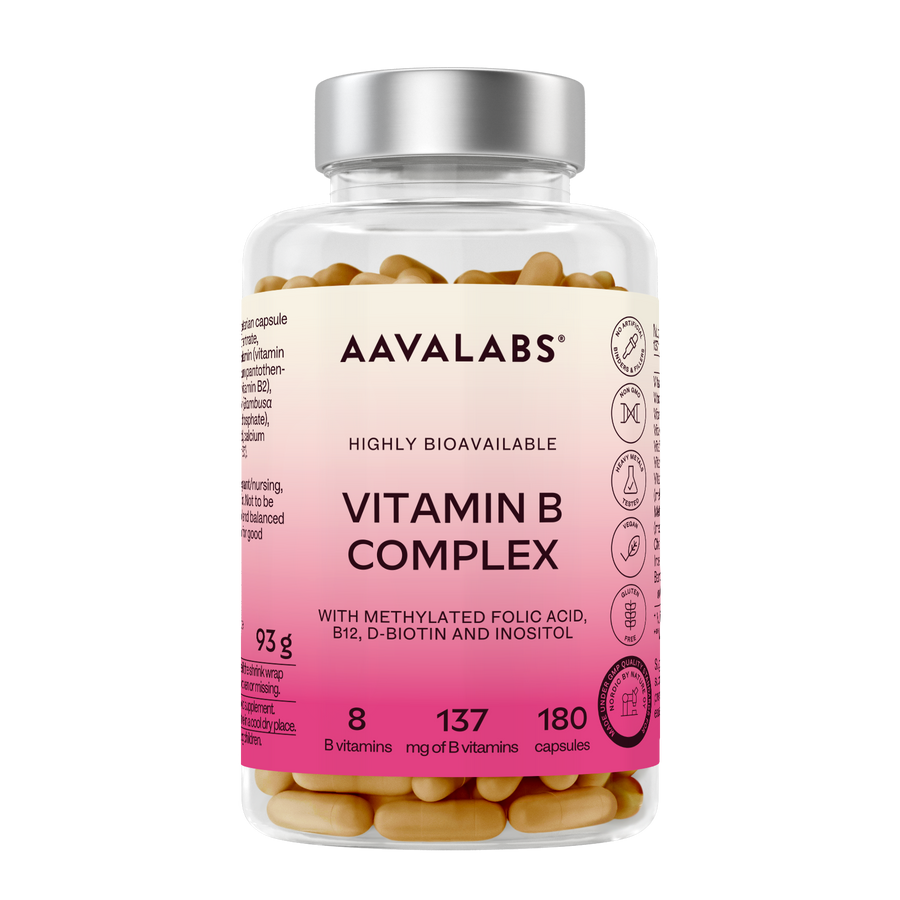
2. B Vitamins and the Nervous System
B vitamins are involved in numerous processes throughout the body, including energy metabolism and normal nervous system function.
Vitamins B1, B2, B3, B6, B7 and B12 contribute to the normal functioning of the nervous system.
Several B vitamins also contribute to normal psychological function, while vitamins B2, B3, B5, B6, B9 and B12 contribute to the reduction of tiredness and fatigue.
Vitamin B5 contributes to normal mental performance and to normal synthesis and metabolism of certain neurotransmitters.
Sources of B vitamins vary considerably and include whole grains, legumes, vegetables, nuts, seeds, eggs, dairy products, meat and fish.
Why Is Vitamin B12 Particularly Important for Plant-Based Diets?
Vitamin B12 is naturally found primarily in foods of animal origin. People following vegan diets therefore need to obtain adequate vitamin B12 from fortified foods or supplements.
Vitamin B12 contributes to normal neurological and psychological function as well as normal energy-yielding metabolism.
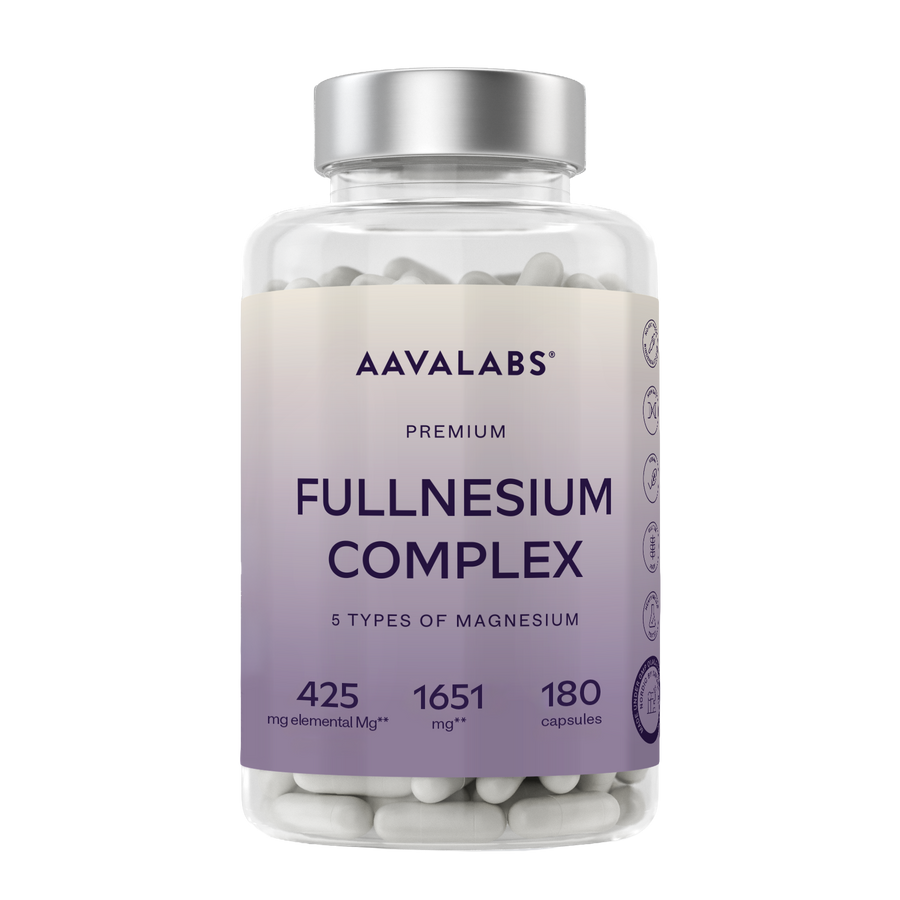
3. Magnesium and Normal Psychological Function
Magnesium is an essential mineral involved in numerous physiological processes.
Magnesium contributes to normal psychological function and the normal functioning of the nervous system.
It also contributes to normal energy-yielding metabolism and the reduction of tiredness and fatigue.
Dietary sources of magnesium include nuts, seeds, legumes, whole grains and green leafy vegetables.
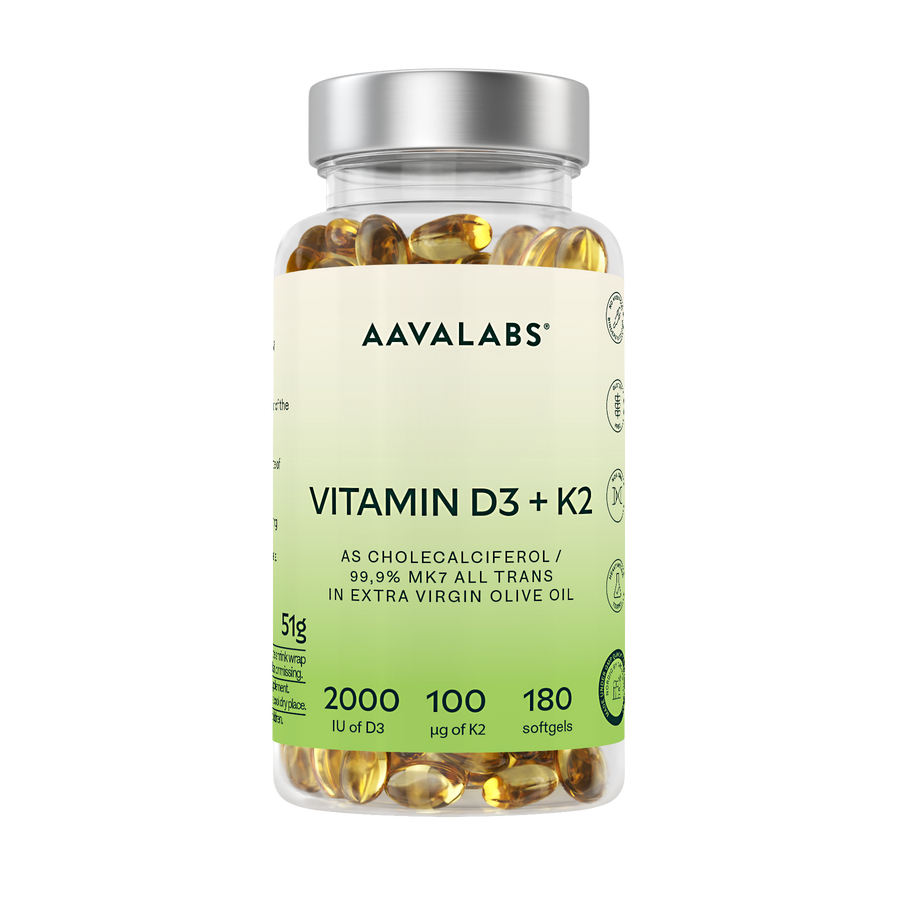
4. Vitamin D and the Nervous System
Vitamin D is best known for its established roles in bones, muscles and the immune system.
Vitamin D receptors are also found in various tissues throughout the body, and researchers continue to investigate the relationship between vitamin D status and different aspects of brain health.
However, associations between low vitamin D status and cognitive or mood-related outcomes do not mean that vitamin D supplements treat depression, memory problems or cognitive decline.
Vitamin D contributes to the normal function of the immune system and maintenance of normal muscle function and normal bones.
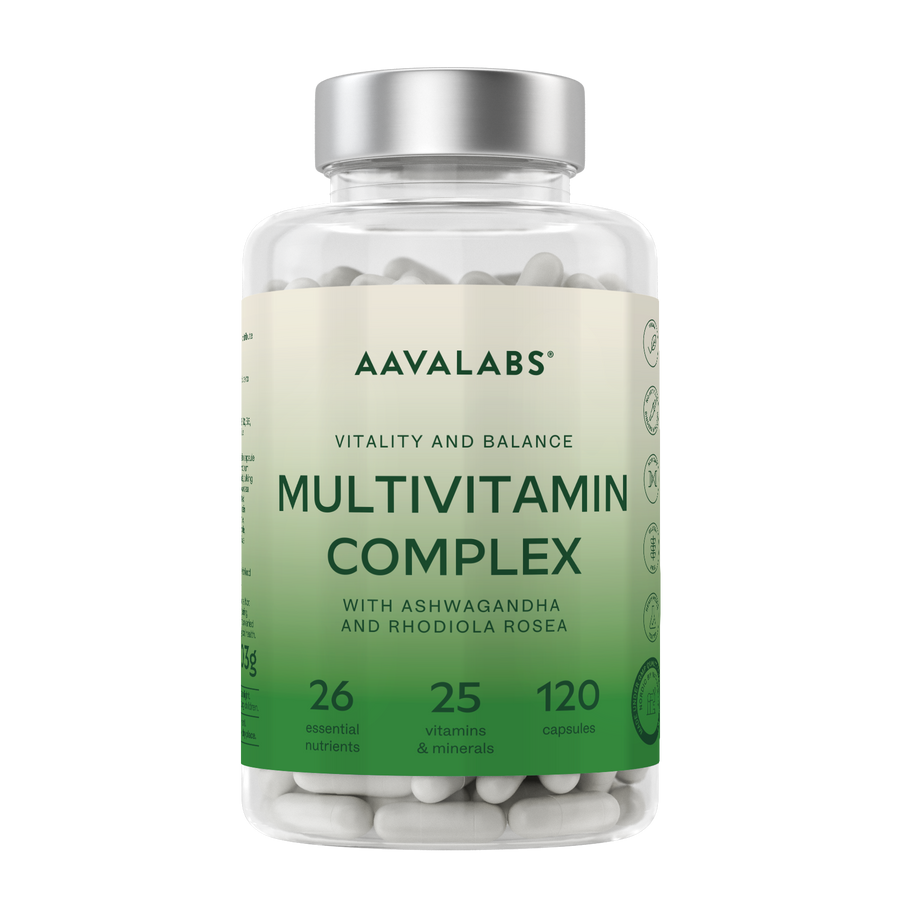
5. Nutrients That Protect Cells from Oxidative Stress
Oxidative stress describes an imbalance between reactive compounds and the body's ability to manage them.
Several nutrients have recognised roles in protecting cells from oxidative stress.
Vitamin C, vitamin E, zinc, selenium and riboflavin contribute to the protection of cells from oxidative stress.
Rather than focusing exclusively on supplements, aim for a varied diet containing plenty of different plant foods.
Vegetables, fruits, berries, nuts, seeds and other whole foods can provide a broad range of vitamins, minerals and naturally occurring plant compounds.
6. Iron and Cognitive Function
Iron is another important nutrient when discussing energy and cognitive function.
Iron contributes to normal cognitive function and normal energy-yielding metabolism. It also contributes to the normal formation of red blood cells and haemoglobin and to normal oxygen transport in the body.
Iron can be obtained from foods such as meat, seafood, legumes, tofu, nuts, seeds and fortified foods.
Iron supplementation should not be taken automatically simply to improve concentration or energy. Individual iron requirements vary, and suspected deficiency should be appropriately assessed.
7. Iodine and Normal Cognitive Function
Iodine is often associated with thyroid function, but it also has a recognised role in cognition.
Iodine contributes to normal cognitive function and the normal functioning of the nervous system.
It also contributes to the normal production of thyroid hormones and normal thyroid function.
Dietary sources can include fish, seafood, dairy products and iodised salt, although availability varies according to dietary habits and location.
What Foods Support a Brain-Friendly Diet?
There is no single "brain food" that provides everything your nervous system needs. A varied diet is more important than relying on individual ingredients.
Useful foods to include regularly can include:
- Oily fish for EPA and DHA
- Leafy green vegetables for folate and other micronutrients
- Nuts and seeds for magnesium, healthy fats and other nutrients
- Whole grains for B vitamins and carbohydrates
- Legumes for protein, iron, magnesium and B vitamins
- Berries and colourful vegetables for vitamin C and naturally occurring plant compounds
- Eggs, dairy, fish and meat for nutrients including vitamin B12
Does Hydration Affect Concentration?
Nutrition is only one part of supporting cognitive performance. Adequate hydration is also important for normal physiological function.
Water requirements vary depending on factors such as temperature, physical activity, diet and individual circumstances.
Keeping water readily available and drinking regularly throughout the day can make hydration easier to maintain.
Can Supplements Improve Focus and Memory?
Supplements can help provide specific nutrients when dietary intake is insufficient or when nutritional requirements are difficult to meet through food alone.
However, supplements should not be viewed as a shortcut to better memory, concentration or mental performance.
Whether supplementation is useful depends on factors including your diet, lifestyle, nutritional status and individual requirements.
A varied and balanced diet should remain the foundation, with supplements used to complement it where appropriate.
What Else Can Support Brain Health and Focus?
Good nutrition works alongside other lifestyle factors rather than in isolation.
Some useful foundations include:
- Getting sufficient and consistent sleep
- Staying physically active
- Eating regular, balanced meals
- Staying adequately hydrated
- Taking breaks during prolonged periods of concentration
- Managing everyday stress
- Keeping mentally and socially active
Supporting brain health is less about finding one perfect supplement and more about creating sustainable habits that support your overall health.
Frequently Asked Questions About Nutrition and Brain Health
What are the best nutrients for brain health?
There is no single best nutrient for the brain. DHA contributes to the maintenance of normal brain function, while nutrients including certain B vitamins, magnesium and iodine contribute to normal nervous system or psychological function. A varied diet helps provide the range of nutrients the body needs.
Which vitamin helps with concentration?
Several nutrients have recognised roles related to cognition and mental performance. Iron and iodine contribute to normal cognitive function, while pantothenic acid contributes to normal mental performance.
Is omega-3 good for the brain?
Yes. DHA contributes to the maintenance of normal brain function when consumed at a daily intake of 250 mg DHA.
Which foods contain omega-3 for the brain?
Oily fish such as salmon, sardines, mackerel and herring provide EPA and DHA. Algae can provide a plant-based source of long-chain omega-3, while flaxseeds, chia seeds and walnuts provide ALA.
Does magnesium help with focus?
Magnesium contributes to normal psychological function and normal functioning of the nervous system. It should not, however, be described as directly improving concentration or treating cognitive difficulties.
Can vitamin B12 deficiency affect concentration?
Vitamin B12 contributes to normal nervous system and psychological function and to the reduction of tiredness and fatigue. If you suspect a deficiency, appropriate testing and professional advice can help determine whether supplementation is needed.
Do I need brain health supplements?
Not necessarily. Many people can obtain the nutrients they need through a varied diet. Supplements can be useful when they help meet a specific nutritional need or when adequate intake is difficult to achieve through food alone.
Key Takeaways
- Nutrition provides the brain and nervous system with energy and essential nutrients.
- DHA contributes to the maintenance of normal brain function with a daily intake of 250 mg.
- Several B vitamins and magnesium contribute to the normal functioning of the nervous system.
- Iron and iodine contribute to normal cognitive function.
- Vitamin B5 contributes to normal mental performance.
- Vitamin C, vitamin E, zinc, selenium and riboflavin contribute to the protection of cells from oxidative stress.
- A varied diet is more important than relying on one individual "brain food".
- Sleep, hydration, physical activity and stress management are also important foundations for cognitive wellbeing.
Nourishing Your Brain for the Long Term
Supporting your brain does not require a complicated routine. Start with the foundations: a varied diet, adequate hydration, regular movement, sufficient sleep and time to recover.
Foods rich in omega-3 fatty acids, B vitamins, magnesium, iron and other essential nutrients can all form part of a balanced diet that supports normal cognitive and nervous system function.
Supplements can complement that foundation where appropriate, but the bigger picture matters most. Consistent everyday habits are what help support your brain and overall wellbeing over the long term.
This article is for informational purposes only and is not intended to diagnose, treat, cure or prevent any disease. Persistent or unexplained changes in memory, concentration, mood or cognitive function should be discussed with an appropriate healthcare professional.