Over two million blood cells perish every second. Here is how B vitamins, iron, copper and omega-3 fatty acids support the constant production of immune cells your body depends on
A healthy immune system depends on the constant production of immune cells in the bone marrow. Over two million blood cells perish every second, meaning the body must continuously generate new ones. Key nutrients including B vitamins, copper, iron and omega-3 fatty acids directly support this process. Without adequate supplies of these nutrients, immune cell production slows, leaving the body less equipped to fight infections effectively.
What are immune cells and how do they protect the body?
Immune cells are a diverse group of blood cells, including white blood cells, that work continuously to protect the body from pathogens. They are formed in the bone marrow and circulate through blood vessels and lymph channels. The immune system uses two primary strategies to defend against infection.
The first involves phagocytes, immune cells that engulf and digest bacteria and other pathogens directly. When the number of invaders becomes overwhelming, phagocytes call on T-helper cells, which relay precise information to plasma cells that develop targeted antibodies. Memory cells retain this information so the immune system can respond faster if the same pathogen invades again.
Where are blood cells produced and why does this matter?
Blood cells are produced in the bone marrow from stem cell precursors. Both red and white blood cells develop here before being released into the bloodstream once fully mature. The lifespan of mature blood cells is relatively short, ranging from a few days to several months. With over two million blood cells perishing every second, the bone marrow must produce new cells continuously to maintain immune and circulatory function.
This constant production is nutritionally demanding. When key nutrients are insufficient, the bone marrow cannot maintain adequate output, which weakens immune defences over time.
What happens when the body does not produce enough immune cells?
When immune cell production is insufficient or cells lose their functionality, the consequences can be serious. The immune system becomes less capable of preventing infection outbreaks, and recovery from illness takes longer. In some cases, when immune cells malfunction and misidentify the body's own tissue as foreign, they may attack skin, bones, organs or nerve cells, potentially contributing to chronic autoimmune conditions.
Which nutrients support immune cell production?
Several key nutrients directly support the production and function of immune cells in the bone marrow.
B vitamins
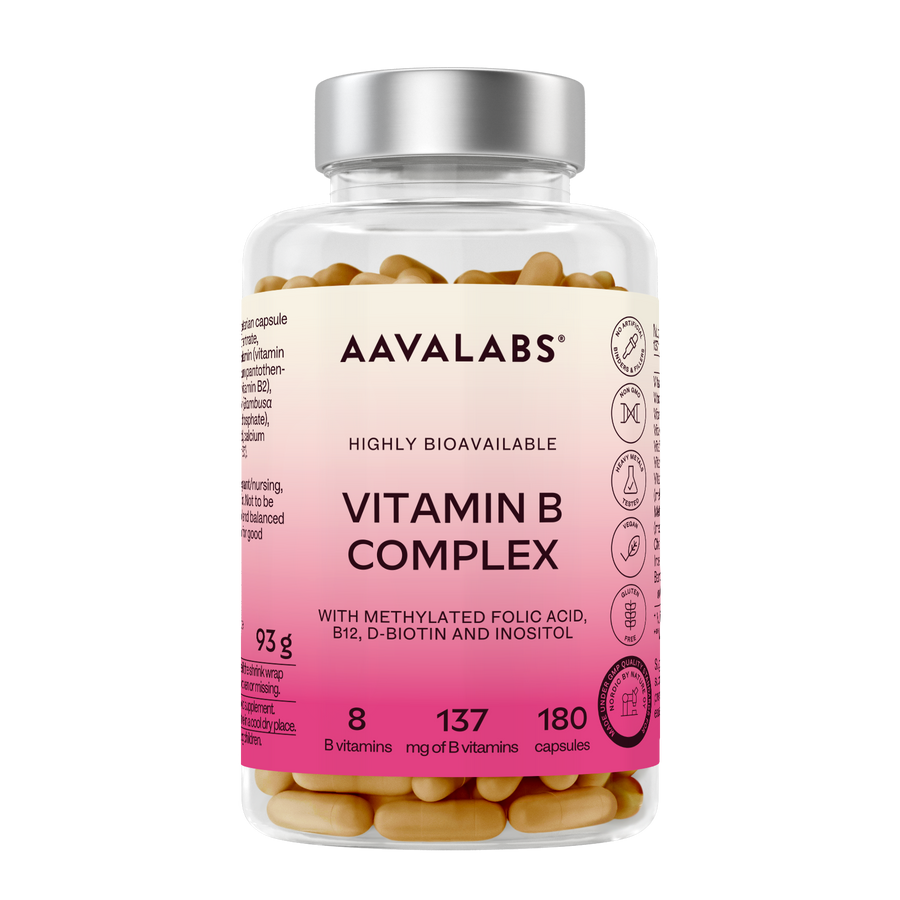
Vitamin B6, B12 and folic acid are essential for immune cell production. A deficiency in B vitamins often leads directly to reduced immune cell counts. B12 in particular is required for DNA synthesis during cell division, which is fundamental to the bone marrow's ability to generate new immune cells consistently. Our Vitamin B Complex contains all eight essential B vitamins for optimal blood cell production and energy metabolism.
Copper and iron
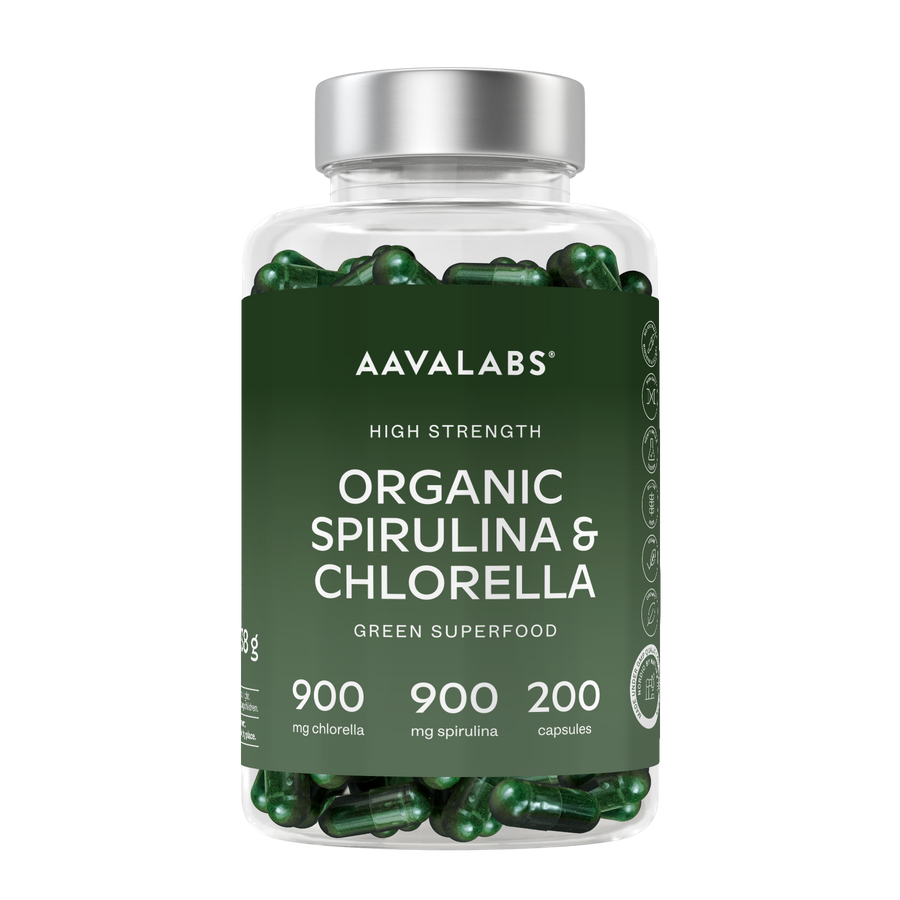
Copper aids in the absorption and utilisation of iron, making both trace elements vital for blood cell production. A copper deficiency can lead to iron deficiency even when dietary iron intake appears adequate, resulting in a reduced blood cell count and weakened immunity. Our Organic Spirulina and Chlorella Complex provides a natural source of iron and copper alongside other essential minerals that support immune function.
Omega-3 fatty acids
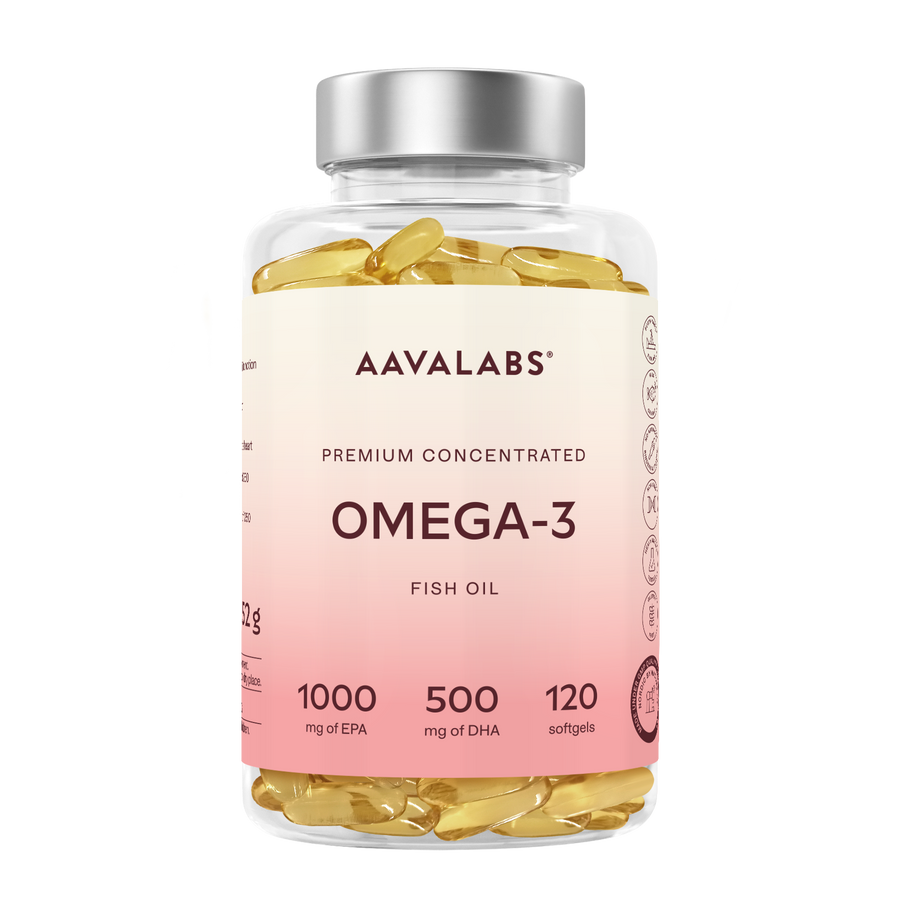
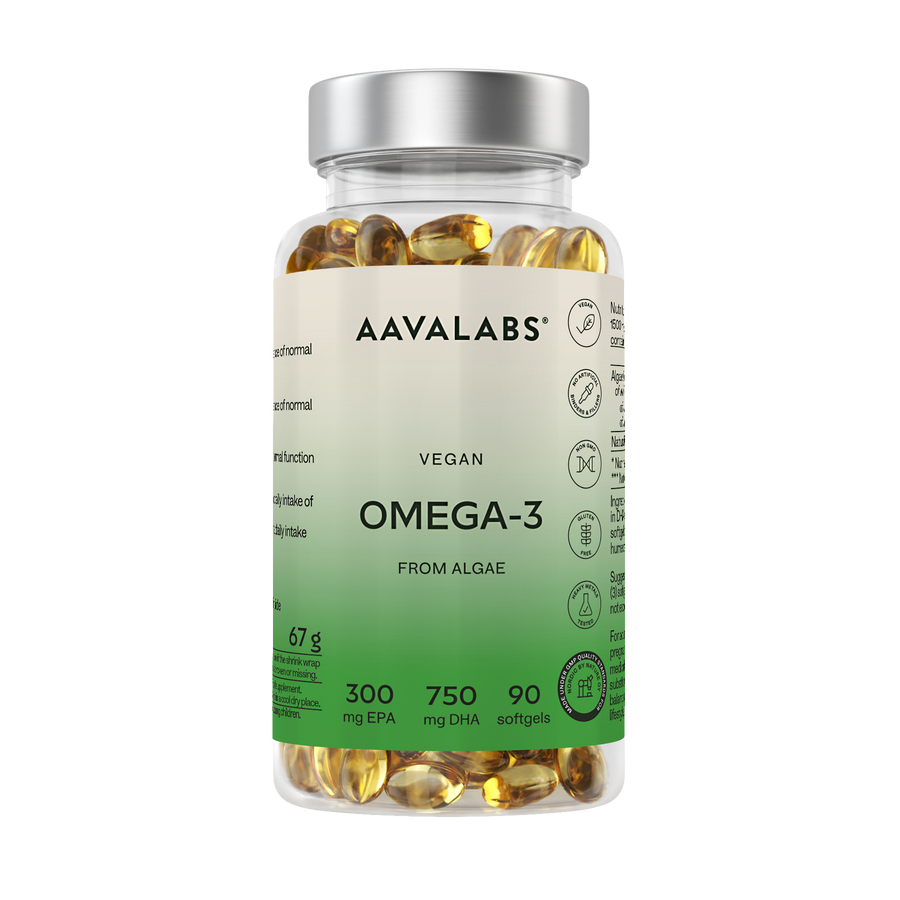
Omega-3 fatty acids support the production of phagocytes, the white blood cells responsible for engulfing and eliminating harmful bacteria. They also have anti-inflammatory properties that help the immune system respond appropriately without triggering excessive or prolonged inflammation. Our Premium Omega-3 Fish Oil and Vegan Omega-3 from Algae both provide EPA and DHA in bioavailable form.
How to support your immune system naturally every day
Supporting immune cell production is an ongoing commitment rather than a seasonal concern. A varied, nutrient-rich diet provides the foundation, and where nutritional gaps exist, targeted supplementation with B vitamins, iron and omega-3 fatty acids helps ensure the bone marrow has what it needs to maintain consistent immune cell production. Regular movement, quality sleep and stress management further support immune resilience throughout the year.
Frequently Asked Questions
Which vitamins support immune cell production?
Vitamin B6, B12 and folic acid are the most directly linked to immune cell production, as they are required for DNA synthesis during cell division in the bone marrow. Vitamin C supports the function of immune cells and acts as an antioxidant that protects them from oxidative damage. Vitamin D modulates immune responses and supports the activation of T-cells. Iron and copper are also essential for maintaining adequate blood cell counts.
How does iron deficiency affect the immune system?
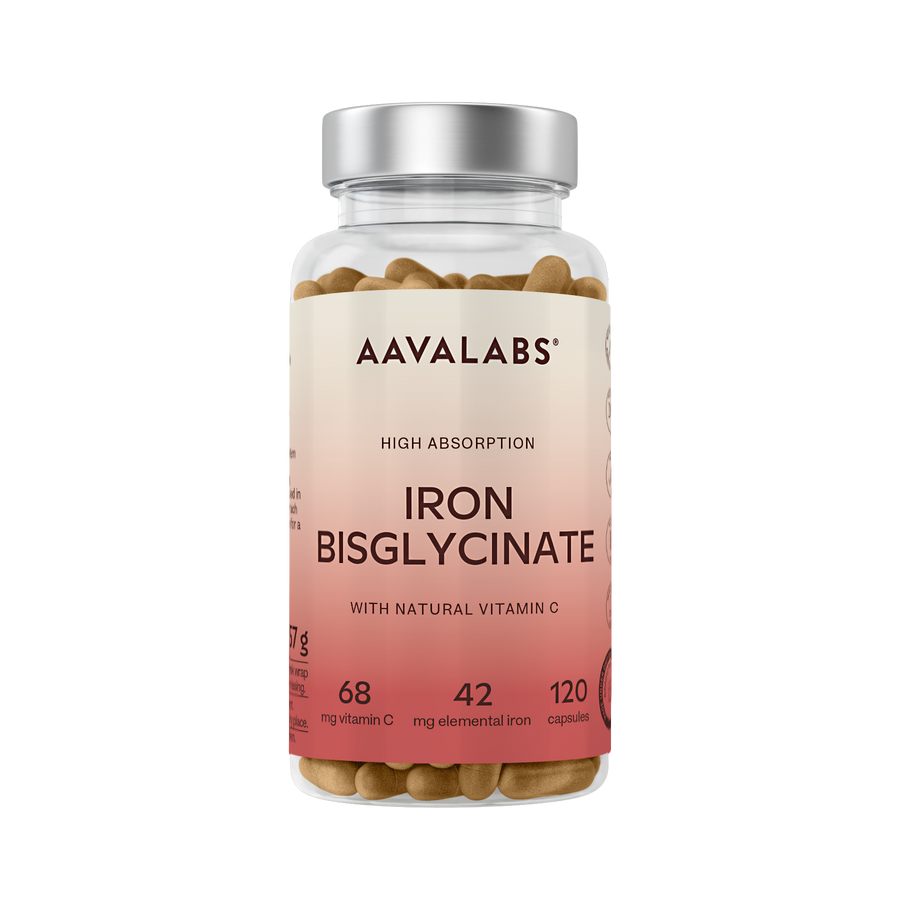
Iron is essential for the production of haemoglobin in red blood cells and plays a role in the function of immune cells. Iron deficiency reduces the number and effectiveness of immune cells, impairing the body's ability to fight infections. It is also associated with chronic fatigue, which further compromises immune resilience. Women, endurance athletes and people following plant-based diets are particularly at risk of iron deficiency.
Can omega-3 fatty acids boost immunity?
Yes. Omega-3 fatty acids support the production and activity of phagocytes, the immune cells that directly engulf pathogens. They also modulate inflammatory responses, helping the immune system react appropriately without becoming chronically overactivated. Regular omega-3 intake is associated with improved immune regulation and reduced susceptibility to inflammatory conditions.
How does B12 deficiency affect immune function?
Vitamin B12 is essential for DNA synthesis during cell division. Without adequate B12, the bone marrow cannot produce immune cells correctly, leading to a condition called megaloblastic anaemia where cells are large but functionally impaired. This directly reduces the immune system's capacity to respond to infection. B12 deficiency is particularly common in older adults, vegans and people taking certain medications including metformin.
Does copper deficiency weaken the immune system?
Yes. Copper is required for the proper absorption and utilisation of iron, and both minerals are essential for blood cell production. Copper deficiency can cause a secondary iron deficiency even when dietary iron is adequate. It is also directly involved in the function of immune cells including neutrophils and macrophages. Copper deficiency, while less common than iron or B vitamin deficiency, can meaningfully compromise immune function.
How long does it take to improve immune cell production through nutrition?
The bone marrow responds to nutritional support within weeks, but meaningful improvements in immune function typically take 4 to 8 weeks of consistent supplementation alongside a balanced diet. The timeline depends on the severity of any existing deficiencies and overall health status. Blood testing for key nutrients including ferritin, B12 and vitamin D provides the most accurate picture of where support is most needed.