Stress is a normal part of life, but when it becomes persistent, it can influence several systems in the body, including the immune system.
How does stress affect immunity? In this guide, we explore the connection between stress, cortisol and immune function, plus the role of sleep, nutrition, movement and key nutrients such as vitamin C, vitamin D, zinc and magnesium.
Stress is a normal part of life. Deadlines, busy schedules, difficult situations and everyday responsibilities can all trigger the body’s stress response.
In the short term, this response helps the body adapt to a challenge. But when stress becomes persistent, it can influence several physiological systems, including the immune system.
So how does stress affect immunity, and what can you do to support your body during stressful periods? Let’s look at the connection between stress, cortisol and immune function.
How Does Stress Affect the Immune System?
When you encounter a stressful situation, your body activates its stress response and releases hormones including adrenaline and cortisol.
This response is useful in the short term because it helps the body respond quickly to a challenge. Once the stressful situation has passed, the body can normally return towards its baseline state.
With prolonged or chronic stress, however, continued activation of stress pathways can influence immune regulation and other physiological processes.
What Is Cortisol and What Does It Do?
Cortisol is a hormone produced by the adrenal glands and forms part of the body’s normal stress response.
Cortisol itself is not inherently harmful. It has important physiological functions and naturally fluctuates throughout the day.
Problems can arise when stress becomes persistent and the body’s stress-response systems remain activated for extended periods.
What Is the Difference Between Acute and Chronic Stress?
Not all stress affects the body in the same way.
Acute stress is short term. It may occur before an important meeting, during an intense workout or when responding to an unexpected situation.
Chronic stress lasts for longer periods and may result from ongoing work pressure, financial worries, caregiving responsibilities or other persistent challenges.
Research suggests that prolonged stress can alter aspects of immune function. This relationship is complex and can differ depending on the type, intensity and duration of the stressor as well as individual circumstances.
How Are Stress, Sleep and Immunity Connected?
Stress does not affect immunity in isolation. It can also influence behaviours and routines that are important for general health.
For example, stressful periods can make it more difficult to sleep well, eat regularly, stay physically active or maintain normal routines.
Sleep itself is closely connected with normal immune function, making adequate rest an important part of supporting overall health.
Can Stress Affect the Gut?
The brain and digestive system communicate through what is commonly known as the gut-brain axis.
Stress can influence digestive processes, including gut motility and gastrointestinal sensations. Researchers are also investigating the relationship between stress and the gut microbiome.
The gastrointestinal tract also interacts closely with the immune system, making the relationship between stress, gut health and immunity an active area of scientific research.
However, digestive symptoms can have many different causes and should not automatically be attributed to stress or the microbiome.
How Can You Support Your Immune System During Stressful Periods?
You cannot eliminate every source of stress, but everyday habits can help support your general wellbeing and normal immune function.
Prioritise a Varied and Balanced Diet
Your immune system requires adequate nutrition to function normally.
Rather than relying on one particular food or supplement, focus on a varied diet containing vegetables, fruit, whole grains, legumes, appropriate protein sources and healthy fats.
This helps provide a broad range of vitamins, minerals and other nutrients needed for normal physiological functions.
Get Enough Sleep
Stress and sleep can easily influence one another. Feeling stressed may make it more difficult to sleep, while insufficient sleep can make everyday challenges feel harder to manage.
Maintaining a regular sleep routine, reducing stimulation before bed and allowing sufficient time for rest can help support overall wellbeing.
Keep Moving
Regular physical activity can form part of a balanced approach to managing everyday stress.
You do not necessarily need an intense workout. Walking, cycling, yoga, strength training or another form of movement you enjoy can all help you maintain an active lifestyle.
Build Small Moments of Recovery Into Your Day
Stress management does not need to mean completely changing your lifestyle.
Simple habits can include:
- Taking a walk outdoors
- Practising breathing or relaxation exercises
- Taking regular breaks from screens
- Spending time with friends or family
- Reading or listening to music
- Making time for activities you enjoy
The goal is not to remove every stressful situation, but to create opportunities for recovery.
Which Nutrients Support Normal Immune Function?
Several vitamins and minerals have recognised roles in the normal function of the immune system.
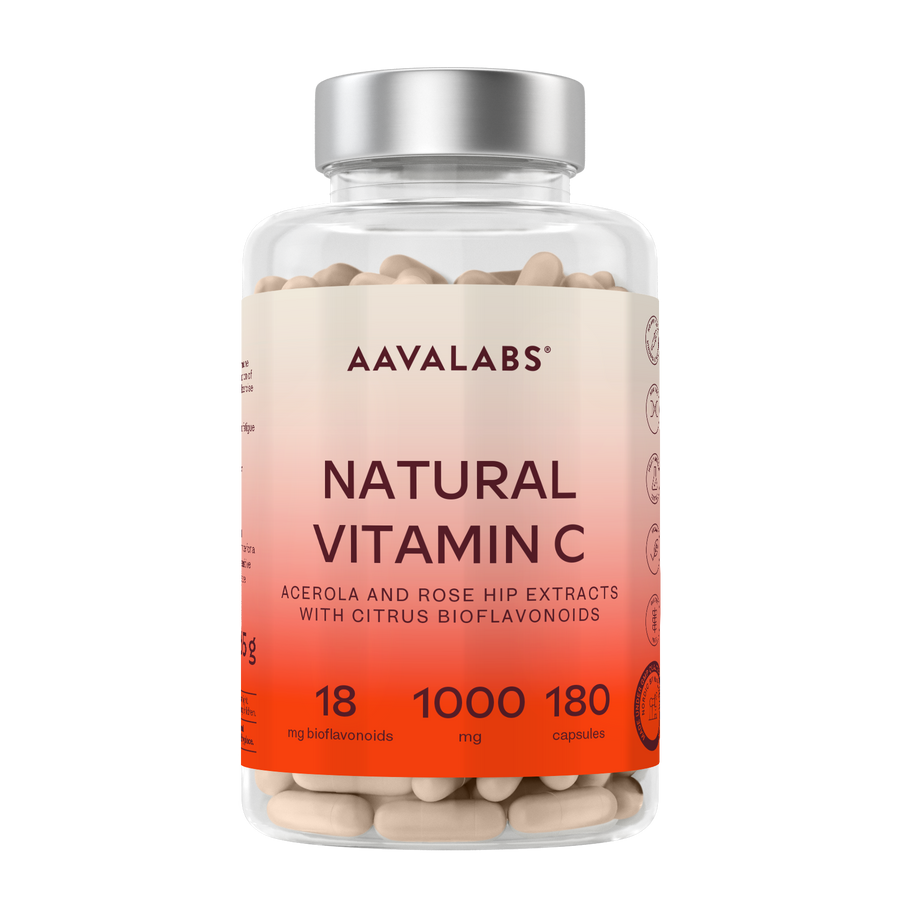
Vitamin C
Vitamin C contributes to the normal function of the immune system and to the protection of cells from oxidative stress.
It also contributes to the reduction of tiredness and fatigue and to normal energy-yielding metabolism.
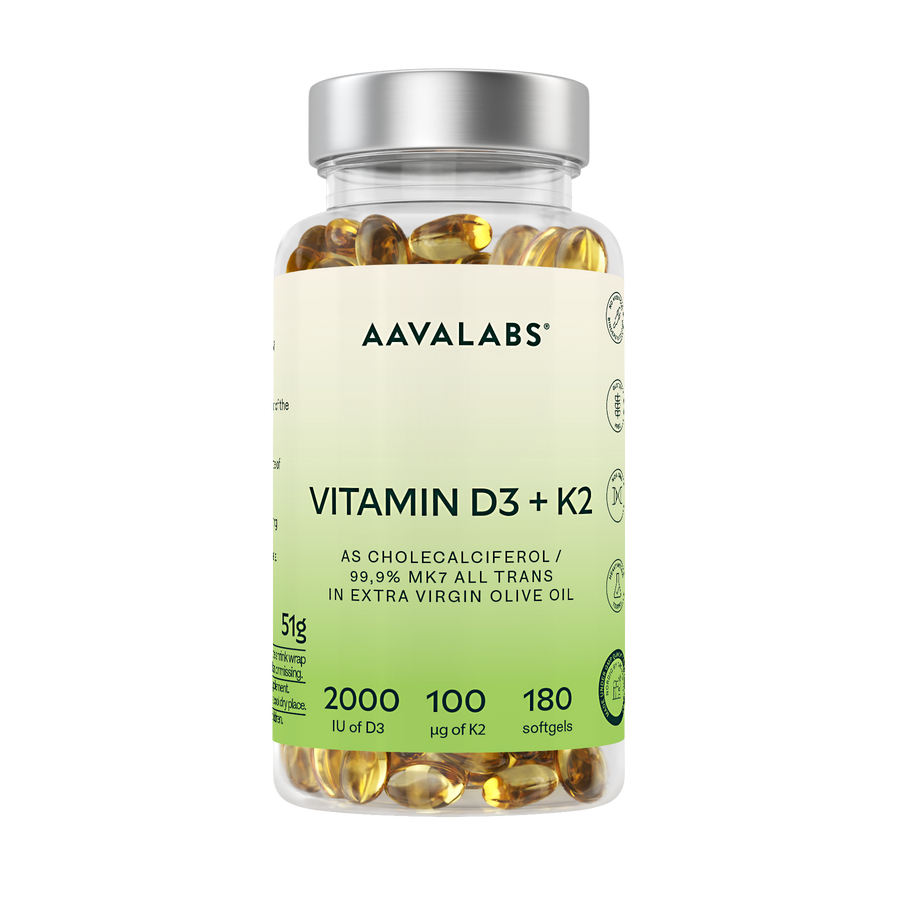
Vitamin D
Vitamin D contributes to the normal function of the immune system.
The body can produce vitamin D when the skin receives sufficient UVB radiation from sunlight, while vitamin D can also be obtained from certain foods and supplements.
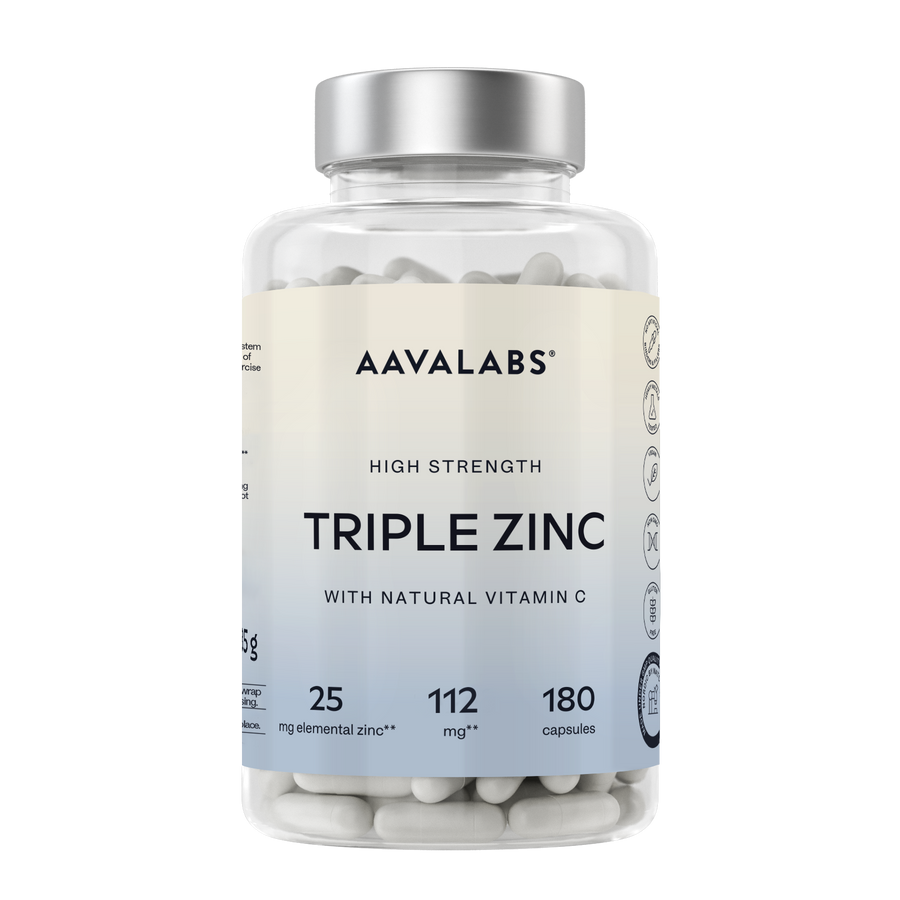
Zinc
Zinc contributes to the normal function of the immune system and to the protection of cells from oxidative stress.
Dietary sources include meat, shellfish, dairy products, legumes, nuts and seeds.
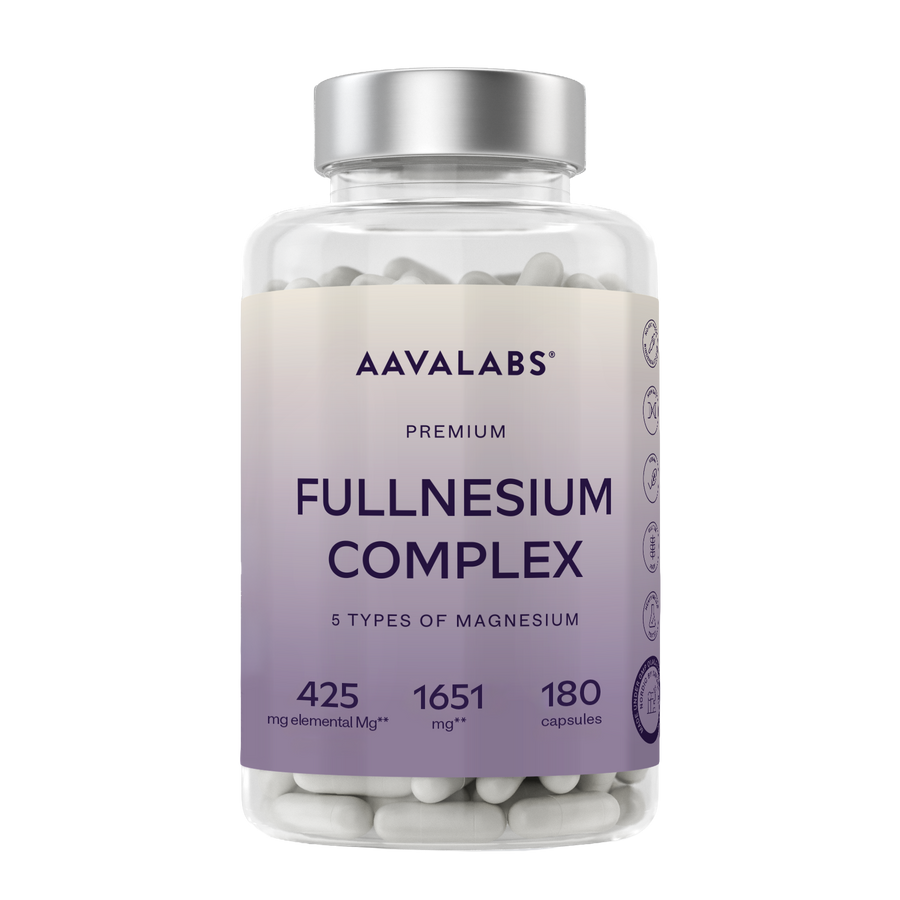
Magnesium
Magnesium contributes to normal psychological function and to the normal functioning of the nervous system.
It also contributes to the reduction of tiredness and fatigue and to normal energy-yielding metabolism.
Do Antioxidants Support the Body During Stress?
Oxidative stress occurs when there is an imbalance between reactive compounds and the body’s ability to manage them.
Several nutrients contribute to the protection of cells from oxidative stress, including vitamin C, vitamin E, zinc and selenium.
A varied diet containing vegetables, fruits, nuts, seeds and other plant foods can provide a range of these nutrients and other naturally occurring plant compounds.
Do You Need Supplements During Stressful Periods?
Not necessarily. Supplements should complement rather than replace a varied and balanced diet.
They can be useful when they help meet a specific nutritional need or when dietary intake of a particular nutrient is insufficient.
Taking more supplements does not automatically create a stronger immune system. Nutrient intake should remain appropriate to your individual needs.
Can You “Boost” Your Immune System?
The immune system is a highly complex network of cells, tissues and biological processes, so describing it as something that can simply be “boosted” can be misleading.
A more useful approach is to support its normal function through adequate nutrition, sleep, regular movement and other healthy lifestyle habits.
Frequently Asked Questions About Stress and Immunity
Does stress weaken the immune system?
Short-term and long-term stress can affect the body differently. Research suggests that prolonged stress can alter aspects of immune regulation, although the response varies between individuals and depends on multiple factors.
What does cortisol do during stress?
Cortisol is one of the hormones involved in the body’s normal stress response. It helps the body adapt to challenges and has several important physiological functions.
Can stress make you more likely to get sick?
Chronic stress has been associated with changes in immune function, but whether someone becomes ill depends on many factors. Stress should not be considered the sole cause of an infection or illness.
Can stress affect gut health?
Stress can influence digestive processes through communication between the brain and gastrointestinal system. Researchers are also studying how stress may interact with the gut microbiome.
Which vitamins support the immune system?
Several nutrients contribute to normal immune function, including vitamins C and D and zinc. A varied diet can provide many of the nutrients required for normal immune function.
Does magnesium support stress management?
Magnesium contributes to normal psychological function, normal functioning of the nervous system and the reduction of tiredness and fatigue. This does not mean that magnesium supplements treat stress or anxiety.
Should I take supplements when I am stressed?
Supplements may be useful when they help address a specific nutritional need, but they are not a substitute for sleep, a varied diet, movement and appropriate stress management.
Key Takeaways
- Stress activates physiological responses involving hormones such as cortisol and adrenaline.
- Short-term and chronic stress can affect the body differently.
- Prolonged stress can influence aspects of immune regulation.
- Stress can also affect sleep, digestion and everyday health behaviours.
- Vitamin C, vitamin D and zinc contribute to normal immune function.
- Magnesium contributes to normal psychological function and normal functioning of the nervous system.
- Sleep, regular movement, balanced nutrition and periods of recovery can support general wellbeing during stressful periods.
- Supplements can complement the diet where appropriate but do not replace healthy lifestyle habits.
Supporting Your Body Through Stress
Stress is an unavoidable part of life, and the goal does not need to be eliminating it completely.
Instead, focus on giving your body the foundations it needs to function normally: adequate nutrition, regular movement, sufficient sleep and time to recover.
Small habits repeated consistently can make a meaningful difference to your overall wellbeing, even during particularly busy periods.
This article is for informational purposes only and is not intended to diagnose, treat, cure or prevent any disease. If stress is persistent, overwhelming or significantly affecting your health or daily life, consider speaking with an appropriate healthcare professional.