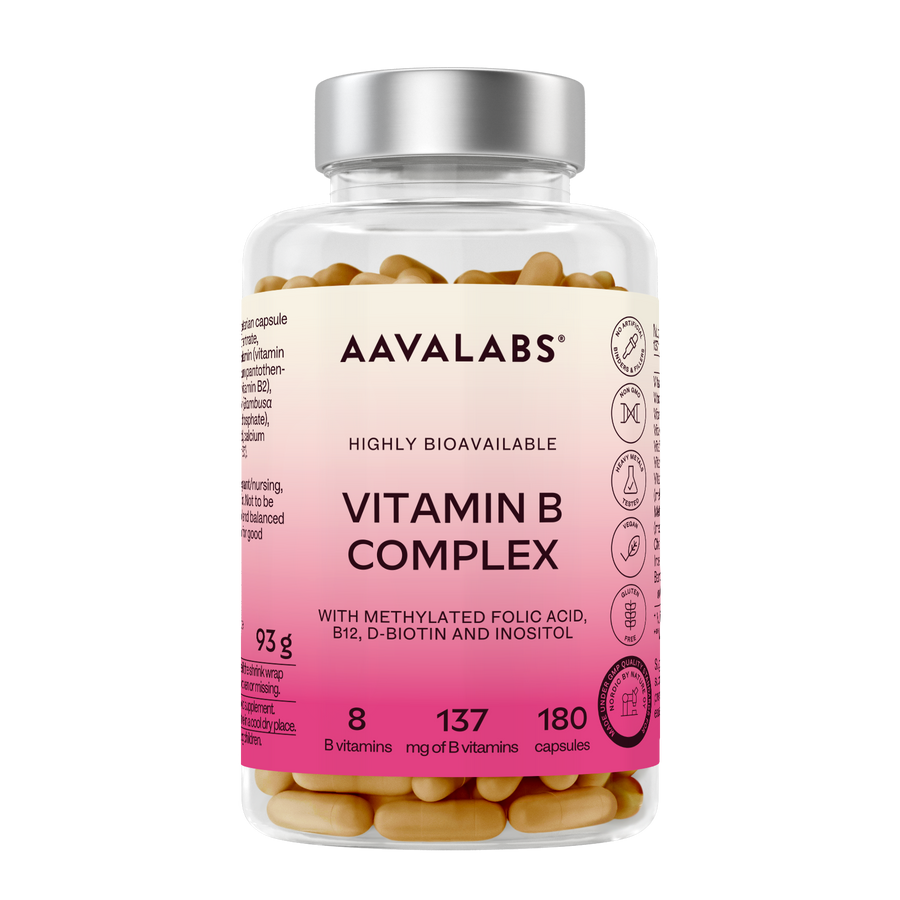
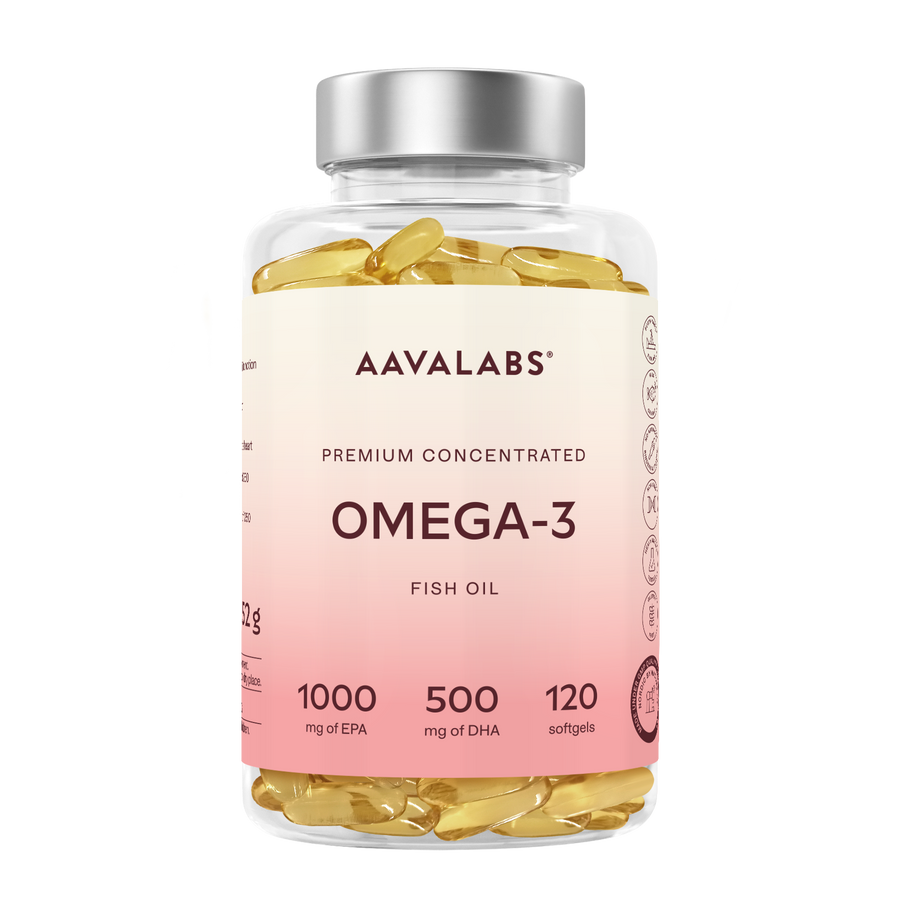
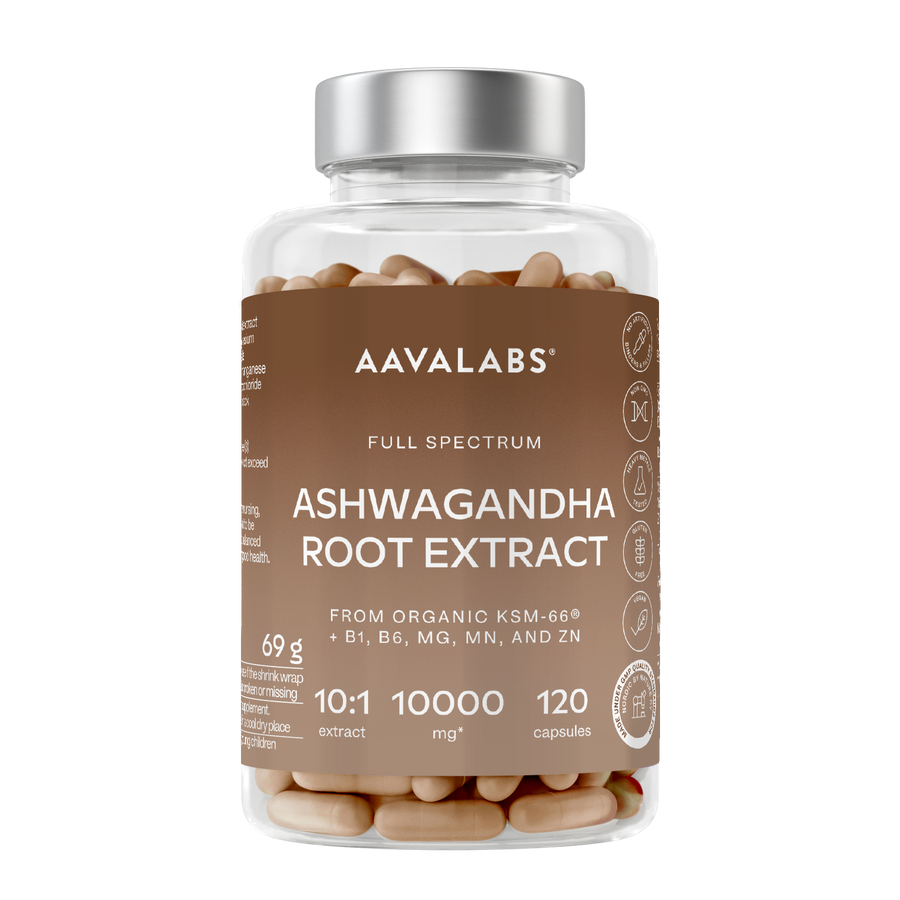
Chronic stress can influence immune and inflammatory processes in the body. Discover how stress and inflammation are connected and explore practical habits, from movement and sleep to nutrition, that can support your body during demanding periods.
Stress is a natural part of life. In short bursts, the body's stress response helps us react to challenges by releasing hormones such as cortisol and adrenaline. But when stress continues for long periods without enough recovery, it can influence many processes in the body, including those involved in immune function and inflammation.
Understanding the connection between stress and inflammation can help you build everyday habits that support both physical and mental well-being.
What Happens in Your Body When You Are Stressed?
When you experience a stressful situation, your body activates its stress response. Hormones including cortisol and adrenaline are released, helping the body respond to the immediate challenge.
In the short term, this response is normal and useful. Once the stressful situation passes, the body can gradually return to its usual state.
Problems can arise when stressful situations occur repeatedly or continue for long periods without sufficient recovery. Work pressure, financial concerns, relationship difficulties, lack of sleep and other everyday challenges can all contribute to prolonged stress.
What Is the Connection Between Chronic Stress and Inflammation?
Inflammation is part of the body's natural immune response. It helps the body respond to injury, infection and other challenges.
Stress and the immune system are closely connected. Research suggests that prolonged psychological stress can affect the regulation of inflammatory processes and is associated with changes in inflammatory activity.
This does not mean that stress automatically causes a particular disease. Health conditions are complex and usually influenced by many factors, including genetics, lifestyle, environment and existing health conditions.
However, managing long-term stress is an important part of supporting overall health and well-being.
How Can You Support Your Body During Stressful Periods?
There is no single solution for eliminating stress. Instead, small and consistent habits can help create more opportunities for recovery.
- Move regularly: Walking, strength training, cycling, yoga or other activities you enjoy can support both physical and mental well-being.
- Prioritise sleep: Maintaining a consistent sleep routine gives your body regular time to rest and recover.
- Take intentional breaks: Short periods away from work, screens or other stressors can help create moments of recovery throughout the day.
- Try relaxation techniques: Breathing exercises, mindfulness or meditation can be simple ways to introduce calmer moments into your routine.
- Eat a varied diet: A balanced diet provides the vitamins, minerals, protein, healthy fats and other nutrients your body needs for normal functioning.
- Stay connected: Spending time with friends, family and other people you trust can be an important part of emotional well-being.
Which Nutrients Are Relevant During Stressful Periods?
No vitamin or mineral can remove stress or treat inflammation on its own. However, several essential nutrients contribute to normal psychological, nervous system, immune and energy-related functions.
Magnesium
Magnesium contributes to normal psychological function and normal functioning of the nervous system. It also contributes to normal energy-yielding metabolism and the reduction of tiredness and fatigue.
B Vitamins
Several B vitamins contribute to normal energy-yielding metabolism and normal functioning of the nervous system.
Vitamin B6, vitamin B12, niacin and biotin also contribute to normal psychological function, while vitamins B6 and B12 contribute to the reduction of tiredness and fatigue.
Vitamin C
Vitamin C contributes to the protection of cells from oxidative stress, normal psychological function and normal functioning of the nervous and immune systems.
Vitamin C also contributes to the reduction of tiredness and fatigue.
Zinc
Zinc contributes to the normal function of the immune system and to the protection of cells from oxidative stress.
Omega-3 Fatty Acids
The omega-3 fatty acids EPA and DHA have recognised roles in normal body functions. EPA and DHA contribute to the normal function of the heart with a daily intake of 250 mg of EPA and DHA.
DHA also contributes to the maintenance of normal brain function with a daily intake of 250 mg DHA.
Stress Management Is About Recovery, Not Perfection
You cannot always remove the things that create stress. What you can do is create regular opportunities for your body and mind to recover.
Movement, sleep, balanced nutrition, relaxation and meaningful social connection can all become part of a routine that supports your well-being during demanding periods.
Instead of trying to change everything at once, start with one or two habits that feel realistic and build from there. Small actions repeated consistently can become a sustainable part of your everyday routine.
Frequently Asked Questions
Does chronic stress cause inflammation?
Stress and inflammatory processes are connected. Research suggests that prolonged psychological stress can affect immune regulation and is associated with changes in inflammatory activity. However, inflammation and chronic disease are influenced by many factors, so stress should not be considered a single direct cause.
How can I reduce everyday stress?
Regular movement, sufficient sleep, relaxation techniques, time outdoors, social connection and taking regular breaks can all form part of a healthy stress-management routine. Different strategies work for different people, so finding habits you can maintain consistently is particularly important.
Can magnesium help during stressful periods?
Magnesium contributes to normal psychological function and normal functioning of the nervous system. It also contributes to the reduction of tiredness and fatigue. A varied diet can provide magnesium through foods such as nuts, seeds, legumes, whole grains and leafy green vegetables.
Which vitamins support normal psychological function?
Several nutrients have recognised roles in normal psychological function, including magnesium, vitamin C, vitamin B6, vitamin B12, niacin, biotin and folate. A balanced diet should remain the foundation of your nutrient intake.
Can nutrition help during periods of stress?
A varied and balanced diet provides nutrients needed for normal energy metabolism, nervous system function, psychological function and immune function. During demanding periods, maintaining regular meals and a varied diet can help ensure your nutritional needs continue to be met.
When should I seek professional help for stress?
If stress is persistent, feels difficult to manage or is significantly affecting your sleep, mood, relationships, work or everyday life, consider speaking with a qualified healthcare professional. Persistent or unexplained physical symptoms should also be professionally assessed rather than assumed to be caused by stress.