Skip to content

Cart

Your cart is empty

Article: Magnesium L-Threonate: Benefits, Uses and What Makes It Different

Magnesium L-Threonate: Benefits, Uses and What Makes It Different

Magnesium L-Threonate: Benefits, Uses and What Makes It Different

Have you ever walked into a room and forgotten why you went there? Or read the same sentence several times because your thoughts kept drifting elsewhere?

Most of us experience moments like these. A demanding week, interrupted sleep, emotional stress or simply trying to do too many things at once can all leave the mind feeling less clear than usual.

There is no single nutrient that can replace sleep, movement, a balanced diet or proper rest. However, the brain still needs a steady supply of nutrients to perform its everyday work, and magnesium is one of them.

Among the many different forms available, magnesium L-threonate has attracted particular interest because it was developed with the brain in mind. But what makes it different from magnesium bisglycinate, citrate or other familiar forms? Does it really support memory and focus? And is it the right choice for everyone?

This guide explains what we currently know, what the research does and does not show, and how to decide whether magnesium L-threonate suits your individual needs.


Quick Answer

Magnesium L-threonate is a form of magnesium in which the mineral is bound to L-threonic acid, a compound produced in the body during the metabolism of vitamin C. It has been developed and studied for its ability to increase magnesium availability in the brain.

Magnesium itself contributes to normal nervous system function, normal psychological function, normal energy-yielding metabolism and the reduction of tiredness and fatigue. Early human studies of magnesium L-threonate have reported promising findings relating to cognition and some aspects of sleep, although the evidence is still developing and more independent research is needed.

In This Guide


Key Takeaways

  • Magnesium is involved in more than 300 enzyme systems and supports energy production, nerve signalling, muscle function and many other essential processes.
  • Magnesium L-threonate was developed to improve magnesium delivery to the brain.
  • Research into its effects on cognition and sleep is promising, but the number of published human trials remains limited.
  • It is not automatically better than every other form of magnesium. The most suitable form depends on your goal.
  • Magnesium L-threonate contains less elemental magnesium by weight than some other forms, but elemental quantity is only one part of the picture.
  • A supplement works best as part of a wider routine that also includes sleep, movement, nutritious food and stress management.


What Is Magnesium L-Threonate?

Magnesium L-threonate is created by combining magnesium with L-threonic acid.

L-threonic acid is a metabolite of vitamin C. In simple terms, that means it is one of the substances produced when the body processes vitamin C.

This pairing was not chosen at random. Researchers were looking for a form of magnesium that could increase magnesium concentrations within the brain more effectively than conventional magnesium compounds had done in preclinical research.

The result was magnesium L-threonate, which is commonly available in its patented form, Magtein®.

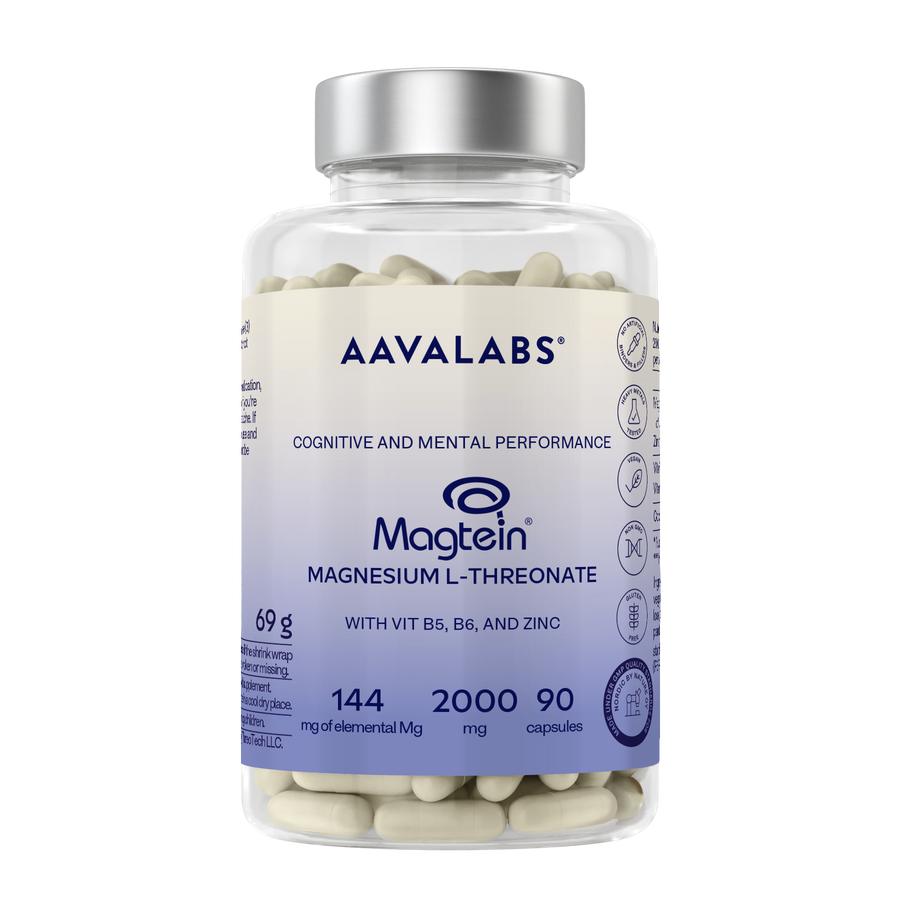
Magtein® originated from research associated with the Massachusetts Institute of Technology and has since been used in a number of preclinical and human studies examining cognitive performance and sleep. Aavalabs Magnesium L-Threonate uses Magtein® alongside vitamin B5, vitamin B6 and zinc. The formula is vegan, gluten-free and made without unnecessary additives.

At a glance

Magnesium L-threonate is not a completely different mineral. It still provides magnesium. What makes it distinctive is the compound to which the magnesium is attached and the way this form has been studied in relation to brain magnesium availability.


Why Does the Brain Need Magnesium?

Your brain accounts for only a small proportion of your total body weight, yet it uses a considerable amount of your daily energy.

Every thought, memory, movement and conversation depends on nerve cells sending signals to one another. Magnesium supports many of the processes involved in this communication.

It acts as a cofactor in more than 300 enzyme systems and is required for energy production. It also contributes to the movement of calcium and potassium across cell membranes, an important part of normal nerve impulse conduction.

In everyday terms, magnesium helps support:

  • Normal functioning of the nervous system
  • Normal psychological function
  • Normal energy-yielding metabolism
  • Normal muscle function
  • Electrolyte balance
  • The reduction of tiredness and fatigue

Magnesium is therefore not only relevant when your muscles feel tight after exercise. It supports processes taking place throughout the body, including those needed for normal mental and neurological function.

Did you know?

Less than 1% of the body’s magnesium is found in the blood. Most is stored in bones and soft tissues, which is one reason a standard serum magnesium test may not provide a complete picture of total magnesium status.


What Is the Blood-Brain Barrier?

The brain needs nutrients, but it also needs protection.

To provide both, the body has a highly selective boundary known as the blood-brain barrier. You can think of it as the brain’s own security system. It carefully controls which substances can pass from the bloodstream into brain tissue.

This protects the brain from harmful compounds, but it also means that entering the brain is not straightforward for every nutrient or medicine.

Magnesium L-threonate has been developed and investigated because preclinical research suggests it can increase magnesium concentrations in the brain. This is the basis for much of the interest surrounding the form.

However, it is worth using precise language here. The idea that a supplement “crosses the blood-brain barrier” is often simplified in marketing. The stronger and more scientifically responsible conclusion is that magnesium L-threonate has been specifically studied for its effects on brain magnesium availability, with promising findings from laboratory, animal and a growing number of human studies.


What Makes Magtein® Different?

Magtein® is the patented form of magnesium L-threonate used in much of the published research.

That matters because two supplements can display similar names while differing in raw-material quality, dosage, manufacturing standards or supporting evidence.

When evaluating a magnesium L-threonate product, it can be useful to consider:

  • Whether it uses the researched Magtein® ingredient
  • The recommended daily serving
  • How much elemental magnesium the serving provides
  • Whether supporting nutrients have been included
  • Whether the product has been tested for heavy metals and microbiological safety
  • Whether the complete ingredient list is transparent
  • Whether it contains unnecessary colours, sweeteners or additives

Aavalabs Magnesium L-Threonate uses Magtein® and combines it with zinc, vitamin B5 and the active P5P form of vitamin B6. Zinc contributes to normal cognitive function. Pantothenic acid, or vitamin B5, contributes to normal mental performance and to the normal synthesis and metabolism of some neurotransmitters. Vitamin B6 contributes to normal nervous system and psychological function.


What Are the Potential Benefits of Magnesium L-Threonate?

It is important to separate the well-established functions of magnesium from the emerging research specifically involving magnesium L-threonate.

Magnesium has recognised nutritional roles in nervous system function, psychological function, energy metabolism and the reduction of tiredness. Magnesium L-threonate is being investigated to determine whether its particular formulation offers additional advantages for the brain.

1. Cognitive Performance

Cognitive performance is an umbrella term covering mental processes such as attention, memory, reaction time, problem-solving and the ability to process information.

A six-week randomised, double-blind, placebo-controlled study included adults who were dissatisfied with their sleep. Participants taking Magtein® daily showed greater improvement than the placebo group on one composite measure of overall cognition, with larger effects reported for working and episodic memory. Reaction time also improved.

However, not every cognitive test showed a benefit. The findings are interesting, but they need replication in larger, independently funded trials.

2. Working Memory

Working memory allows you to hold and use a small amount of information for a short period.

You use it when you remember the beginning of a sentence while reading the end, follow several steps in a task or keep a number in mind long enough to type it into your phone.

Clinical research has reported improvements in selected measures of working and episodic memory. This does not mean that magnesium L-threonate prevents memory loss or treats cognitive disorders. It means the ingredient has produced promising results in selected measures that deserve further research.

3. Focus and Reaction Time

Focus depends on far more than one mineral.

Sleep quality, stress, blood sugar, hydration, physical activity and mental workload can all influence how attentive you feel. Magnesium L-threonate is not a stimulant, so it should not be expected to create the immediate alertness associated with caffeine.

Some clinical research has reported improvements in reaction time and selected measures of cognitive performance. This suggests a possible role in supporting certain aspects of cognition, but it is too early to conclude that it will improve concentration for everyone.

4. Sleep and Next-Day Functioning

Magnesium is often associated with evening routines, but sleep is complex. It is influenced by circadian rhythm, stress, light exposure, room temperature, caffeine, movement and many other factors.

Clinical studies have reported improvements in some subjective measures of sleep and daytime functioning. However, objective findings have been mixed.

The fairest interpretation is therefore that magnesium L-threonate may support some aspects of sleep or next-day functioning for certain people, but it is not a sleeping pill and the evidence is not uniform.

Key point

Research does not show that magnesium L-threonate transforms memory, eliminates brain fog or guarantees better sleep. It suggests potential benefits in specific areas, while also showing outcomes that did not differ from placebo. Both sides of the evidence matter.


Does Magnesium L-Threonate Help With Brain Fog?

“Brain fog” is not a medical diagnosis. People usually use the phrase to describe feeling mentally slow, forgetful, unfocused or less sharp than usual.

Many different factors can contribute, including:

  • Too little sleep
  • Chronic stress
  • Undereating or irregular meals
  • Dehydration
  • Iron or vitamin B12 deficiency
  • Medication side effects
  • Hormonal changes
  • Illness or underlying health conditions
  • Excessive workload without adequate recovery

Magnesium L-threonate may be a relevant form to explore when someone is seeking magnesium support with a cognitive focus. However, persistent or sudden brain fog should not automatically be blamed on magnesium intake.

A supplement can support nutrition, but it cannot identify the cause of a symptom. If concentration or memory problems are new, severe or ongoing, speak with a healthcare professional.


Is Magnesium L-Threonate Better Than Other Forms?

Not necessarily.

Asking which form is “best” is a little like asking which item in a toolbox is best. A screwdriver, hammer and spanner are all useful, but they serve different purposes.

The most appropriate magnesium depends on what you want from it.

Magnesium Form Common Reason People Choose It Useful Context
L-Threonate Brain and cognitive support Specifically studied in relation to brain magnesium availability
Bisglycinate Relaxation, everyday magnesium support and a gentle option Magnesium is bound to the amino acid glycine
Citrate General supplementation and digestive regularity Can have a laxative effect at higher intakes
Malate General magnesium intake and energy-focused formulas Magnesium is combined with malic acid
Oxide High elemental magnesium content and laxative products Usually less bioavailable than several more soluble forms
Magnesium Blends Broader everyday support Combine several forms in one formula


Magnesium L-Threonate vs Magnesium Bisglycinate

This is one of the most common comparisons.

Both provide magnesium, but they are usually selected for different reasons.

Magnesium L-threonate is chosen primarily by people interested in cognitive and brain-focused support.

Magnesium bisglycinate is commonly chosen as a well-tolerated everyday form, particularly by people interested in relaxation, muscle function or an evening magnesium routine.

Neither is universally superior. Someone whose main priority is cognitive support may prefer L-threonate. Someone looking for a straightforward, gentle source of magnesium may prefer bisglycinate.


Magnesium L-Threonate vs Magnesium Citrate

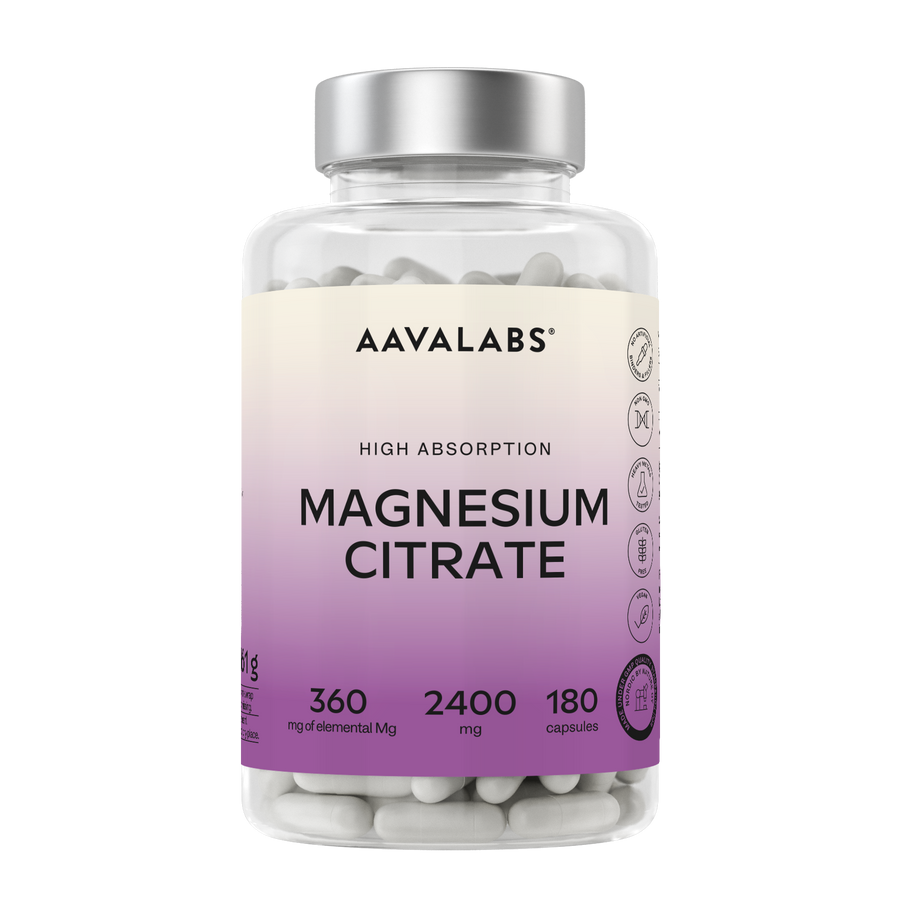
Magnesium citrate is a widely used and relatively soluble form of magnesium.

It is often selected for general supplementation and is also found in products intended to support bowel regularity, as unabsorbed magnesium can draw water into the intestine.

Magnesium L-threonate has a different purpose. It is primarily marketed and researched in relation to brain magnesium availability rather than digestion.

If digestive regularity is the main goal, citrate may be more relevant. If the priority is a brain-focused magnesium routine, L-threonate may be the more suitable option.


Why Does Elemental Magnesium Matter?

The number shown for a magnesium compound is not the same as the amount of magnesium it provides.

For example, a serving may contain a large weight of magnesium L-threonate, but only part of that weight is elemental magnesium. The remainder is the L-threonate component.

The same applies to citrate, bisglycinate and other compounds.

This is why labels should distinguish between:

  • The total amount of the magnesium compound
  • The amount of elemental magnesium it provides

Magnesium L-threonate generally provides less elemental magnesium by weight than some other forms. That does not make the product ineffective, but it does mean it should not be judged by the compound weight alone.

Did you know?

Food labels and supplement facts normally declare elemental magnesium, rather than the total weight of the compound to which it is bound.


Who May Consider Magnesium L-Threonate?

Magnesium L-threonate may be of particular interest to adults who:

  • Want a magnesium form with a cognitive focus
  • Have mentally demanding work or study routines
  • Are interested in supporting normal cognitive and psychological function
  • Want to support healthy brain ageing as part of a wider lifestyle
  • Prefer a form of magnesium used in published human research
  • Are already meeting their dietary foundations but want more targeted nutritional support

That does not mean everyone in these groups needs a supplement. Magnesium requirements and individual responses vary.


How Much Magnesium Do You Need?

Magnesium requirements depend on age, sex and life stage.

Reference values vary between authorities. Magnesium-rich foods include pumpkin seeds, chia seeds, almonds, leafy greens, beans and whole grains.

A supplement does not need to provide the entire daily requirement. It should complement the magnesium already obtained through food.

Good food sources include:

  • Pumpkin and chia seeds
  • Almonds and cashews
  • Spinach and other leafy greens
  • Beans and lentils
  • Whole grains
  • Edamame
  • Avocado
  • Some mineral waters

A varied diet remains the foundation. Supplements can help fill specific gaps or provide a particular researched form, but they should not replace nutritious food.


When Should You Take Magnesium L-Threonate?

There is no single perfect time for everyone.

Many people take magnesium L-threonate in the evening because they associate magnesium with winding down. Others prefer taking it earlier in the day because their main goal is cognitive support.

The most suitable timing may depend on how it feels for you.

Common approaches include:

  • Taking the complete serving with an evening meal
  • Dividing the serving between morning and evening
  • Taking it with food and water to improve comfort
  • Choosing a consistent time that is easy to remember

Aavalabs recommends taking three capsules daily, preferably in the evening, or spreading them throughout the day. They should be taken with food and water unless a healthcare professional advises otherwise.

Consistency is generally more useful than constantly changing the timing.


How Long Does Magnesium L-Threonate Take to Work?

Magnesium L-threonate is not intended to create an instant stimulating effect.

In published trials, supplementation has generally been assessed over several weeks rather than a single day.

Some people may notice changes in how they feel earlier, while others may notice no obvious subjective difference.

The response can depend on:

  • Baseline magnesium status
  • Diet
  • Sleep
  • Stress
  • Consistency
  • The outcome being assessed
  • Other health conditions or medications

It is better to assess a routine realistically over time than to expect a dramatic overnight effect.


Can You Combine Magnesium L-Threonate With Other Magnesium Forms?

Yes, different forms can sometimes be combined, but more is not automatically better.

Someone might use L-threonate as a brain-focused form and obtain additional magnesium from food or another supplement. However, all sources of supplemental magnesium should be considered together.

Before combining products, check:

  • The elemental magnesium in each serving
  • Whether both products contain other overlapping nutrients
  • The recommended intake on each label
  • Whether either product causes digestive discomfort
  • Whether you take medication that interacts with magnesium
Important

People with kidney problems should seek medical advice before taking magnesium supplements because impaired kidneys may be less able to remove excess magnesium. Magnesium can also interact with certain medicines, so professional guidance may be necessary.


Can Magnesium L-Threonate Be Taken With Vitamin D?

Magnesium and vitamin D are involved in different but interconnected processes in the body, and they are commonly taken within the same overall routine.

There is no general rule requiring them to be separated. However, follow the directions on each product and consider your total intake.

People taking high-dose vitamin D or managing a health condition should discuss supplementation with a healthcare professional.


Can It Be Taken With Omega-3?

Magnesium L-threonate and omega-3 fatty acids are often used for different nutritional purposes and can generally be included in the same routine.

Omega-3 supplements are usually best taken with a meal containing fat. Magnesium L-threonate can also be taken with food, so they may fit comfortably into the same meal.

Always check individual product directions and ask a professional if you take medication or have a diagnosed medical condition.


Does Magnesium L-Threonate Cause Diarrhoea?

Magnesium supplements can cause loose stools, abdominal cramping or nausea, particularly at higher intakes.

The effect varies by form and individual tolerance. Magnesium L-threonate is not usually chosen for its laxative action, but digestive symptoms are still possible.

Taking it with food, following the recommended serving and avoiding unnecessary overlap with other magnesium products may help improve tolerance.


Habits That Support Brain Health Alongside Magnesium

The brain does not work in isolation, and no supplement can compensate for a routine that consistently leaves it exhausted.

Several everyday habits can support cognitive health alongside good nutrition.

Protect Your Sleep

Sleep supports attention, memory consolidation and emotional regulation. Aim for a regular schedule, reduce bright light late in the evening and give yourself enough time to wind down.

Move Regularly

Walking, strength training and aerobic activity support circulation and overall health. Movement also creates opportunities for the brain to coordinate balance, timing and spatial awareness.

Keep Learning

A new language, musical instrument, recipe or skill challenges the brain to create and reinforce connections.

Eat for Steady Energy

Meals containing protein, fibre and healthy fats can support more stable energy than relying on quick sugar fixes throughout the day.

Include Omega-3-Rich Foods

Oily fish, such as salmon, sardines and mackerel, provides EPA and DHA. Plant foods such as walnuts, chia and flax provide ALA.

Stay Socially Connected

Conversation, shared experiences and meaningful relationships engage many cognitive and emotional processes at once.

Manage the Mental Load

Sometimes poor concentration is not a nutrition problem. It is a sign that the brain needs fewer demands, better boundaries or genuine rest.


Common Myths About Magnesium L-Threonate

Myth: Magnesium L-threonate is the best magnesium for everyone.

Fact: No single form is ideal for every person or every goal. L-threonate is especially interesting for brain-focused support, while other forms may be more suitable for general magnesium intake, digestion or personal tolerance.

Myth: It works like a stimulant.

Fact: Magnesium L-threonate does not work like caffeine. It should not be expected to create an immediate surge in alertness or energy.

Myth: More elemental magnesium always means a better supplement.

Fact: Elemental magnesium is important, but form, intended use, tolerability, manufacturing quality and supporting evidence also matter.

Myth: It is proven to prevent dementia.

Fact: No. Current evidence does not show that magnesium L-threonate prevents or treats dementia, Alzheimer’s disease or other cognitive disorders.

Myth: You will feel a clear difference after one dose.

Fact: Research has studied regular supplementation over several weeks. Individual experiences vary, and some people may not notice an obvious subjective change.

Myth: A brain supplement can replace healthy habits.

Fact: Sleep, exercise, nutrition, stress management and social connection remain central to long-term brain health.


In Summary

Magnesium L-threonate is a distinctive form of magnesium developed and researched with brain magnesium availability in mind.

Its patented Magtein® form has been investigated in preclinical studies and a growing number of human trials. Findings relating to cognitive performance, working memory, reaction time and selected aspects of sleep are promising, but the evidence is still emerging. Not every outcome has shown improvement, and further independent research is needed.

It may be a relevant option for adults looking for a magnesium supplement with a cognitive focus. However, it is not automatically the best form for every goal, and it should not be presented as a treatment for memory problems, sleep disorders or neurological conditions.

The best choice is the one that matches your needs, fits comfortably into your routine and complements a varied diet and balanced lifestyle.

Looking for a Brain-Focused Magnesium?

Aavalabs Magnesium L-Threonate contains the patented Magtein® form, combined with zinc, vitamin B5 and active vitamin B6.

The vegan formula is designed to support normal cognitive function, mental performance, psychological function and nervous system function, without unnecessary additives. The recommended daily serving is three capsules, preferably taken in the evening or divided throughout the day.

As with any supplement, follow the recommended intake and speak with a healthcare professional if you are pregnant, breastfeeding, taking medication or managing a medical condition.

Discover Magnesium L-Threonate

Frequently Asked Questions

What is magnesium L-threonate?

Magnesium L-threonate is a form of magnesium bound to L-threonic acid, a metabolite of vitamin C. It was developed and studied for its ability to increase magnesium availability in the brain.

What is Magtein®?

Magtein® is a patented magnesium L-threonate ingredient that originated from MIT-associated research. It is the form used in several published preclinical and human studies.

Does magnesium L-threonate cross the blood-brain barrier?

Magnesium L-threonate has been specifically developed and studied in relation to increasing brain magnesium concentrations. The phrase “crosses the blood-brain barrier” is often used as shorthand, but it is more precise to say that research has investigated its ability to improve magnesium delivery to the brain.

Is magnesium L-threonate good for memory?

Some human trials have reported improvements in selected measures of working or episodic memory. However, the evidence remains limited, and magnesium L-threonate should not be considered a treatment for memory loss or cognitive disease.

Does magnesium L-threonate improve focus?

Some clinical research has reported improvements in overall cognitive performance and reaction time, but not every cognitive measure improved. More independent research is needed before firm conclusions can be made.

Can magnesium L-threonate help with brain fog?

It may support a brain-focused magnesium routine, but brain fog has many potential causes. Persistent symptoms should be discussed with a healthcare professional rather than treated through supplementation alone.

Does magnesium L-threonate help with sleep?

Clinical studies have reported benefits in some subjective sleep and next-day functioning measures, but objective findings have been mixed. It may help some people, but it is not a guaranteed sleep aid.

Is magnesium L-threonate better than magnesium bisglycinate?

Neither is universally better. L-threonate is usually chosen for brain-focused support, while bisglycinate is commonly selected for everyday magnesium intake, relaxation and tolerability.

Is magnesium L-threonate better than magnesium citrate?

They serve different purposes. Citrate is commonly used for general magnesium intake and may support bowel regularity. L-threonate is chosen primarily because of its brain-focused research.

Why does magnesium L-threonate contain less elemental magnesium?

Magnesium is only one part of the full L-threonate compound. The total compound therefore weighs more than the elemental magnesium it supplies. A lower elemental quantity does not automatically mean an inferior product.

When should I take magnesium L-threonate?

It can be taken in the morning, evening or divided throughout the day. Aavalabs recommends three capsules daily, preferably in the evening, or spread across the day with food and water.

Should magnesium L-threonate be taken with food?

Taking it with food and water may improve comfort and make it easier to include consistently in your routine.

How long does magnesium L-threonate take to work?

Published studies have generally assessed daily use over several weeks. Individual responses differ, and not everyone will notice a clear subjective effect.

Can I take magnesium L-threonate every day?

It is designed for regular use when taken according to the product directions. Your overall magnesium intake, diet, medication and health status should still be considered.

Can I combine magnesium L-threonate with magnesium bisglycinate?

Different forms can be combined, but check the total elemental magnesium provided by all supplements. Professional advice may be useful when using several products.

Can I take magnesium L-threonate with coffee?

There is no general requirement to avoid coffee completely. However, some people prefer separating supplements from coffee, particularly if caffeine causes digestive sensitivity or if taking the supplement with a proper meal improves consistency.

Can I take it with vitamin D?

Magnesium L-threonate and vitamin D can generally be included in the same routine. Follow each product’s instructions and seek advice if using high doses or taking medication.

Can I take it with omega-3?

They can generally be taken within the same routine. Taking both with a meal can be convenient, although individual product instructions should always be followed.

Can magnesium L-threonate cause diarrhoea?

It can cause digestive discomfort in some people, although it is not normally selected for a laxative effect. Follow the recommended intake and consider taking it with food.

Is magnesium L-threonate suitable for vegans?

The Aavalabs formula is vegan and uses a vegetarian capsule.

Is Aavalabs Magnesium L-Threonate gluten-free?

Yes. Aavalabs states that its products are gluten-free.

Is it tested for heavy metals?

Aavalabs states that its products are tested, with test certificates available upon request.

Who should speak with a doctor before taking it?

Seek professional advice if you are pregnant or breastfeeding, have kidney disease, take regular medication or have a diagnosed health condition. Magnesium may interact with certain medicines.

Can magnesium L-threonate prevent cognitive decline?

There is not enough evidence to conclude that it prevents dementia or age-related cognitive disease. It should be viewed as nutritional support, not medical treatment.


References

  • National Institutes of Health, Office of Dietary Supplements. Magnesium: Fact Sheet for Health Professionals.
  • Lopresti AL, Smith SJ. The effects of magnesium L-threonate on cognitive performance and sleep quality in adults: a randomised, double-blind, placebo-controlled trial.
  • Hausenblas HA et al. Magnesium L-threonate improves sleep quality and daytime functioning in adults with self-reported sleep problems: a randomised controlled trial. Sleep Medicine X, 2024.
  • Zhang C et al. A Magtein®, magnesium L-threonate-based formula, and cognition in healthy adults.
  • Aavalabs. Magnesium L-Threonate product information.

Read more

What Is the Best Type of Magnesium for Me?

What Is the Best Type of Magnesium for Me?

Not sure which type of magnesium is right for you? Discover the differences between magnesium bisglycinate, citrate, L-threonate and more, learn which form may suit your goals and find out when a m...

Read more