Discover which vitamins and supplements support normal immune function during seasonal changes, including vitamin C, vitamin D, zinc and selenium, plus practical ways to support your body throughout the year.
Changes in temperature, daylight and daily routines can make autumn and winter feel very different from the warmer months. Spending more time indoors can also increase our exposure to seasonal viruses, while reduced sunlight can affect vitamin D production.
Nutrition cannot prevent every seasonal illness, but several vitamins and minerals play established roles in the normal function of the immune system. Vitamin C, vitamin D, zinc and selenium are particularly relevant, while a varied diet, sufficient sleep, regular movement and good hygiene remain important parts of supporting overall health.
Here is what these nutrients actually do, where to find them and what to consider when building a simple seasonal routine.
Why Can Seasonal Changes Affect Your Immune System?
Seasonal changes influence several aspects of everyday life at the same time. Temperatures fall, daylight hours become shorter and people often spend more time indoors in closer contact with others.
Sunlight is particularly relevant to vitamin D. The body can produce vitamin D when the skin is exposed to sufficient UVB radiation, but this becomes more difficult during the darker months in many northern regions.
Changes in routines can matter too. Sleep, diet, physical activity and stress can all vary throughout the year.
Rather than trying to "boost" the immune system, a more useful approach is to make sure the body receives the nutrients it needs for normal immune function throughout the year.
Which Vitamins and Minerals Support Normal Immune Function?
Several micronutrients contribute to the normal function of the immune system. Among the most relevant are vitamin C, vitamin D, zinc and selenium.
These nutrients have different functions, so there is no single "immune vitamin". A balanced diet remains the foundation, while supplements can help provide specific nutrients when dietary intake or other sources are insufficient.
How Does Vitamin C Support the Immune System?
Vitamin C contributes to the normal function of the immune system and helps protect cells from oxidative stress.
It also contributes to normal energy-yielding metabolism and to the reduction of tiredness and fatigue.
Good dietary sources of vitamin C include citrus fruits, berries, peppers, broccoli and other fruits and vegetables.
Because vitamin C is water-soluble and the body does not store large amounts of it, regular dietary intake is important.
Why Is Vitamin D Especially Relevant During Autumn and Winter?
Vitamin D contributes to the normal function of the immune system. It also contributes to the maintenance of normal bones and muscle function.
Unlike most nutrients, vitamin D can be produced by the body when the skin is exposed to sufficient sunlight. During autumn and winter, however, UVB exposure can become limited in many northern regions.
Vitamin D is also found naturally in foods including oily fish and egg yolks, as well as some fortified foods.
For people who receive limited sunlight or have low dietary intake, a vitamin D supplement can provide another source.
How Does Zinc Support Normal Immune Function?
Zinc contributes to the normal function of the immune system and helps protect cells from oxidative stress.
It is also involved in normal DNA synthesis, cell division and the maintenance of normal skin, hair and nails.
Dietary sources of zinc include meat, shellfish, dairy products, legumes, nuts and seeds.
Because zinc performs many different functions in the body, maintaining an adequate intake is relevant throughout the year rather than only when the seasons change.
What Role Does Selenium Play in Immunity?
Selenium is a trace mineral that contributes to the normal function of the immune system and helps protect cells from oxidative stress.
It also contributes to normal thyroid function.
Dietary sources include fish, seafood, eggs, meat and certain nuts and seeds. The selenium content of plant foods can vary considerably depending on the soil in which they were grown.
As with other micronutrients, more is not automatically better. Selenium is required only in relatively small amounts, so supplements should always be taken according to their recommended intake.
What Is the Connection Between Gut Health and Immunity?
The digestive tract and immune system interact closely. The gut is home to a complex community of microorganisms known collectively as the gut microbiome, while the intestinal environment also contains substantial amounts of immune tissue.
Researchers continue to investigate how the composition of the gut microbiome interacts with immune responses and overall health.
Probiotics are live microorganisms that provide a health benefit when administered in adequate amounts. Their effects are strain-specific, which means different probiotic strains should not automatically be assumed to have the same effects.
A varied diet containing fibre-rich plant foods can also help support the microbial environment in the digestive system.
Can You Take Vitamin C, Vitamin D and Zinc Together?
Vitamin C, vitamin D and zinc are different nutrients with different functions in the body, and they can be present within the same overall diet or supplement routine.
However, the appropriate amount depends on your total intake from food and supplements. Taking more than the recommended amount does not automatically provide additional benefits.
If you already use several supplements, check their labels to make sure you are not unintentionally combining multiple products containing the same nutrients.
If you have a medical condition, take medication or have been advised to use a specific dose by a healthcare professional, follow their guidance.
Should You Start Taking Immune Supplements Before Winter?
Micronutrients are required for normal physiological functions throughout the year, so it is more useful to think about consistent nutritional adequacy than short-term seasonal "immune boosting".
Vitamin D is a particularly relevant seasonal consideration because the body's ability to produce it from sunlight changes throughout the year.
Other nutrients such as vitamin C, zinc and selenium should ideally come from a varied and balanced diet, with supplementation used where appropriate.
Instead of waiting until you feel unwell, consider whether your everyday diet and routine consistently provide the nutrients your body needs.
Which Everyday Habits Support Your Immune System?
Supplements are only one part of the picture. Everyday habits can help create a strong nutritional and lifestyle foundation throughout seasonal changes.
- Eat a varied diet containing plenty of fruit and vegetables
- Include adequate protein and fibre
- Prioritise consistent, sufficient sleep
- Stay physically active throughout the year
- Spend time outdoors when possible
- Manage everyday stress and allow time for recovery
- Wash your hands regularly during periods of increased respiratory illness
- Follow relevant public health and vaccination guidance
These habits cannot guarantee that you will never become ill, but they support general health and provide a more sustainable foundation than relying on a single supplement.
How Can You Build a Simple Seasonal Supplement Routine?
A seasonal routine does not need to involve a long list of supplements.
Start by considering your diet, lifestyle and likely nutritional gaps. During low-sunlight months, vitamin D may deserve particular attention. Vitamin C, zinc and selenium can often be obtained through a varied diet, although supplements can provide additional sources when appropriate.
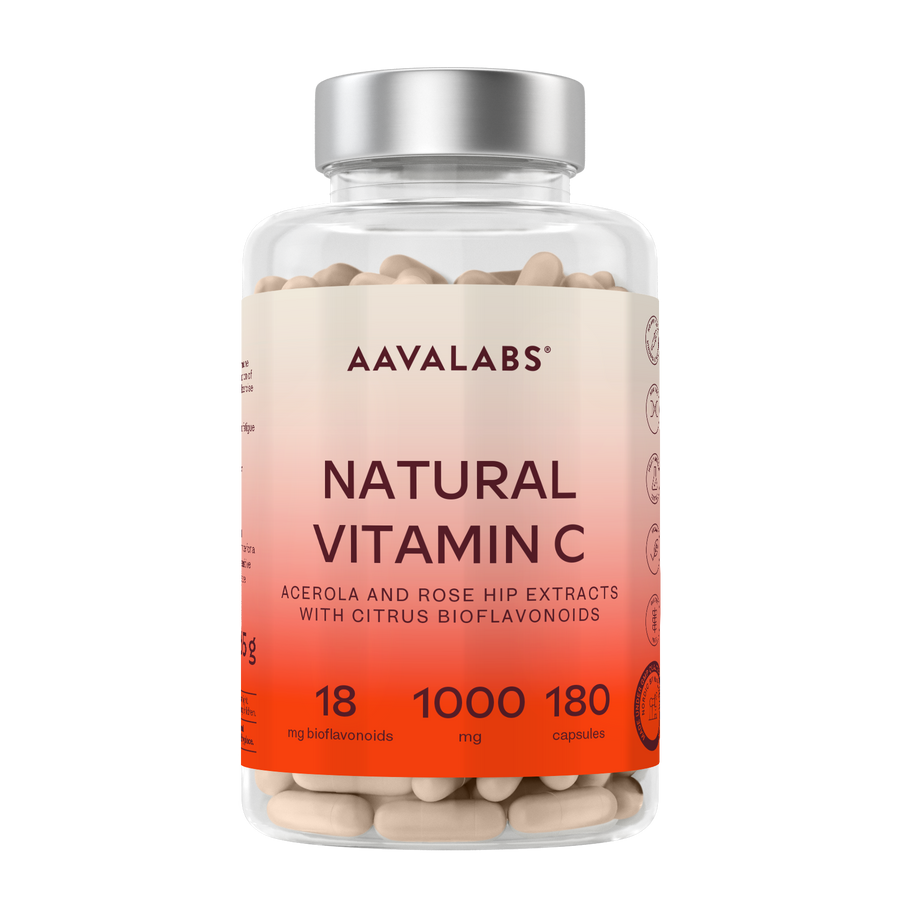
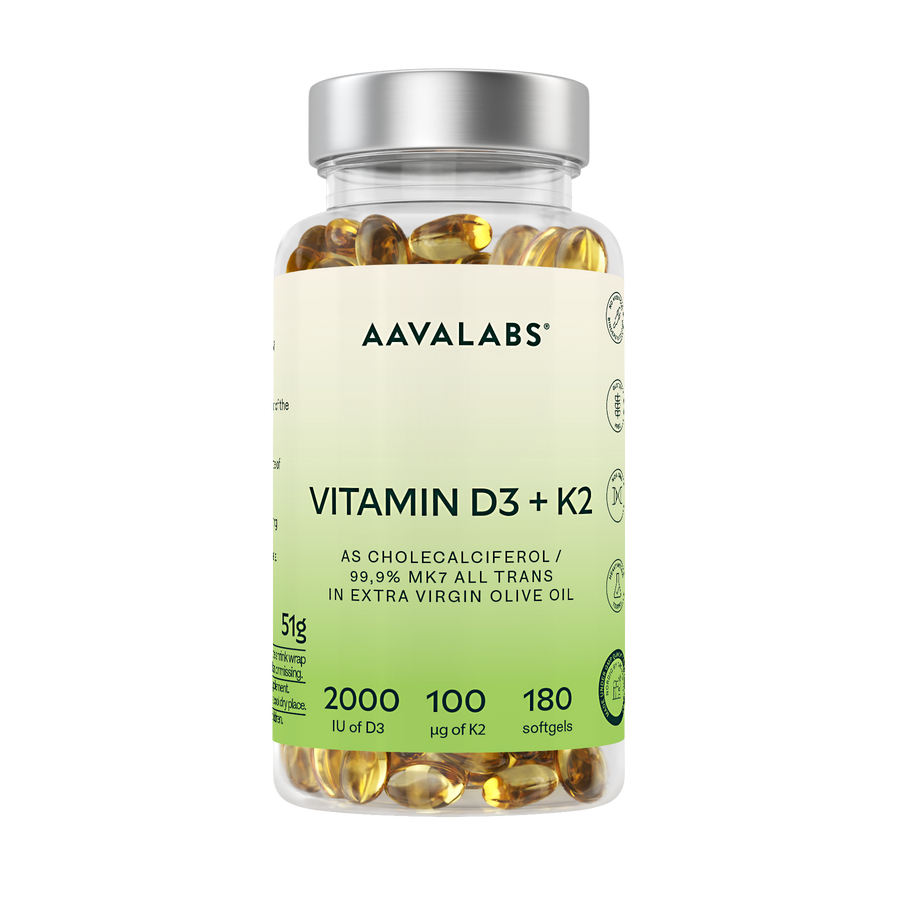
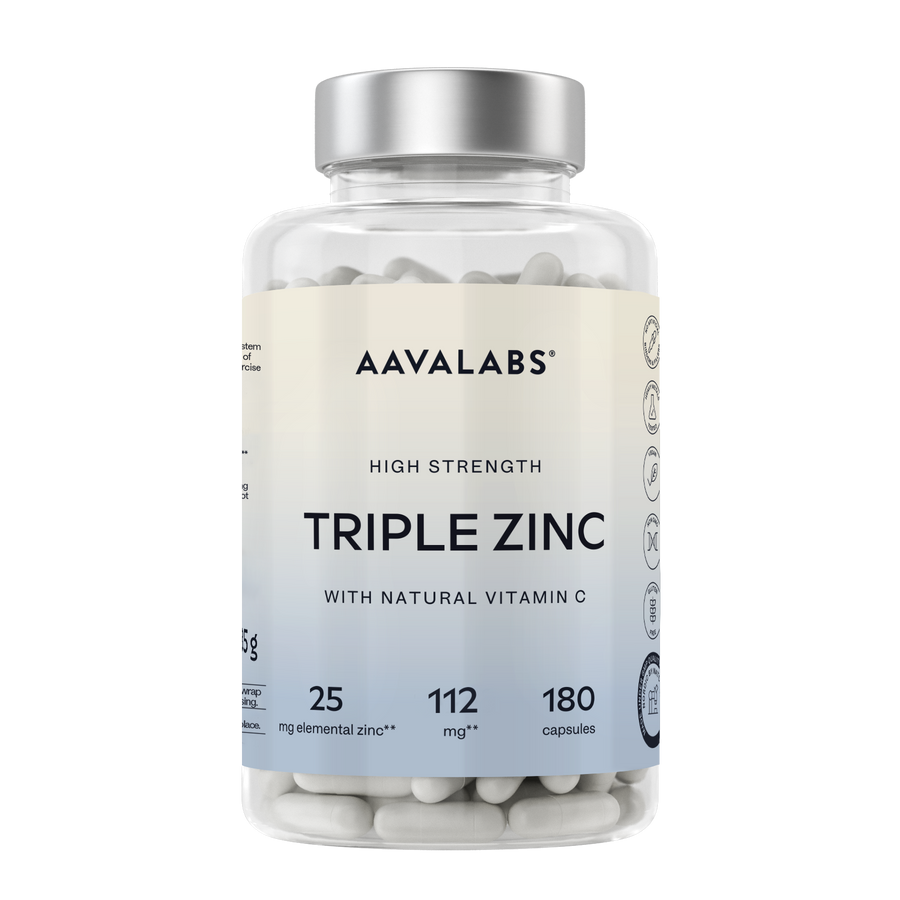
Our Natural Vitamin C Complex, Vitamin D3 and Zinc provide individual nutrients that contribute to the normal function of the immune system.
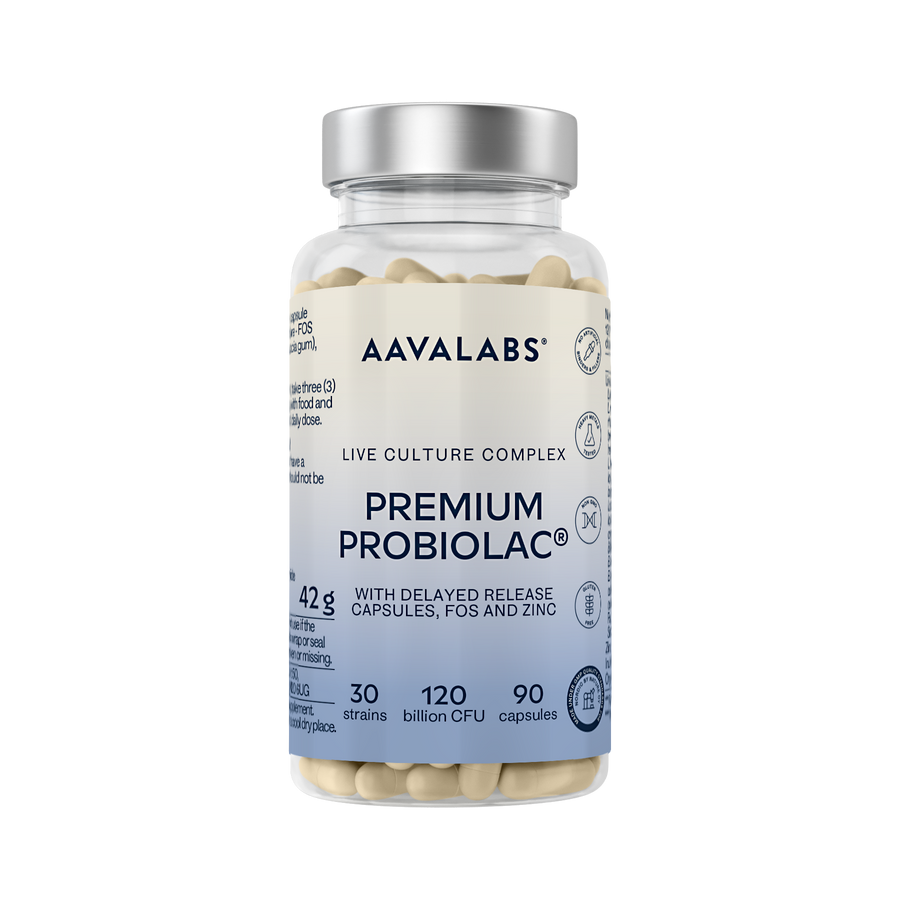
If gut health is part of your routine, you can also explore our Premium Probiolac probiotic formula.
The goal is not to take as many supplements as possible. It is to understand what your body needs and create a routine that is simple enough to maintain consistently.
Supporting Your Body Through Every Season
Your nutritional needs do not suddenly change the moment summer ends, but the environment around you does.
Less sunlight, different routines and more time indoors make autumn and winter a useful moment to review your diet, vitamin D intake, sleep and everyday habits.
Vitamin C, vitamin D, zinc and selenium all contribute to normal immune function, but they work within a much bigger picture that includes nutrition, movement, recovery and lifestyle.
A balanced seasonal routine is not about trying to make your immune system invincible. It is about consistently giving your body the nutrients and everyday support it needs to function normally.
Frequently Asked Questions
Which vitamins support the immune system?
Vitamin C and vitamin D contribute to the normal function of the immune system. Several other micronutrients, including zinc and selenium, also contribute to normal immune function.
What supplements should you consider during autumn and winter?
There is no universal supplement routine for autumn and winter. Vitamin D can be particularly relevant during periods of limited sunlight, while vitamin C, zinc and selenium are nutrients involved in normal immune function. Whether supplementation is appropriate depends on your diet, lifestyle and individual needs.
Does vitamin C support immunity?
Yes. Vitamin C contributes to the normal function of the immune system and helps protect cells from oxidative stress. It also contributes to normal energy-yielding metabolism and the reduction of tiredness and fatigue.
Why is vitamin D important during winter?
Vitamin D contributes to the normal function of the immune system, normal muscle function and the maintenance of normal bones. During darker months, reduced UVB exposure can limit the amount of vitamin D the body produces through the skin.
Does zinc support the immune system?
Yes. Zinc contributes to the normal function of the immune system and helps protect cells from oxidative stress. It also contributes to normal DNA synthesis and cell division.
Does selenium support immunity?
Yes. Selenium contributes to the normal function of the immune system and helps protect cells from oxidative stress. It also contributes to normal thyroid function.
Can you take vitamin C, vitamin D and zinc at the same time?
These nutrients can form part of the same diet or supplement routine. Always follow the recommended intake of each product and check whether other supplements you use contain the same nutrients to avoid unnecessarily high combined intakes.
Can supplements prevent colds?
Supplements should not be presented as a way to guarantee that you will avoid colds or other infections. Their role is to provide nutrients, and certain nutrients such as vitamin C, vitamin D, zinc and selenium contribute to the normal function of the immune system.