Collagen is an important structural protein found throughout the body, including in blood vessel walls. Discover its role in vascular structure, what the body needs to produce collagen and the everyday habits that support normal collagen formation.
Collagen is often associated with skin, hair and beauty, but its role in the body goes much further. As an important structural protein, collagen is found throughout our connective tissues, including the tissues that make up our blood vessels.
Arteries, veins and capillaries need both strength and flexibility to perform their normal functions. Collagen forms part of the structural framework of these tissues, alongside other proteins such as elastin.
So what exactly does collagen do in the cardiovascular system, and how can we support the body's normal collagen production?
Why Is Collagen Important for Blood Vessels?
Collagen is one of the main structural proteins in the extracellular matrix, the network that provides support to cells and tissues throughout the body.
Within blood vessel walls, collagen contributes to their structure and mechanical strength. Different types of collagen are found in different layers of the vascular system and work alongside elastin and other components of connective tissue.
This structural role is particularly important because blood vessels constantly respond to changes in blood flow and pressure as blood moves around the body.
What Happens to Collagen as We Age?
The body's collagen metabolism changes naturally throughout life. Ageing affects both the production and organisation of collagen within connective tissues.
At the same time, lifestyle and environmental factors can influence collagen and connective tissue. Smoking, for example, is associated with damage to connective tissue, while nutrition determines whether the body has the nutrients it needs for normal collagen formation.
Rather than focusing on preventing the natural ageing process, it can be more useful to focus on the everyday habits that support normal connective tissue and cardiovascular health throughout life.
Which Nutrients Support Normal Collagen Formation?
The body produces its own collagen using amino acids obtained from dietary protein. Several nutrients are also involved in the processes required for normal connective tissue formation.
Vitamin C
Vitamin C contributes to normal collagen formation for the normal function of blood vessels.
This makes vitamin C particularly relevant when discussing collagen in the context of vascular health. Good dietary sources include citrus fruits, berries, peppers, broccoli and other fruits and vegetables.
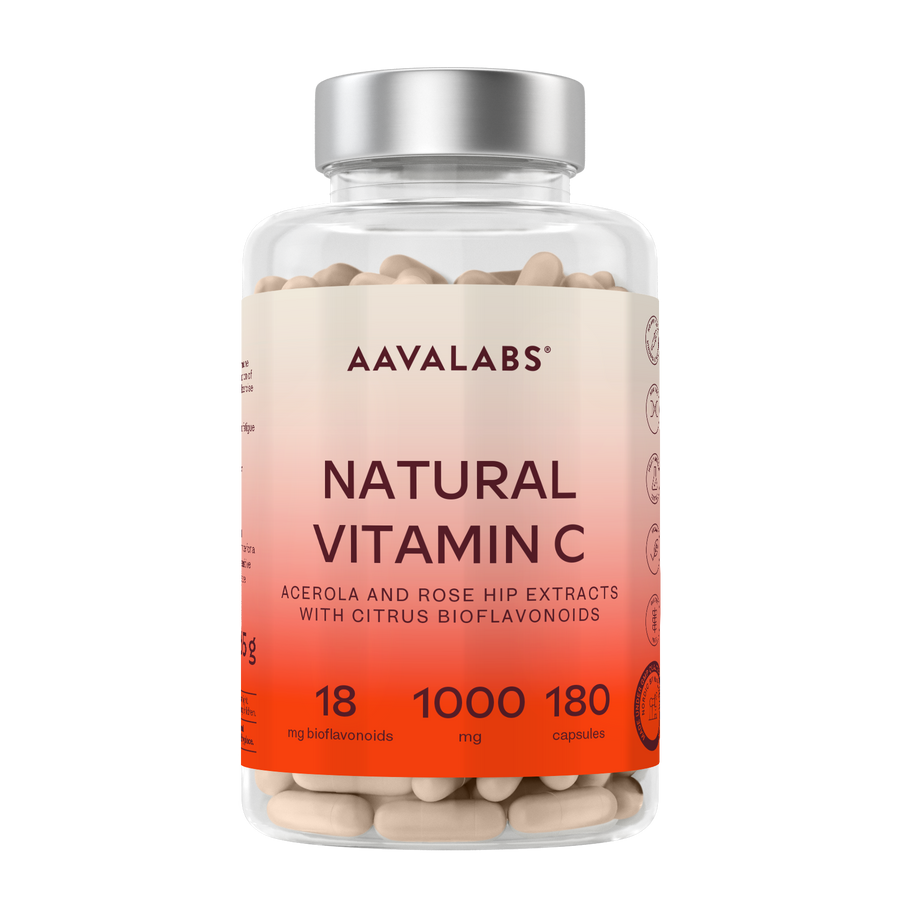
If you are looking for additional nutritional support, Vitamin C can also contribute to your daily vitamin C intake.
Protein and Amino Acids
Collagen is a protein composed primarily of amino acids, including glycine, proline and hydroxyproline.
A varied diet containing adequate protein provides the amino acids the body uses to build and maintain its own proteins. Sources include fish, meat, eggs, dairy products, legumes, nuts and seeds.
Copper
Copper contributes to the maintenance of normal connective tissues and to the protection of cells from oxidative stress.
Dietary sources of copper include nuts, seeds, shellfish, whole grains and cocoa.
Can You Get Collagen from Food?
Collagen occurs naturally in animal connective tissues and can therefore be obtained from foods such as meat, fish and collagen-containing broths.
However, dietary collagen is digested into smaller peptides and amino acids before being absorbed. The body can then use these components as part of its normal protein metabolism.
Hydrolysed collagen supplements provide collagen that has already been broken down into smaller peptides, making them easy to incorporate into a daily routine.
What Is Hydrolysed Collagen?
Hydrolysed collagen, also known as collagen peptides, is collagen that has undergone a process called hydrolysis. This breaks the larger collagen proteins into smaller peptides.
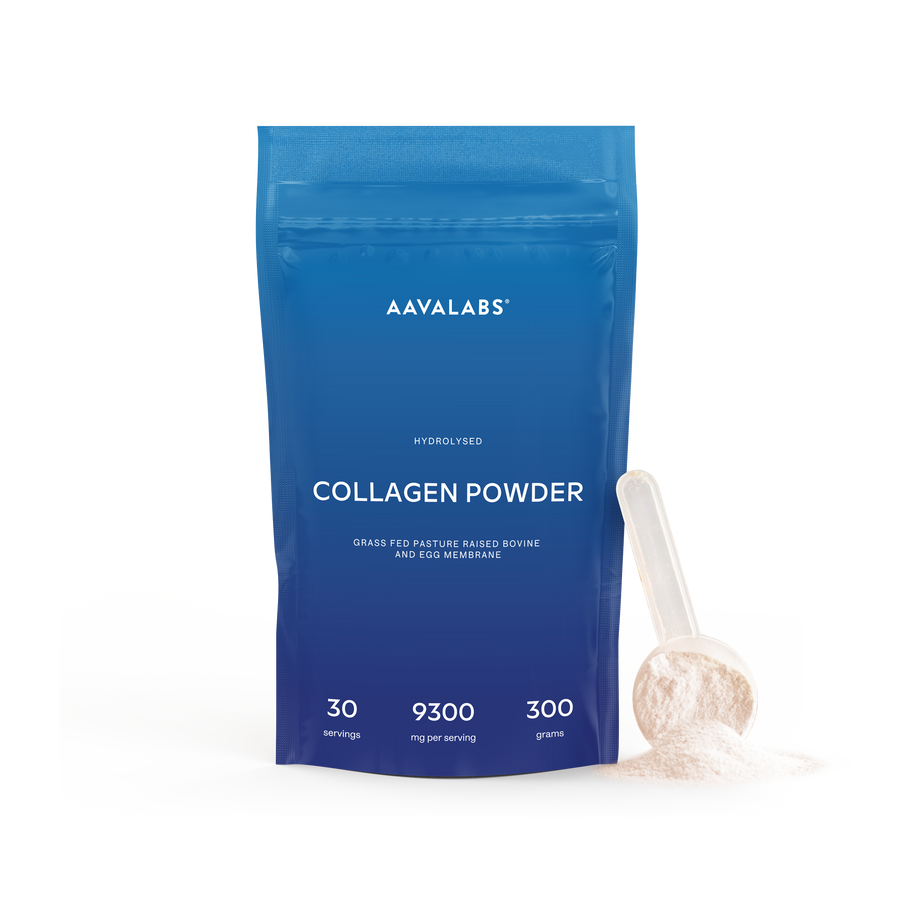
Our Hydrolysed Collagen Powder provides collagen peptides in an easy-to-use powder format.
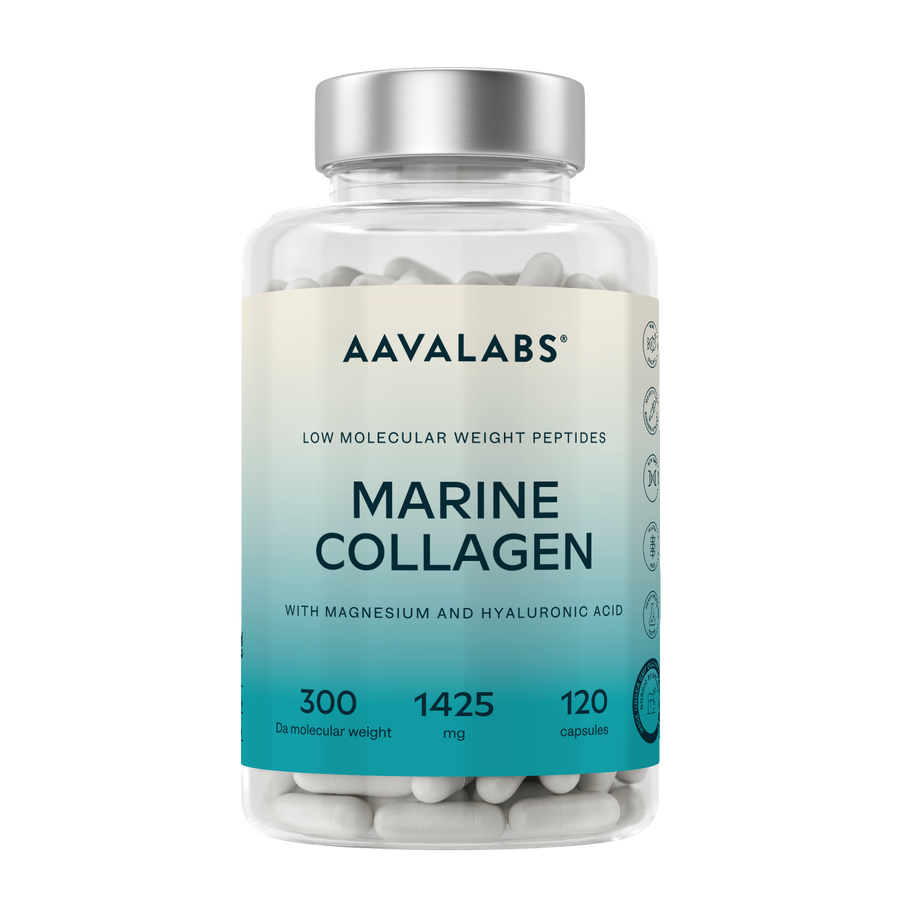
Another option is our Marine Collagen, which combines marine collagen with additional ingredients including vitamin C. Vitamin C contributes to normal collagen formation for the normal function of blood vessels, skin, bones and cartilage.
How Can You Support Cardiovascular Health Every Day?
Collagen is only one small part of the much bigger cardiovascular picture. Everyday lifestyle habits remain particularly important for maintaining overall heart and circulatory health.
- Eat a varied diet: Include plenty of fruit, vegetables, whole grains, protein sources and unsaturated fats.
- Stay physically active: Regular movement is an important part of maintaining cardiovascular health.
- Avoid smoking: Smoking is a major cardiovascular risk factor and can also affect connective tissues.
- Prioritise sleep: Consistent, sufficient sleep supports overall health and recovery.
- Include vitamin C: Vitamin C contributes to normal collagen formation for the normal function of blood vessels.
Collagen Is More Than a Beauty Protein
Collagen may be best known for its association with skin, but it is a structural protein found throughout the body, including within our blood vessels.
Rather than thinking of collagen supplementation as a way to prevent cardiovascular disease, it is more accurate to look at collagen as part of the body's wider connective tissue system.
A varied diet, regular movement and adequate intake of nutrients such as vitamin C provide a strong foundation for supporting normal collagen formation and overall cardiovascular health.
Frequently Asked Questions
Is collagen found in blood vessels?
Yes. Collagen is an important component of the extracellular matrix within blood vessel walls. It contributes to their structure and mechanical strength and works alongside other structural proteins such as elastin.
Does collagen keep arteries flexible?
Collagen contributes primarily to the structural strength of blood vessel walls, while elastin plays an especially important role in their elasticity. The balance and organisation of these structural components help determine the mechanical properties of vascular tissue.
Can collagen supplements prevent cardiovascular disease?
Collagen supplements should not be considered a treatment or preventive measure for cardiovascular disease. Cardiovascular health is influenced by many factors, including diet, physical activity, smoking, blood pressure and other individual health factors.
Which vitamin supports collagen formation in blood vessels?
Vitamin C contributes to normal collagen formation for the normal function of blood vessels. It also contributes to the protection of cells from oxidative stress.
What is hydrolysed collagen?
Hydrolysed collagen is collagen that has been broken down into smaller peptides through hydrolysis. These collagen peptides can be provided through supplements such as Hydrolysed Collagen Powder.
Is marine collagen different from bovine collagen?
Marine and bovine collagen come from different sources and can have different collagen type profiles. Marine collagen is derived from fish, while bovine collagen comes from cattle. Both can be processed into hydrolysed collagen peptides for use in food supplements.