A healthy gut is supported by more than one food or supplement. Your diet, fibre intake, movement, sleep and everyday habits all contribute to your digestive wellbeing.
Discover six simple ways to build a gut-friendly daily routine, including fibre-rich foods, fermented foods, probiotics, hydration and healthy lifestyle habits.
Your gut does much more than digest the food you eat. It is home to trillions of microorganisms collectively known as the gut microbiome, a complex ecosystem that interacts with your diet, digestive system and many other processes throughout the body.
So, how can you support your gut health every day? Rather than relying on a single food or supplement, a gut-friendly routine starts with consistent habits such as eating a varied diet, getting enough fibre, staying hydrated, moving regularly and supporting your overall wellbeing.
Here are six simple ways to build a gut-friendly routine that fits naturally into everyday life.
What Is Gut Health?
Gut health generally refers to the health and function of your gastrointestinal tract, including the community of microorganisms living within it.
Your gut microbiome contains a wide variety of bacteria and other microorganisms. Its composition is influenced by many factors, including your diet, lifestyle, environment, age and medication use.
There is no single definition of the "perfect" gut microbiome. Instead, researchers continue to explore how microbial diversity and different bacterial species interact with our health.
Why Is a Healthy Gut Important?
Your digestive system is responsible for breaking down food and allowing nutrients to be absorbed. The microorganisms living in your gut also interact with components of your diet, particularly dietary fibre.
The gut is also closely connected with other systems in the body. For example, communication between the digestive system and the brain is often described as the gut-brain axis.
This is one reason gut health has become an important area of nutrition and microbiome research.
1. Eat a Varied, Fibre-Rich Diet
One of the most important foundations of a gut-friendly diet is fibre.
Dietary fibre is found in plant foods and reaches the large intestine, where certain types can be fermented by gut bacteria.
Good sources of fibre include:
- Vegetables
- Fruit
- Whole grains
- Beans and lentils
- Nuts and seeds
- Oats
- Flaxseed and chia seeds
Variety matters too. Eating different types of plant foods provides your diet with different fibres and nutrients rather than relying on the same foods every day.
If you currently eat relatively little fibre, increase your intake gradually and make sure you drink enough fluids.
2. Include Fermented Foods
Fermentation has been used to preserve food for thousands of years. Today, fermented foods are also popular as part of a gut-friendly diet.
Examples include:
- Live yoghurt
- Kefir
- Sauerkraut
- Kimchi
- Tempeh
Not every fermented food contains live microorganisms by the time you eat it, so check the product information if this is what you are looking for.
Fermented foods can be one part of a varied diet alongside plenty of fibre-rich plant foods.
3. Consider Probiotics as Part of Your Routine
Probiotics are live microorganisms found in certain foods and supplements. Different probiotic products can contain different microorganisms, strains and quantities, so they should not all be considered interchangeable.
If you choose a probiotic supplement, look carefully at the formula and follow the recommended intake instructions for that specific product.
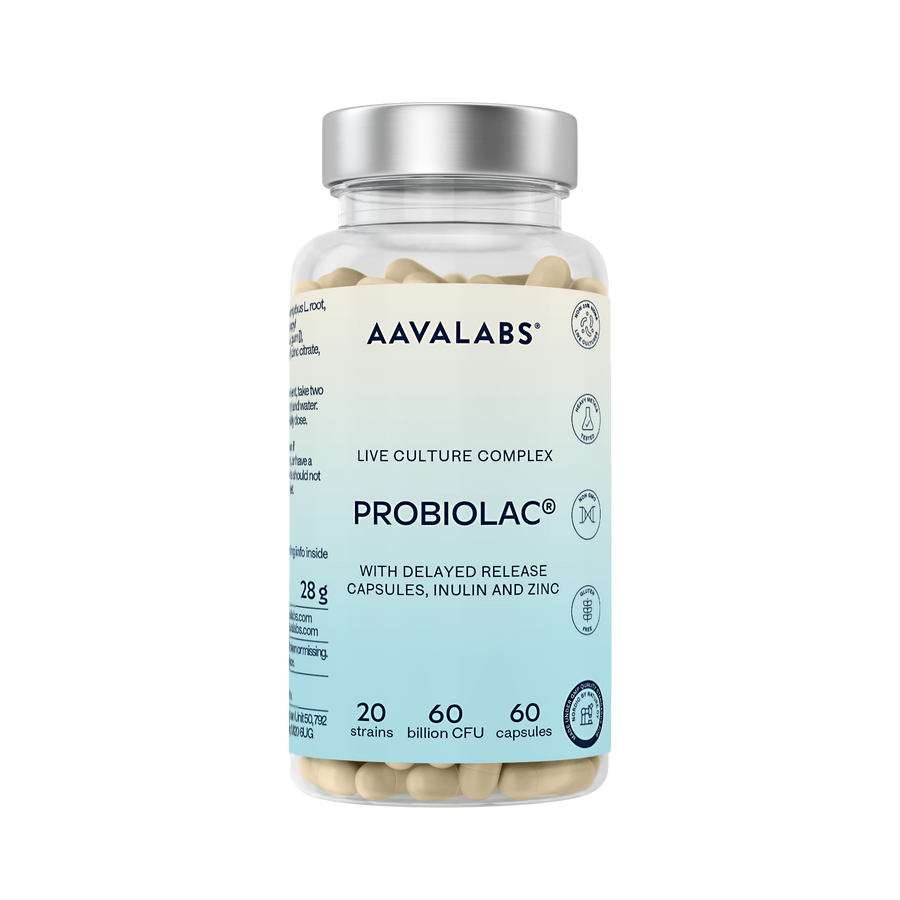
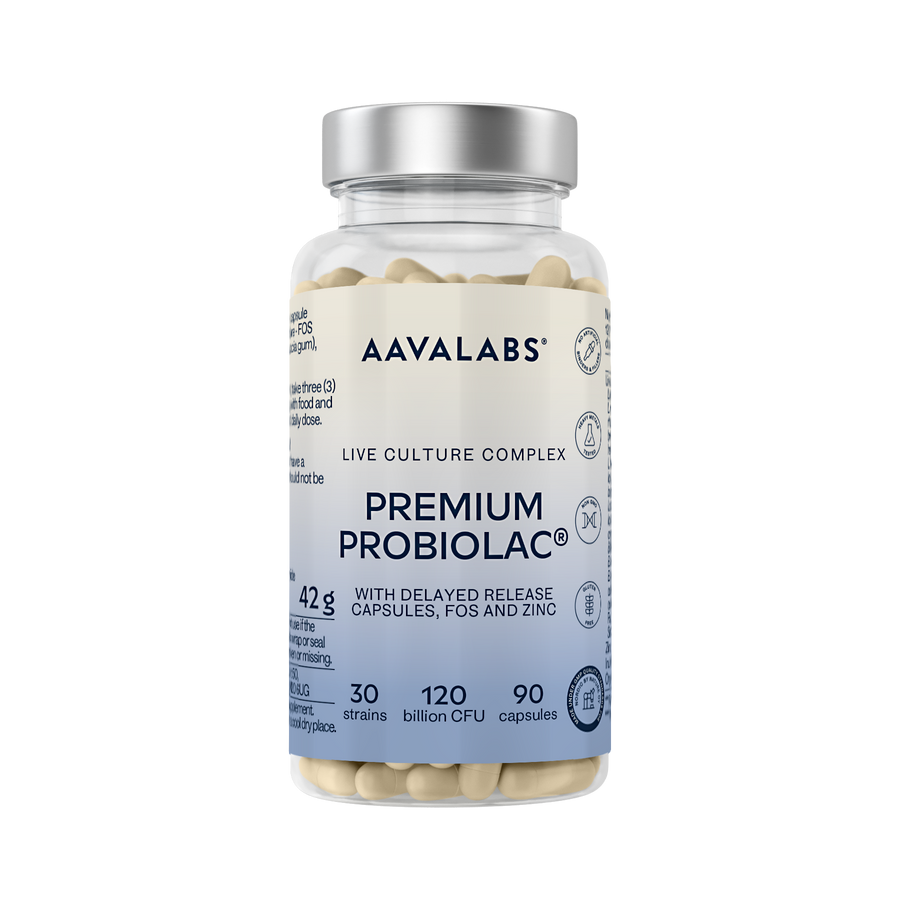
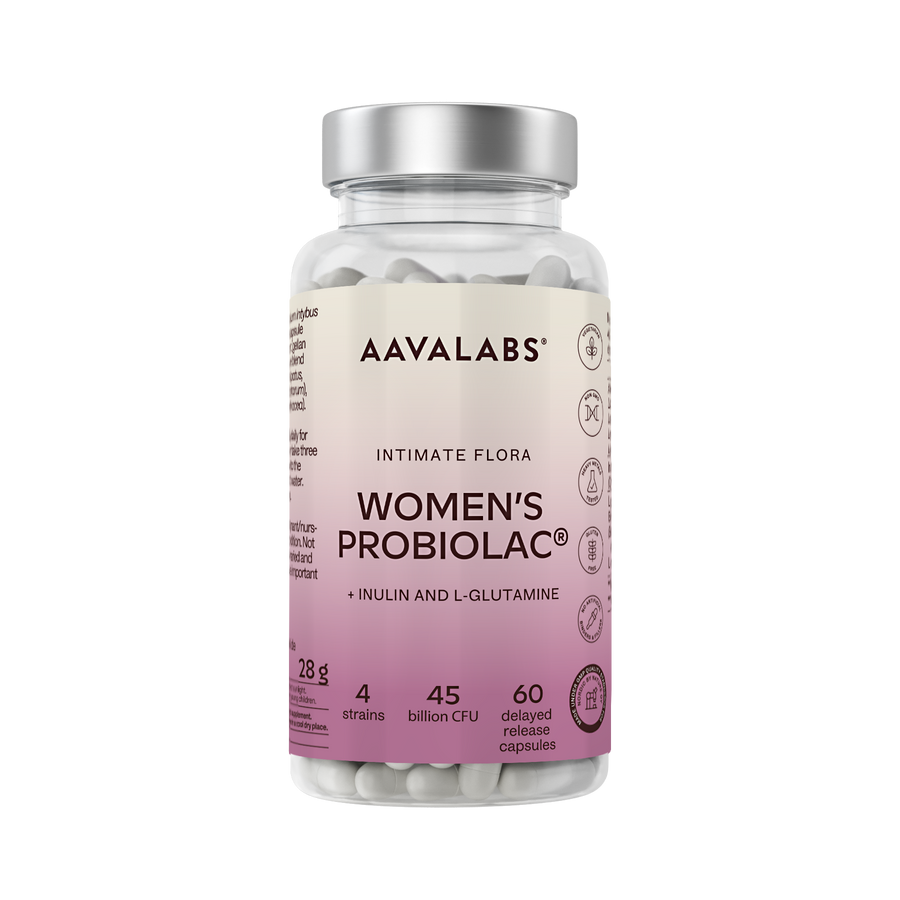
AAVALABS offers several probiotic formulations, including Probiolac Probiotic 20 Strains, Premium Probiolac Probiotic 30 Strains and Women's Probiolac Probiotic.
Supplements can complement your routine, but they do not replace a varied and balanced diet.
4. Stay Hydrated
Hydration is another simple part of supporting normal digestive function, particularly when your diet contains plenty of fibre.
Your individual fluid requirements depend on factors such as physical activity, climate and your overall diet.
A simple approach is to drink regularly throughout the day and increase your fluid intake when you exercise, sweat more or spend time in hot weather.
5. Keep Moving
Your gut-friendly routine does not end in the kitchen. Regular physical activity is an important part of a healthy lifestyle and can also support normal bowel function.
You do not need an intense workout every day. Movement can include:
- Walking
- Running
- Cycling
- Swimming
- Strength training
- Yoga
The most useful type of movement is often the one you enjoy enough to do consistently.
6. Pay Attention to Sleep and Stress
Your digestive system does not function in isolation. Sleep, stress, physical activity and eating habits are all part of your wider lifestyle.
Stress can influence digestive sensations and habits, while the gut and brain communicate through what is commonly known as the gut-brain axis.
Simple habits that may help you create a more balanced routine include:
- Maintaining a consistent sleep schedule
- Creating time to relax during the day
- Eating without rushing when possible
- Chewing your food thoroughly
- Moving regularly
- Taking breaks from screens and work
What Supplements Can Be Part of a Gut-Friendly Routine?
Supplements should complement the foundations of a healthy lifestyle rather than replace them.
Depending on your individual diet and needs, you might consider products containing probiotics or specific vitamins and minerals. However, it is important to distinguish between the role of a nutrient in the body and claims that a supplement can directly change or "repair" your gut microbiome.
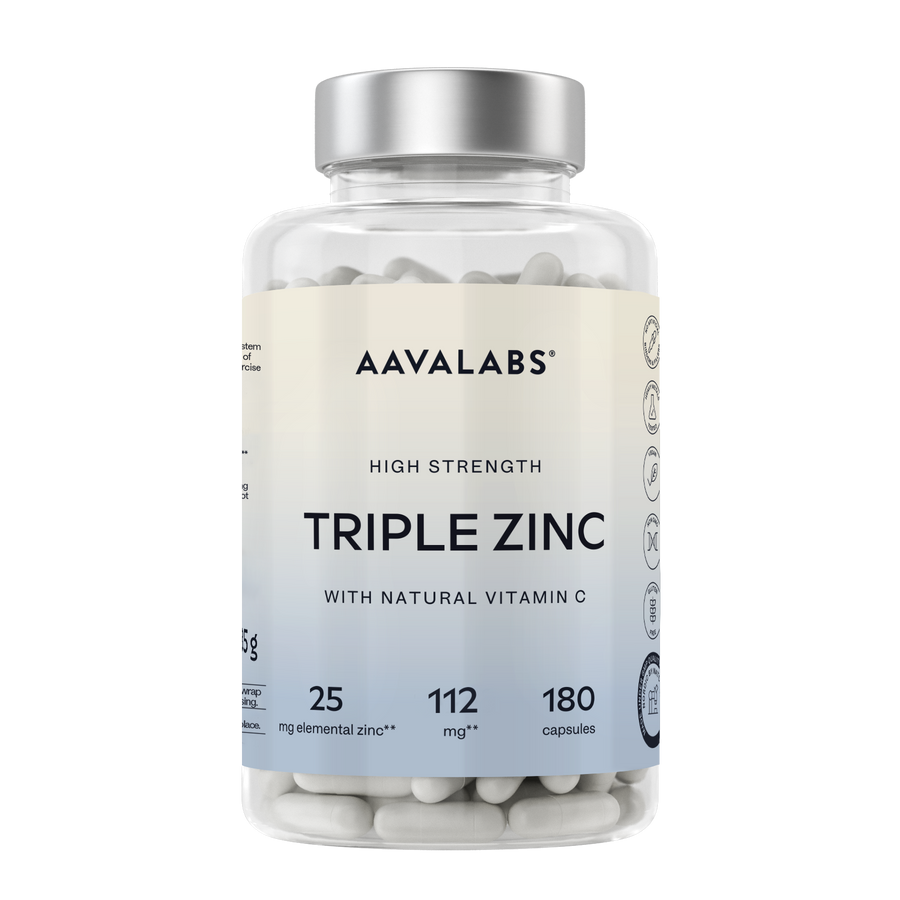
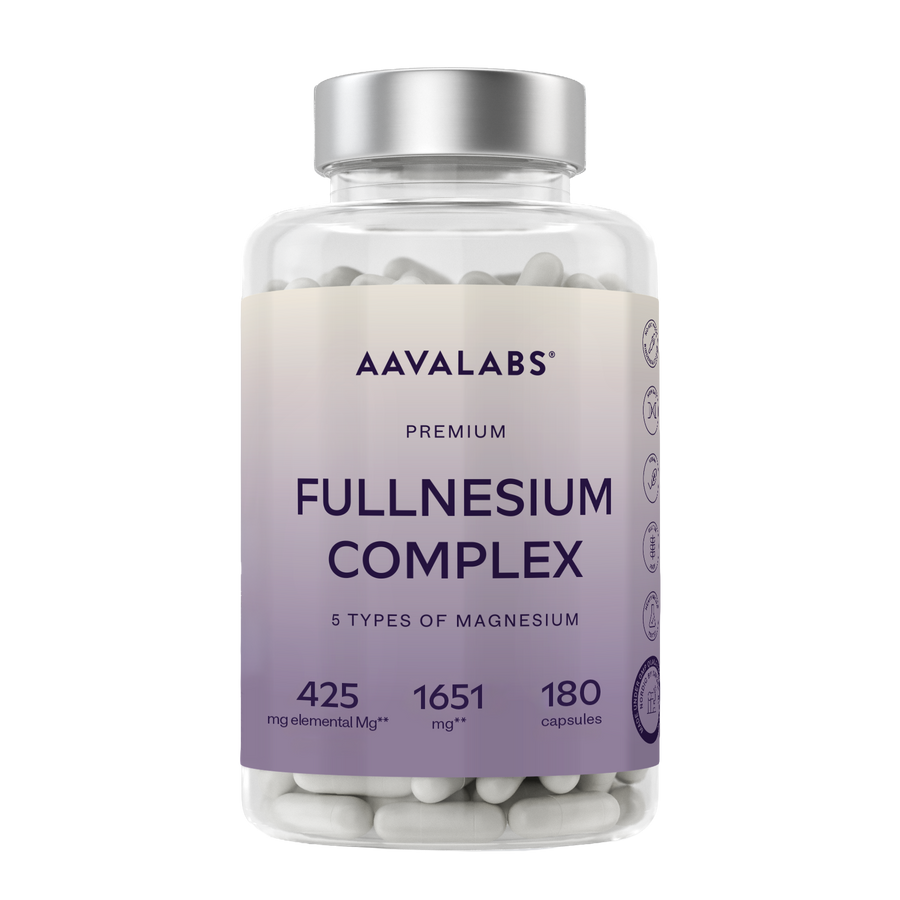
For example, zinc contributes to the normal function of the immune system and to the protection of cells from oxidative stress. Magnesium contributes to normal muscle function, normal psychological function and normal functioning of the nervous system.
These nutrients have recognised roles in the body, but that does not mean they should automatically be described as treatments for digestive problems.
When Should You Take Probiotics?
There is no universal time of day that is best for every probiotic supplement. The appropriate timing can depend on the individual formulation.
The simplest approach is to follow the directions provided for your specific probiotic product and take it consistently.
If you are taking medication or have a medical condition, speak with a healthcare professional before introducing new supplements into your routine.
What Foods Are Good for Gut Health?
A gut-friendly diet does not need to be complicated. Focus on variety and include plenty of minimally processed plant foods.
A typical day could include:
- Breakfast: Oats with berries, chia seeds and live yoghurt
- Lunch: Whole grains, vegetables and a source of protein
- Snack: Fruit with nuts or seeds
- Dinner: Vegetables, legumes and a whole-grain carbohydrate
- Optional fermented food: Kefir, live yoghurt, kimchi or sauerkraut
You do not need to follow a perfect gut-health diet. A varied eating pattern that you can maintain consistently is more practical than constantly searching for individual "superfoods".
Consistency Is the Foundation of a Gut-Friendly Routine
Supporting your gut health is not about a detox, a restrictive diet or finding one perfect supplement.
Instead, focus on the foundations: eat a varied range of fibre-rich foods, include fermented foods if you enjoy them, stay hydrated, move regularly, prioritise sleep and consider supplements where they make sense for your individual needs.
Your gut-friendly routine does not have to be complicated. Small habits repeated consistently can form the foundation of a balanced approach to digestive wellbeing.