Feeling tired from time to time is completely normal. Busy schedules, poor sleep, stress and demanding days can all leave us feeling low on energy. Sleep, regular movement and a balanced diet form the foundation of healthy energy levels.
Certain vitamins and minerals also contribute to normal energy metabolism and the reduction of tiredness and fatigue. In this guide, we explore which nutrients are particularly important and what else you can do to support your energy levels.
Feeling tired from time to time is completely normal. Busy schedules, poor sleep, stress and demanding days can all leave us feeling low on energy. But when tiredness becomes persistent, it is worth looking more closely at your everyday habits and nutritional intake.
Sleep, regular movement and a balanced diet form the foundation of healthy energy levels. Certain vitamins and minerals also contribute to normal energy metabolism and the reduction of tiredness and fatigue. So which nutrients are particularly important, and what else can you do when you regularly feel tired?
What can cause tiredness and fatigue?
There is rarely just one explanation for feeling tired. Sleep, stress, physical activity, nutrition and overall health can all influence how energetic you feel throughout the day.
1. Not getting enough quality sleep
Sleep gives your body and mind time to recover. Most adults need around seven to nine hours of sleep per night, although individual needs can vary.
It is not only the amount of sleep that matters. Sleep quality and a consistent sleep routine can also influence how rested you feel the following day.
2. Not moving enough
Modern life often involves long periods of sitting, whether at a desk, in the car or at home. Regular physical activity is an important part of a healthy lifestyle and can help you feel more energised throughout the day.
You do not necessarily need an intense workout. Walking, cycling, stretching or other forms of movement can all become part of a more active daily routine.
3. Stress and demanding routines
Periods of stress can be mentally and physically demanding. When busy days become the norm, rest and recovery can easily move further down the priority list.
Creating space for movement, relaxation, time outdoors and sufficient sleep can help build a more balanced routine.
4. Health conditions
Persistent or unexplained fatigue can sometimes be associated with an underlying health condition. If you regularly feel unusually tired despite getting enough sleep and maintaining a balanced lifestyle, speak with a healthcare professional.
5. Nutritional deficiencies
Nutrition also plays an important role in normal energy metabolism. Deficiencies in certain nutrients can contribute to tiredness and fatigue.
A varied and balanced diet should always be the starting point. Supplements can be useful when dietary intake is insufficient or when a specific nutritional need has been identified.
Which vitamins and minerals help reduce tiredness and fatigue?
Several essential micronutrients contribute to normal energy yielding metabolism or to the reduction of tiredness and fatigue. Here are some of the most important ones to know.
1. Vitamins B2, B3, B6 and B12
Several B vitamins contribute to normal energy yielding metabolism and to the reduction of tiredness and fatigue, including vitamins B2, B3, B6 and B12.
They can be found across a varied diet in foods such as eggs, dairy products, meat, fish, legumes, whole grains, nuts and seeds, although the exact sources differ between individual B vitamins.
2. Iron
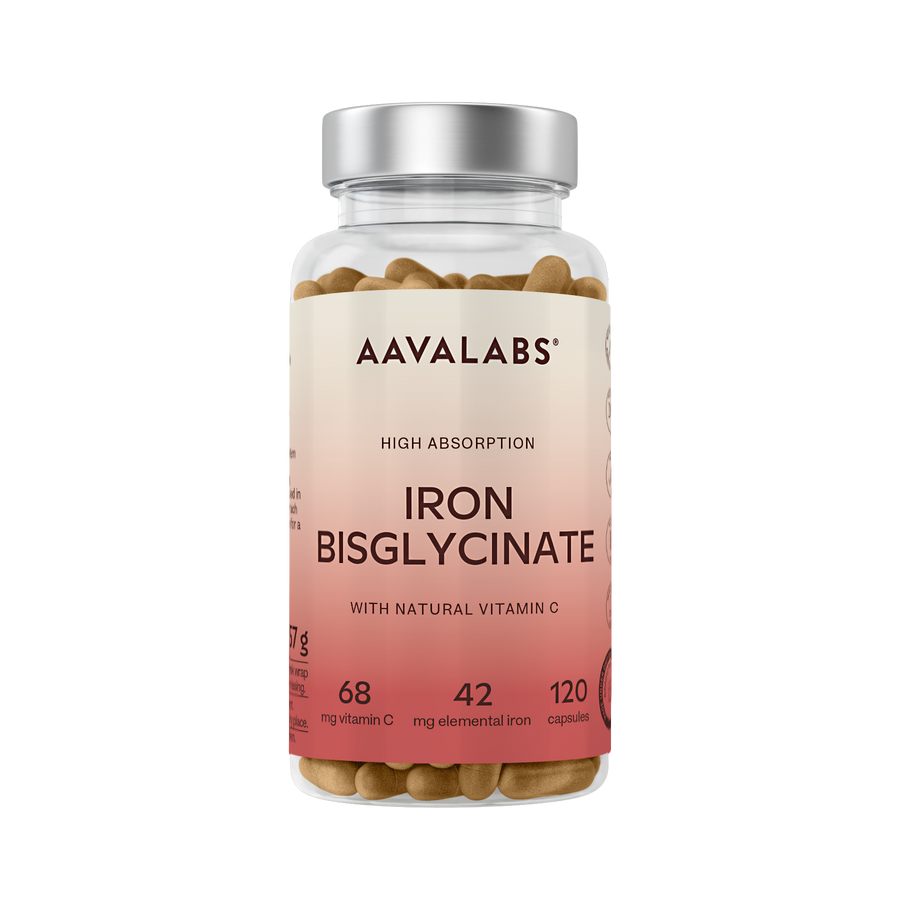
Iron contributes to normal energy yielding metabolism and to the reduction of tiredness and fatigue. It also contributes to the normal formation of red blood cells and haemoglobin and to normal oxygen transport in the body.
Dietary sources of iron include meat, legumes, leafy green vegetables, seeds and fortified foods. If you suspect an iron deficiency, it is worth speaking with a healthcare professional before starting a high dose iron supplement.
3. Folate
Folate contributes to the reduction of tiredness and fatigue and has a role in the process of cell division. It also contributes to normal blood formation.
Natural dietary sources of folate include leafy green vegetables, legumes and certain fruits.
4. Magnesium
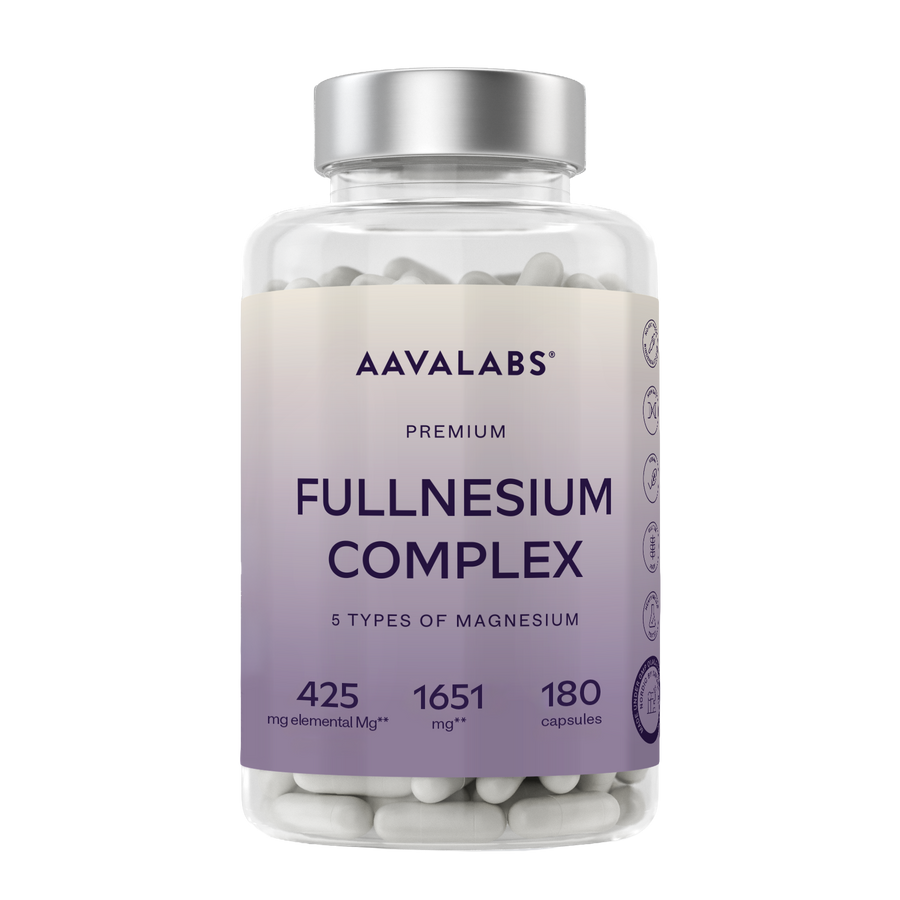
Magnesium contributes to normal energy yielding metabolism and to the reduction of tiredness and fatigue. It also contributes to normal muscle function, normal functioning of the nervous system and electrolyte balance.
Magnesium occurs naturally in foods including nuts, seeds, legumes, whole grains and leafy green vegetables.
5. Vitamin C
Vitamin C contributes to normal energy yielding metabolism and to the reduction of tiredness and fatigue. It also contributes to the normal function of the immune system and to the protection of cells from oxidative stress.
Another useful characteristic of vitamin C is that it increases iron absorption. Good dietary sources include citrus fruits, berries, peppers, broccoli and other fruits and vegetables.
Can supplements help when you feel tired?
Supplements can help provide particular vitamins and minerals when your diet does not provide enough, but they should not be viewed as a replacement for sleep, nutritious food or other healthy habits.
The right supplement also depends on your individual nutritional needs. More is not necessarily better, so always follow the recommended daily intake and consider professional advice if you suspect a nutritional deficiency.
What can you do to support your energy levels?
Supporting your energy is usually less about finding one quick solution and more about looking at your routine as a whole.
- Prioritise consistent, good quality sleep.
- Eat a varied and balanced diet.
- Include regular movement in your day.
- Drink enough water throughout the day.
- Make time for rest and recovery.
- Pay attention to your intake of essential vitamins and minerals.
- Speak with a healthcare professional if fatigue is persistent or unexplained.
Supporting your energy starts with the basics
Feeling tired occasionally is part of life, but persistent fatigue deserves attention. Sleep, nutrition, movement, stress and overall health can all influence how energised you feel.
Nutrients such as vitamins B2, B3, B6 and B12, iron, folate, magnesium and vitamin C all contribute to the reduction of tiredness and fatigue. Building your routine around a balanced diet and healthy everyday habits gives your body the foundation it needs to function at its best.