Nutrition and mental wellbeing are closely connected. The foods we eat provide the energy and essential nutrients our brain and nervous system need to function normally.
But how does nutrition support mental wellbeing, which nutrients are particularly important, and what role does the gut play? In this guide, we explore the connection between diet, normal psychological function and brain health, and look at simple ways to support a balanced diet.
What we eat provides the nutrients our entire body needs, including the brain. This makes nutrition one of many factors that can contribute to our overall mental wellbeing.
The relationship between nutrition and mental health is complex. Our diet does not determine how we feel, and food should never be viewed as a treatment for mental health conditions. However, eating a varied and balanced diet helps provide the energy and essential nutrients needed for normal brain and psychological function.
So how are nutrition and mental wellbeing connected, and which nutrients are particularly relevant? Let’s take a closer look.
Quick answer: Nutrition supports mental wellbeing by providing the brain and nervous system with essential nutrients and energy. Nutrients including magnesium, several B vitamins, iron, zinc and omega 3 fatty acids have recognised roles in normal psychological, cognitive or nervous system function. Diet is only one part of mental wellbeing, alongside factors such as sleep, movement, relationships, stress and overall health.
How are nutrition and mental health connected?
Your brain is an energy demanding organ that depends on a continuous supply of nutrients. Proteins, fats, carbohydrates, vitamins and minerals all participate in processes that help the body and brain function normally.
This does not mean that individual foods directly control your mood. Instead, nutrition forms part of the wider biological foundation that supports normal brain and nervous system function.
Several nutrients have particularly relevant established functions. Magnesium contributes to normal psychological function and normal functioning of the nervous system. Vitamins B6, B12, biotin, niacin and thiamine also contribute to normal psychological function.
Nutrition therefore matters, but it should be considered alongside the many other biological, psychological and social factors that influence mental wellbeing.
What is the gut and brain connection?
Your digestive system and brain communicate with each other through what researchers commonly call the gut and brain axis.
This communication involves several pathways, including the nervous system, immune system and metabolic processes. The gut also contains a large community of microorganisms known collectively as the gut microbiome.
Research into the relationship between the gut microbiome and mental health has grown considerably in recent years. Scientists are investigating how diet, microbial diversity and substances produced by gut bacteria may interact with brain function and behaviour.
It is an exciting area of research, but many questions remain unanswered. A healthy diet can support normal digestive health, but it would be too simplistic to say that a healthy gut automatically creates a healthy mind.
Which nutrients support normal psychological function?
Several essential nutrients have recognised roles in normal psychological or cognitive function. Getting enough of these nutrients through a varied diet helps support the normal processes your body relies on every day.
Magnesium
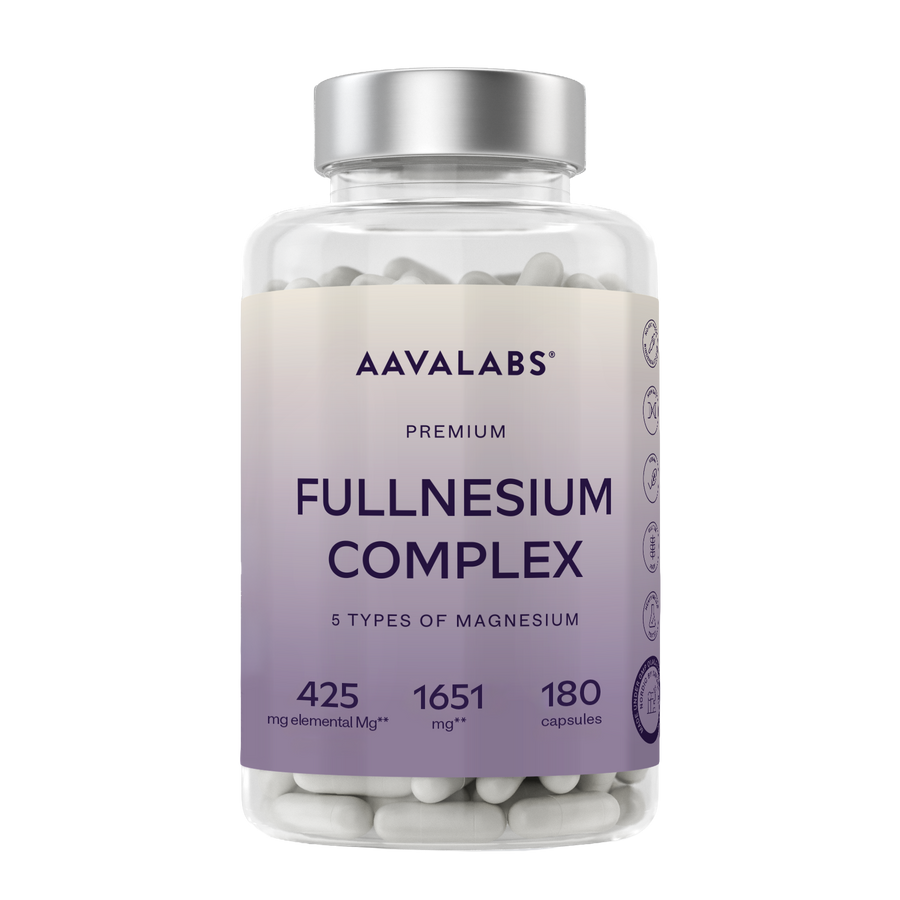
Magnesium contributes to normal psychological function and the normal functioning of the nervous system. It also contributes to normal energy yielding metabolism and to the reduction of tiredness and fatigue.
Food sources of magnesium include nuts, seeds, legumes, whole grains and leafy green vegetables.
B vitamins
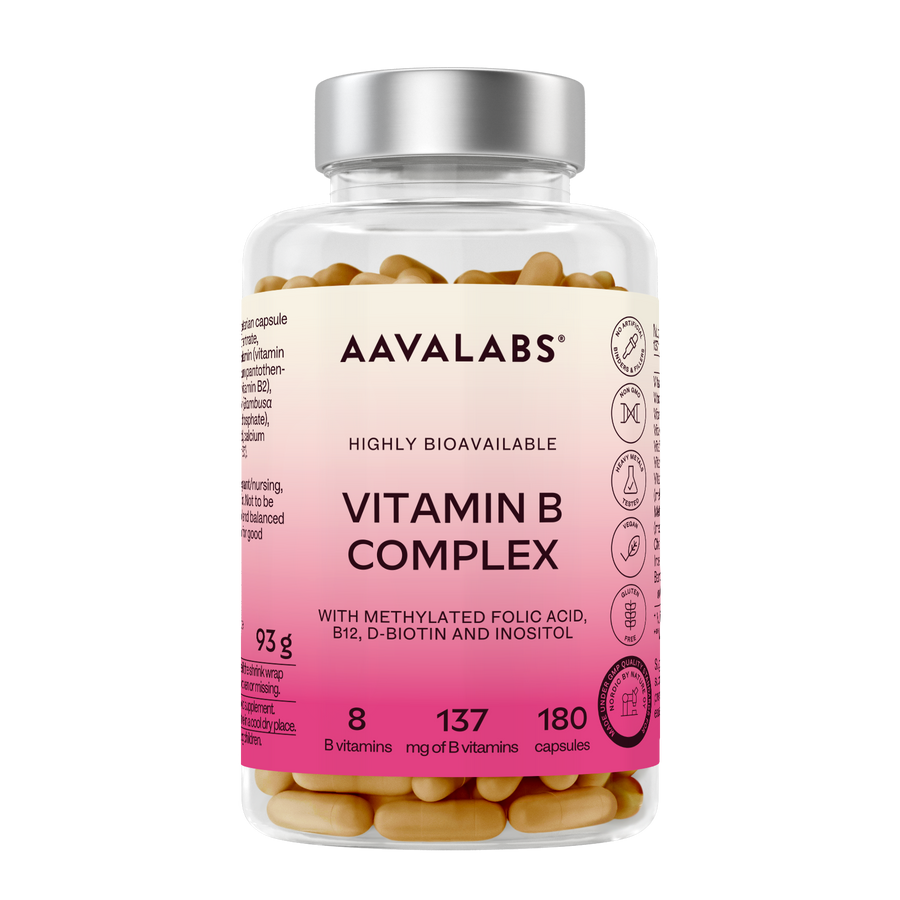
Several B vitamins contribute to normal psychological function, including vitamins B6 and B12, thiamine, niacin, biotin and folate.
B vitamins can be found across a wide range of foods, which is another reason why dietary variety matters.
Iron
Iron contributes to normal cognitive function and normal energy yielding metabolism. It also contributes to the reduction of tiredness and fatigue.
Dietary sources include meat, legumes, fortified foods and certain seeds and leafy vegetables.
Zinc
Zinc contributes to normal cognitive function and to the protection of cells from oxidative stress.
Sources include meat, shellfish, dairy products, legumes, nuts and seeds.
Omega 3 fatty acids
DHA contributes to the maintenance of normal brain function. This beneficial effect is obtained with a daily intake of 250 mg of DHA.
Oily fish is one of the best known dietary sources of EPA and DHA. Algae can provide a plant based source of these long chain omega 3 fatty acids.
What does a balanced diet for mental wellbeing look like?
There is no single food or perfect diet that guarantees good mental health. A more useful approach is to focus on dietary patterns that provide a broad range of essential nutrients.
A varied diet can include plenty of vegetables and fruit, whole grains, legumes, nuts and seeds, sources of protein and appropriate sources of healthy fats.
Variety matters because different foods provide different combinations of nutrients. Rather than focusing on one supposed superfood, think about the quality and diversity of your diet as a whole.
Eat a variety of whole foods
Choosing a broad range of foods makes it easier to obtain the vitamins, minerals, protein, fibre and essential fatty acids your body needs.
Include regular sources of protein
Protein provides amino acids that the body uses for many different physiological processes. Sources can include fish, eggs, dairy products, meat, legumes, tofu, nuts and seeds.
Choose sources of healthy fats
Foods such as oily fish, nuts, seeds, avocado and olive oil can contribute useful fats as part of a balanced diet.
Do not forget hydration
Water is essential for normal physical and cognitive function. Regular fluid intake is therefore another simple part of supporting your overall wellbeing.
Can food affect your mood?
Many people notice that how and what they eat can influence how they feel throughout the day. Hunger, meal timing, hydration and overall energy intake can all affect our everyday experience.
However, mood is influenced by far more than nutrition alone. Sleep, stress, hormones, physical activity, relationships, health conditions and life circumstances can all play a role.
This is why it is useful to avoid attributing changes in mood to one food or nutrient. Nutrition can support normal body and brain function, but it is one piece of a much larger picture.
What role does the gut microbiome play?
The gut microbiome contains trillions of microorganisms living in the digestive tract. Diet is one of the factors that can influence this microbial community.
Foods containing fibre provide substrates that certain gut bacteria can use. Fermented foods can also contain live microorganisms, depending on how they are produced and processed.
Researchers continue to investigate whether specific changes in the microbiome can meaningfully influence mental health. While the gut and brain clearly communicate, the science is still developing and should not be reduced to claims that particular foods or probiotics can improve mental health.
Do you need supplements for mental wellbeing?
Supplements can help provide specific nutrients when dietary intake is insufficient or when individual circumstances increase nutritional requirements. They should not replace a varied and balanced diet.
Before choosing a supplement, consider what you actually need. More is not necessarily better, and combining several products can sometimes result in unnecessarily high intakes of particular nutrients.
If you suspect a nutritional deficiency, have persistent symptoms or are unsure whether supplementation is appropriate for you, speak with a qualified healthcare professional.
Most importantly, supplements should not be used as a substitute for appropriate support or treatment for a mental health condition.
Simple ways to support your diet and wellbeing
- Eat a varied diet with plenty of nutrient rich foods.
- Include vegetables and fruit regularly.
- Choose whole grains, legumes, nuts and seeds where appropriate.
- Include suitable sources of protein and healthy fats.
- Drink enough water throughout the day.
- Consider your overall lifestyle, including sleep, movement and stress.
- Use supplements to complement your diet where appropriate rather than as a replacement for nutritious food.
Frequently asked questions
Is nutrition connected to mental health?
Yes. Nutrition provides energy and essential nutrients required for normal brain, nervous system and psychological function. However, mental health is influenced by many factors, so diet should be viewed as one part of overall wellbeing rather than as a standalone solution.
Which nutrients support normal psychological function?
Magnesium and several B vitamins, including vitamins B6 and B12, thiamine, niacin, biotin and folate, contribute to normal psychological function.
Which nutrients support normal brain function?
DHA contributes to the maintenance of normal brain function when consumed at the required daily amount. Other nutrients have established roles in related processes. For example, iron and zinc contribute to normal cognitive function.
Can a healthy diet improve your mood?
A balanced diet supports normal physical and psychological function, but mood is influenced by many different factors. It is therefore difficult to attribute changes in mood to individual foods or nutrients.
What is the gut and brain axis?
The gut and brain axis describes communication between the gastrointestinal system and the brain. This involves neural, immune and metabolic pathways. Research is continuing to explore how the gut microbiome may form part of this relationship.
Can supplements replace a healthy diet?
No. Food supplements are intended to complement a varied and balanced diet and healthy lifestyle, not replace them.
Key takeaways
- Nutrition provides the energy and nutrients required for normal brain and nervous system function.
- Magnesium and several B vitamins contribute to normal psychological function.
- Iron and zinc contribute to normal cognitive function.
- DHA contributes to the maintenance of normal brain function when consumed at the required daily amount.
- The gut and brain communicate through several biological pathways, although research into the microbiome and mental health is still developing.
- Mental wellbeing is influenced by many factors, so nutrition should be considered as one part of a broader healthy lifestyle.
This article is for informational purposes only and is not intended to diagnose, treat, cure or prevent any disease. Food supplements should not be used as a substitute for a varied, balanced diet and healthy lifestyle. If you are concerned about your mental health, seek advice from an appropriate healthcare professional.