Certain vitamins and minerals directly support the nervous system, regulate stress hormones and reduce anxiety symptoms. Here is what the science says about the 8 most effective nutrients
Several vitamins, minerals and natural compounds have research-backed effects on anxiety and stress. The most important include magnesium, B vitamins, omega-3 fatty acids, vitamin D, ashwagandha, vitamin C, zinc and L-theanine. These nutrients support the nervous system, regulate stress hormones, promote neurotransmitter production and reduce the physiological effects of chronic stress. Addressing nutritional gaps is one of the most practical ways to support mental resilience alongside other wellbeing habits.
Important: if anxiety is significantly affecting your daily life, please reach out to a healthcare professional or therapist for support. The nutrients below are supportive tools, not a replacement for professional care.
Why does controlling anxiety matter for physical and mental health?
Anxiety is not just an uncomfortable feeling. Prolonged exposure to stress and anxiety can weaken the immune system, disrupt sleep patterns, increase the risk of cardiovascular disease and contribute to the development of mood disorders. By managing anxiety consistently, you protect both your immediate wellbeing and your long-term health. Nutritional support is one evidence-based layer of this approach.
How does anxiety develop in the body?
Anxiety is the body's natural reaction to perceived threat or stress. When confronted with a stressful situation, the brain releases hormones including adrenaline and cortisol, which increase heart rate, raise blood pressure and sharpen focus. This response is useful in the short term. When stress becomes chronic, however, the system remains over-activated, resulting in persistent feelings of anxiety, tension and emotional exhaustion.
Which vitamins and minerals help reduce anxiety?
Magnesium
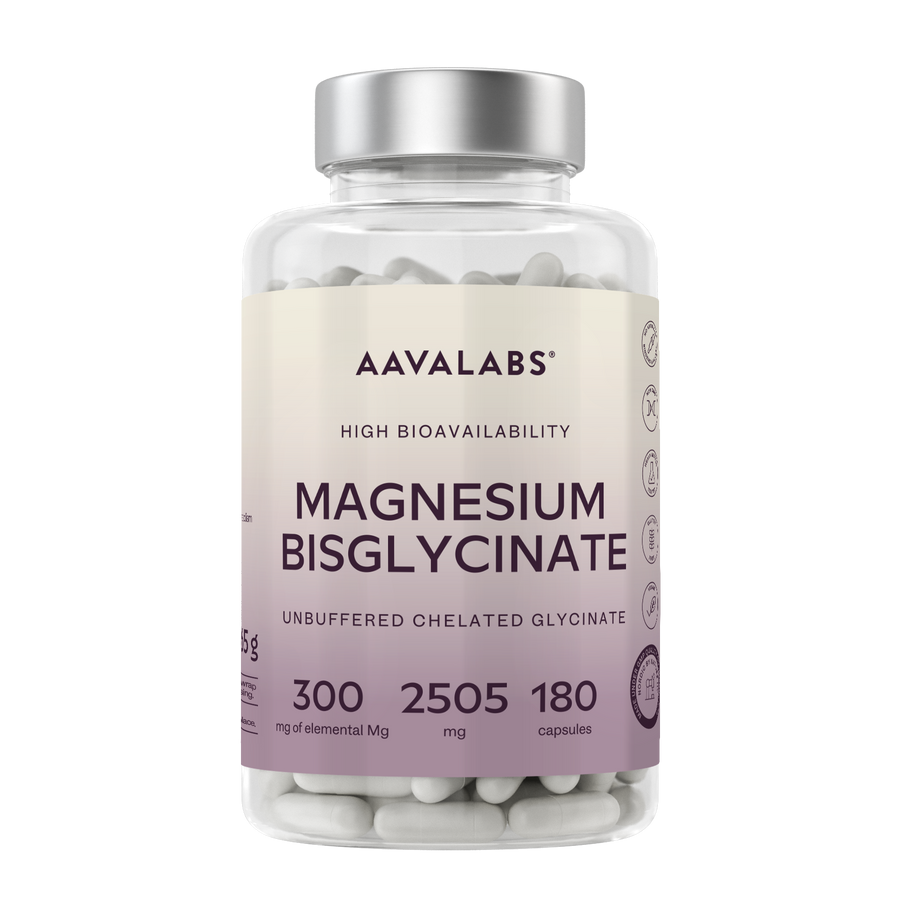
Magnesium is often called nature's tranquiliser. It supports muscle relaxation and nervous system regulation, and low magnesium levels are directly associated with increased anxiety and stress sensitivity. Magnesium helps modulate the HPA axis, the body's central stress response system, and supports the production of GABA, an inhibitory neurotransmitter with calming effects.
B vitamins
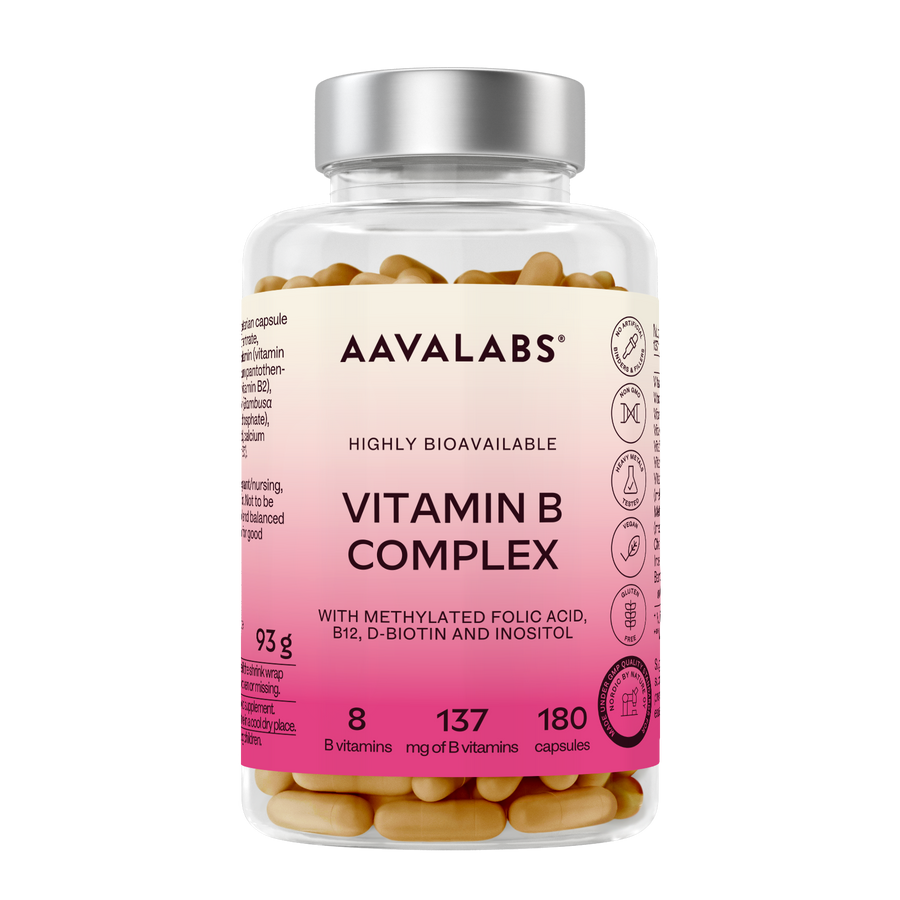
B vitamins, particularly B6, B9 and B12, support the nervous system and promote general mental wellbeing. Vitamin B6 is essential for the production of neurotransmitters including serotonin and GABA, which regulate mood and promote calm. B12 and folate support neurological function and are commonly deficient in people experiencing chronic stress or low mood.
Omega-3 fatty acids
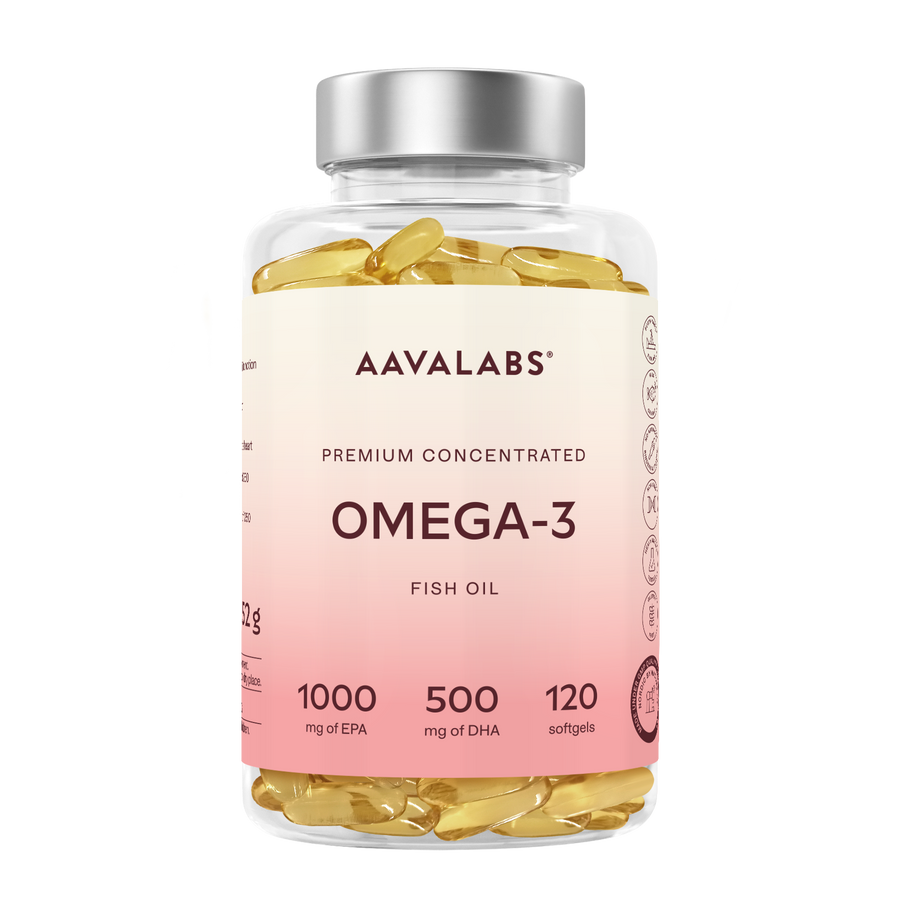
Omega-3 fatty acids, particularly EPA and DHA, have been shown to reduce neuroinflammation and support healthy neurotransmitter function. Multiple clinical studies suggest that omega-3 supplementation can help alleviate symptoms of anxiety and depression. EPA in particular appears to play a direct role in mood regulation.
Vitamin D
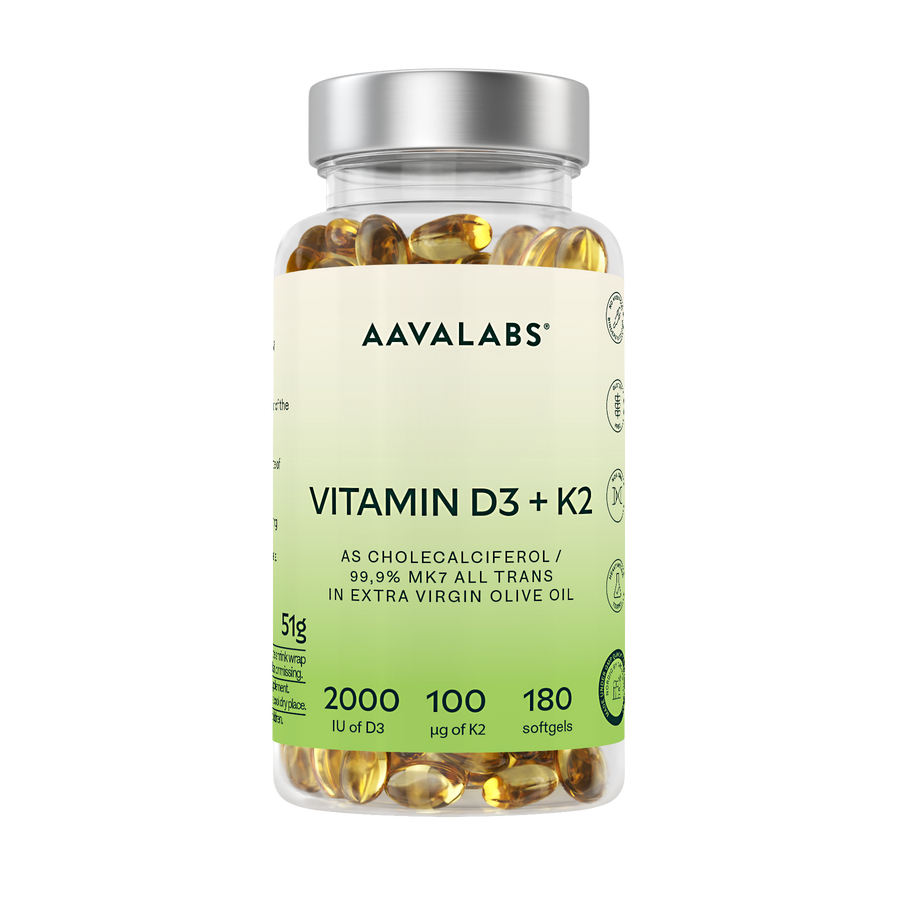
Vitamin D plays an important role in regulating mood and may help reduce feelings of anxiety and low mood. During darker months when sunlight exposure is limited, vitamin D levels often drop significantly, which is associated with increased anxiety symptoms and seasonal mood changes. Supplementation is widely recommended during autumn and winter months.
Ashwagandha
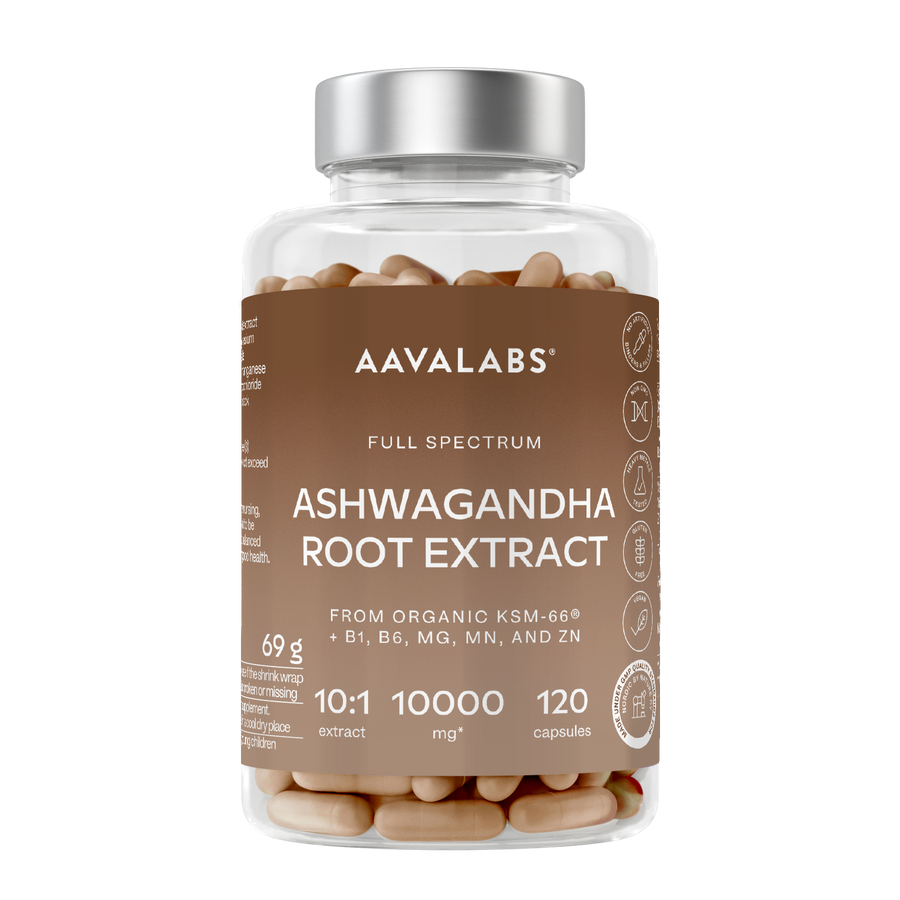
Ashwagandha KSM-66 is an adaptogenic herb used in Ayurvedic medicine for centuries to combat stress and promote relaxation. Clinical research supports its ability to lower cortisol levels and reduce symptoms of anxiety and depression. It is one of the most studied adaptogens for stress resilience.
Vitamin C
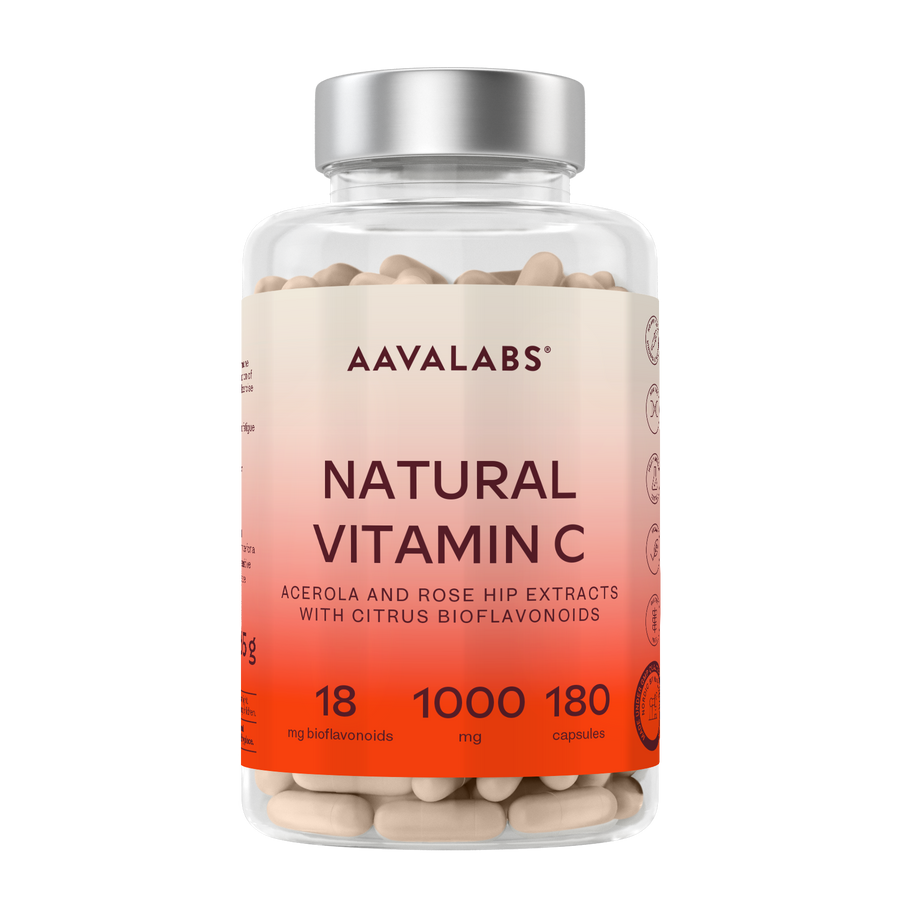
Vitamin C is a powerful antioxidant that helps protect the body from the cellular damage caused by stress-induced free radicals. Studies have also shown that vitamin C supplementation can reduce anxiety levels and improve overall mood, particularly in people with elevated physiological stress markers.
Zinc
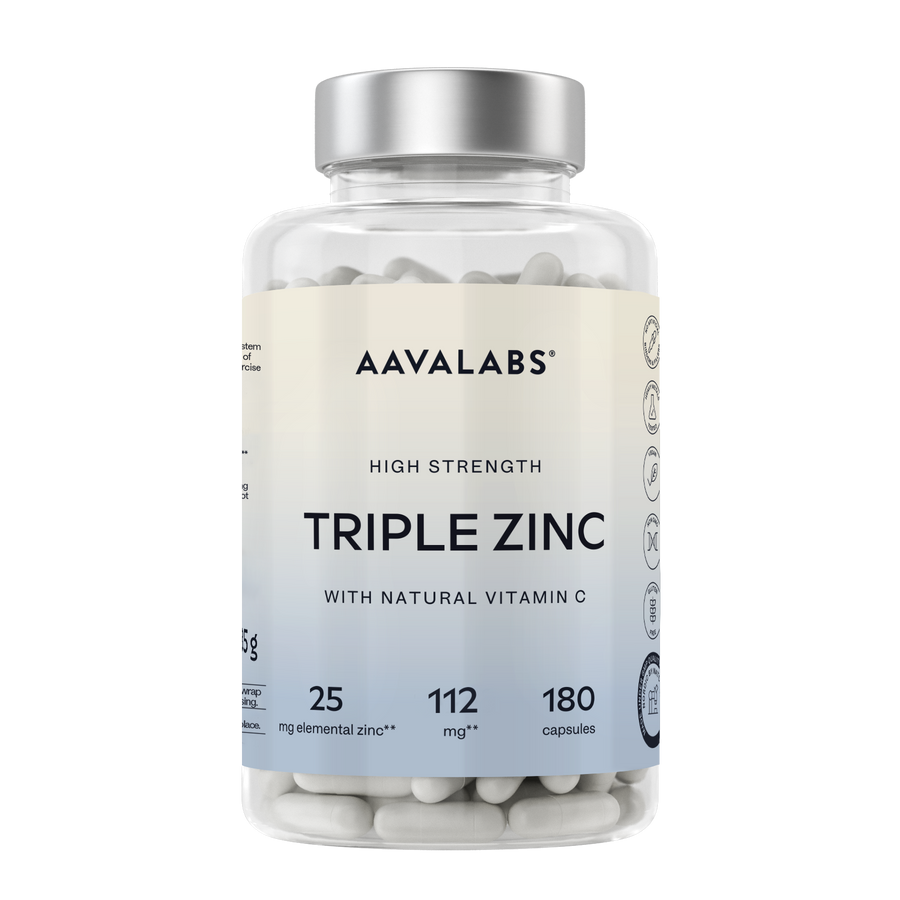
Zinc plays a key role in neurotransmitter function and has a calming effect on the brain. Low zinc levels are associated with increased anxiety and depression. Zinc modulates the body's stress response and supports the production of GABA and serotonin, making adequate intake important for emotional regulation.
L-theanine
L-theanine is an amino acid found naturally in green tea that promotes relaxation without drowsiness. It increases alpha brain wave activity, which is associated with a calm, focused mental state. L-theanine is particularly useful for managing situational stress and anxiety, and works synergistically with caffeine to reduce its anxious side effects.
How to use nutrition to support anxiety management
Incorporating these nutrients through a varied diet and targeted supplementation is a practical way to support your nervous system and build stress resilience over time. Start with the areas where you are most likely to be deficient, such as magnesium, vitamin D and B12, and build from there. Nutritional support works best as part of a broader approach that includes consistent sleep, regular movement, stress management practices and social connection.
Frequently Asked Questions
Can vitamins really help with anxiety?
Certain vitamins and minerals play direct roles in the physiological processes that regulate anxiety, including neurotransmitter production, stress hormone regulation and nervous system function. Addressing deficiencies in nutrients like magnesium, vitamin D and B vitamins can meaningfully reduce anxiety symptoms in people whose anxiety is partly driven by nutritional gaps. However, vitamins are supportive tools, not treatments, and severe anxiety should always be addressed with professional support.
What is the best supplement for anxiety?
Magnesium is one of the most well-supported supplements for anxiety due to its direct role in nervous system regulation and stress hormone modulation. Ashwagandha has strong clinical evidence for reducing cortisol and anxiety symptoms. Omega-3 fatty acids, B vitamins and vitamin D are also among the most evidence-backed nutrients for mood and anxiety support. The best approach combines several complementary nutrients rather than relying on any single supplement.
Does magnesium deficiency cause anxiety?
Low magnesium levels are directly associated with increased anxiety, irritability and stress sensitivity. Magnesium regulates the HPA axis, the body's primary stress response system, and supports the production of GABA, which has calming effects on the nervous system. Many people are insufficiently supplied with magnesium due to modern diets, making supplementation one of the most impactful steps for stress management.
How does ashwagandha reduce anxiety?
Ashwagandha is an adaptogen that helps the body regulate its response to stress. It has been shown in multiple clinical trials to significantly reduce cortisol levels, lower anxiety scores and improve overall stress resilience. Its effects build gradually over 4 to 8 weeks of consistent use. KSM-66 is the most studied extract form, with the strongest evidence base for anxiety and stress reduction.
Can omega-3 fatty acids help with anxiety?
Yes. Multiple studies have found that omega-3 supplementation, particularly with higher doses of EPA, can reduce anxiety symptoms. Omega-3 fatty acids reduce neuroinflammation, support neurotransmitter production and improve the structural integrity of brain cell membranes. A systematic review found that omega-3 supplementation was associated with significant reductions in clinical anxiety.
When should you seek professional help for anxiety?
If anxiety is significantly interfering with your daily life, relationships or ability to work, it is important to seek support from a doctor, therapist or mental health professional. Nutritional support can be a helpful complementary approach but is not sufficient on its own for moderate to severe anxiety disorders. Early professional intervention leads to better outcomes and there is no benefit in waiting.