Hormones influence many processes throughout the body, from energy and mood to sleep, metabolism and the menstrual cycle. Learn about common signs of hormonal imbalance, what can affect hormone levels and when persistent symptoms may be worth discussing with a healthcare professional.
What Is a Hormonal Imbalance?
Hormones are chemical messengers that help coordinate many processes throughout the body, including metabolism, sleep, mood, reproduction and the menstrual cycle. They are produced by glands within the endocrine system and travel through the bloodstream to tissues and organs.
A hormonal imbalance occurs when the body produces too much or too little of a particular hormone. Because hormones influence many different systems, changes in hormone levels can sometimes be associated with a wide range of symptoms.
Hormone levels also naturally change throughout life. Menstruation, pregnancy, perimenopause and menopause can all involve normal hormonal fluctuations. This means that experiencing a symptom associated with hormones does not automatically mean that you have a hormonal disorder.
What Are Common Signs of Hormonal Imbalance?
Hormonal changes can affect people differently, and symptoms depend on which hormones are involved. Some commonly reported signs include:
- Changes in the menstrual cycle
- Persistent tiredness or changes in energy levels
- Difficulty sleeping
- Changes in mood
- Unexplained changes in weight or appetite
- Changes in skin or hair
- Changes in libido
- Hot flushes or night sweats
- Difficulty concentrating
These symptoms can have many different causes and are not specific to hormonal imbalance. Persistent, severe or unexplained symptoms should therefore be discussed with a healthcare professional rather than self-diagnosed.
What Can Cause Hormonal Changes?
Hormone levels are not static. They naturally fluctuate throughout the day and across different stages of life. Menstrual cycles, pregnancy, ageing, perimenopause and menopause can all affect hormone levels.
Lifestyle and environmental factors can also interact with the systems involved in hormonal regulation. Sleep, stress, nutrition and physical activity are all part of the broader picture of health.
In some cases, persistent hormonal changes may be related to an underlying medical condition or medication. This is why the context, duration and combination of symptoms matter.
How Can Hormonal Changes Affect the Menstrual Cycle?
The menstrual cycle is regulated by several hormones, including oestrogen and progesterone. Their levels naturally rise and fall throughout the cycle.
Changes in the menstrual cycle can include differences in cycle length, missed periods or changes in menstrual flow. Occasional variation can happen, but persistent or significant changes are worth discussing with a healthcare professional.
Tracking your cycle can make it easier to notice patterns and provide useful information if you decide to seek medical advice.
Can Hormonal Changes Affect Energy and Mood?
Hormonal fluctuations can coincide with changes in energy, mood, concentration and sleep. However, these symptoms are not unique to hormones and may also be influenced by stress, nutrition, sleep quality, lifestyle or other health factors.
Looking at patterns can be useful. For example, noticing whether changes consistently occur at a particular point in the menstrual cycle or during a specific life stage can provide helpful context.
How Do Hormones Change During Perimenopause and Menopause?
Perimenopause is the transitional period leading up to menopause. During this time, hormone levels can fluctuate and menstrual cycles may become less predictable.
Some women experience symptoms such as hot flushes, night sweats, sleep disturbances or changes in mood. Menopause is reached when a woman has gone 12 consecutive months without a menstrual period, provided there is no other medical explanation.
Experiences vary considerably between individuals. A healthcare professional can help assess symptoms and discuss appropriate options if they significantly affect everyday life.
Which Nutrients Contribute to Normal Hormonal Function?
A varied and balanced diet provides nutrients involved in many normal physiological processes.
Zinc contributes to normal fertility and reproduction and to the maintenance of normal testosterone levels in the blood.
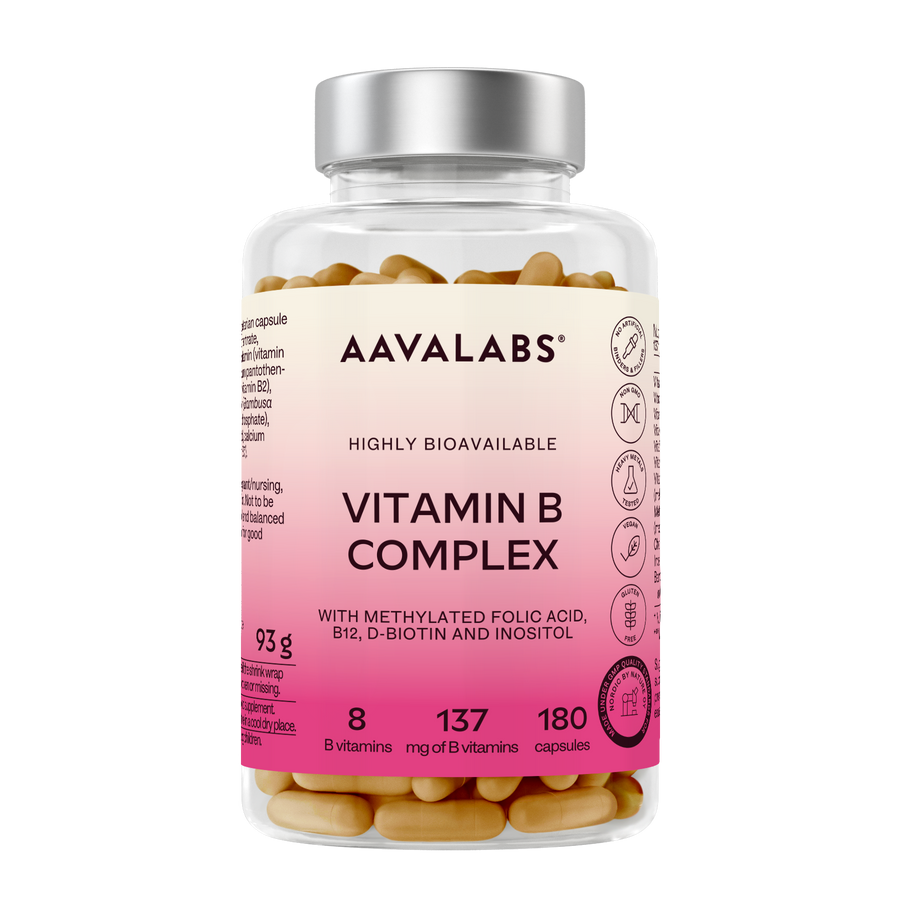
Vitamin B6 contributes to the regulation of hormonal activity. It also contributes to normal energy-yielding metabolism and normal psychological function. Our Vitamin B Complex provides all eight B vitamins as part of a daily supplement routine.
Magnesium contributes to normal energy-yielding metabolism, normal functioning of the nervous system and the reduction of tiredness and fatigue. Our Magnesium Bisglycinate provides magnesium in an easy-to-integrate daily format.
Vitamin D contributes to the normal function of the immune system, the maintenance of normal bones and normal muscle function.
Supplements should complement, rather than replace, a varied and balanced diet and a healthy lifestyle.
What Lifestyle Habits Support Overall Wellbeing?
There is no single lifestyle routine that can “balance” every hormone. However, everyday habits can support general health and wellbeing.
- Eat a varied and balanced diet with adequate protein, healthy fats and fibre.
- Maintain a consistent sleep routine.
- Include regular movement and strength-based activity.
- Allow enough time for rest and recovery.
- Use sustainable strategies to manage everyday stress.
- Pay attention to recurring patterns in your cycle, sleep, mood and energy.
Rather than aiming for perfectly “balanced hormones”, it can be more useful to focus on consistent habits that support the body's normal functions.
When Should You Speak to a Healthcare Professional?
Because symptoms associated with hormonal changes can overlap with many other conditions, persistent symptoms should not automatically be attributed to hormones.
Consider speaking with a healthcare professional if symptoms are new, severe, persistent or significantly affect your daily life. This is particularly important for unexplained changes in menstrual cycles, prolonged absence of periods, unusual bleeding or other symptoms that concern you.
A healthcare professional can consider your symptoms, medical history and, where appropriate, further testing to identify possible causes.
Frequently Asked Questions
What are the first signs of hormonal imbalance?
There is no single first sign of hormonal imbalance. Possible symptoms can include menstrual changes, changes in energy, sleep difficulties, mood changes, skin or hair changes and unexplained changes in weight or appetite. These symptoms can also have many other causes.
Can stress affect hormones?
Stress activates physiological systems involved in the body's stress response. Prolonged stress can also influence sleep, appetite and other aspects of wellbeing. If symptoms persist, it is important to consider the broader picture rather than assuming stress or hormones are the sole cause.
Can lack of sleep affect hormones?
Sleep and the endocrine system are closely connected. Maintaining a regular sleep routine supports normal physiological function, while persistent sleep problems can affect multiple aspects of health and wellbeing.
Can nutrition support normal hormonal function?
A balanced diet provides nutrients involved in normal physiological processes. For example, vitamin B6 contributes to the regulation of hormonal activity, while zinc contributes to normal fertility and reproduction.
Can supplements balance hormones?
No supplement can generally be said to “balance hormones”. Certain nutrients have authorised functions related to normal physiological processes. For example, vitamin B6 contributes to the regulation of hormonal activity. Supplements should be used to complement a balanced diet rather than as a treatment for unexplained symptoms.
How do I know if my hormones should be checked?
If you experience persistent, unexplained or significant changes in your menstrual cycle, energy, sleep or other aspects of your health, speak with a healthcare professional. They can determine whether further assessment or testing is appropriate based on your individual symptoms and medical history.