

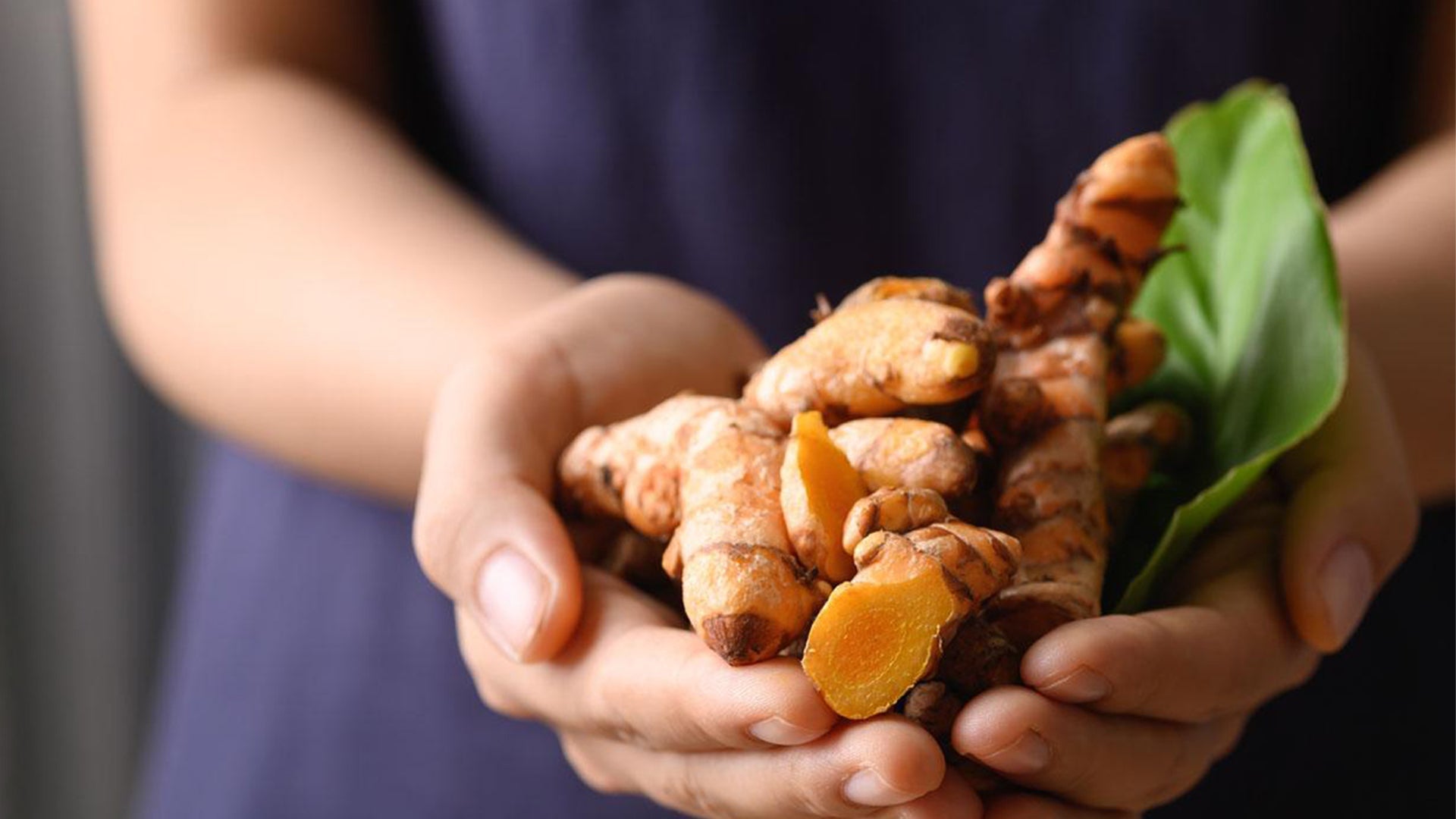
What Are the Incredible Health Benefits of Turmeric and Curcumin?
Turmeric is one of the most extensively studied spices in nutritional science. Its active compound curcumin has well-documented anti-inflammatory, antioxidant and immune-supporting properties. Research supports turmeric's role in reducing chronic inflammation, protecting cardiovascular health, supporting joint mobility, aiding digestion and potentially improving mood and cognitive function. For maximum benefit, curcumin should be taken with black pepper extract, which increases absorption by up to 2000 percent.
What is turmeric and what makes it so powerful?
Turmeric (Curcuma longa) is an ancient spice native to the Indian subcontinent and Southeast Asia, used in traditional medicine and cuisine for over 4,000 years. In its raw form it resembles ginger, with an earthy flavour and warm, slightly bitter taste. Its characteristic golden colour comes from curcuminoids, a group of natural compounds, with curcumin being the most bioactive and well-researched.
Curcumin makes up approximately 2 to 5 percent of dried turmeric by weight, which is why concentrated Curcumin Turmeric Complex supplements are more effective than culinary turmeric for therapeutic purposes.
How does curcumin work as an antioxidant?
Curcumin is a potent antioxidant that protects cells from oxidative stress. Free radicals are unstable molecules generated both internally and by external factors such as pollution, UV radiation and poor diet. When free radicals accumulate faster than the body can neutralise them, they cause oxidative stress, which damages cells, DNA and cellular structures.
Curcumin neutralises free radicals directly and also stimulates the body's own antioxidant enzymes, providing a dual layer of cellular protection. This contributes to overall cell health and supports long-term vitality.
How does curcumin reduce inflammation?
Inflammation is essential for fighting infection and healing injuries. However, when it becomes chronic, it is linked to serious conditions including arthritis, cardiovascular disease and autoimmune disorders. Curcumin has been shown to inhibit several inflammatory enzymes and cytokines that drive the inflammatory process, including NF-kB, one of the most important molecular drivers of chronic inflammation.
By suppressing these pathways, curcumin helps reduce chronic inflammation and promote a healthy, balanced inflammatory response. This can lead to improved joint comfort, reduced discomfort and better overall wellbeing.
How does turmeric support immune function?
Curcumin strengthens immune function by stimulating the activity of immune cells including T-cells, B-cells and natural killer cells, which are responsible for recognising and eliminating pathogens. It also helps modulate immune responses, preventing excessive immune activation that can contribute to autoimmune conditions. This dual action, boosting immune readiness while preventing overactivation, makes curcumin a valuable tool for immune balance.
What are the cardiovascular benefits of curcumin?
Curcumin supports heart health through several complementary mechanisms. It helps maintain healthy blood lipid levels, promotes vasodilation to improve blood flow and has a vasoprotective effect that keeps blood vessels flexible and resilient. Its anti-inflammatory and antioxidant properties also reduce oxidative stress in the cardiovascular system, lowering the risk of arterial damage and cardiovascular disease over time.
What are all the health benefits of turmeric and curcumin?
The most well-supported health benefits of curcumin include the following.
- Joint comfort and mobility: curcumin's anti-inflammatory properties ease joint discomfort and promote better flexibility and movement.
- Gut health and digestion: turmeric soothes the digestive tract and supports a healthy gut environment, improving digestion and nutrient absorption.
- Brain health and cognitive function: curcumin's antioxidant properties may protect brain cells from oxidative damage, supporting memory and cognitive clarity.
- Natural detoxification: curcumin supports the liver's natural detoxification processes.
- Skin health: turmeric's antioxidant and anti-inflammatory properties contribute to healthier skin and may help with inflammatory skin conditions.
- Mood and emotional wellbeing: curcumin influences neurotransmitter activity, with some research suggesting benefits for mood regulation and emotional balance.
- Weight management support: curcumin may support metabolic health and promote a healthy inflammatory response relevant to weight regulation.
How do you get the most from turmeric supplements?
Curcumin is poorly absorbed on its own. The most effective way to maximise bioavailability is to take it alongside black pepper extract, specifically piperine, which increases curcumin absorption by up to 2000 percent. Our Curcumin Turmeric Complex contains black pepper extract for exactly this reason.
Other practical tips for getting the most from turmeric include consistency since benefits build over weeks rather than days, choosing a standardised supplement with a meaningful curcumin content rather than relying on culinary turmeric alone, and experimenting with turmeric in cooking as a complementary dietary source.
Frequently Asked Questions
What is the difference between turmeric and curcumin?
Turmeric is the whole spice, while curcumin is the active compound within it responsible for most of its health benefits. Dried turmeric contains only 2 to 5 percent curcumin by weight, which means that cooking with turmeric alone provides relatively small amounts of the active compound. Concentrated curcumin supplements deliver a standardised, higher dose for therapeutic purposes.
Why is black pepper important for turmeric absorption?
Curcumin is naturally poorly absorbed by the body. Piperine, the active compound in black pepper, inhibits enzymes that would otherwise rapidly break down curcumin, allowing more to reach the bloodstream. Studies have shown that combining curcumin with piperine increases absorption by up to 2000 percent. Always look for a turmeric supplement that includes black pepper extract.
How long does it take for turmeric to reduce inflammation?
Most people notice initial improvements in joint comfort and general inflammatory symptoms within 4 to 8 weeks of consistent curcumin supplementation. More significant benefits for chronic conditions typically develop over 2 to 3 months. Consistency is more important than the dose, and curcumin works best as part of an overall anti-inflammatory lifestyle rather than as a standalone intervention.
Can turmeric help with joint pain?
Yes. Curcumin's anti-inflammatory properties have been well studied in the context of joint pain and arthritis. Several clinical trials have found that curcumin supplementation can reduce joint pain and stiffness comparably to some non-steroidal anti-inflammatory drugs, with fewer gastrointestinal side effects. Results are most pronounced with consistent, long-term use.
Is turmeric safe to take every day?
Turmeric and curcumin are generally very well tolerated at recommended doses. High doses may occasionally cause mild digestive discomfort in sensitive individuals. People taking blood-thinning medications or those with gallbladder conditions should consult their doctor before supplementing with curcumin, as it may interact with certain medications. At standard supplement doses, daily use is considered safe for most healthy adults.
Can turmeric improve gut health?
Yes. Turmeric has been used traditionally to soothe digestive discomfort and support gut health. Curcumin's anti-inflammatory properties can help reduce gut inflammation, support the intestinal lining and promote a healthier gut environment. Some research also suggests that curcumin positively influences the gut microbiome by supporting beneficial bacterial populations and reducing pathogenic ones.
Read more

7 Minerals & Vitamins for the Healing Process of Inflammation
Pain, redness, swelling - these are typical signs of inflammation in the body. We have all had an inflammation at some time or another: ear infection, sore throat, bladder infection, or skin inflam...
Read more
Which Superfoods and Supplements Help Reduce Inflammation?
Chronic inflammation is linked to joint pain, fatigue and long-term health conditions. These 7 superfoods and supplements, from curcumin turmeric to Lion's Mane, can help your body manage inflammat...
Read more
SIGN UP FOR OUR NEWSLETTER TO GET 10% OFF YOUR FIRST ORDER
By signing up, you acknowledge that providing information services and products to you involves us processing your personal data. You can read more about how we collect, process and store personal data in our Privacy Policy.