Can low vitamin D be linked to tiredness? Discover what vitamin D does in the body, why levels can fall during winter, where to get it and when supplementation may be worth considering.
Vitamin D is an essential nutrient involved in several important functions in the body. It contributes to the normal function of the immune system, the maintenance of normal bones and muscle function, and the normal absorption and utilisation of calcium and phosphorus.
Low vitamin D status is common when sunlight exposure is limited, particularly during autumn and winter in northern regions. Although vitamin D does not provide energy in the way calories do, maintaining an adequate vitamin D status is an important part of supporting normal body function and overall wellbeing.
Can low vitamin D make you feel tired?
Tiredness can have many possible causes, including insufficient sleep, stress, diet, iron status and underlying health conditions. Low vitamin D status may also occur alongside symptoms such as tiredness or muscle weakness, but these symptoms are not specific enough to diagnose a vitamin D deficiency on their own.
If you regularly feel unusually tired, a healthcare professional can help investigate the underlying cause. A blood test can be used to assess vitamin D status where appropriate.
What does vitamin D do in the body?
Vitamin D has several recognised functions in the body. It contributes to:
- the normal function of the immune system
- the maintenance of normal bones
- the maintenance of normal muscle function
- the maintenance of normal teeth
- normal blood calcium levels
- the normal absorption and utilisation of calcium and phosphorus
- the process of cell division
These functions make adequate vitamin D intake relevant throughout life, particularly for maintaining normal bones, muscles and immune function.
Why are vitamin D levels often lower during winter?
The body can produce vitamin D when the skin is exposed to UVB radiation from sunlight. How much vitamin D the skin produces depends on several factors, including season, latitude, time spent outdoors, clothing and individual characteristics.
During autumn and winter, UVB exposure can be insufficient for meaningful vitamin D production in many northern regions. At the same time, people often spend more time indoors and cover more of their skin when outside.
This is why vitamin D intake through food or supplements can become particularly relevant during periods of limited sunlight.
Which foods contain vitamin D?
Vitamin D occurs naturally in a relatively small number of foods. Dietary sources include fatty fish such as salmon, mackerel and herring, egg yolks and certain fortified foods.
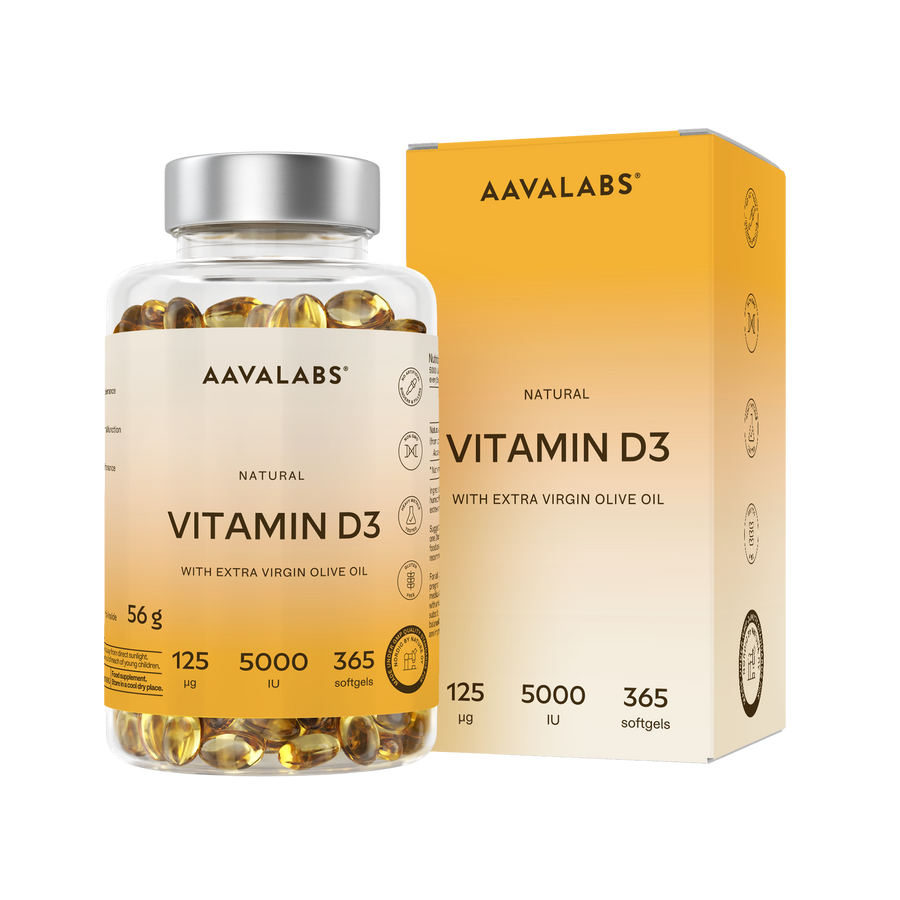
Because food sources are relatively limited, some people may find it difficult to obtain enough vitamin D through diet alone. A Vitamin D3 supplement can provide another source when dietary intake and sunlight exposure are insufficient.
What is the difference between vitamin D2 and vitamin D3?
Vitamin D exists in different forms. The two most commonly discussed are vitamin D2, also known as ergocalciferol, and vitamin D3, also known as cholecalciferol.
Vitamin D3 is the form produced naturally in human skin following exposure to sunlight. Both forms can contribute to vitamin D intake, although vitamin D3 is commonly used in dietary supplements.
Why is vitamin D important for muscle function?
Vitamin D contributes to the maintenance of normal muscle function. Muscles are involved in everyday movement, physical activity, balance and mobility, making adequate vitamin D status relevant for people of all ages.
Vitamin D also contributes to normal calcium absorption and normal blood calcium levels. Calcium itself contributes to normal muscle function, illustrating how different nutrients work together within the body.
How does vitamin D support the immune system?
Vitamin D contributes to the normal function of the immune system. The immune system relies on a wide range of nutrients and healthy lifestyle factors, so vitamin D should be viewed as one part of a broader nutritional foundation rather than as a standalone solution.
A balanced diet, adequate sleep, regular movement and sufficient intake of essential vitamins and minerals all contribute to supporting normal body function.
Why is vitamin D important for bones?
Vitamin D contributes to the maintenance of normal bones and to the normal absorption and utilisation of calcium and phosphorus. It also contributes to normal blood calcium levels.
Calcium is needed for the maintenance of normal bones, which is why adequate intake of both nutrients is relevant for bone health.
Should vitamin D be taken with vitamin K2?
Vitamin D and vitamin K have different recognised functions in the body. Vitamin D contributes to normal calcium absorption and the maintenance of normal bones, while vitamin K contributes to the maintenance of normal bones and normal blood clotting.
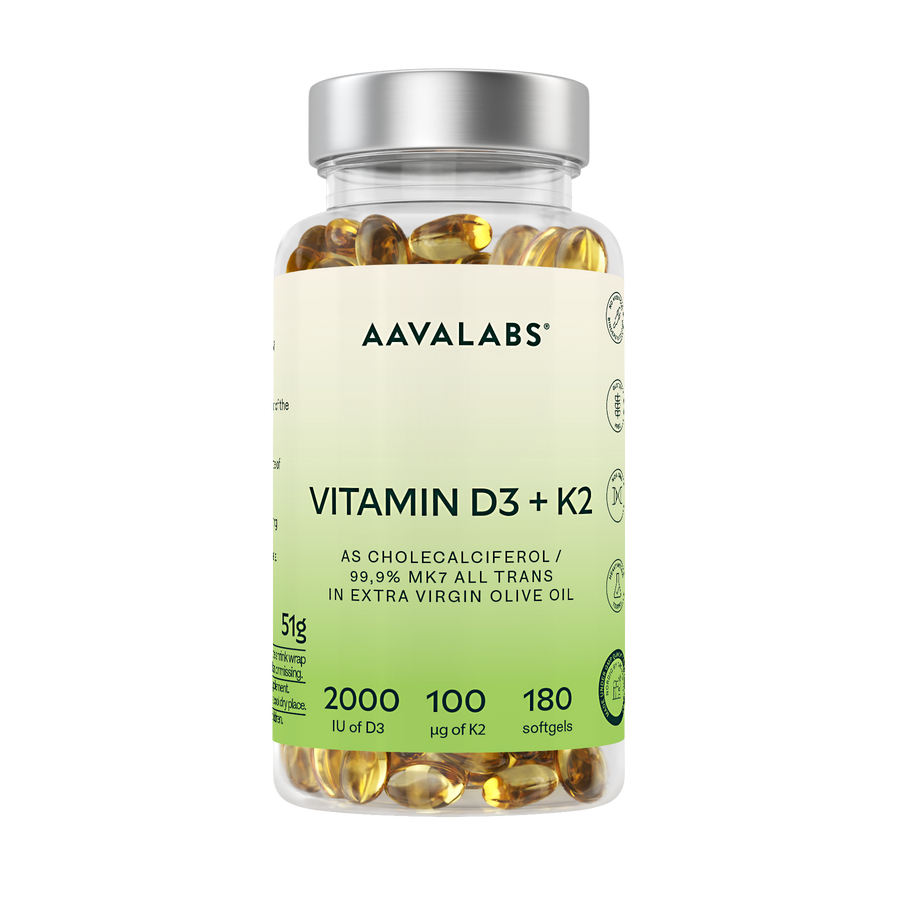
Both nutrients can therefore form part of a balanced nutritional approach. They are also available together in supplements such as Vitamin D3 and K2.
When should you consider a vitamin D supplement?
A vitamin D supplement may be worth considering when sunlight exposure or dietary intake is limited. This can be particularly relevant during autumn and winter, for people who spend much of their time indoors or for those whose diets contain few natural sources of vitamin D.
Individual requirements vary, so the appropriate intake depends on factors such as diet, life stage and current vitamin D status. If you are unsure about your vitamin D levels, a healthcare professional can advise whether testing is appropriate.
When is the best time to take vitamin D?
There is no single time of day when everyone needs to take vitamin D. Vitamin D is fat-soluble, so taking a supplement with a meal containing some dietary fat can be a practical approach.
More importantly, follow the directions provided with your specific supplement and choose a routine that makes consistent intake easy.
Supporting your vitamin D intake throughout the year
Vitamin D plays important roles in normal muscle function, bone health, calcium absorption and immune function. Sunlight provides an important natural source, but seasonal and lifestyle factors can influence how much vitamin D the body produces.
A balanced diet should always provide the nutritional foundation. When sunlight exposure and dietary sources are limited, supplementation can provide an additional source of vitamin D.
Explore our Vitamin D3 and Vitamin D3 with K2 supplements.
Frequently Asked Questions
Can vitamin D deficiency cause tiredness?
Low vitamin D status can occur alongside symptoms such as tiredness or muscle weakness, but tiredness has many possible causes and cannot be used to diagnose vitamin D deficiency. If persistent fatigue is affecting your daily life, a healthcare professional can help investigate possible causes and determine whether a blood test is appropriate.
Does vitamin D give you energy?
Vitamin D does not provide energy directly. Energy comes from macronutrients such as carbohydrates, fats and proteins. Vitamin D instead contributes to several normal functions in the body, including normal muscle function and normal immune system function.
Why is vitamin D important during winter?
The body produces vitamin D following exposure of the skin to UVB radiation. During autumn and winter, UVB exposure can be limited in northern regions, reducing the opportunity for vitamin D production through sunlight. Dietary sources and supplements can therefore become more relevant during these months.
What foods are naturally high in vitamin D?
Natural dietary sources of vitamin D include fatty fish such as salmon, mackerel and herring, as well as egg yolks. Vitamin D is also added to certain fortified foods.
What does vitamin D do for muscles?
Vitamin D contributes to the maintenance of normal muscle function. It also contributes to the normal absorption and utilisation of calcium and phosphorus and to normal blood calcium levels.
Does vitamin D support the immune system?
Yes. Vitamin D contributes to the normal function of the immune system. It should be considered alongside an overall balanced diet and healthy lifestyle rather than as a substitute for them.
Should you take vitamin D3 with K2?
Vitamin D and vitamin K have complementary recognised roles in maintaining normal bones. Vitamin D contributes to normal calcium absorption and the maintenance of normal bones, while vitamin K contributes to the maintenance of normal bones and normal blood clotting. Whether a combined supplement is appropriate depends on your individual nutritional needs.