With modern diets often lacking essential vitamins and minerals due to factors like intensive farming practices and food processing, supplements can be a valuable addition to your daily regimen. However, while supplements can help fill nutritional gaps, using them correctly is crucial to maximise their benefits.
In this article, we'll explore common mistakes people make when taking supplements and offer tips on how to optimise your supplement routine for better health and well-being.
Taking supplements incorrectly can significantly reduce their effectiveness. The most common mistakes include using supplements as a substitute for a balanced diet, ignoring recommended dosages, taking fat-soluble vitamins without fat, inconsistent intake and combining supplements that compete for absorption. Avoiding these pitfalls ensures you get the full benefit from the nutrients you are taking.
What are the most common mistakes people make when taking supplements?
Using supplements as a substitute for healthy eating
One of the most widespread misconceptions is that taking supplements removes the need for a balanced diet. Supplements are designed to complement nutrition, not replace it. Whole foods provide fibre, phytochemicals and synergistic compounds that supplements alone cannot replicate. A varied diet rich in vegetables, fruits, whole grains and lean proteins provides the nutritional foundation that makes supplements most effective.
Ignoring the recommended dosage
Not all nutrients are beneficial in large doses. Taking too much can cause harm, while taking too little may provide no meaningful benefit. Vitamin C, for example, is generally safe but high doses can cause digestive discomfort, and excess is simply excreted. Fat-soluble vitamins including A, D, E and K can accumulate in the body and cause toxicity if over-supplemented. Always follow the recommended dosage on the label or consult a healthcare professional for personalised guidance.
Not taking fat-soluble vitamins with a fat source
Vitamins A, D, E and K are fat-soluble, meaning they require dietary fat to be properly absorbed. Taking them on an empty stomach or with a fat-free meal means you are likely not absorbing their full benefit. Pair fat-soluble vitamins with a source of healthy fat such as avocado, olive oil, nuts or eggs to significantly improve absorption.
Taking supplements at the wrong time
The timing of supplement intake can meaningfully affect how well they work. Here are the most evidence-supported timing guidelines.
- Vitamins A, D, E, K: take with meals containing healthy fats, ideally at breakfast or dinner.
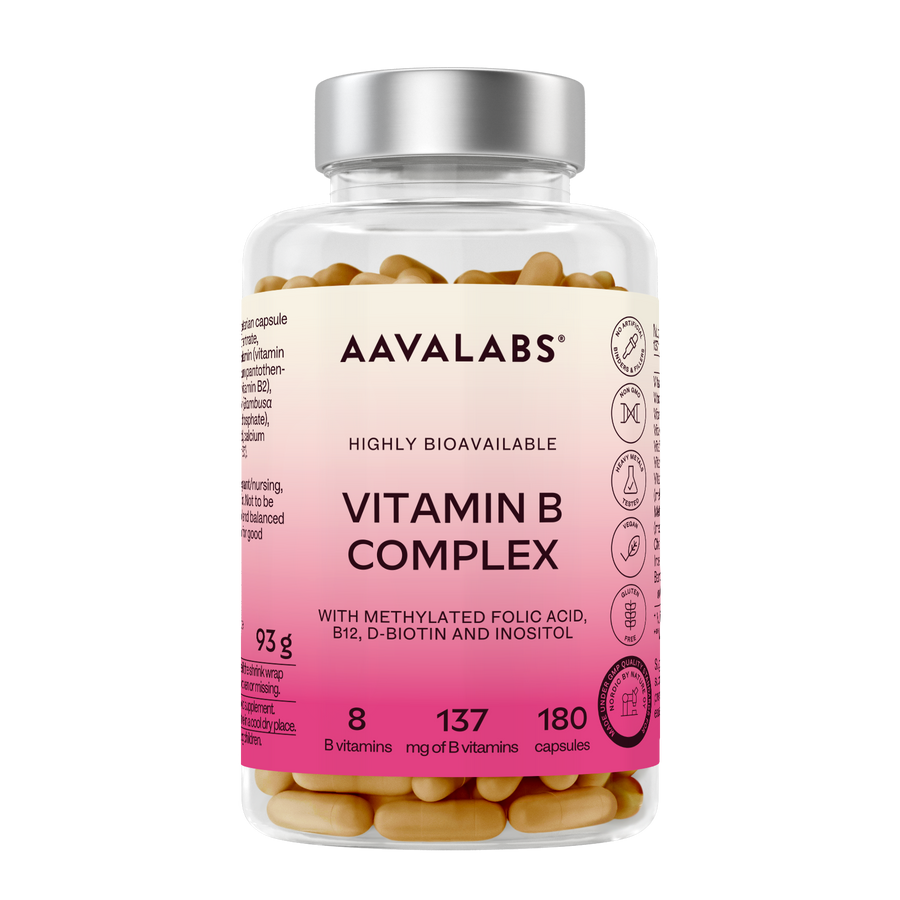
- B vitamins: best taken in the morning as they support energy production and can reduce fatigue throughout the day.
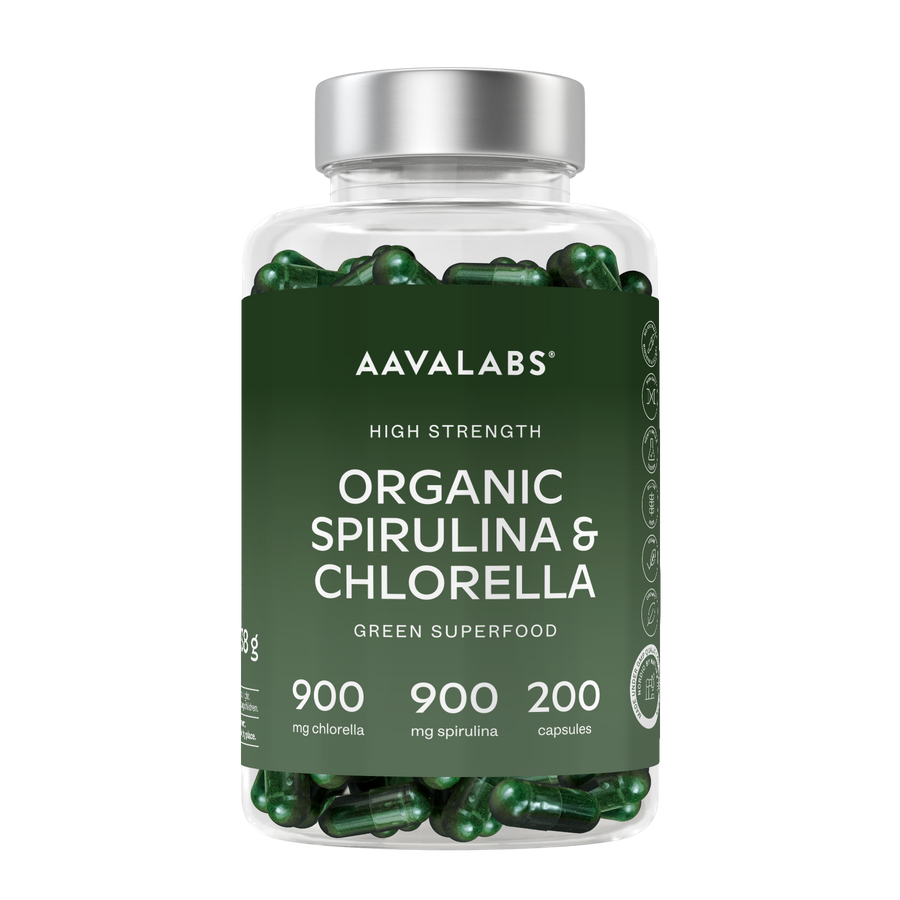
- Spirulina and chlorella: take in the morning for their energy-supporting properties.
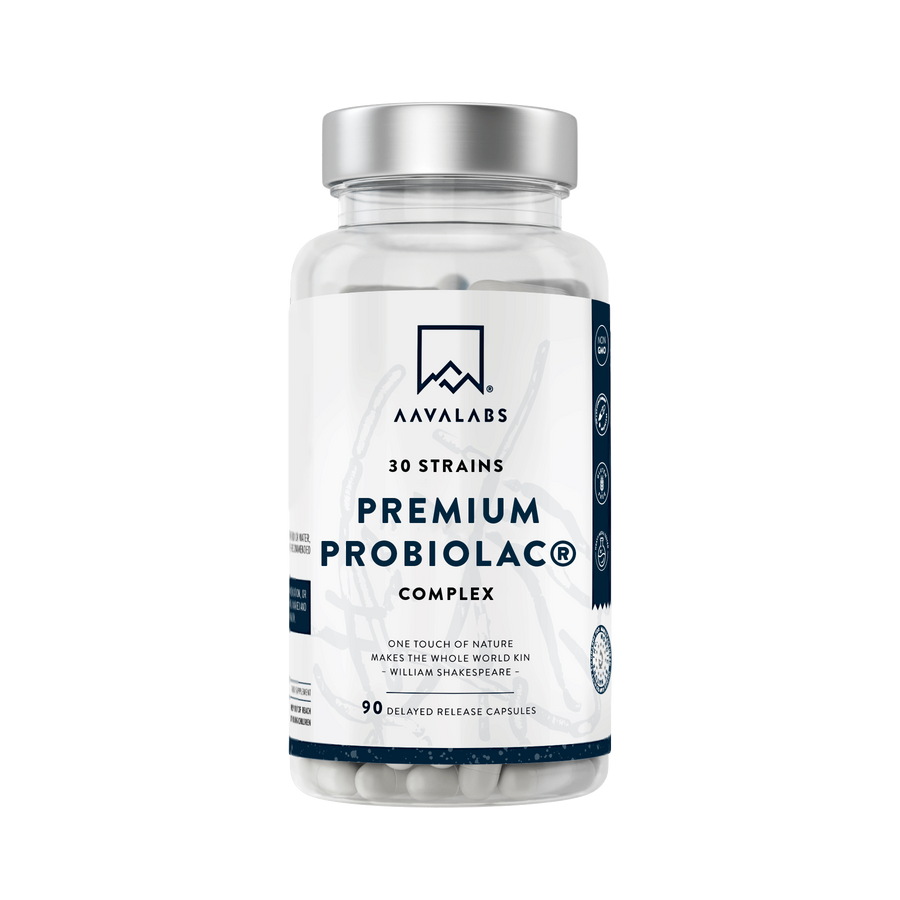
- Probiotics: most effective when taken with a light meal or 30 minutes before eating.
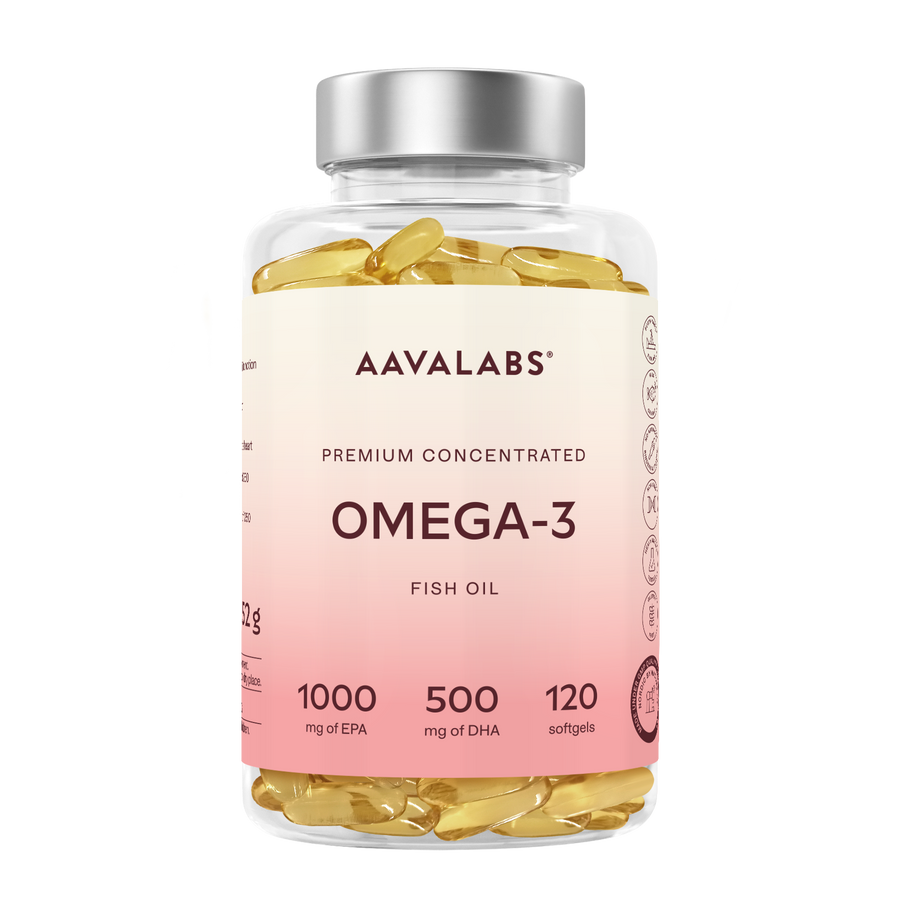
- Omega-3: take at the start of a meal to improve absorption.
Ignoring expiration dates
Like food, supplements lose potency over time. Exposure to light, heat and moisture can degrade quality even before the expiration date. Check labels regularly and store supplements in a cool, dry place away from direct sunlight to maintain efficacy.
Combining medications and supplements without consulting a doctor
Certain supplements can interact with prescription medications, altering their effectiveness or causing unwanted effects. Iron can reduce antibiotic absorption, and folate can interfere with methotrexate used for autoimmune conditions. Always consult your doctor or pharmacist before adding supplements to your routine if you are taking medication. Spacing supplement and medication intake by a couple of hours can often reduce interaction risk.
Inconsistent supplement intake
Consistency is essential for supplements to work effectively. Skipping doses or taking them sporadically creates fluctuating nutrient levels that undermine their effectiveness. Building a consistent daily routine, taking supplements at the same time each day and using reminders or keeping supplements in a visible place helps establish the habit.
Incorrectly combining supplements
Some nutrients work best together, while others compete for absorption and should be taken separately. Understanding these interactions helps you get the most from your supplement routine.
Beneficial combinations:
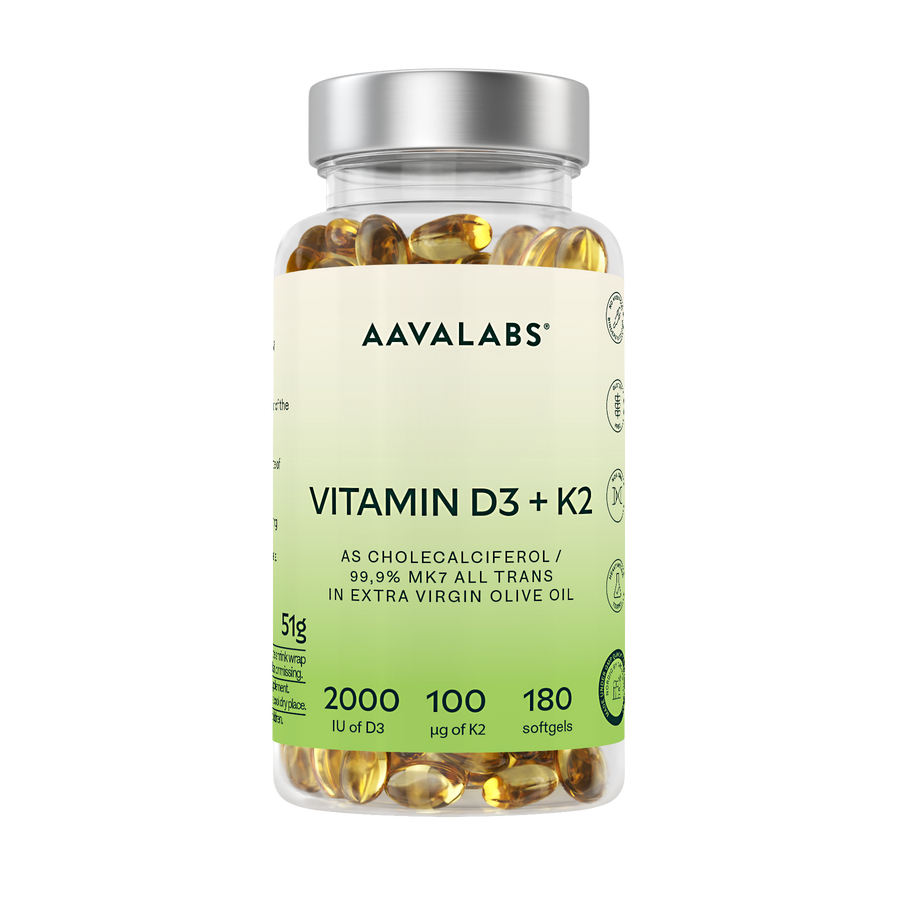
- Vitamin D with Vitamin K2: enhances vitamin D's ability to support calcium metabolism and direct calcium to bones rather than arteries.
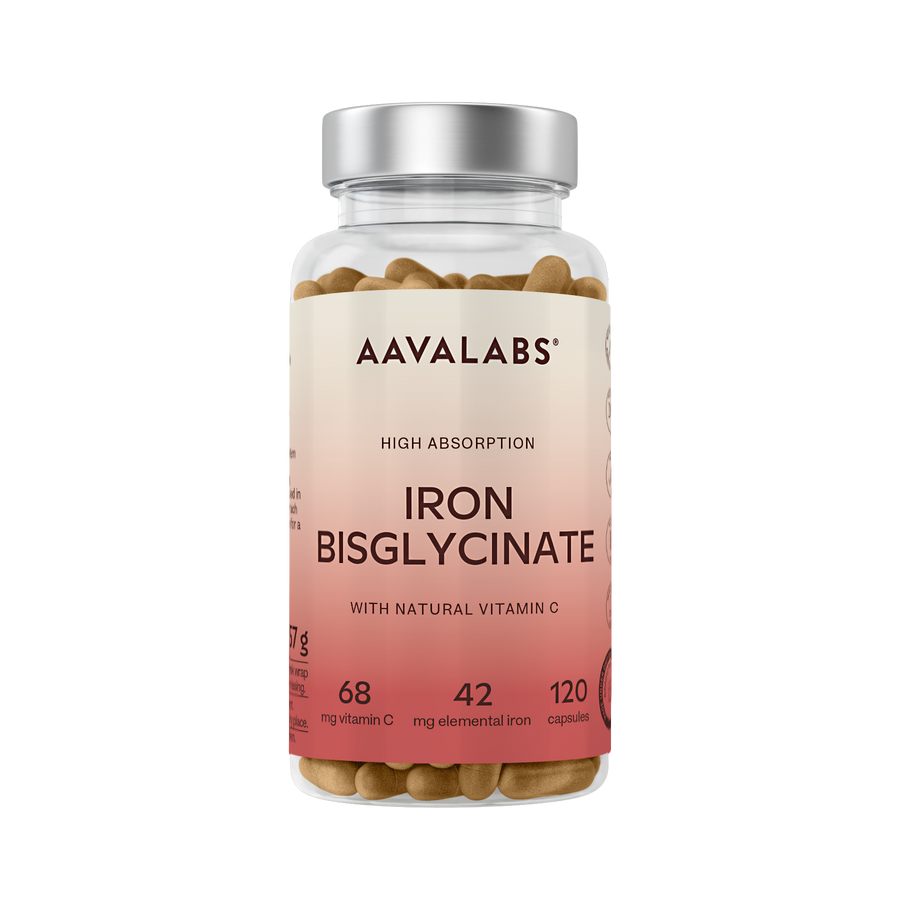
- Iron with Vitamin C: vitamin C significantly boosts non-haem iron absorption.
Combinations to avoid or space apart:
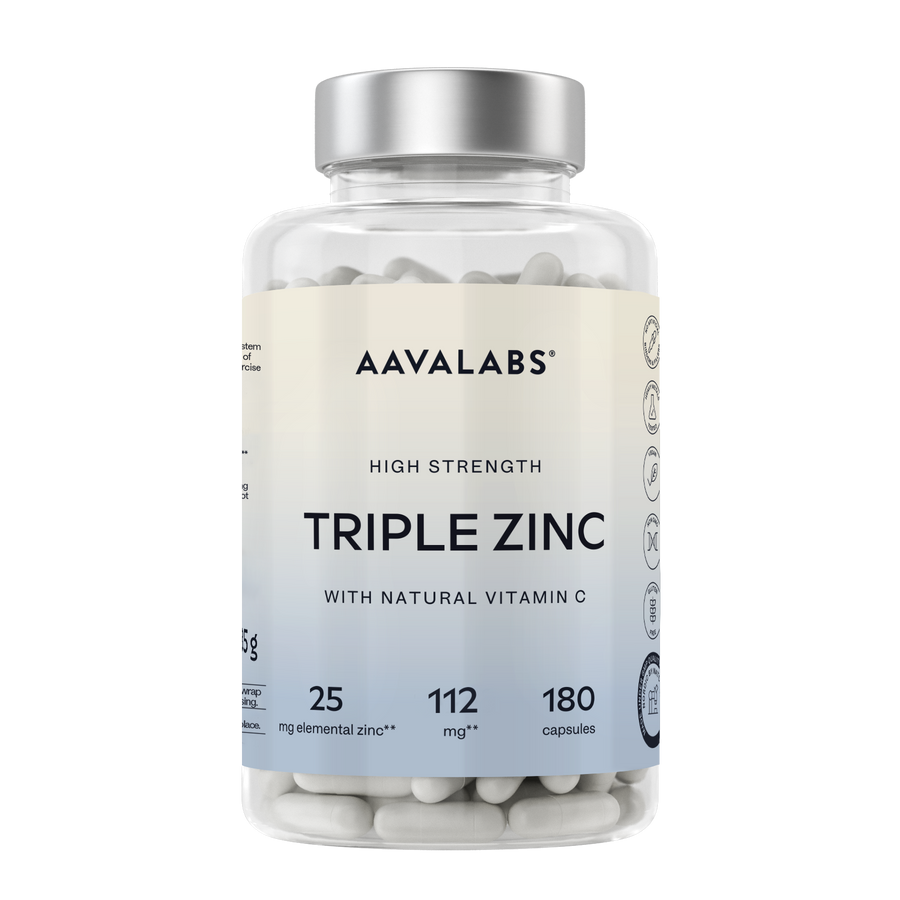
- Iron with calcium, magnesium or zinc: these compete for absorption and should be taken at different times of day.
- Folic acid with zinc: this combination may hinder the absorption of both nutrients.
How do you optimise your supplement routine for best results?
Getting the most from your supplements comes down to a few consistent habits. Read labels carefully and follow recommended dosages. Store supplements correctly in a cool, dry place away from light and moisture. Consult a healthcare professional if you are unsure about dosages or potential interactions. Take supplements at consistent times each day and pair fat-soluble vitamins with a fat-containing meal.
Supplements are one part of a broader approach to health. Combined with a nutritious diet, regular movement and good sleep, they provide the most meaningful and lasting benefit.
Frequently Asked Questions
Should you take supplements with food or on an empty stomach?
It depends on the supplement. Fat-soluble vitamins including A, D, E and K should always be taken with a meal containing fat for proper absorption. Water-soluble vitamins like B and C can generally be taken with or without food, though taking them with food reduces the risk of nausea. Probiotics are best taken with a light meal or shortly before eating. Omega-3 supplements absorb best at the start of a meal.
Can you take too many supplements?
Yes. Fat-soluble vitamins including A and D can accumulate in the body and cause toxicity at high doses. Even water-soluble vitamins can cause side effects in excess, such as digestive discomfort from high-dose vitamin C. Always follow recommended dosages and avoid doubling up on nutrients across multiple products without checking total intake. If in doubt, consult a healthcare professional.
Which supplements should not be taken together?
Iron should not be taken alongside calcium, magnesium or zinc as they compete for absorption. Folic acid and zinc may also reduce each other's absorption when taken simultaneously. These combinations are not harmful, but their effectiveness is reduced when taken at the same time. Spacing them a few hours apart is the most practical solution.
Does it matter what time of day you take vitamins?
Yes, for several nutrients. B vitamins are best taken in the morning as they support energy metabolism. Fat-soluble vitamins are best with fat-containing meals. Probiotics are most effective taken before or with a light meal. Magnesium is often best taken in the evening as it supports muscle relaxation and sleep. While these are guidelines rather than strict rules, consistent timing and pairing with appropriate meals improves overall effectiveness.
How long do supplements take to work?
This varies significantly by nutrient and individual. Water-soluble vitamins like B and C reach therapeutic levels quickly, often within days to weeks. Fat-soluble vitamins and minerals like vitamin D and magnesium typically take 4 to 8 weeks of consistent supplementation to meaningfully raise levels. Some benefits, such as improved hair strength from biotin, take 2 to 3 months to become visible. Consistency over time is more important than any single dose.
Is it safe to take supplements every day long-term?
Most standard supplements including vitamin D, magnesium, omega-3, B vitamins and vitamin C are safe for daily long-term use at recommended doses. Fat-soluble vitamins should be taken at appropriate doses, and periodic blood testing for nutrients like vitamin D and iron helps ensure levels remain in the optimal range. If you are taking multiple supplements, reviewing your routine with a healthcare professional periodically is a sensible precaution.