Skip to content

Cart

Your cart is empty

Article: What Are Signs of Hormonal Imbalance?

What Are Signs of Hormonal Imbalance?

What Are Signs of Hormonal Imbalance?

Feeling tired all the time? Struggling with unexplained weight changes, acne or irregular periods? It's easy to wonder whether your hormones are to blame.

The truth is, hormones influence almost every system in your body, from your metabolism and sleep to your mood, skin, reproductive health and energy levels. When they're disrupted, the effects can show up in surprising ways.

Symptoms such as persistent fatigue, mood changes, hair thinning, sleep problems or changes to your menstrual cycle are often linked to hormonal health. However, these symptoms are very common and don't automatically mean you have a hormonal imbalance. Stress, poor sleep, nutritional deficiencies and many other health conditions can cause similar changes.

In this guide, you'll learn what hormonal imbalance actually means, the most common signs to look out for, what may cause hormonal changes and how nutrition, lifestyle and evidence-based supplements may help support normal hormonal function.


Quick Answer

A hormonal imbalance means that the body is producing too much or too little of a particular hormone, or that the body is not responding to it as expected. Possible signs include persistent fatigue, irregular periods, unexplained weight changes, acne, hair changes, disturbed sleep, mood changes, reduced sex drive and increased sensitivity to heat or cold.

These symptoms cannot confirm a hormonal condition on their own. Stress, nutritional deficiencies, medication, inadequate sleep and many other health conditions may produce similar effects. Persistent, severe or unexplained symptoms should therefore be assessed by a healthcare professional.

Nutrition and supplements may support normal hormonal and metabolic processes, but they cannot correct every hormonal disorder. Their relevance depends on the individual, the nutrients involved and the underlying cause of the symptoms.

In This Guide


Key Takeaways

  • Hormones help regulate metabolism, sleep, mood, reproduction, blood sugar and many other processes.
  • Possible signs of hormonal imbalance include fatigue, irregular periods, weight changes, sleep problems and changes to the skin or hair.
  • These symptoms are not specific to hormonal conditions and may have many other causes.
  • Normal hormonal changes occur during puberty, pregnancy, the menstrual cycle, perimenopause and menopause.
  • There is no single test that checks whether every hormone in the body is “balanced”.
  • Vitamin B6 contributes to the regulation of hormonal activity, while other nutrients support related functions such as energy metabolism, fertility, thyroid function and blood glucose regulation.
  • Inositol has been studied particularly in people with PCOS, but it is not a cure for PCOS, infertility or hormonal imbalance.
  • Persistent, severe or unexplained symptoms should be assessed by a qualified healthcare professional.


What Is a Hormonal Imbalance?

Hormones are chemical messengers produced by glands and tissues throughout the body. They travel through the bloodstream and help coordinate processes including:

  • Energy use and metabolism
  • Blood sugar regulation
  • Growth and development
  • Stress responses
  • Sleep and wake cycles
  • Mood and concentration
  • Sexual function
  • Menstruation, fertility and pregnancy
  • Muscle and bone maintenance
  • Appetite and digestion

A hormonal imbalance occurs when the body produces too much or too little of a particular hormone, or when the body does not respond to it as expected.

“Hormonal imbalance” is a broad description rather than a specific medical diagnosis. The underlying issue may involve thyroid hormones, insulin, cortisol, oestrogen, progesterone, testosterone, prolactin or another part of the endocrine system.

At a glance

Hormonal imbalance is not one single condition. The symptoms, tests and treatment depend on which hormone or endocrine gland is affected.

The endocrine system includes glands such as the thyroid, pituitary, adrenal glands, pancreas, ovaries and testes. These glands do not work independently. They communicate with one another and respond to signals from the brain, other organs and the wider environment.

This is one reason symptoms can overlap. For example, fatigue may occur with an underactive thyroid, iron deficiency, inadequate sleep, chronic stress or many other conditions. Irregular periods may be connected with PCOS, thyroid dysfunction, pregnancy, perimenopause, changes in energy intake or intensive exercise.

Which hormones are commonly discussed?

Different hormones have different roles. Some of the hormones most often discussed in relation to hormonal symptoms include:

Hormone or hormone group Some of its main roles Changes may be associated with
Thyroid hormones Metabolism, body temperature, heart rate and energy use Fatigue, weight changes, temperature sensitivity, bowel changes and altered heart rate
Insulin Helping cells use and store glucose from the bloodstream Changes in blood glucose regulation, appetite and energy
Oestrogen and progesterone The menstrual cycle, fertility, pregnancy, bone health and other tissues Cycle changes, hot flushes, breast tenderness, mood changes and vaginal dryness
Androgens Sexual development, libido, muscle, bone and hair growth Acne, changes in facial or body hair, scalp hair thinning and changes in sexual function
Cortisol Stress responses, metabolism, blood pressure and immune activity Changes in energy, sleep, blood pressure, body composition and stress tolerance
Prolactin Breast development and milk production Unexpected milk production, menstrual changes, reduced libido and fertility difficulties

The presence of one of these symptoms does not identify which hormone is involved. Diagnosis requires the wider pattern of symptoms, medical history and, when appropriate, targeted testing.

Are hormonal changes always abnormal?

No. Hormone levels change naturally throughout life and may also vary across the day or menstrual cycle.

Expected hormonal changes occur during:

  • Puberty
  • Different stages of the menstrual cycle
  • Pregnancy
  • The period after childbirth
  • Breastfeeding
  • Perimenopause
  • Menopause
  • Ageing

Hormones such as cortisol and testosterone also follow daily rhythms. This means that the timing of a blood test can affect the result and that one isolated value may not always provide the full picture.

Why the distinction matters

A natural hormonal fluctuation is not necessarily a medical disorder. The significance of a symptom depends on its severity, duration, timing and effect on everyday life.

Problems are more likely to need investigation when symptoms are persistent, unusually severe, appear suddenly or interfere with daily activities, sleep, menstruation, sexual health or fertility.


What Are Common Signs of Hormonal Imbalance?

Hormonal imbalances can affect almost every system in the body. Because hormones work together, symptoms rarely occur in isolation and often develop gradually over weeks or months.

There is no single symptom that confirms a hormonal imbalance. Instead, healthcare professionals look at the overall pattern of symptoms, medical history, lifestyle and, where appropriate, blood tests or imaging.

Some of the most commonly reported symptoms include:

  • Irregular, unusually heavy or missed periods
  • Persistent tiredness or low energy
  • Unexplained weight gain or weight loss
  • Mood changes, anxiety or irritability
  • Difficulty concentrating or "brain fog"
  • Difficulty falling or staying asleep
  • Acne or changes in skin texture
  • Hair thinning or increased facial hair
  • Feeling unusually hot or cold
  • Reduced libido
  • Digestive changes
  • Muscle weakness
  • Fertility problems
Remember

Many of these symptoms are extremely common and may also be related to stress, poor sleep, nutritional deficiencies, medication, mental health or other medical conditions. Symptoms alone cannot diagnose a hormonal disorder.


Can Hormonal Imbalance Affect Your Periods?

Changes to the menstrual cycle are often one of the earliest signs that reproductive hormones may be fluctuating.

You may notice:

  • Irregular periods
  • Missed periods
  • Very heavy bleeding
  • Very light periods
  • Bleeding between periods
  • A cycle that suddenly becomes much shorter or longer

Occasional changes are common and do not necessarily indicate a hormonal condition. Travel, emotional stress, illness, significant weight changes and intensive exercise can temporarily affect the menstrual cycle.

However, persistent changes may be associated with conditions such as:

  • Polycystic ovary syndrome (PCOS)
  • Thyroid disorders
  • Primary ovarian insufficiency
  • Raised prolactin levels
  • Perimenopause

Pregnancy should always be considered if a period is unexpectedly missed.

Did you know?

The menstrual cycle is often described as a "vital sign" of overall health because changes may reflect alterations in nutrition, stress, exercise levels, thyroid function or reproductive hormones.


Can Hormonal Imbalance Cause Fatigue?

Persistent fatigue is one of the most common reasons people wonder whether their hormones are out of balance.

Several endocrine conditions may contribute to low energy, including:

  • An underactive thyroid (hypothyroidism)
  • An overactive thyroid (hyperthyroidism)
  • Diabetes
  • Adrenal insufficiency
  • Hormonal changes during menopause

For example, an underactive thyroid often causes fatigue together with feeling cold, constipation, dry skin and modest weight gain.

At the same time, fatigue is also extremely common in people with:

  • Poor sleep
  • Iron deficiency
  • Vitamin deficiencies
  • Stress
  • Depression
  • Long working hours
  • Chronic infections

Feeling tired does not automatically mean your hormones are imbalanced.

Supporting your energy

Good sleep, regular meals, adequate protein, iron, magnesium and vitamin B6 all contribute to normal energy metabolism. However, persistent fatigue should always be properly investigated rather than self-diagnosed.


Can Hormonal Imbalance Cause Weight Changes?

Hormones help regulate appetite, metabolism, blood sugar and how the body stores energy.

Certain endocrine disorders may therefore contribute to changes in body weight.

Examples include:

  • An underactive thyroid, which may contribute to modest weight gain.
  • An overactive thyroid, which may lead to weight loss despite eating normally.
  • Cushing's syndrome, which may increase fat around the face and abdomen.
  • Insulin resistance, which may make weight management more challenging.

However, body weight is influenced by many different factors including diet, physical activity, sleep, medication, genetics, stress and age.

No hormone works in isolation, and no single hormone completely determines body weight.

Important

Rapid or unexplained weight gain or weight loss should always be discussed with a healthcare professional.


Can Hormones Affect Mood and Concentration?

Hormones interact closely with the brain and nervous system, meaning changes in hormone levels may influence mood, emotions and cognitive function.

Possible symptoms include:

  • Irritability
  • Anxiety
  • Feeling unusually emotional
  • Low mood
  • Difficulty concentrating
  • "Brain fog"
  • Reduced motivation

These changes may occur:

  • Before or during menstruation
  • During pregnancy
  • After childbirth
  • Throughout perimenopause
  • With thyroid disorders

However, mood disorders such as anxiety and depression are complex conditions with many contributing factors. They should never automatically be assumed to be hormonal.

Looking after your mental wellbeing

Sleep, regular physical activity, balanced nutrition, stress management and social connection all support psychological wellbeing alongside appropriate professional care where needed.


Can Hormonal Imbalance Affect Sleep?

Hormones help regulate the body's internal clock, body temperature and stress response. Changes in these systems can make it more difficult to fall asleep, stay asleep or wake feeling refreshed.

Hormonal changes may contribute to:

  • Difficulty falling asleep
  • Frequent waking during the night
  • Night sweats
  • Hot flushes
  • Restless sleep
  • Early morning waking

Sleep problems are particularly common during perimenopause and menopause, when fluctuating oestrogen levels can increase hot flushes and night sweats.

Thyroid disorders may also affect sleep. An overactive thyroid can cause restlessness, a racing heartbeat and insomnia, while an underactive thyroid may leave people feeling sleepy during the day.

The relationship works both ways. Poor sleep can itself influence appetite regulation, blood glucose, cortisol rhythms and mood.

Sleep tip

Aim for a consistent bedtime, minimise bright screens before sleep, keep your bedroom cool and prioritise a regular daily routine. Small improvements in sleep quality can positively influence many aspects of overall wellbeing.


Can Hormonal Imbalance Affect Your Skin and Hair?

Your skin and hair are highly responsive to hormonal changes. Hormones influence oil production, hair growth cycles, collagen production and skin renewal, which is why changes in hormone levels can sometimes become visible on the outside before other symptoms appear.

Possible signs include:

  • Persistent acne, particularly around the jawline or chin
  • Oily skin
  • Dry or flaky skin
  • Hair thinning on the scalp
  • Increased facial or body hair growth
  • Brittle or dry hair

Higher androgen activity may contribute to acne and increased facial or body hair, particularly in people with polycystic ovary syndrome (PCOS). In contrast, thyroid disorders are more commonly associated with dry skin and diffuse hair thinning.

Skin and hair changes are not exclusive to hormonal conditions. Genetics, ageing, nutritional deficiencies, stress, medication and skin disorders may also play a role.

Did you know?

Hair grows in cycles that last several months. This means hormonal changes may not become noticeable until weeks or even months after the underlying change has occurred.


Why Might You Feel Unusually Hot or Cold?

Body temperature is regulated by several hormones, particularly thyroid hormones and oestrogen.

If thyroid hormone production decreases, metabolism slows down and some people become more sensitive to cold. If thyroid hormone production increases, metabolism speeds up, which may lead to feeling unusually warm or sweating more than usual.

Common symptoms of an underactive thyroid include:

  • Feeling cold
  • Fatigue
  • Dry skin
  • Constipation
  • Modest weight gain

Common symptoms of an overactive thyroid include:

  • Feeling hot
  • Excessive sweating
  • A fast heartbeat
  • Weight loss
  • Trembling

Hot flushes and night sweats are also common during perimenopause and menopause as oestrogen levels fluctuate and gradually decline.

Remember

Feeling cold or warm occasionally is completely normal. Persistent or severe temperature sensitivity, particularly when accompanied by other symptoms, should be assessed by a healthcare professional.


Can Hormonal Imbalance Affect Sexual Health?

Hormones influence libido, sexual function and reproductive health throughout life.

Possible symptoms include:

  • Reduced sex drive
  • Vaginal dryness
  • Pain during sex
  • Erectile difficulties
  • Reduced spontaneous or morning erections
  • Difficulty becoming pregnant

Changes in sexual health may involve reproductive hormones, thyroid hormones or prolactin, but they may also be influenced by stress, mental wellbeing, relationship factors, medication and overall health.

A change in libido does not automatically indicate a hormonal problem.


Can Hormonal Imbalance Affect Fertility?

Hormones coordinate ovulation, sperm production, implantation and pregnancy. When these signalling pathways are disrupted, fertility may also be affected.

Examples include:

  • Polycystic ovary syndrome (PCOS)
  • Thyroid disorders
  • Raised prolactin levels
  • Primary ovarian insufficiency
  • Clinically low testosterone in men

However, fertility is influenced by many different factors, including age, genetics, lifestyle, structural conditions affecting the reproductive organs and general health.

If pregnancy has not occurred after regular unprotected intercourse for the recommended period, speak to a healthcare professional about appropriate assessment.

Good to know

Nutrients such as zinc contribute to normal fertility and reproduction, while folate is particularly important before and during pregnancy. These nutrients support normal physiological functions but are not treatments for infertility.


Hormonal Changes in Women

Hormonal fluctuations are a normal part of life and occur throughout puberty, the menstrual cycle, pregnancy, the postpartum period, perimenopause and menopause.

Symptoms may become more noticeable during these stages because oestrogen and progesterone naturally rise and fall.

Common symptoms may include:

  • Changes to the menstrual cycle
  • Breast tenderness
  • Bloating
  • Mood changes
  • Sleep disturbances
  • Hot flushes
  • Night sweats
  • Vaginal dryness

Several medical conditions can also affect hormone levels in women, including:

  • Polycystic ovary syndrome (PCOS)
  • Thyroid disorders
  • Endometriosis (although not primarily a hormonal disorder)
  • Primary ovarian insufficiency
  • Hyperprolactinaemia

Not every symptom experienced during the menstrual cycle is caused by a hormonal disorder. Temporary hormonal fluctuations are a normal part of reproductive health.


Hormonal Changes in Men

Testosterone levels naturally decline gradually with age. This gradual reduction is very different from the more rapid hormonal changes experienced during menopause.

Symptoms that may be associated with clinically low testosterone include:

  • Reduced libido
  • Erectile dysfunction
  • Fatigue
  • Reduced muscle mass
  • Lower bone density
  • Changes in mood
  • Reduced facial or body hair

These symptoms can also be associated with obesity, chronic illness, poor sleep, stress, medication or depression. Diagnosis requires both symptoms and appropriately interpreted blood tests.

Important

Testosterone supplements should only be used under medical supervision when clinically indicated. They are not appropriate simply because someone feels tired or notices age-related changes.


What Can Cause Hormonal Changes?

Hormone levels naturally change throughout life, but certain medical conditions and lifestyle factors may also influence endocrine function.

Possible causes include:

  • Puberty
  • Pregnancy
  • Breastfeeding
  • Perimenopause and menopause
  • Polycystic ovary syndrome
  • Underactive or overactive thyroid
  • Diabetes and insulin resistance
  • Pituitary gland disorders
  • Adrenal disorders
  • Autoimmune disease
  • Certain medicines
  • Significant weight loss or gain
  • Chronic illness
  • Low energy availability due to excessive exercise and insufficient nutrition

Stress is frequently described online as the cause of hormonal imbalance. While chronic stress does influence hormones such as cortisol, persistent symptoms should not automatically be attributed to stress without considering other medical causes.


How Is a Hormonal Imbalance Diagnosed?

There is no single blood test that determines whether all of your hormones are balanced.

Instead, healthcare professionals choose investigations based on your symptoms, medical history, age, biological sex and physical examination.

Assessment may include:

  • A detailed discussion about symptoms
  • Review of menstrual history where relevant
  • Medication and supplement review
  • Family history
  • Physical examination
  • Targeted blood tests
  • Urine or saliva testing in selected situations
  • Ultrasound or other imaging when appropriate

Depending on your symptoms, blood tests may include thyroid hormones, blood glucose markers, prolactin, cortisol or reproductive hormones.

Results should always be interpreted in context. Many hormones naturally fluctuate throughout the day or menstrual cycle, which is why the timing of testing can sometimes be important.

Key message

Hormonal testing should answer a specific clinical question. Testing every hormone "just to see if they are balanced" is rarely helpful and may lead to confusing results.


How Can You Support Hormonal Health?

Hormonal health is influenced by many interconnected factors, including nutrition, sleep, physical activity, stress, age, genetics and underlying medical conditions.

There is no single food, supplement or "hormone reset" that can balance every hormone. If symptoms are caused by an underlying medical condition, such as a thyroid disorder or PCOS, appropriate diagnosis and treatment are essential.

That said, healthy lifestyle habits provide the foundation for normal endocrine function and may help support overall wellbeing.

Eat a varied, balanced diet

The body needs enough energy, protein, healthy fats, vitamins and minerals to produce hormones and support the organs that respond to them.

A balanced dietary pattern should include:

  • High-quality protein sources
  • Plenty of vegetables and fruit
  • Whole grains and fibre-rich carbohydrates
  • Healthy fats from foods such as olive oil, nuts, seeds and oily fish
  • A variety of vitamin- and mineral-rich foods

Highly restrictive diets or consistently eating too little may disrupt normal reproductive function and reduce energy availability.

Prioritise sleep

Most hormones follow circadian rhythms. Poor sleep may affect appetite regulation, mood, insulin sensitivity and cortisol patterns.

Aim for a consistent sleep schedule and create a sleep-friendly environment by keeping the bedroom cool, limiting screen exposure before bedtime and avoiding excessive caffeine late in the day.

Exercise regularly

Regular physical activity supports cardiovascular health, insulin sensitivity, muscle maintenance and mental wellbeing.

However, more is not always better. Excessive exercise combined with inadequate calorie intake may disrupt menstrual function and reduce hormone production.

Manage stress

Long-term stress influences hormones involved in the body's stress response. Finding sustainable ways to manage stress—whether through exercise, mindfulness, time outdoors or social support—can benefit overall health.

Remember

Healthy habits support the normal function of the endocrine system, but they do not replace appropriate medical treatment for diagnosed hormonal conditions.


Can Supplements Support Hormonal Health?

Supplements cannot treat every hormonal disorder, but certain nutrients support normal hormonal and metabolic functions and may be helpful when dietary intake is inadequate or requirements are increased.

Rather than trying to "balance hormones", the goal should be to ensure the body has the nutrients it needs to function normally.

Vitamin B6

Vitamin B6 is one of the few nutrients with an authorised European health claim directly related to hormones.

Vitamin B6 contributes to the regulation of hormonal activity.

It also contributes to:

  • Normal energy-yielding metabolism
  • Normal psychological function
  • The reduction of tiredness and fatigue
  • Normal nervous system function

Good food sources include poultry, fish, potatoes, bananas, chickpeas and fortified cereals.

Inositol

Inositol has become one of the most widely researched nutritional compounds in relation to women's metabolic and reproductive health.

Although sometimes referred to as vitamin B8, inositol is not officially classified as a vitamin because the body can produce it naturally.

The two forms most commonly used in supplements are:

  • Myo-inositol
  • D-chiro-inositol

Both play a role in cellular signalling, particularly pathways involved in insulin signalling.

This is why researchers have investigated inositol extensively in women with polycystic ovary syndrome (PCOS), a condition that is often associated with insulin resistance and elevated androgen levels.

What does the evidence say?

The 2023 International Evidence-based Guideline for PCOS states that inositol may be considered according to individual preferences. Research suggests it may improve some metabolic outcomes in certain women with PCOS, although evidence for broader clinical benefits remains limited and further high-quality research is needed.

Inositol should not be presented as a cure for PCOS, infertility or hormonal imbalance. Instead, it may be considered as one component of a broader lifestyle and medical approach where appropriate.

Folate

Folate contributes to normal blood formation, normal psychological function and has a role in the process of cell division.

It is particularly important before and during pregnancy and is routinely recommended for women planning to conceive.

Zinc

Zinc contributes to:

  • Normal fertility and reproduction
  • The maintenance of normal skin, hair and nails
  • Normal cognitive function
  • The protection of cells from oxidative stress

Selenium

Selenium contributes to normal thyroid function and helps protect cells from oxidative stress.

Because the thyroid contains relatively high concentrations of selenium, maintaining adequate intake is important. However, excessive selenium intake should be avoided.

Chromium

Chromium contributes to:

  • The maintenance of normal blood glucose levels
  • Normal macronutrient metabolism

These functions explain why chromium is often included in supplements designed to support metabolic health.

Magnesium

Magnesium contributes to:

  • Normal muscle function
  • Normal psychological function
  • Normal energy-yielding metabolism
  • The reduction of tiredness and fatigue

Although magnesium is not a hormone-regulating nutrient, maintaining adequate intake supports several body systems that interact with hormonal health.

Vitamin D

Vitamin D contributes to normal immune function, muscle function and the maintenance of normal bones.

Low vitamin D status is relatively common in many populations. Supplementation may be appropriate where intake or blood levels are low.

Iron

Iron contributes to normal oxygen transport, cognitive function and the reduction of tiredness and fatigue.

Women with heavy menstrual bleeding may have a higher risk of iron deficiency, although supplementation should only be used when appropriate.

Key takeaway

Supplements work best when they address a genuine nutritional need. They should complement—not replace—a balanced diet, healthy lifestyle and appropriate medical care.


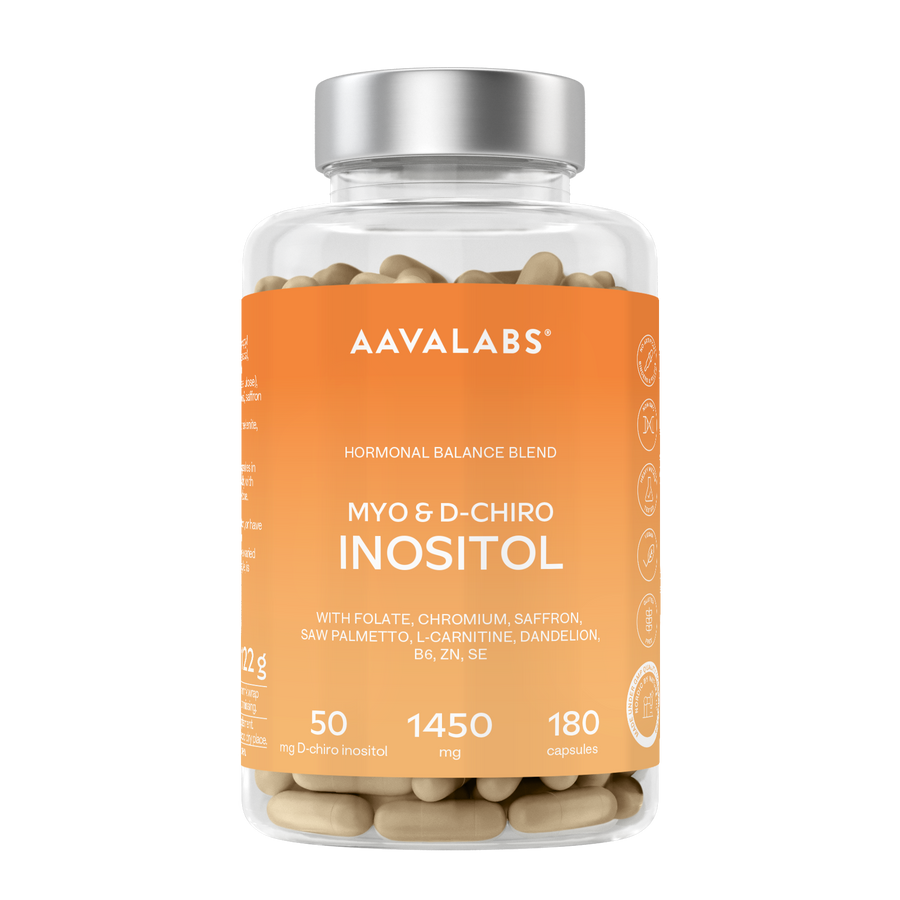
Featured Product: Myo & D-Chiro Inositol

If you're looking for a carefully formulated inositol supplement, Aavalabs Myo & D-Chiro Inositol combines both forms of inositol with complementary vitamins and minerals that support normal physiological functions.

The formula includes:

  • Myo-inositol
  • D-chiro-inositol
  • Vitamin B6, which contributes to the regulation of hormonal activity
  • Zinc, which contributes to normal fertility and reproduction
  • Selenium, which contributes to normal thyroid function
  • Chromium, which contributes to the maintenance of normal blood glucose levels
  • Folate and additional supportive ingredients

This vegan formula is independently tested for quality and designed for people looking to support their nutritional intake as part of a healthy lifestyle.

Discover Myo & D-Chiro Inositol Explore the Hormonal Balance Collection

Food supplements should not be used as a substitute for a varied and balanced diet and a healthy lifestyle. If you are pregnant, breastfeeding, taking medication or have a medical condition, consult a healthcare professional before use.


Best Foods for Hormonal Health

There is no single food that can "balance hormones". However, a varied and nutrient-rich diet provides the building blocks your body needs to produce hormones, support metabolism and maintain normal endocrine function.

Rather than focusing on one "superfood", aim for an overall eating pattern that includes a wide variety of minimally processed foods.

Protein-rich foods

Protein provides amino acids that are needed for many normal physiological processes. Including a source of protein with each meal may also help support satiety and muscle maintenance.

Examples include:

  • Fish
  • Eggs
  • Greek yoghurt
  • Chicken
  • Tofu
  • Tempeh
  • Lentils
  • Beans

Healthy fats

Dietary fats are an important part of a balanced diet. Foods such as extra virgin olive oil, nuts, seeds, avocados and oily fish provide unsaturated fats alongside other beneficial nutrients.

High-fibre foods

Vegetables, fruit, legumes and whole grains provide fibre that supports digestive health and contributes to a varied diet.

Micronutrient-rich foods

Different vitamins and minerals support different physiological functions. Eating a colourful, varied diet makes it easier to obtain these nutrients naturally.

Focus on patterns, not perfection

Healthy eating is about consistency rather than following restrictive diets. A balanced eating pattern is more beneficial than constantly trying the latest "hormone balancing" trend.


Common Myths About Hormonal Imbalance

Myth: Every symptom is caused by hormones.

Fact: Fatigue, acne, weight changes and mood changes have many possible causes. Hormones are only one part of the picture.

Myth: You can balance all of your hormones naturally.

Fact: Lifestyle supports overall health, but medical conditions such as hypothyroidism or diabetes require appropriate diagnosis and treatment.

Myth: Detoxes reset your hormones.

Fact: There is no scientific evidence that detox diets or juice cleanses "reset" the endocrine system.

Myth: Supplements replace medical treatment.

Fact: Supplements can support normal nutrition but should never replace treatment recommended by a healthcare professional.

Myth: One blood test can check all your hormones.

Fact: Different hormones require different tests, and results often depend on age, sex, menstrual cycle stage and time of day.

Myth: Hormonal imbalance only affects women.

Fact: Men can also experience hormone-related conditions involving testosterone, thyroid hormones, insulin and other endocrine pathways.

Evidence first

Social media often simplifies hormonal health into quick fixes. In reality, hormone regulation is complex and should be approached with evidence-based information rather than trends.


In Summary

Hormones regulate countless functions throughout the body, including metabolism, sleep, mood, fertility, sexual health and energy production.

Possible signs of hormonal imbalance include persistent fatigue, irregular periods, unexplained weight changes, acne, hair thinning, disturbed sleep, reduced libido and changes in body temperature. However, these symptoms are not specific to hormonal conditions and may have many different causes.

A healthy lifestyle provides the foundation for normal endocrine function. Balanced nutrition, regular physical activity, sufficient sleep and effective stress management all play important roles.

Certain nutrients—including vitamin B6, zinc, selenium, chromium, magnesium and iron—support normal physiological functions that are closely linked to hormonal health. Inositol has also been widely researched, particularly in women with PCOS, although it should not be considered a cure for hormonal disorders.

If symptoms are persistent, severe or affecting your quality of life, speak to a qualified healthcare professional for appropriate assessment.


Frequently Asked Questions

What are the first signs of hormonal imbalance?

Early signs may include irregular periods, fatigue, sleep problems, acne, mood changes, hair thinning or unexplained weight changes. These symptoms are common and do not necessarily indicate a hormonal disorder.

How do I know if my hormones are imbalanced?

Symptoms alone cannot diagnose a hormonal condition. A healthcare professional may recommend targeted blood tests depending on your symptoms and medical history.

Can stress affect hormones?

Yes. Chronic stress influences hormones involved in the body's stress response, including cortisol. However, persistent symptoms should not automatically be attributed to stress alone.

Can hormonal imbalance cause weight gain?

Certain endocrine conditions may contribute to weight changes, but body weight is influenced by many different biological and lifestyle factors.

Can hormonal imbalance cause acne?

Yes. Increased androgen activity may contribute to acne in some people, particularly those with PCOS.

Can hormones affect sleep?

Yes. Hormones help regulate circadian rhythms, body temperature and the stress response, all of which influence sleep quality.

Does vitamin B6 support hormonal health?

Yes. Vitamin B6 contributes to the regulation of hormonal activity and also supports normal energy metabolism and psychological function.

Does inositol balance hormones?

Inositol has been studied mainly in relation to PCOS and insulin signalling. Research suggests it may support certain metabolic outcomes in some women with PCOS, but it is not a cure for hormonal imbalance.

Which nutrients support thyroid function?

Selenium contributes to normal thyroid function. Adequate iodine intake is also important, although supplementation should only be considered where appropriate.

Can supplements replace a healthy diet?

No. Food supplements should complement, not replace, a varied and balanced diet and healthy lifestyle.

When should I see a doctor?

Seek medical advice if symptoms are persistent, severe, worsening or affecting your daily life, fertility, menstrual cycle or sexual health.

Can hormonal imbalance be treated?

Treatment depends entirely on the underlying cause. Some conditions require medication, while others may benefit from lifestyle changes alongside medical care.


References

  1. Endocrine Society. Hormones and Endocrine Function.
  2. Endocrine Society. Thyroid and Parathyroid Hormones.
  3. National Institute of Diabetes and Digestive and Kidney Diseases (NIDDK). Endocrine Diseases.
  4. NIDDK. Symptoms and Causes of Adrenal Insufficiency.
  5. NIDDK. Prolactinoma.
  6. NHS. Underactive Thyroid.
  7. NHS. Overactive Thyroid.
  8. NHS. Menopause.
  9. NHS. Premenstrual Syndrome.
  10. American College of Obstetricians and Gynecologists (ACOG). Polycystic Ovary Syndrome.
  11. International Evidence-based Guideline for the Assessment and Management of PCOS (2023).
  12. European Food Safety Authority (EFSA). Article 13 Health Claims Register.
  13. British Dietetic Association. Healthy Eating Guidance.
  14. World Health Organization. Healthy Diet.
  15. National Institute for Health and Care Excellence (NICE). Menopause: Diagnosis and Management.

Read more

What Clean Really Means in Supplements?

What Clean Really Means in Supplements?

At Aavalabs, clean means one thing: no unnecessary fillers, no hidden additives and no ingredients without a clear purpose. Here is exactly how we select, formulate and test every product we make.

Read more