Your metabolism is responsible for turning the nutrients you eat into the energy your body needs every day. But what actually influences your metabolic rate?
Discover six simple ways to support a healthy metabolism, including movement, hydration, protein and essential nutrients such as magnesium, B vitamins and iron.
Your metabolism is constantly working behind the scenes, converting nutrients from food into energy and providing your body with what it needs to function.
But what actually influences your metabolism, and can you support it naturally? While there is no magic trick to dramatically speed up your metabolism, factors such as muscle mass, physical activity, nutrition, hydration and certain nutrients all play a role in normal energy metabolism.
Here are six simple, practical ways to support a healthy metabolism as part of your everyday routine.
What Is Metabolism?
Metabolism describes the biochemical processes that continuously take place throughout your body. These processes allow your cells to use nutrients from food, produce energy, build and maintain tissues and carry out essential bodily functions.
Your body needs energy even when you are completely at rest. This is known as your basal metabolic rate, or BMR. It represents the energy required for basic functions such as breathing, circulation, maintaining body temperature and cellular activity.
Your total daily energy expenditure also includes the energy you use through movement, exercise and the digestion of food.
What Affects Your Metabolic Rate?
Metabolic rate varies naturally between individuals. Several factors can influence how much energy your body uses, including:
- Age
- Body size and composition
- Muscle mass
- Physical activity
- Genetics
- Hormonal factors
- Diet and energy intake
This means that having a "fast" or "slow" metabolism is usually more complex than simply being able to gain or lose weight easily.
Can You Boost Your Metabolism?
You may often hear about foods, supplements or routines that promise to "boost" metabolism. In reality, there is no single food or supplement that can dramatically transform your metabolic rate.
Instead, the best approach is to support normal energy metabolism and maintain habits that influence your overall energy expenditure, particularly regular movement, sufficient nutrition and maintaining muscle mass.
1. Stay Physically Active
Regular movement is one of the most practical ways to increase your daily energy expenditure.
Both cardiovascular exercise and strength training can be valuable. Activities such as walking, running, cycling and swimming increase energy expenditure while you are moving, while resistance training helps maintain and build muscle mass.
Muscle tissue requires energy to maintain, so your body composition is one of the factors that influences your basal metabolic rate.
Try combining:
- Regular walking and everyday movement
- Cardiovascular exercise
- Strength or resistance training
- Activities you genuinely enjoy and can maintain consistently
2. Eat Enough Protein
Your body uses energy to digest, absorb and process the food you eat. This is known as the thermic effect of food.
Protein generally requires more energy to process than carbohydrates or fats. Protein is also important for the maintenance and growth of muscle mass.
Useful protein sources include:
- Fish and seafood
- Eggs
- Lean meat
- Yoghurt and other dairy products
- Beans and lentils
- Tofu and tempeh
- Nuts and seeds
Rather than focusing on individual "metabolism-boosting" foods, aim for balanced meals containing protein alongside vegetables, whole grains and healthy fats.
3. Stay Hydrated
Water is involved in many processes throughout the body, making adequate hydration an important part of overall health.
Your individual fluid requirements depend on factors such as your activity level, environment and how much you sweat.
Regularly drinking water throughout the day is a simple way to support normal bodily functions. You may need additional fluids during exercise, hot weather or periods of increased sweating.
4. Make Sure You Get Enough Magnesium and B Vitamins
Micronutrients do not "speed up" metabolism in the way the term is often used online. However, several vitamins and minerals contribute to normal energy-yielding metabolism.
Magnesium
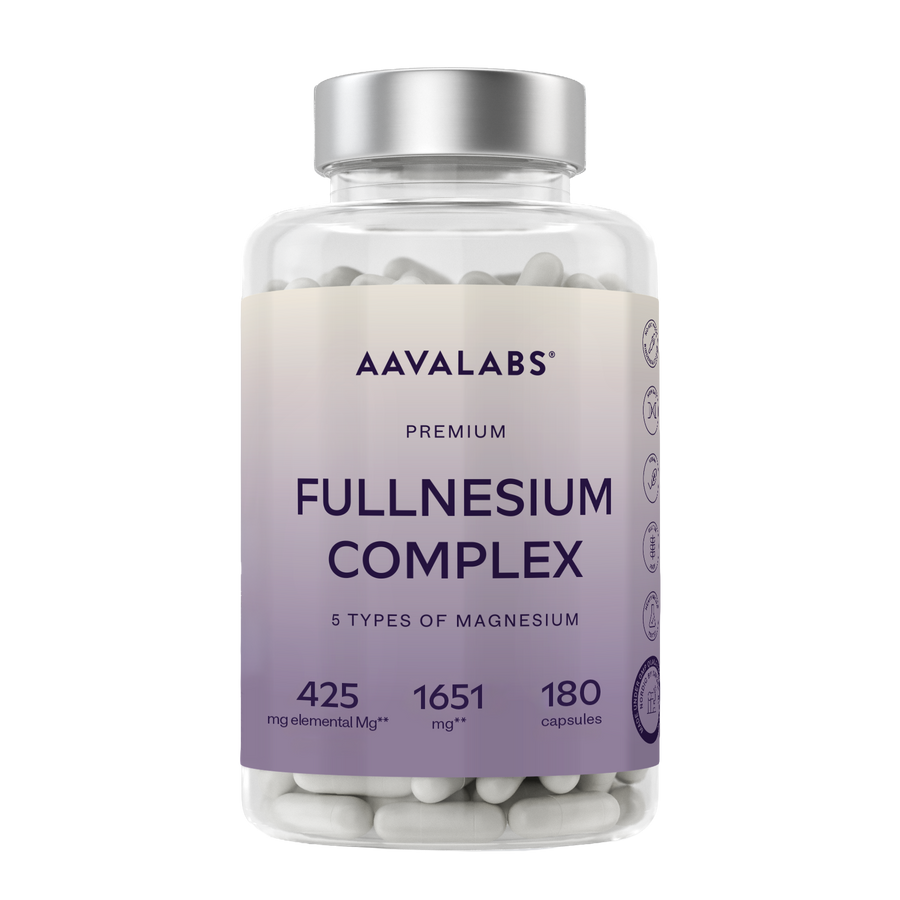
Magnesium contributes to normal energy-yielding metabolism and the reduction of tiredness and fatigue. It also contributes to normal muscle function and normal functioning of the nervous system.
Magnesium can be found naturally in foods such as nuts, seeds, legumes, whole grains and leafy green vegetables.
B Vitamins
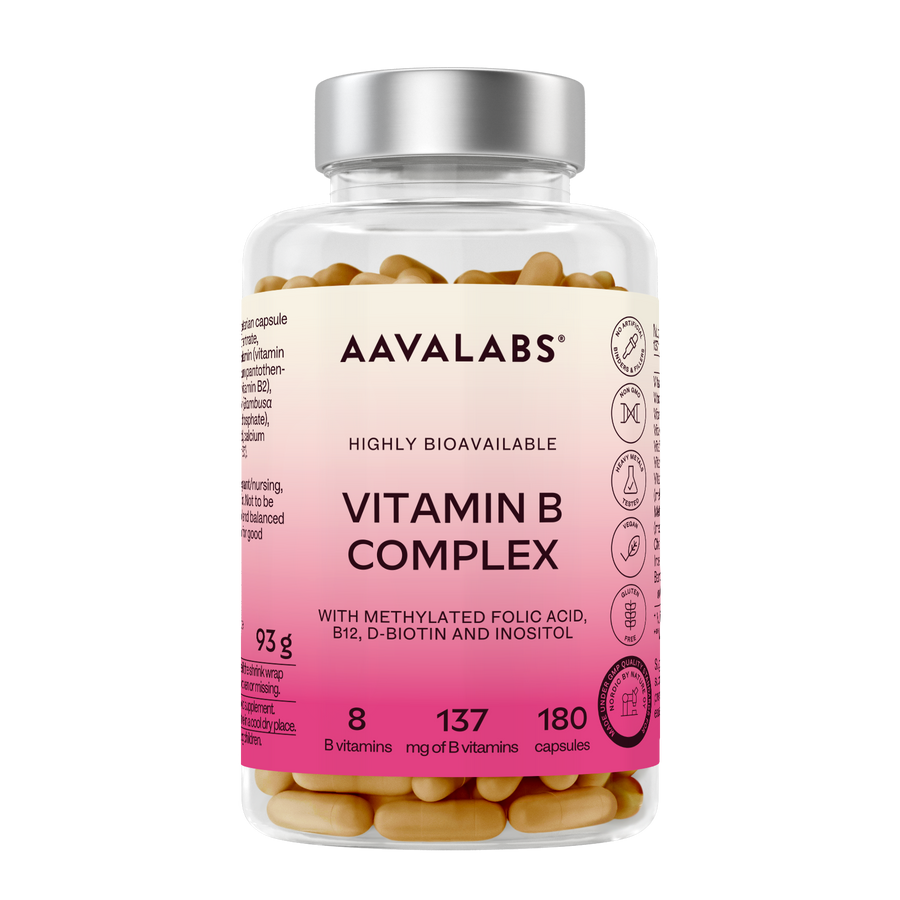
Several B vitamins contribute to normal energy-yielding metabolism. These include vitamins B1, B2, B3, B5, B6, B7 and B12.
B vitamins occur naturally in a wide variety of foods, including whole grains, legumes, eggs, dairy products, meat, fish, nuts, seeds and leafy vegetables.
A varied diet is therefore one of the best foundations for obtaining the micronutrients your metabolism requires.
5. Pay Attention to Your Iron Intake
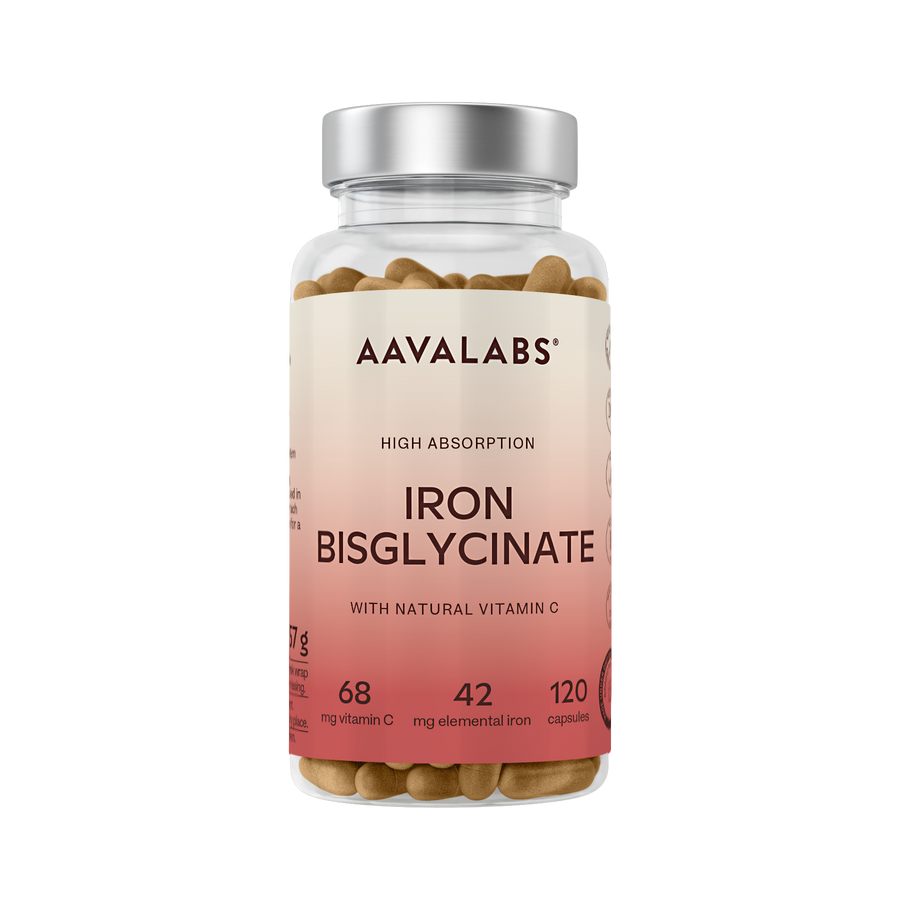
Iron is another important nutrient involved in energy metabolism. Iron contributes to normal energy-yielding metabolism and the reduction of tiredness and fatigue. It also contributes to the normal formation of red blood cells and haemoglobin and normal oxygen transport in the body.
Dietary sources of iron include:
- Meat
- Legumes
- Pumpkin seeds
- Whole grains
- Leafy green vegetables
Plant-based iron is absorbed differently from iron found in animal foods. Vitamin C increases iron absorption, so combining plant-based iron sources with vitamin C-rich foods can be useful.
Iron supplementation is not appropriate for everyone, so it is best to determine whether additional iron is needed before supplementing.
6. Build Consistent Eating and Lifestyle Habits
Supporting your metabolism is less about finding a quick fix and more about creating habits you can maintain over time.
Focus on:
- Eating a varied and balanced diet
- Including protein in your meals
- Moving regularly throughout the day
- Including resistance training in your routine
- Staying adequately hydrated
- Getting enough sleep and recovery
- Meeting your vitamin and mineral requirements
These habits support much more than metabolism. They also contribute to your overall energy, physical performance and wellbeing.
Do Supplements Boost Metabolism?
Supplements should not be viewed as a shortcut for increasing your metabolic rate or losing weight.
However, vitamins and minerals are involved in normal metabolic processes. Nutrients such as magnesium, iron and several B vitamins contribute to normal energy-yielding metabolism.
The goal of supplementation should therefore be to complement your diet where appropriate, rather than trying to artificially "speed up" your metabolism.
A Healthy Metabolism Starts With Everyday Habits
Your metabolism is much more than how quickly you gain or lose weight. It is the collection of processes your body uses every day to convert nutrients into energy and keep your cells and organs functioning.
There is no single metabolism-boosting food, nutrient or supplement. Instead, regular movement, muscle-supporting exercise, balanced nutrition, adequate hydration and sufficient micronutrient intake provide a strong foundation for normal energy metabolism.
Small, consistent habits are often more valuable than searching for a quick metabolic boost.