Endurance training places unique demands on the body. Discover the key vitamins and minerals for endurance athletes, including iron, magnesium, B vitamins, vitamin D, zinc and selenium, and learn how they contribute to energy metabolism, oxygen transport, muscle function and recovery.
Why Do Endurance Athletes Need Vitamins and Minerals?
Endurance training places sustained demands on energy metabolism, muscle function and recovery. While carbohydrates, fats and protein provide energy and building blocks, vitamins and minerals contribute to many of the normal processes that allow the body to use those nutrients effectively.
Some nutrients contribute to normal energy-yielding metabolism, others support oxygen transport, muscle function or the normal function of the immune system. Athletes may also need to pay particular attention to their overall diet because long training sessions, restricted diets or increased nutritional demands can make adequate intake more challenging.
A varied, balanced diet should remain the foundation. Supplements can complement this when dietary intake is insufficient or an individual deficiency has been identified.
Which Vitamins and Minerals Are Most Important for Endurance Athletes?
There is no single vitamin or mineral responsible for endurance performance. Several micronutrients contribute to normal physiological processes relevant to an active lifestyle.
- Iron: contributes to normal oxygen transport and the formation of red blood cells and haemoglobin.
- Magnesium: contributes to normal energy-yielding metabolism, muscle function and electrolyte balance.
- B vitamins: several B vitamins contribute to normal energy-yielding metabolism and the reduction of tiredness and fatigue.
- Vitamin D: contributes to normal muscle function and the normal function of the immune system.
- Zinc: contributes to normal protein synthesis, carbohydrate metabolism and immune function.
- Selenium: contributes to the protection of cells from oxidative stress and normal immune function.
The right intake depends on the individual athlete, their diet, training load and nutritional status.
Why Is Iron Important for Endurance Athletes?
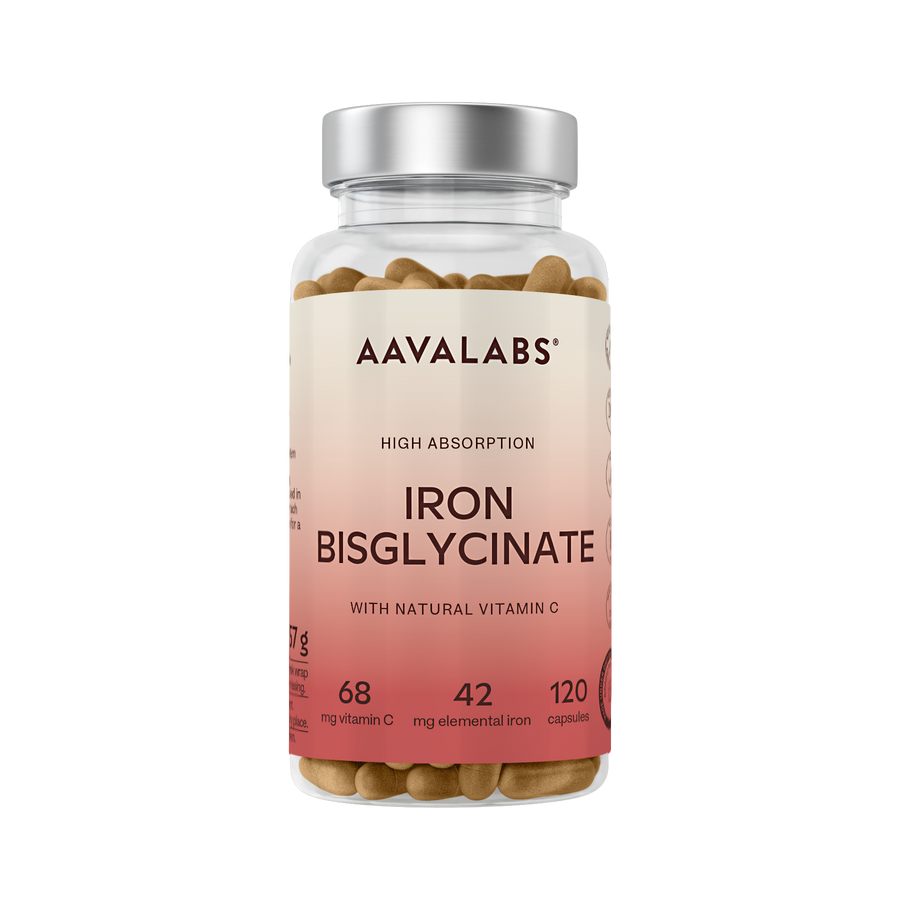
Iron contributes to the normal formation of red blood cells and haemoglobin and to normal oxygen transport in the body. It also contributes to normal energy-yielding metabolism and to the reduction of tiredness and fatigue.
These functions make adequate iron intake particularly relevant in endurance sport, where the body depends heavily on oxygen transport during prolonged exercise.
Iron can be obtained from foods including meat, legumes, leafy green vegetables and fortified foods. Vitamin C increases iron absorption, so combining plant-based sources of iron with foods rich in vitamin C can be useful.
Iron supplementation should not be used automatically. If low iron is suspected, blood testing and guidance from a healthcare professional can help determine whether supplementation is appropriate.
How Do B Vitamins Support Energy Metabolism?
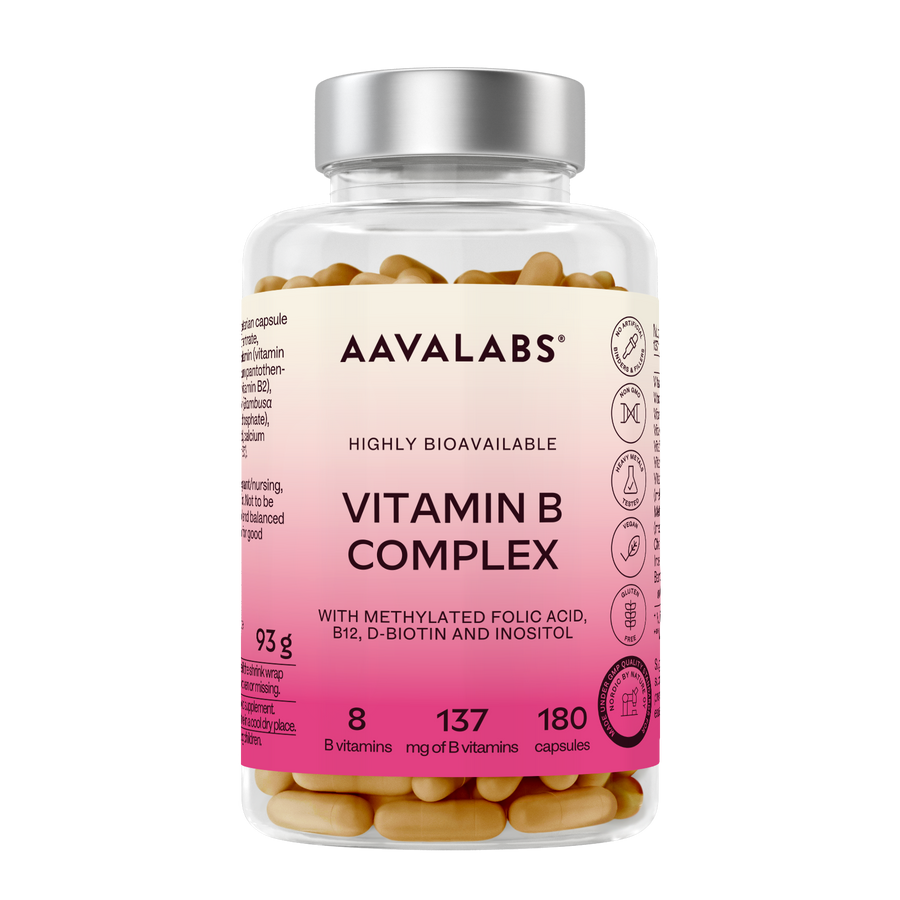
B vitamins are involved in numerous metabolic processes throughout the body. Several B vitamins, including thiamine, riboflavin, niacin, pantothenic acid, vitamin B6, biotin and vitamin B12, contribute to normal energy-yielding metabolism.
Vitamin B6 and vitamin B12 also contribute to normal red blood cell formation and to the reduction of tiredness and fatigue. Folate contributes to normal blood formation and the reduction of tiredness and fatigue.
Vitamin B12 deserves particular attention for people following vegan or predominantly plant-based diets because naturally occurring dietary B12 is found mainly in animal-derived foods.
Our Vitamin B Complex combines all eight B vitamins in one formula.
Why Is Magnesium Important for Endurance Athletes?
Magnesium contributes to normal energy-yielding metabolism, normal muscle function and electrolyte balance. It also contributes to the reduction of tiredness and fatigue and to the normal functioning of the nervous system.
Magnesium can be found naturally in foods including nuts, seeds, legumes, whole grains and green leafy vegetables.
For athletes, maintaining an adequate intake is particularly relevant because magnesium contributes to several normal physiological functions involved in everyday movement and energy metabolism.
What Role Does Vitamin D Play for Athletes?
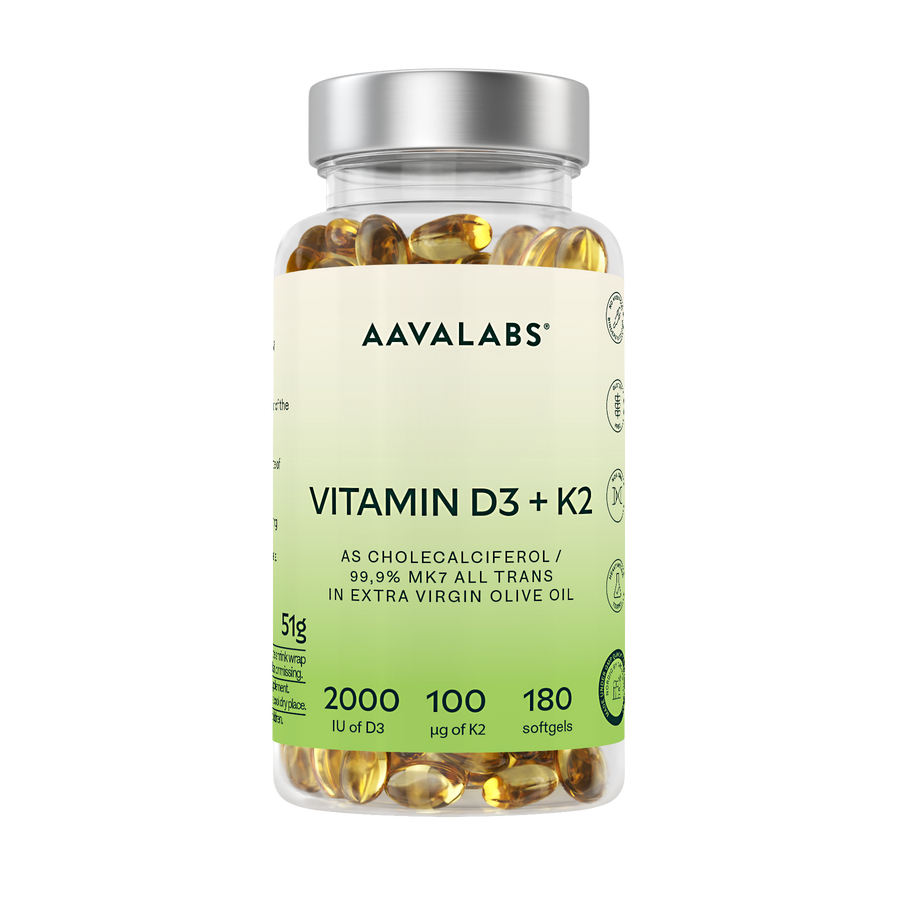
Vitamin D contributes to the maintenance of normal muscle function, normal bones and the normal function of the immune system.
The body can produce vitamin D when the skin is exposed to sunlight. However, vitamin D production varies according to factors including season, latitude, lifestyle and sun exposure.
Dietary sources include fatty fish, egg yolks and fortified foods. Athletes who spend much of their time training indoors or receive limited sunlight may want to pay particular attention to their vitamin D intake and status.
Why Are Zinc and Selenium Important for Active People?
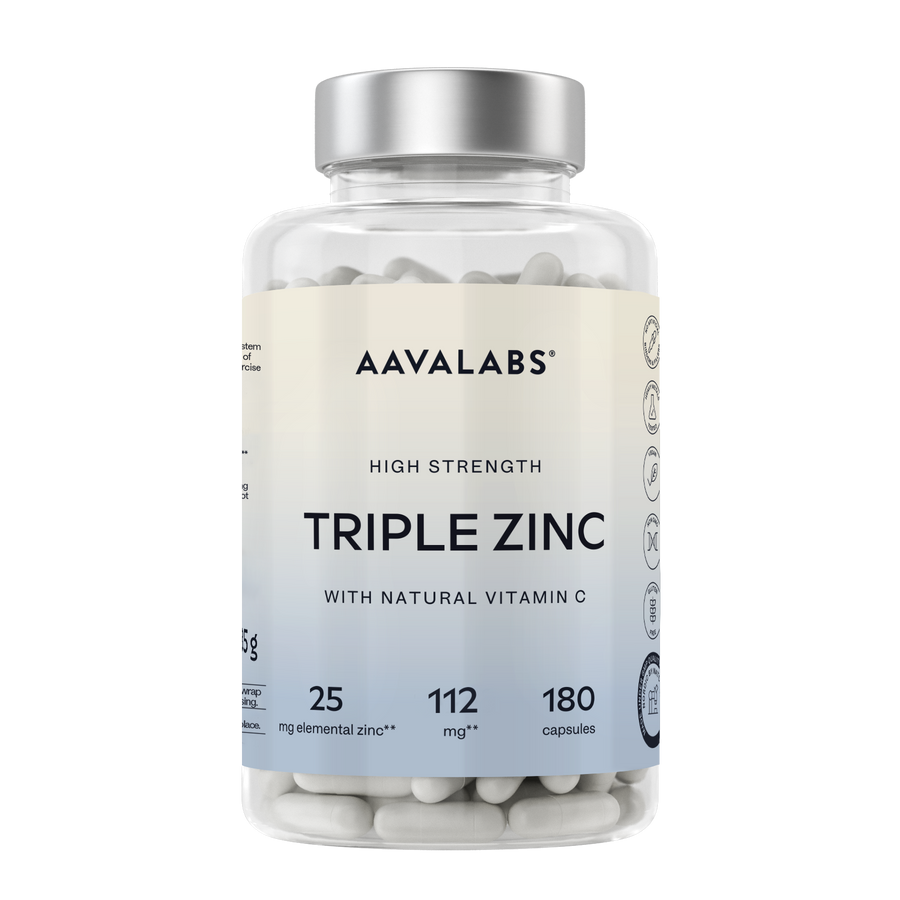
Zinc contributes to normal carbohydrate metabolism, normal protein synthesis and the normal function of the immune system. It also contributes to the protection of cells from oxidative stress.
Selenium contributes to the normal function of the immune system and to the protection of cells from oxidative stress.
Both nutrients can be obtained through a varied diet. Zinc is found in foods such as meat, shellfish, dairy products, legumes, nuts and seeds, while selenium is found in foods including fish, eggs, meat and certain nuts.
Should Endurance Athletes Take Antioxidant Supplements?
Exercise naturally increases the production of reactive oxygen species. At the same time, some oxidative processes are part of the body's normal response to exercise.
Rather than focusing on very high doses of individual antioxidant supplements, athletes can prioritise a varied diet containing fruits, vegetables, berries, nuts, seeds and other plant foods.
Several micronutrients also have recognised antioxidant functions. Vitamin C, vitamin E, zinc and selenium all contribute to the protection of cells from oxidative stress.
How Does Diet Affect Micronutrient Intake in Endurance Athletes?
Athletes with high training volumes need sufficient overall nutrition to support their lifestyle. Restrictive eating patterns, limited food variety or excluding entire food groups can make it more difficult to obtain adequate amounts of certain vitamins and minerals.
A varied diet containing whole grains, fruits, vegetables, legumes, nuts, seeds and appropriate protein sources provides a broad range of micronutrients.
Individual dietary patterns also matter. Vegan athletes, for example, need a reliable source of vitamin B12, while athletes who avoid certain food groups may need to pay closer attention to nutrients commonly supplied by those foods.
What Are Possible Signs of a Micronutrient Deficiency?
Micronutrient deficiencies do not always produce obvious symptoms. Depending on the nutrient involved, possible signs can include persistent tiredness, weakness or changes in normal physical performance.
However, these symptoms are not specific to nutrient deficiencies and can have many different causes, including inadequate energy intake, insufficient recovery, sleep problems, illness or excessive training load.
If tiredness or an unexplained decline in wellbeing persists, a healthcare professional can help determine whether nutritional assessment or blood testing is appropriate.
Should Endurance Athletes Get Blood Tests?
Blood testing can be useful when there is a specific reason to suspect a deficiency, particularly when symptoms persist or dietary intake may be insufficient.
For example, iron status or vitamin B12 and vitamin D levels may be assessed when clinically appropriate. Which tests are useful depends on the individual athlete, their diet, symptoms, medical history and training circumstances.
A healthcare professional can help interpret results and determine whether dietary changes or supplementation are necessary.
How Can Endurance Athletes Support Their Micronutrient Intake?
The foundation should be a varied diet that provides sufficient overall energy alongside carbohydrates, protein, healthy fats, vitamins and minerals.
- Eat a wide variety of fruits and vegetables.
- Include whole grains, legumes, nuts and seeds regularly.
- Choose appropriate sources of iron and vitamin B12 for your dietary pattern.
- Pay attention to vitamin D intake when sunlight exposure is limited.
- Stay adequately hydrated during and after training.
- Avoid supplementing high doses of individual nutrients without a clear reason.
Supplements can help complement the diet when necessary, but more is not automatically better. A targeted approach based on individual needs is more useful than taking multiple supplements simply because training volume is high.
Frequently Asked Questions
What are the most important vitamins and minerals for endurance athletes?
Important micronutrients include iron, magnesium, B vitamins, vitamin D, zinc and selenium. They contribute to normal processes including energy metabolism, oxygen transport, muscle function, immune function and protection of cells from oxidative stress.
Why is iron important for runners?
Iron contributes to normal oxygen transport, normal formation of red blood cells and haemoglobin, normal energy-yielding metabolism and the reduction of tiredness and fatigue.
Do endurance athletes need more magnesium?
Magnesium contributes to normal muscle function, electrolyte balance, normal energy-yielding metabolism and the reduction of tiredness and fatigue. Individual requirements and the need for supplementation depend on dietary intake and nutritional status.
Why is vitamin B12 important for endurance athletes?
Vitamin B12 contributes to normal energy-yielding metabolism, normal red blood cell formation and the reduction of tiredness and fatigue. People following vegan diets need a reliable source of vitamin B12 because naturally occurring B12 is found mainly in animal-derived foods.
Does vitamin D support muscle function?
Yes. Vitamin D contributes to the maintenance of normal muscle function. It also contributes to the maintenance of normal bones and the normal function of the immune system.
Should endurance athletes take supplements every day?
Not necessarily. Supplement needs depend on diet, nutritional status and individual circumstances. A balanced diet should provide the foundation, while targeted supplements can be useful when dietary intake is insufficient or a specific need has been identified.
How do I know if I have a micronutrient deficiency?
Symptoms alone cannot reliably diagnose a micronutrient deficiency. Persistent tiredness, weakness or unexplained changes in wellbeing can have many causes. A healthcare professional can determine whether dietary assessment or appropriate testing is needed.