Which nutrients are important for healthy muscles? Discover the roles of magnesium, vitamin D, calcium, B vitamins and other nutrients in normal muscle function, energy metabolism and an active lifestyle.
From walking and lifting to maintaining posture and balance, your muscles are constantly at work. Supporting them is not only about exercise. Nutrition also plays an important role in maintaining normal muscle function and providing the energy your body needs for an active lifestyle.
Several vitamins and minerals contribute to normal muscle function, energy metabolism and the functioning of the nervous system. Let's take a closer look at some of the most important ones.
Which Vitamins and Minerals Are Important for Muscle Function?
Magnesium
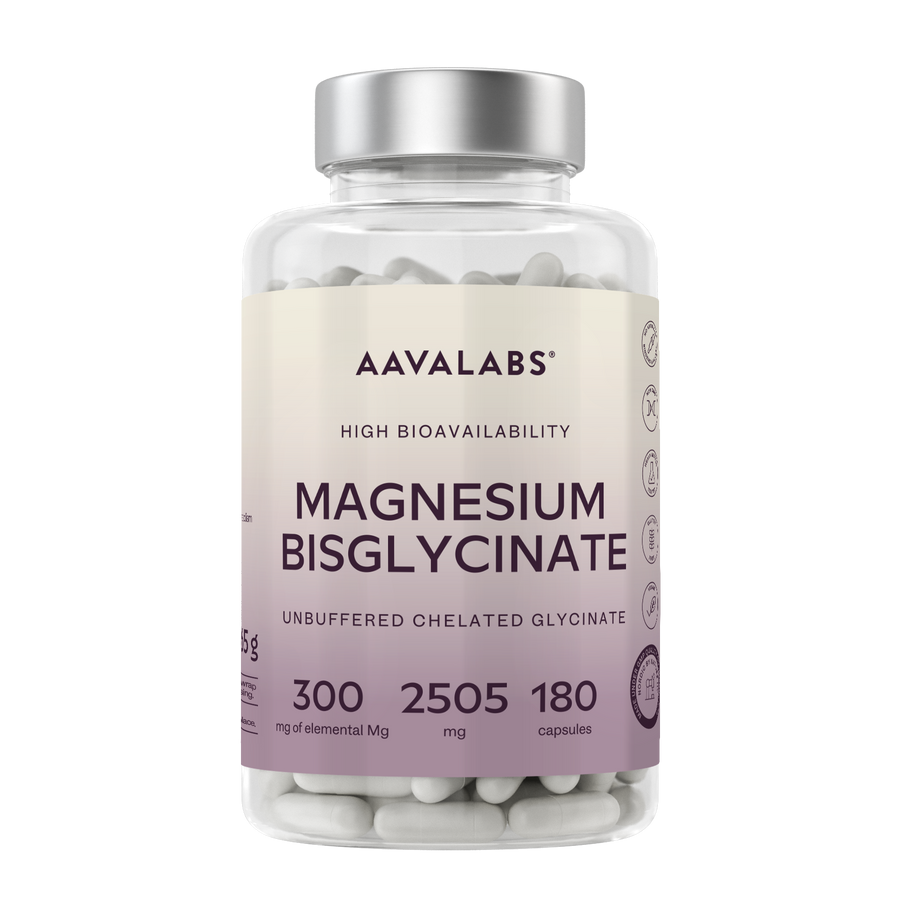
Magnesium contributes to normal muscle function and normal functioning of the nervous system. It also contributes to normal energy-yielding metabolism and the reduction of tiredness and fatigue.
Magnesium can be found naturally in foods such as nuts, seeds, legumes, whole grains and leafy green vegetables.
Vitamin D
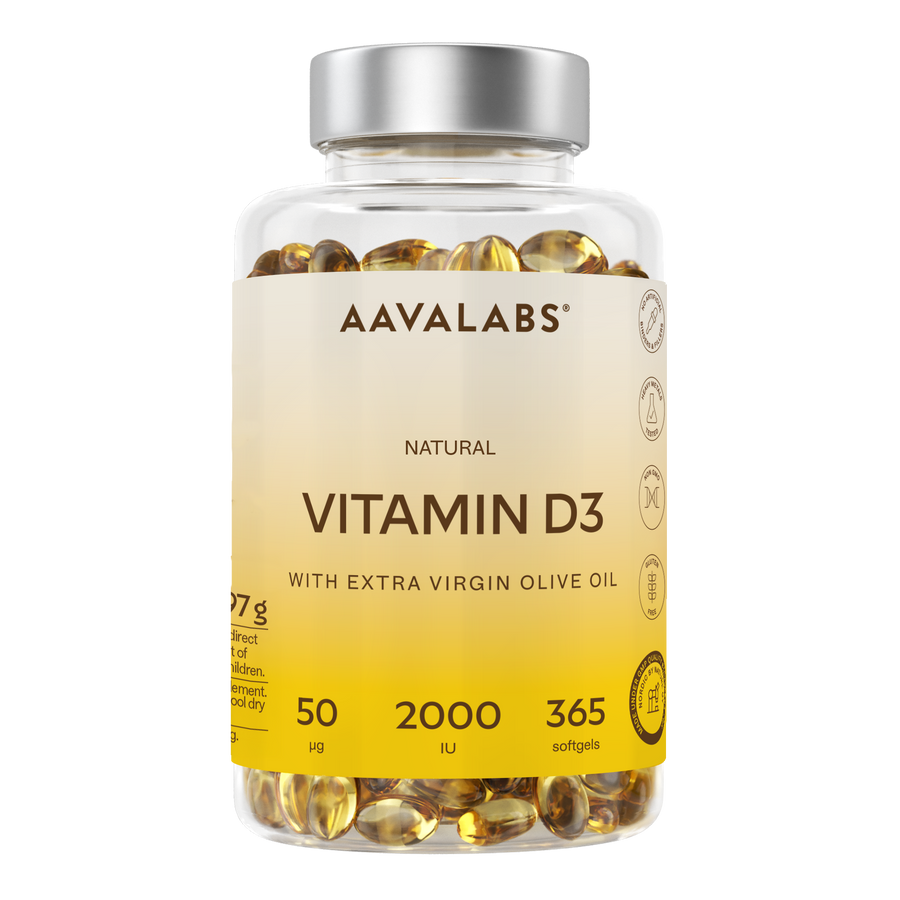
Vitamin D contributes to the maintenance of normal muscle function. It also contributes to the normal absorption and utilisation of calcium and phosphorus and to the maintenance of normal bones.
The body can produce vitamin D through exposure to sunlight. However, factors such as season, latitude and time spent indoors can influence vitamin D production.
Calcium
Calcium contributes to normal muscle function and normal energy-yielding metabolism. It is also needed for the maintenance of normal bones.
Dietary sources include dairy products, certain fortified plant-based alternatives, leafy green vegetables, nuts and seeds.
B Vitamins
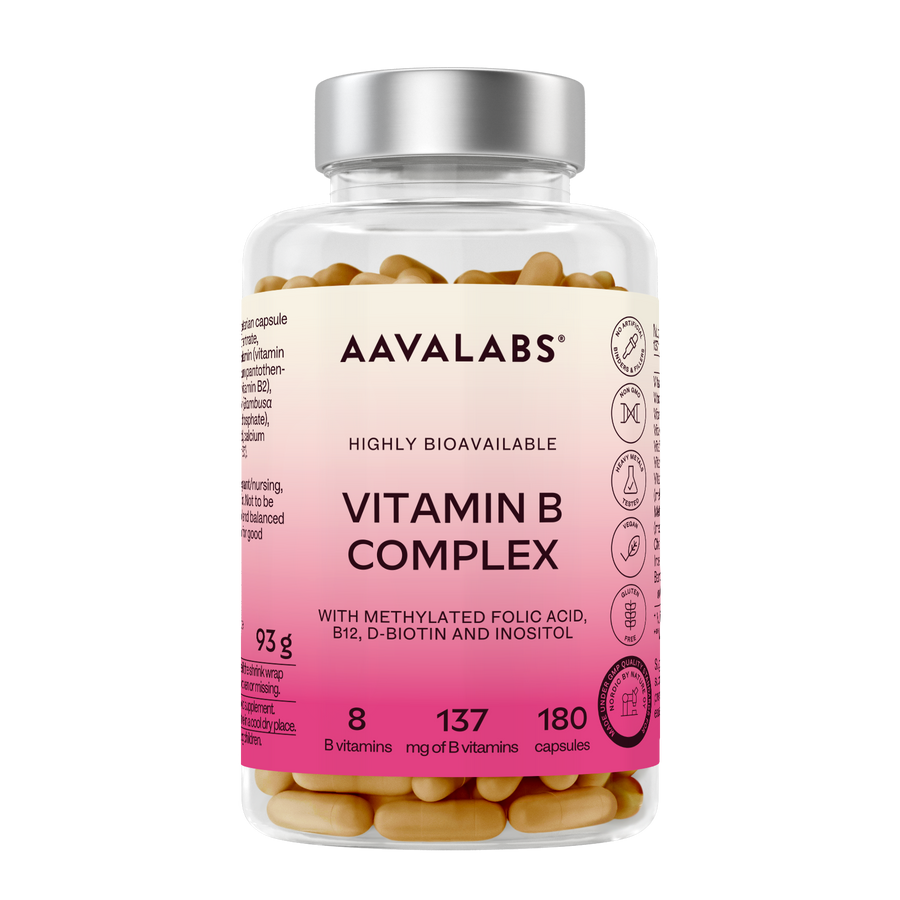
Several B vitamins contribute to normal energy-yielding metabolism and normal functioning of the nervous system.
For example, vitamins B6 and B12 contribute to normal energy-yielding metabolism, normal functioning of the nervous system and the reduction of tiredness and fatigue.
Potassium
Potassium contributes to normal muscle function and normal functioning of the nervous system.
Potassium occurs naturally in many foods, including potatoes, bananas, legumes, vegetables and fruits.
Zinc
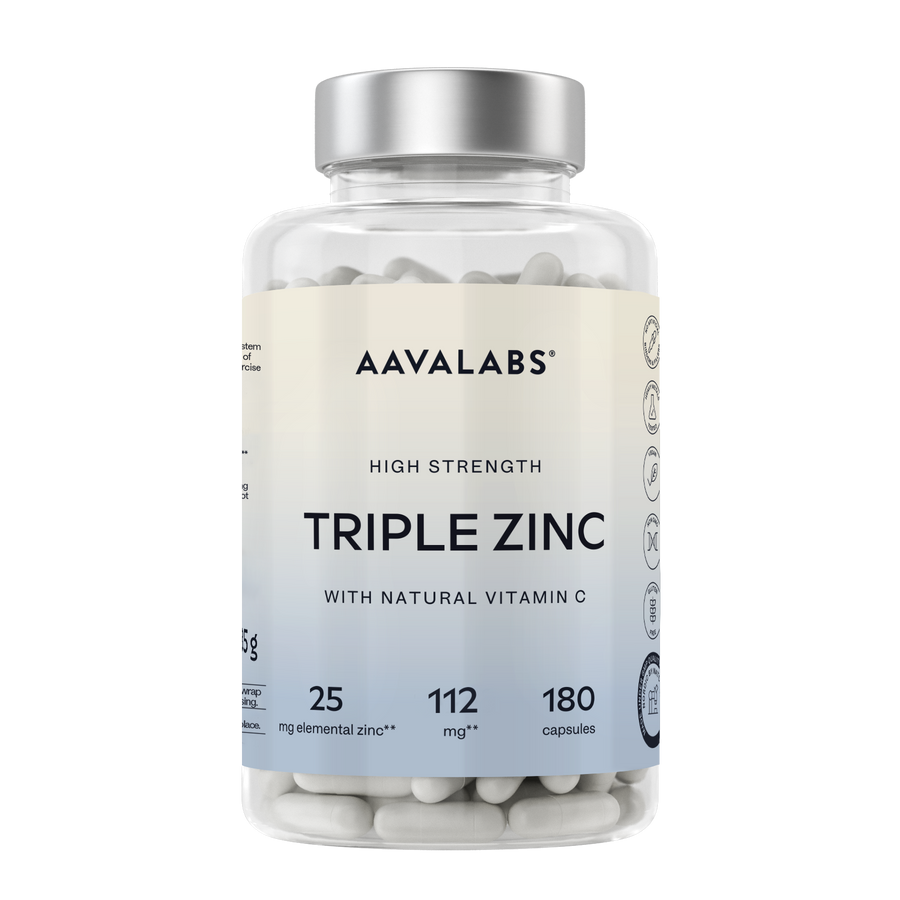
Zinc contributes to normal protein synthesis and normal carbohydrate metabolism. It also contributes to the normal function of the immune system and the protection of cells from oxidative stress.
What About Protein?
While vitamins and minerals play important roles in normal body functions, protein is particularly relevant when talking about muscles.
Protein contributes to the growth and maintenance of muscle mass.
Good dietary sources include eggs, fish, meat, dairy products, legumes, tofu, nuts and seeds. The amount of protein you need depends on factors such as your body weight, diet and level of physical activity.
What About Omega-3?
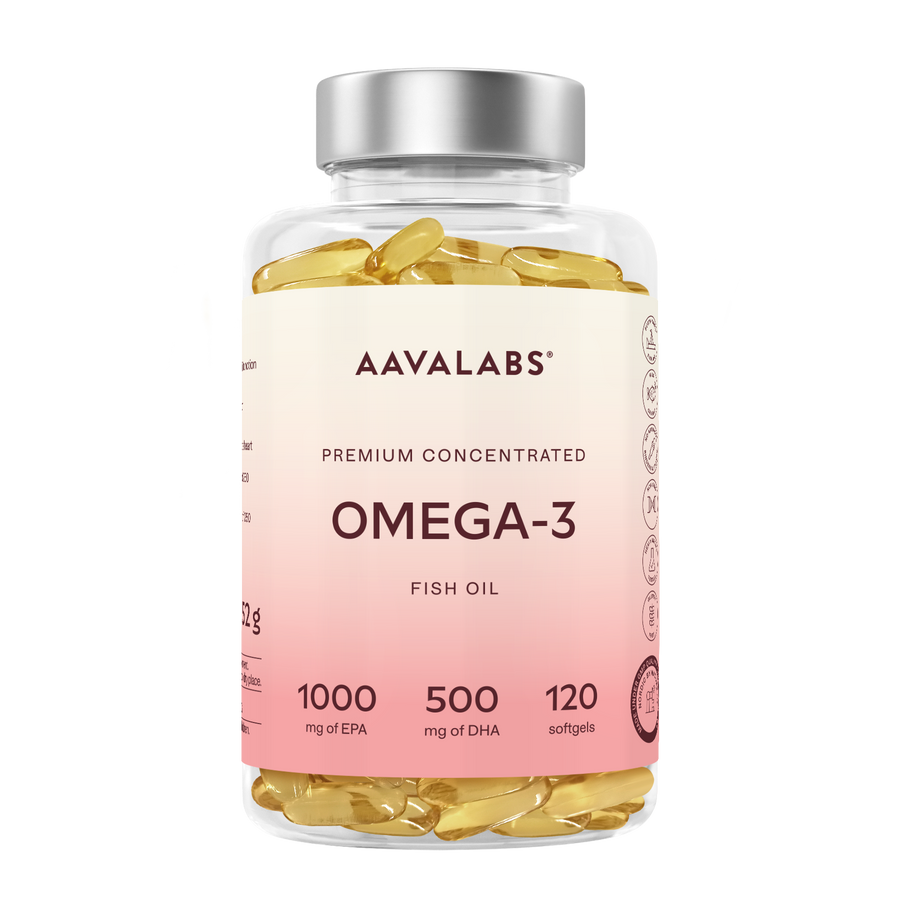
Omega-3 fatty acids are another popular part of many active lifestyles. The omega-3 fatty acids EPA and DHA have recognised roles in normal body functions.
EPA and DHA contribute to the normal function of the heart with a daily intake of 250 mg EPA and DHA. DHA also contributes to the maintenance of normal brain function with a daily intake of 250 mg DHA.
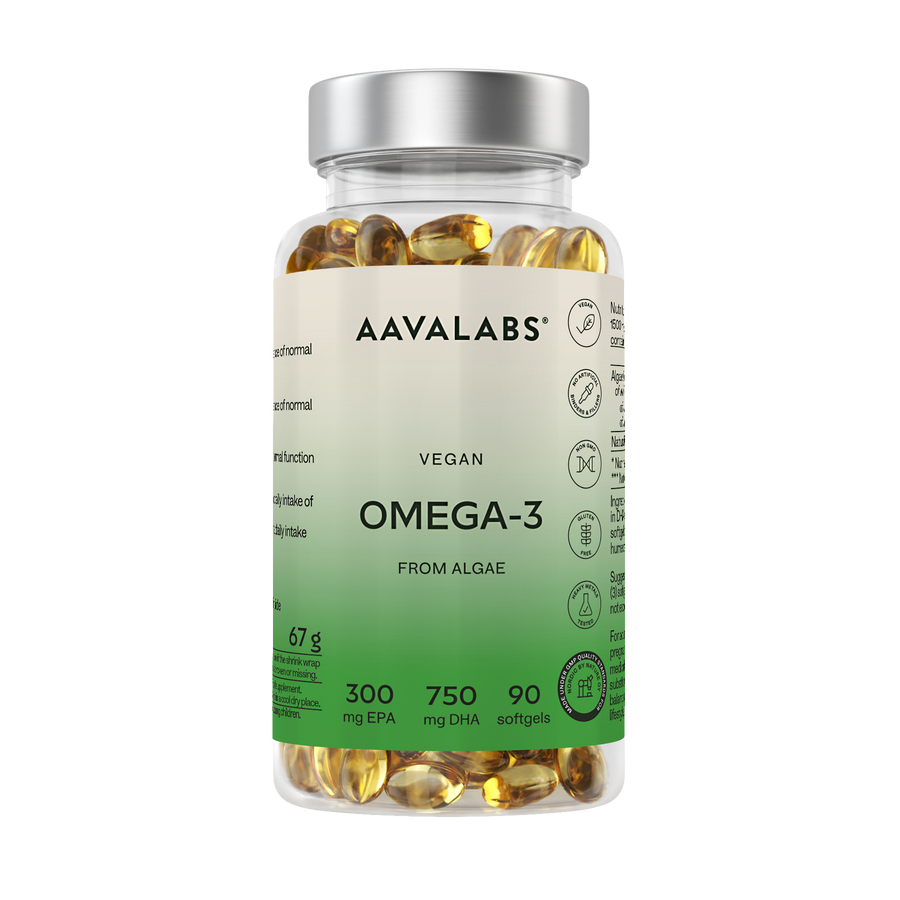
Omega-3 fatty acids can be obtained from foods such as oily fish, while algae-derived omega-3 provides a vegan alternative.
Why Do Muscles Sometimes Feel Sore or Tense?
Muscle discomfort can have many different causes. Exercise, unfamiliar movements, prolonged sitting, repetitive movement patterns, insufficient recovery and other lifestyle factors can all play a role.
Because there are many possible causes, muscle soreness, tension or cramps should not automatically be interpreted as signs of a vitamin or mineral deficiency.
Muscle Soreness After Exercise
Delayed onset muscle soreness, often called DOMS, commonly appears after unfamiliar or particularly demanding physical activity.
Giving your body enough time to recover, maintaining a balanced diet and gradually increasing training intensity can all form part of a sustainable exercise routine.
Muscle Cramps
Muscle cramps can occur during or after exercise and can have several possible causes. Hydration, physical exertion and electrolyte balance may all be relevant.
Minerals including magnesium, potassium and calcium contribute to normal muscle function, making a sufficient dietary intake of these essential minerals an important part of everyday nutrition.
Muscle Tension
Long periods of sitting, repetitive movements and everyday stress can all be associated with feelings of muscle tension, particularly around the neck, shoulders and back.
Regular movement breaks, changing position throughout the day and incorporating mobility or stretching exercises can help create a more balanced routine.
Do Active People Need More Vitamins and Minerals?
Physical activity influences your body's energy and nutritional requirements, but being active does not automatically mean that you need supplements.
A varied and balanced diet should remain the foundation of your nutritional intake. Depending on your diet, activity level and individual circumstances, supplements can be considered when particular nutrients are difficult to obtain in sufficient amounts.
If you train frequently or are unsure whether your diet meets your nutritional requirements, a qualified healthcare or nutrition professional can help you assess your individual needs.
Building a Muscle-Friendly Routine
Healthy muscles depend on more than one nutrient. Regular movement, adequate protein, sufficient energy intake, hydration, recovery and a varied diet all work together to support an active body.
Rather than focusing on a single vitamin or mineral, aim to create a routine that consistently provides your body with the nutrients it needs.
Frequently Asked Questions
Which vitamins and minerals contribute to normal muscle function?
Magnesium, potassium, calcium and vitamin D all contribute to normal muscle function. A varied diet can provide these nutrients through foods such as vegetables, fruits, legumes, nuts, seeds, dairy products and other nutrient-rich foods.
Does magnesium help with muscle function?
Yes. Magnesium contributes to normal muscle function. It also contributes to normal functioning of the nervous system, normal energy-yielding metabolism and the reduction of tiredness and fatigue.
Can muscle cramps mean I am deficient in magnesium?
Muscle cramps can have many different causes and should not automatically be considered a sign of magnesium deficiency. If cramps are frequent, severe or persistent, consider discussing them with a healthcare professional.
Does vitamin D support muscles?
Yes. Vitamin D contributes to the maintenance of normal muscle function. It also contributes to the maintenance of normal bones and the normal absorption and utilisation of calcium and phosphorus.
Which nutrient supports muscle growth?
Protein contributes to the growth and maintenance of muscle mass. Resistance training combined with adequate dietary protein can form an important part of an active lifestyle.
Do I need supplements if I exercise regularly?
Not necessarily. Regular exercise does not automatically mean that supplementation is required. Your needs depend on factors such as your diet, training volume and individual nutritional status. Supplements can complement a balanced diet when there is a specific nutritional need.
What should I do if I regularly experience muscle pain or weakness?
Muscle pain or weakness can have many causes and cannot reliably be attributed to a particular nutrient deficiency based on symptoms alone. Persistent, severe or unexplained symptoms should be assessed by a healthcare professional.