Irritable bowel syndrome can cause bloating, abdominal discomfort and changes in bowel habits. Learn how diet, the gut microbiome and nutrients such as vitamin D and B vitamins fit into a broader approach to digestive health, and what to know about probiotics.
Irritable bowel syndrome (IBS) is a common digestive condition that can cause abdominal pain, bloating and changes in bowel habits. Because symptoms and triggers vary considerably from person to person, there is no single diet or supplement that works for everyone.
Nutrition, stress, the gut microbiome and lifestyle can all play a role in digestive wellbeing. Understanding these factors can help you build a more informed approach to supporting your gut while working with a healthcare professional to manage IBS.
What Is Irritable Bowel Syndrome?
Irritable bowel syndrome, commonly known as IBS, is a condition affecting the digestive system. Typical symptoms include abdominal pain or discomfort, bloating and changes in bowel habits.
Different people can experience very different patterns. Some predominantly experience diarrhoea, others constipation, while some alternate between the two.
IBS is different from inflammatory bowel disease (IBD), which includes conditions such as Crohn's disease and ulcerative colitis. IBS does not cause the characteristic tissue damage associated with IBD.
Because several digestive conditions can produce similar symptoms, persistent or unexplained digestive problems should be discussed with a healthcare professional rather than self-diagnosed.
What Are the Most Common Symptoms of IBS?
IBS can present differently from one person to another, but common symptoms include:
- abdominal pain or cramping
- bloating
- excess gas
- diarrhoea
- constipation
- alternating diarrhoea and constipation
- changes in stool frequency or consistency
Symptoms can fluctuate over time and may become more noticeable in response to certain foods, stress or changes in routine.
What Causes IBS?
There is no single known cause of IBS. Instead, researchers believe several factors may contribute to its development and symptoms.
These can include changes in intestinal motility, increased sensitivity within the digestive tract, interactions between the gut and brain and differences in the composition of the gut microbiome.
Diet and psychological stress can also influence symptoms in some people.
This complexity helps explain why an approach that works well for one person with IBS may not work for another.
What Is the Gut-Brain Connection in IBS?
The digestive system and brain communicate continuously through what is known as the gut-brain axis.
This communication involves the nervous system, hormones, immune signalling and the microorganisms living within the digestive tract.
Stress can therefore influence physical digestive symptoms, while digestive discomfort can also affect mood and wellbeing.
This does not mean IBS is simply caused by stress. Rather, it highlights how closely digestive and psychological processes are connected.
What Role Does the Gut Microbiome Play in IBS?
The gut microbiome is the community of microorganisms living within the digestive tract. These microorganisms interact with the foods we eat and with many processes occurring within the gut.
Research has identified differences in microbiome composition in some people with IBS, although there is no single "IBS microbiome" shared by everyone with the condition.
This has led to growing scientific interest in whether dietary changes, prebiotics and probiotics could influence digestive symptoms through changes in the microbiome.
Can Probiotics Help People With IBS?
Probiotics are live microorganisms that are widely researched in relation to digestive health and the gut microbiome.
Research into probiotics and IBS has produced promising but variable results. An important reason is that probiotic effects can be strain-specific. Different species and strains should not automatically be expected to produce the same effects.
This means it is more useful to look at the specific strains contained in a probiotic than simply at the total number of bacteria on the label.
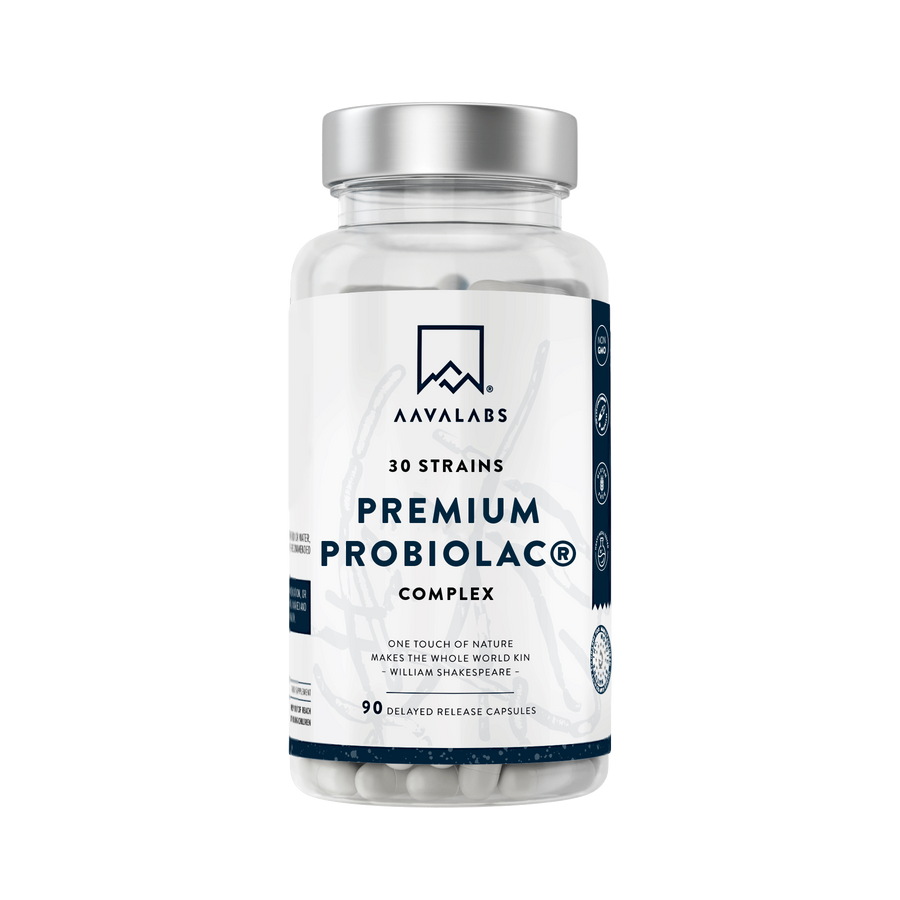
Our Premium Probiolac combines multiple bacterial strains in one formula for people who want to incorporate a probiotic supplement into their everyday nutrition routine.
What Is the Difference Between Probiotics and Prebiotics?
Probiotics and prebiotics are related, but they are not the same thing.
Probiotics are live microorganisms found in certain fermented foods and supplements.
Prebiotics are substances, often particular types of fibre, that can be used by microorganisms within the gut.
Prebiotic fibres occur naturally in many plant foods, including onions, garlic, legumes, oats and certain fruits and vegetables.
However, people with IBS can react differently to fermentable carbohydrates. Foods that support the microbiome in one person may trigger bloating or discomfort in another, making individual tolerance particularly important.
What Is the Low-FODMAP Diet?
FODMAPs are fermentable carbohydrates found naturally in a wide variety of foods. The term stands for fermentable oligosaccharides, disaccharides, monosaccharides and polyols.
Some people with IBS find that certain high-FODMAP foods contribute to symptoms such as bloating, gas or changes in bowel habits.
A low-FODMAP approach usually involves temporarily reducing certain foods before systematically reintroducing them to identify individual triggers.
Because the diet can be restrictive and is not intended to eliminate large groups of foods permanently, it is best followed with guidance from a qualified dietitian or healthcare professional.
What Role Does Vitamin D Play in Digestive Health?
Vitamin D has several established functions within the body, including contributing to the normal function of the immune system and the maintenance of normal muscle function.
Researchers have also investigated vitamin D status in people with IBS. Some studies have observed low vitamin D levels among people with the condition, although this does not establish vitamin D deficiency as the cause of IBS.
If vitamin D deficiency is suspected, testing can help determine vitamin D status and whether supplementation is appropriate.
What Role Do B Vitamins Play?
B vitamins perform a wide variety of functions throughout the body.
Several B vitamins contribute to normal energy-yielding metabolism, while vitamins B6, B12, folate and others have additional established physiological functions.
For example, vitamin B6 contributes to normal psychological function, normal functioning of the nervous system and the normal function of the immune system.
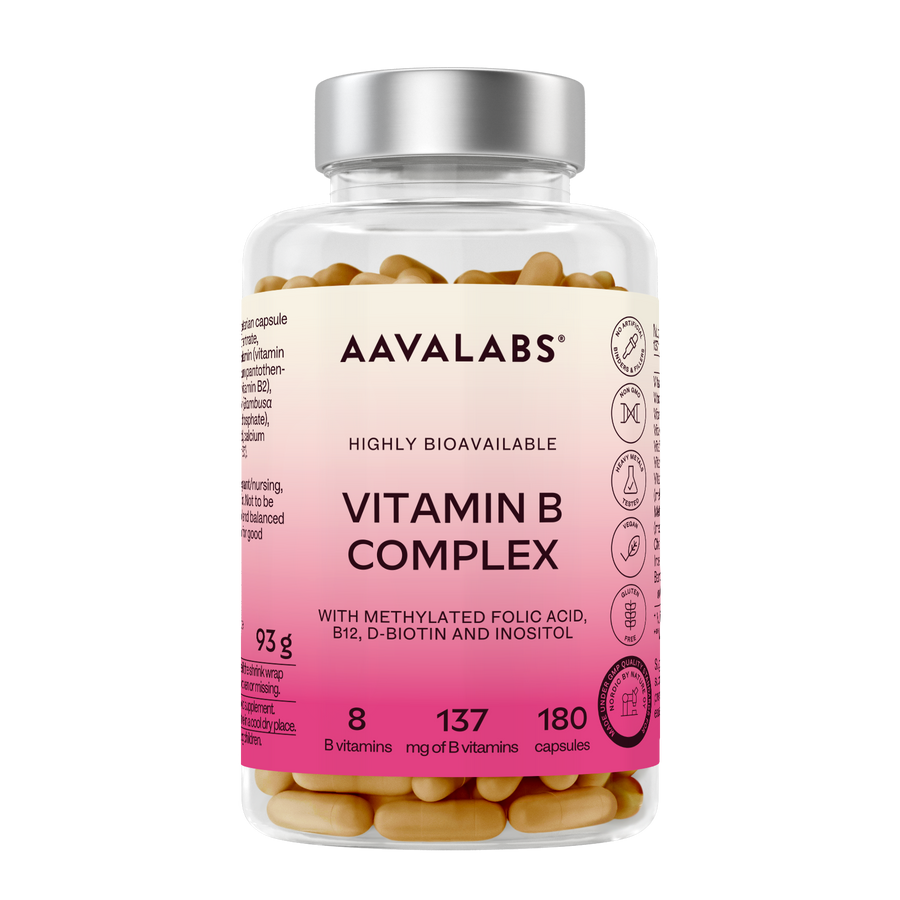
A varied diet remains the foundation for obtaining B vitamins. A Vitamin B Complex can provide multiple B vitamins in one formula when additional dietary supplementation is appropriate.
What About Omega-3 Fatty Acids?
Omega-3 fatty acids are another area of interest in nutrition research.
The best-known long-chain omega-3 fatty acids are EPA and DHA. EPA and DHA contribute to the normal function of the heart, while DHA contributes to the maintenance of normal brain function and normal vision.
Fatty fish is a major dietary source of EPA and DHA. People who do not regularly eat fish can also obtain these fatty acids through fish oil supplements or algae-based omega-3.
Omega-3 fatty acids are being investigated in relation to many aspects of the gut and microbiome, but they should not be considered a treatment for IBS.
Which Foods Can Trigger IBS Symptoms?
There is no universal list of foods that everyone with IBS needs to avoid.
Commonly reported triggers can include certain high-FODMAP foods, alcohol, caffeine, very fatty meals and some spicy foods. Individual responses, however, vary considerably.
Keeping a food and symptom diary can help identify patterns without unnecessarily removing large numbers of foods from your diet.
If major dietary restrictions appear necessary, working with a dietitian can help ensure your diet remains nutritionally balanced.
Which Everyday Habits Can Support Digestive Health?
Supplements are only one part of digestive wellbeing. Everyday habits can be equally important.
- Eat regular, balanced meals.
- Take time to eat rather than rushing meals.
- Drink enough fluids throughout the day.
- Include a variety of plant foods according to your individual tolerance.
- Stay physically active.
- Pay attention to individual food triggers rather than following generic restriction lists.
- Make sleep and stress management part of your routine.
For people with IBS, consistency and individualisation are often more useful than extreme dietary rules or complicated supplement routines.
Should You Take Supplements for IBS?
There is no supplement that treats the underlying cause of IBS for everyone.
Instead, supplementation should be considered within the context of your overall diet, nutritional status and individual symptoms.
Probiotics are one of the most researched supplement categories in relation to IBS, but results vary depending on the strain and individual. Vitamins and minerals can be useful when dietary intake is insufficient or a deficiency has been identified, but they should not automatically be used as IBS treatments.
If you have persistent digestive symptoms, discussing your diet and supplement routine with a doctor or qualified dietitian can help you choose an approach appropriate for your individual situation.
When Should You See a Doctor About IBS Symptoms?
Digestive symptoms should not automatically be assumed to be IBS.
Speak with a healthcare professional if symptoms persist, become significantly worse or interfere with everyday life. Medical assessment is particularly important if digestive symptoms occur alongside unexplained weight loss, blood in the stool or other unusual or severe symptoms.
Getting the correct diagnosis is an important first step before making significant dietary changes or building a supplement routine around digestive symptoms.
A Personalised Approach Matters Most
IBS is complex, and there is rarely one food, supplement or lifestyle change that solves every symptom.
Understanding your individual triggers, maintaining a nutritionally balanced diet and supporting your overall digestive health can provide a much more useful foundation.
Probiotics, vitamin D, B vitamins and omega-3 fatty acids can all have a place within a balanced nutrition routine, but their role should be considered individually rather than as universal IBS remedies.
The goal is not to build the longest possible supplement routine. It is to understand what your body needs and create habits that you can maintain consistently.
Frequently Asked Questions
What Supplements Are Commonly Researched for IBS?
Probiotics are among the most extensively researched supplements in relation to IBS. Research has also investigated nutrients including vitamin D and omega-3 fatty acids. Evidence and individual responses vary, and supplements should not be considered a replacement for appropriate medical care or dietary management.
Which Probiotic Is Best for IBS?
There is no single probiotic strain that is best for everyone with IBS. Probiotic effects can be strain-specific, and different studies use different microorganisms, combinations and amounts. This is why the specific strains in a probiotic are more informative than simply looking at the total bacterial count.
Can Vitamin D Help With IBS?
Researchers have observed that low vitamin D status occurs in some people with IBS, but this does not mean vitamin D deficiency causes IBS or that vitamin D treats the condition. Vitamin D contributes to the normal function of the immune system and has several other established physiological functions. Testing can help identify whether an individual is deficient.
Can Omega-3 Help With IBS?
Omega-3 fatty acids are being researched in relation to gut health and the microbiome, but they are not an established treatment for IBS. EPA and DHA have authorised nutritional functions elsewhere in the body, including contributing to normal heart function.
Are Prebiotics Good for IBS?
Prebiotics provide substrates that can be used by microorganisms in the gut. However, some prebiotic fibres are highly fermentable and can trigger bloating or digestive discomfort in sensitive individuals. People with IBS may therefore respond differently to particular prebiotic foods or supplements.
What Is the Difference Between IBS and IBD?
IBS stands for irritable bowel syndrome, while IBD stands for inflammatory bowel disease. IBD includes conditions such as Crohn's disease and ulcerative colitis and involves measurable inflammation and tissue changes. IBS does not cause the same characteristic intestinal damage, although it can still significantly affect quality of life.
Can Stress Make IBS Symptoms Worse?
Stress can influence digestive symptoms through communication between the brain and digestive system, known as the gut-brain axis. This does not mean IBS is simply psychological. The nervous system and digestive system are biologically interconnected, and stress can influence digestive function in some people.
Should You Avoid Gluten If You Have IBS?
Not everyone with IBS needs to avoid gluten. Some people may react to components of foods that contain gluten, including certain fermentable carbohydrates. Before eliminating gluten long term, it is important to discuss symptoms with a healthcare professional, particularly because coeliac disease should be properly investigated when appropriate.
Is a Low-FODMAP Diet Good for IBS?
A low-FODMAP diet can help identify dietary triggers in some people with IBS. It is generally used as a temporary elimination and structured reintroduction process rather than a permanent highly restrictive diet. Professional guidance can help maintain nutritional adequacy throughout the process.
Can IBS Be Cured With Supplements?
No supplement has been shown to cure IBS. Management usually focuses on understanding individual triggers and using appropriate dietary, lifestyle and medical strategies. Supplements may form part of that approach depending on individual nutritional needs.