Hormones influence many processes throughout the body, from metabolism and sleep to stress responses and reproductive health. But what does “hormone balance” actually mean, and what happens when hormone levels change?
In this guide, we explain how hormones work, common signs that may be associated with hormonal changes and how nutrition, sleep, movement and everyday habits can support your overall hormonal health.
Hormones influence many aspects of our health and wellbeing. These chemical messengers travel through the bloodstream and help coordinate processes ranging from metabolism and sleep to reproduction and the body's response to stress.
But what does it actually mean for hormones to be "balanced"? And how can you support your hormonal health naturally?
In this guide, we explore what hormones are, how they work, common signs associated with hormonal changes and the everyday habits and nutrients that can support your overall wellbeing.
What Are Hormones?
Hormones are chemical messengers produced by glands and tissues throughout the body. They travel through the bloodstream to specific organs and tissues, where they help regulate numerous biological processes.
The endocrine system includes glands such as the thyroid, pituitary and adrenal glands, as well as the pancreas, ovaries and testes.
Different hormones have different functions, and their levels can naturally change throughout the day and across different stages of life.
What Do Hormones Do in the Body?
Hormones are involved in many important processes, including:
- Metabolism and energy use
- Appetite and blood glucose regulation
- Sleep and circadian rhythms
- The body's response to stress
- Growth and development
- Reproductive function
- Mood and emotional wellbeing
Rather than working independently, hormones form part of a complex communication network that helps different systems throughout the body work together.
What Does Hormone Balance Mean?
"Hormone balance" is a popular wellness term, but it can be slightly misleading. There is no single ideal level for all hormones at all times.
Hormone levels naturally fluctuate depending on factors such as age, time of day, menstrual cycle, pregnancy, menopause, sleep and stress.
What matters is whether individual hormones are present and functioning within appropriate physiological ranges for your circumstances.
What Are Common Signs of Hormonal Changes?
Hormonal changes can affect people differently depending on which hormones are involved and what is causing those changes.
Possible symptoms can include:
- Changes in energy or persistent fatigue
- Changes in mood
- Difficulty sleeping
- Changes in appetite or body weight
- Changes in the menstrual cycle
- Changes in skin or hair
- Changes in libido
- Changes in digestion
These symptoms are not specific to hormonal changes and can have many different causes. If symptoms are persistent, unexplained or affecting your everyday life, speak with a healthcare professional who can help determine the underlying cause.
What Can Affect Hormone Levels?
Hormone levels are influenced by a combination of biological, environmental and lifestyle factors.
These can include:
- Age and life stage
- The menstrual cycle
- Pregnancy and menopause
- Sleep patterns
- Stress
- Nutrition
- Physical activity
- Certain health conditions
- Some medications
This complexity is also why there is rarely one simple solution for "balancing hormones".
How Can You Support Hormonal Health Naturally?
You cannot control every fluctuation in your hormones, nor should you try to. However, everyday lifestyle habits can support the normal processes your body relies on.
1. Eat a Balanced and Varied Diet
A varied diet provides the energy, macronutrients, vitamins and minerals required for normal physiological functions.
Build your meals around a combination of vegetables and fruits, whole grains, protein sources and healthy fats. Variety is particularly important because different foods provide different micronutrients.
2. Prioritise Sleep
Sleep and the endocrine system are closely connected. Many hormones follow daily rhythms, while sleep itself is regulated by biological signals including melatonin and cortisol.
A consistent sleep schedule, a relaxing evening routine and sufficient time for rest can therefore form an important part of supporting overall wellbeing.
3. Manage Everyday Stress
When we encounter a stressful situation, the body activates a coordinated stress response involving hormones such as cortisol and adrenaline.
This response is normal. However, making time for recovery is important too.
Walking, spending time outdoors, yoga, breathing exercises, reading or simply taking regular breaks can all help create moments of calm in everyday life.
4. Move Regularly
Regular physical activity supports overall physical and mental wellbeing.
A balanced routine might combine strength training with walking, cycling, swimming, yoga or other activities you enjoy. Recovery is equally important, particularly when exercising frequently or intensely.
Which Nutrients Are Important for Hormonal Health?
No individual vitamin or mineral can simply "balance" all of your hormones. However, certain nutrients contribute to normal physiological functions that are relevant to hormonal and general health.
Vitamin B6
Vitamin B6 contributes to the regulation of hormonal activity. It also contributes to normal psychological function, normal functioning of the nervous system and the reduction of tiredness and fatigue.
Food sources include poultry, fish, potatoes, chickpeas and bananas.
Magnesium
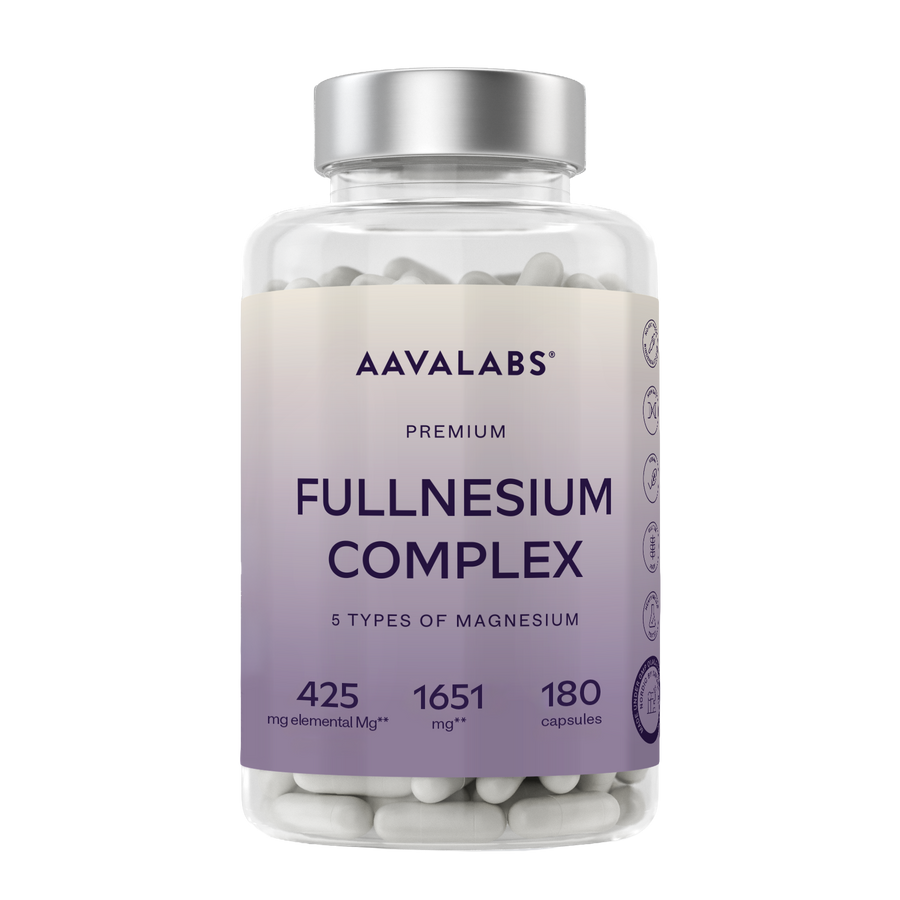
Magnesium contributes to normal psychological function and normal functioning of the nervous system. It also contributes to normal energy-yielding metabolism and the reduction of tiredness and fatigue.
Magnesium can be found naturally in foods such as nuts, seeds, legumes, whole grains and leafy green vegetables.
Zinc
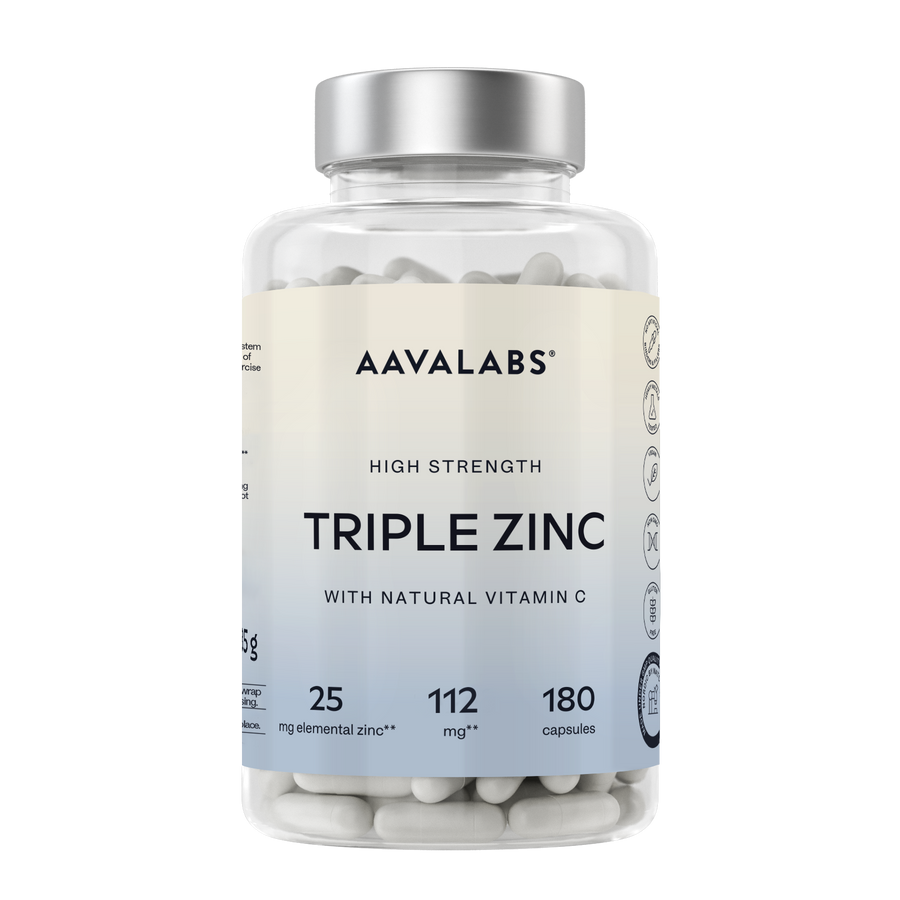
Zinc contributes to normal fertility and reproduction as well as normal cognitive function, normal immune system function and the protection of cells from oxidative stress.
Sources include meat, shellfish, dairy products, legumes, nuts and seeds.
Vitamin D
Vitamin D contributes to the normal function of the immune system and the maintenance of normal bones and muscle function.
The body produces vitamin D when the skin is exposed to sunlight, while smaller amounts can also be obtained through certain foods.
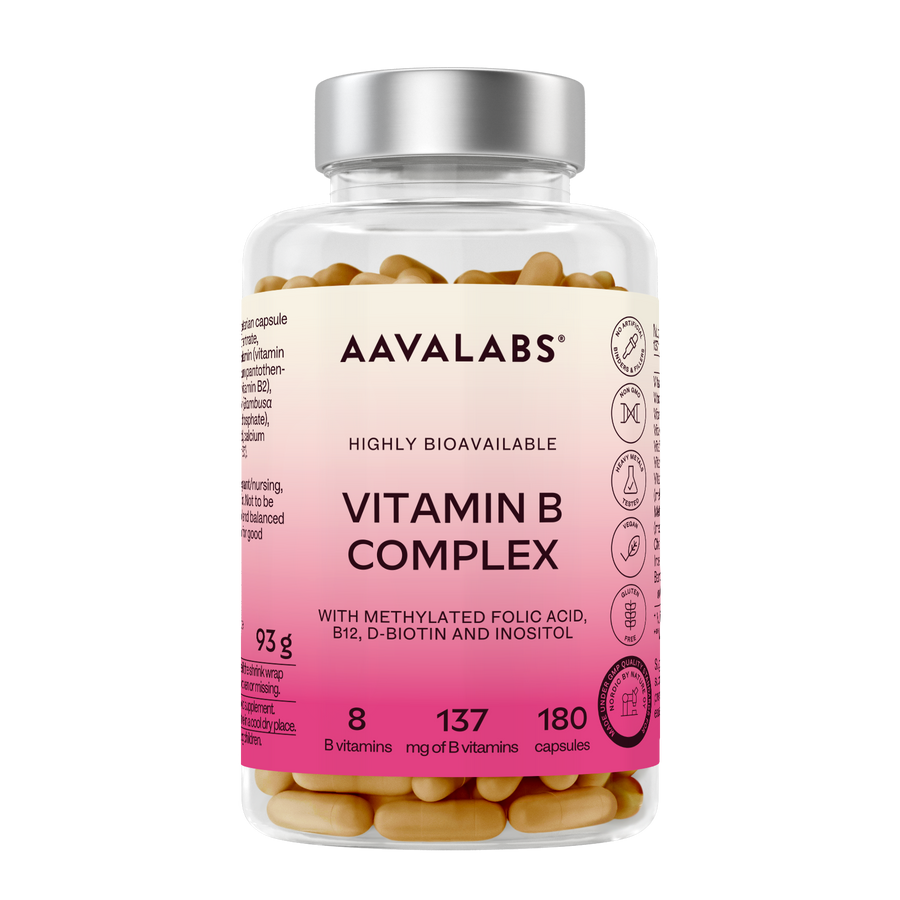
B Vitamins
Different B vitamins perform different functions throughout the body. For example, vitamins B6 and B12 contribute to normal psychological function and normal functioning of the nervous system.
Vitamin B6 also contributes to the regulation of hormonal activity.
Omega-3 Fatty Acids
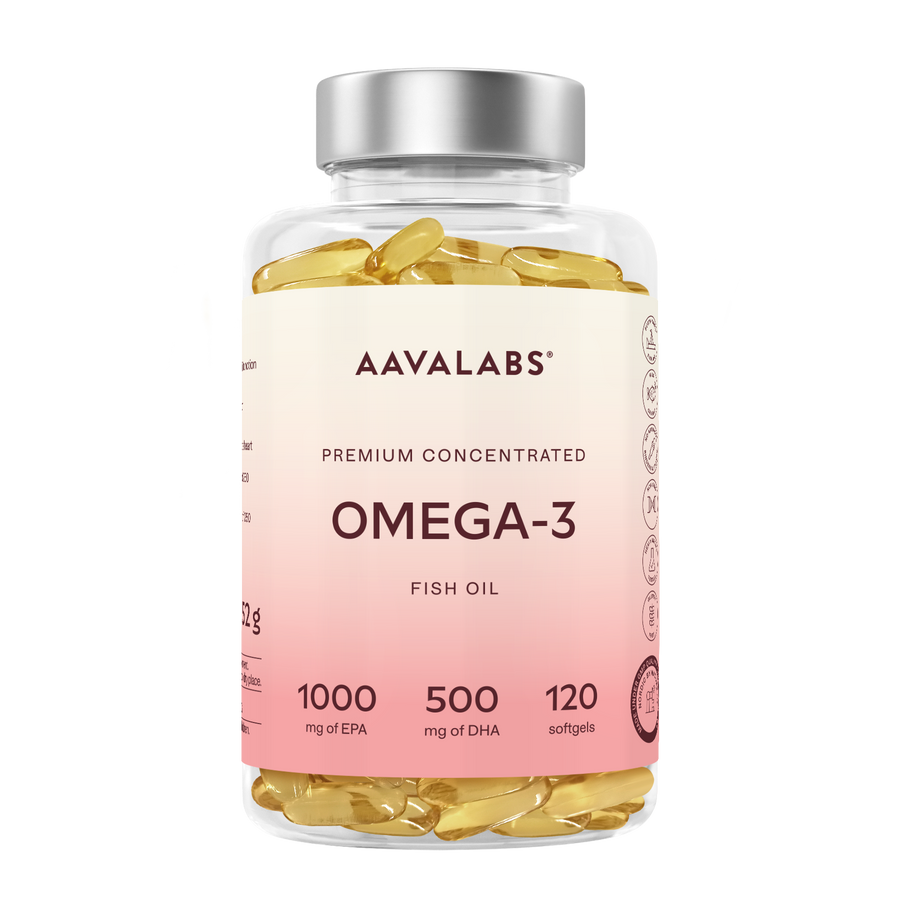
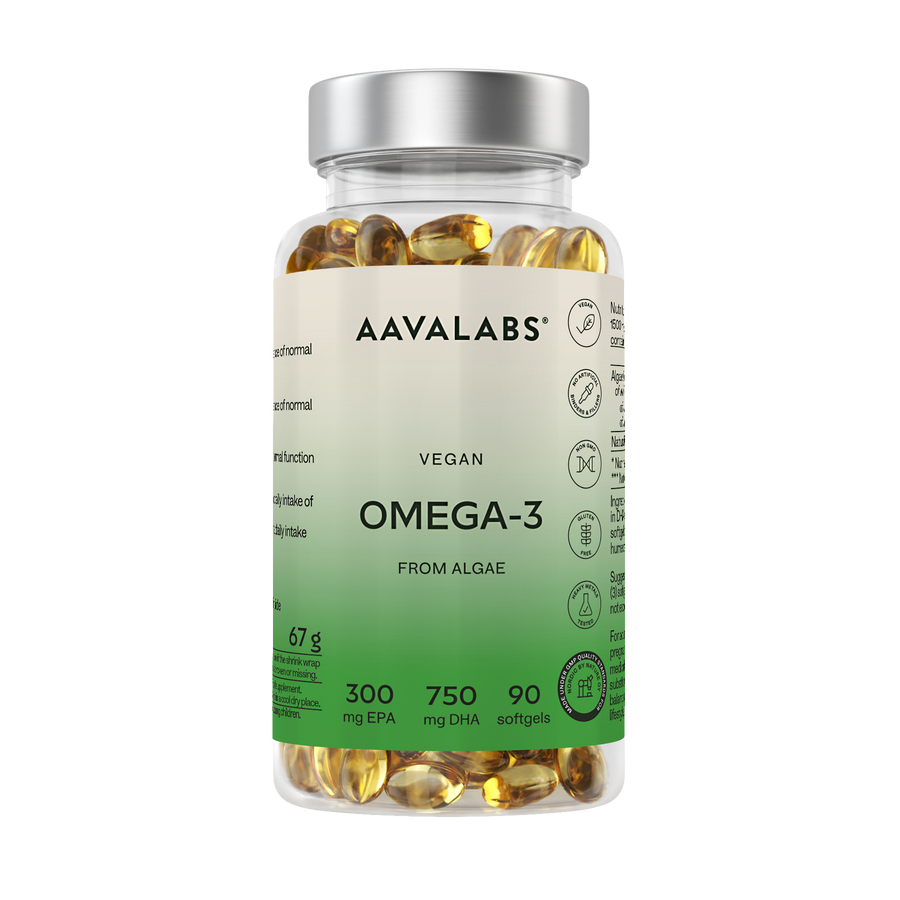
Omega-3 fatty acids include ALA, EPA and DHA. DHA contributes to the maintenance of normal brain function with a daily intake of 250 mg DHA.
EPA and DHA are naturally found in oily fish, while algae provide a plant-based source of long-chain omega-3 fatty acids.
Can Supplements Balance Your Hormones?
Supplements should not be thought of as a way to simply "reset" or "balance" your hormones.
Instead, food supplements can provide specific nutrients when dietary intake is insufficient or supplementation is otherwise appropriate for an individual's nutritional needs.
For example, vitamin B6 has an authorised role in the regulation of hormonal activity, while other nutrients such as magnesium and vitamin B12 contribute to normal psychological function and normal energy-yielding metabolism.
A balanced diet should remain the foundation of your nutrient intake.
Frequently Asked Questions About Hormone Balance
What is hormonal imbalance?
The term "hormonal imbalance" generally refers to a situation in which one or more hormones are present at levels that are inappropriate for an individual's physiological circumstances. Because hormone levels naturally fluctuate, determining whether a genuine hormonal issue exists usually requires appropriate medical assessment.
What are common signs of hormonal changes?
Possible signs can include changes in energy, sleep, mood, appetite, body weight, menstrual cycle, skin, hair or libido. However, these symptoms can have many different causes and do not necessarily indicate a hormonal disorder.
Can diet affect hormonal health?
Nutrition provides the energy and nutrients the body needs for normal physiological functions. Rather than relying on individual "hormone balancing" foods, focus on an overall balanced and varied diet.
Which vitamin helps regulate hormonal activity?
Vitamin B6 contributes to the regulation of hormonal activity. It also contributes to normal psychological function and normal functioning of the nervous system.
Does magnesium balance hormones?
Magnesium should not be described as directly balancing hormones. It contributes to normal psychological function, normal functioning of the nervous system, normal energy-yielding metabolism and the reduction of tiredness and fatigue.
How can I support hormonal health naturally?
A balanced diet, sufficient sleep, regular physical activity and appropriate recovery can all support overall health and wellbeing. Persistent symptoms that may be related to hormonal changes should be discussed with a healthcare professional.
Supporting Your Body Through Hormonal Changes
Hormones form an incredibly complex communication system, and natural fluctuations are part of a healthy body.
Rather than trying to achieve a perfectly static "hormone balance", focus on giving your body the foundations it needs: varied nutrition, regular movement, sufficient sleep and time to recover.
If you experience persistent or unexplained symptoms, a healthcare professional can help determine whether hormones or another factor may be involved.