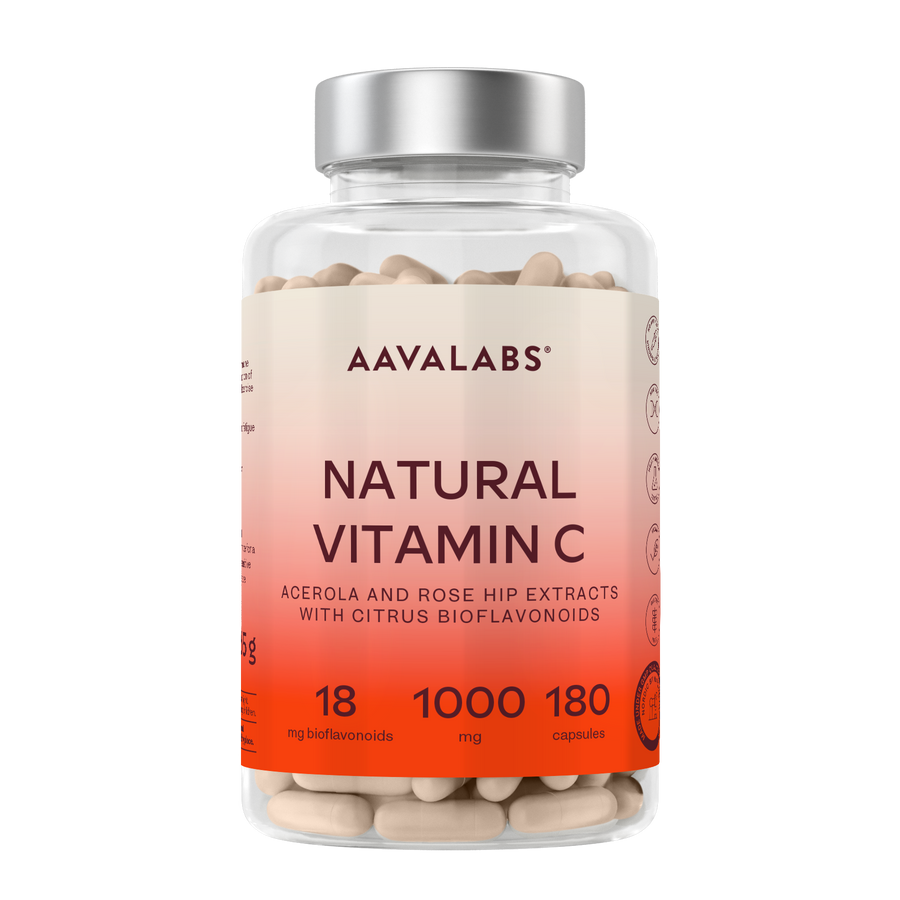
From energy and muscle function to immunity and everyday performance, nutrition plays an important role in men’s health. Discover essential vitamins and minerals for men, what they do in the body, and how healthy habits can support you through different stages of life.
Taking care of your health does not have to mean completely changing your lifestyle. Often, it is the small habits you maintain consistently that make the biggest difference.
A varied diet, regular movement, enough sleep and preventive health checks all form part of a healthy routine. Alongside these habits, getting enough essential vitamins and minerals helps your body function normally throughout different stages of life.
So, which nutrients are particularly worth paying attention to when it comes to men's health? Let’s take a closer look.
Nutrition and Men’s Health
Your nutritional needs depend on many factors, including your age, diet, activity level and lifestyle. There is no single supplement routine that every man needs.
However, certain vitamins and minerals perform important functions related to energy metabolism, muscle function, immunity, cognitive function and protection from oxidative stress.
Understanding these functions can help you make more informed choices about your everyday nutrition.
Supporting Energy and Everyday Performance
Busy schedules, demanding workouts and everyday responsibilities can leave you feeling drained. While vitamins and minerals cannot eliminate stress, several nutrients contribute to processes involved in normal energy metabolism and nervous system function.
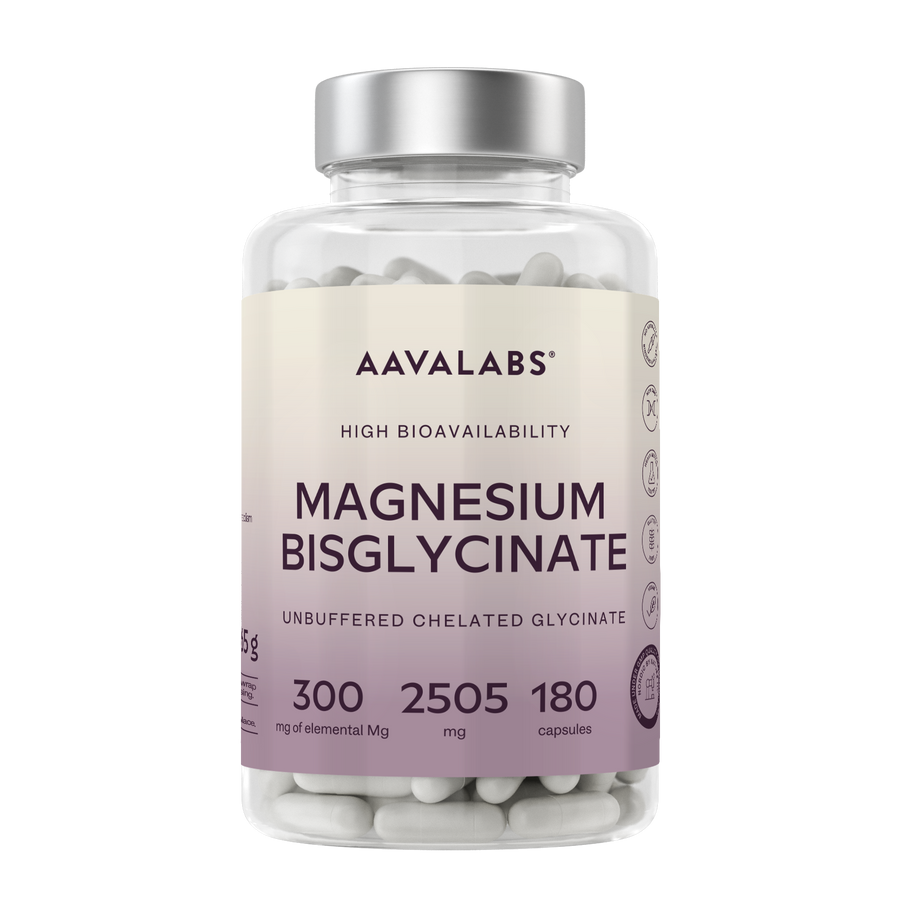
Magnesium
Magnesium is an essential mineral involved in numerous processes throughout the body.
Magnesium contributes to:
- Normal energy-yielding metabolism
- Normal muscle function
- Normal functioning of the nervous system
- Normal psychological function
- Electrolyte balance
- The reduction of tiredness and fatigue
Magnesium can be found naturally in foods including nuts, seeds, whole grains, legumes and leafy green vegetables. A magnesium supplement can also be used to complement your dietary intake.
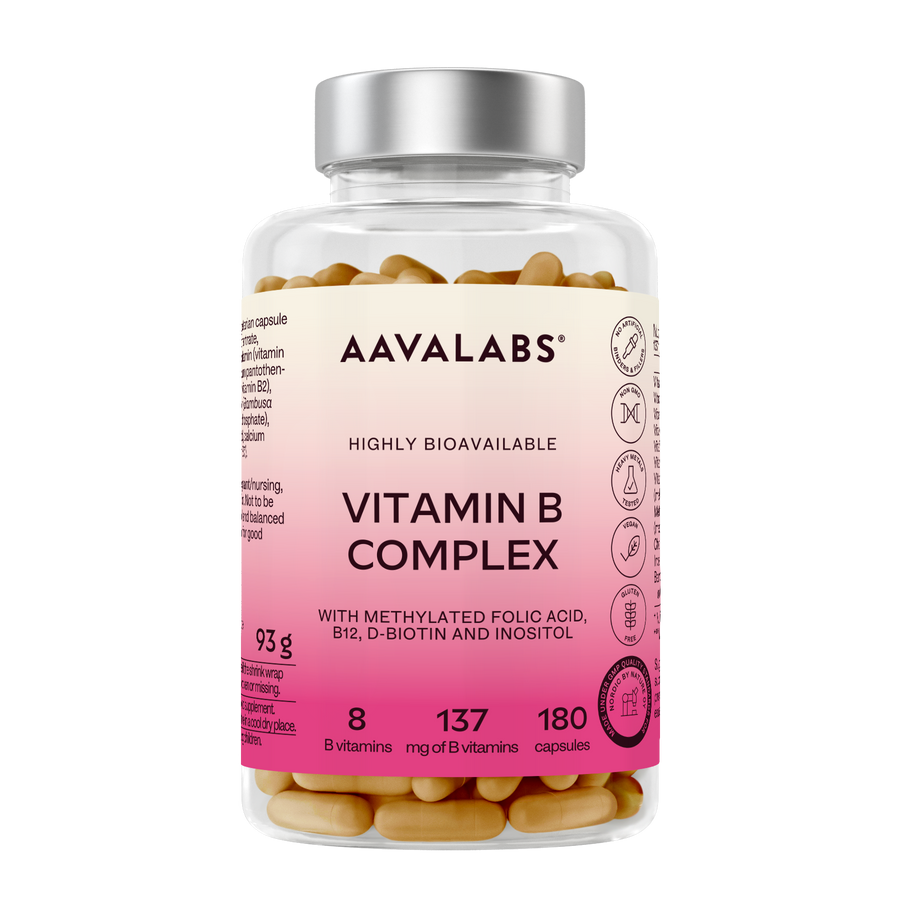
B Vitamins
The B-vitamin family includes eight different vitamins, each performing specific functions within the body.
Several B vitamins contribute to normal energy-yielding metabolism and normal functioning of the nervous system. Vitamins B6 and B12 also contribute to normal psychological function and the reduction of tiredness and fatigue.
Good dietary sources vary depending on the individual B vitamin and include whole grains, eggs, meat, fish, legumes, leafy vegetables and fortified foods.
Supporting Muscle Function and an Active Lifestyle
Maintaining an active lifestyle becomes increasingly important as we get older. Regular resistance training, cardiovascular exercise and sufficient protein intake can all contribute to maintaining physical performance and muscle mass.
Micronutrients also have supporting roles in normal muscle and bone function.
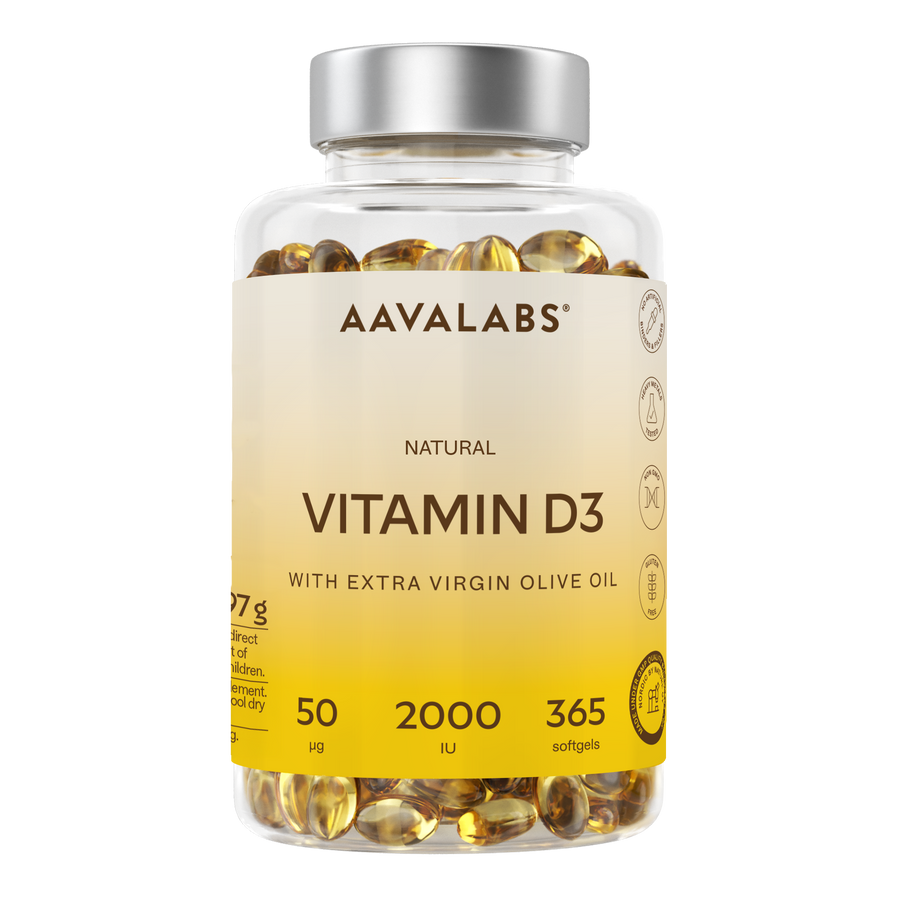
Vitamin D
Vitamin D is particularly important for muscles and bones.
Vitamin D contributes to:
- The maintenance of normal muscle function
- The maintenance of normal bones
- Normal absorption and utilisation of calcium and phosphorus
- Normal function of the immune system
Your body can produce vitamin D when your skin is exposed to sunlight. Dietary sources include oily fish, egg yolks and fortified foods.
Vitamin D supplementation can be particularly relevant when sun exposure or dietary intake is insufficient.
Magnesium
Magnesium also contributes to normal muscle function and normal protein synthesis, making it an important mineral within an active lifestyle.
It additionally contributes to the maintenance of normal bones and normal energy-yielding metabolism.
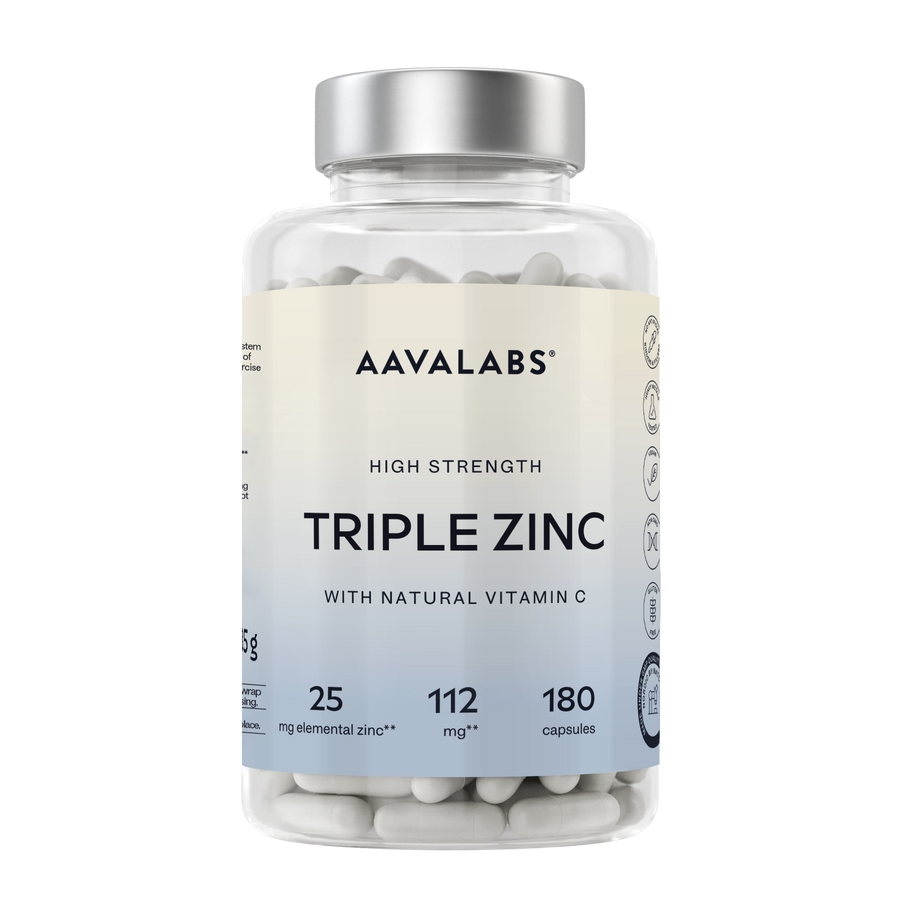
Zinc: An Important Mineral for Men
Zinc is an essential trace mineral involved in many different functions throughout the body.
It is particularly relevant to men's nutrition because zinc contributes to the maintenance of normal testosterone levels in the blood.
Zinc also contributes to:
- Normal fertility and reproduction
- Normal cognitive function
- Normal function of the immune system
- The maintenance of normal bones
- Normal protein synthesis
- The protection of cells from oxidative stress
Natural sources of zinc include meat, shellfish, dairy products, seeds, nuts and legumes.
What About Testosterone?
Testosterone is an important hormone involved in male reproductive health and other physiological processes.
Rather than looking for individual nutrients to “boost” testosterone, it is more useful to focus on maintaining an overall healthy lifestyle and sufficient intake of essential nutrients.
Zinc contributes to the maintenance of normal testosterone levels in the blood. This does not mean that consuming additional zinc will increase testosterone beyond normal levels.
Regular physical activity, sufficient sleep, a balanced diet and maintaining a healthy body composition are also important components of overall health.
Supporting Fertility and Reproductive Health
Nutrition also plays a role in normal reproductive function.
Zinc contributes to normal fertility and reproduction, while selenium contributes to normal spermatogenesis.
Both zinc and selenium additionally contribute to the protection of cells from oxidative stress.
Selenium can be found in foods including fish, eggs, meat and certain nuts, while zinc is present in foods such as meat, shellfish, seeds and legumes.
Supporting the Immune System
A healthy immune system depends on a wide range of nutrients rather than one single vitamin or mineral.
Several nutrients contribute to the normal function of the immune system, including:
- Vitamin C
- Vitamin D
- Vitamin B6
- Vitamin B12
- Folate
- Zinc
- Selenium
A varied diet containing plenty of fruit, vegetables, whole grains, protein sources and healthy fats can help provide these nutrients.
Protecting Cells from Oxidative Stress
Oxidative stress occurs when there is an imbalance between free radicals and the body's antioxidant defences.
Several micronutrients contribute to the protection of cells from oxidative stress, including vitamin C, vitamin E, zinc and selenium.
These nutrients can be obtained through a varied diet containing foods such as fruits, vegetables, nuts, seeds, whole grains, fish and other protein sources.
Do Men Need Supplements?
Not necessarily. Supplements are designed to complement a balanced diet rather than replace one.
Whether supplementation makes sense depends on factors such as your diet, age, lifestyle and individual nutritional needs.
When choosing a supplement, look for transparent ingredient information and clearly stated nutrient quantities. More is not always better, so pay attention to the recommended daily intake.
Healthy Habits Matter Too
Vitamins and minerals are only one part of men's health. Building a few sustainable habits can make taking care of yourself much easier.
- Move regularly and include strength training in your routine
- Eat a varied and balanced diet
- Prioritise sufficient sleep and recovery
- Limit excessive alcohol consumption
- Avoid smoking
- Make time for relaxation and activities you enjoy
- Attend appropriate preventive health screenings and check-ups
Build a Routine That Supports You
Taking care of your health is not about finding one perfect vitamin or completely transforming your routine overnight.
Magnesium, zinc, selenium, vitamin D and B vitamins all perform important functions in the body, but they work as part of a much bigger picture.
Start with the foundations: nutritious food, regular movement, good sleep and preventive care. Then consider whether your diet provides the nutrients you need and where supplementation may help complement your routine.
Small choices, repeated consistently, can become the foundation of a healthier lifestyle at every stage of life.