Electrolytes may help with fatigue when tiredness is linked to dehydration or significant fluid and mineral loss. Discover how electrolytes support hydration, energy metabolism and muscle function, when they may be useful and when water alone is enough.
Feeling drained, sluggish or unusually tired? Sometimes the first instinct is to reach for another coffee. But if you've been exercising, sweating heavily or simply haven't been drinking enough, hydration and electrolyte balance may also be part of the picture.
Electrolytes are minerals including sodium, potassium, magnesium, calcium and chloride. They help regulate essential processes throughout the body, including fluid balance, muscle contraction and nerve function.
When you lose significant amounts of fluid and electrolytes through sweat, heat, exercise or illness, fatigue and weakness can occur alongside other signs of dehydration.
But does that mean an electrolyte drink will fix your tiredness?
Not necessarily. Electrolytes may help when fatigue is related to dehydration or electrolyte loss, but they are not a general treatment for low energy.
In this guide, we'll look at how electrolytes work, why dehydration can make you tired, which electrolytes matter most, when supplementation may be useful and when persistent fatigue deserves a closer look.
Quick Answer
Electrolytes may help with fatigue when tiredness is associated with dehydration or significant electrolyte losses, such as after prolonged exercise, heavy sweating, hot weather, vomiting or diarrhoea.
Electrolytes including sodium, potassium and magnesium support normal fluid balance, muscle function and nervous system activity. Magnesium also contributes to normal energy-yielding metabolism and the reduction of tiredness and fatigue.
However, fatigue has many possible causes. Poor sleep, inadequate calorie intake, iron deficiency, stress, illness and other health conditions can all contribute to low energy.
If you're already adequately hydrated and getting enough electrolytes through your diet, taking additional electrolytes is unlikely to provide an instant energy boost.
In This Guide
- What electrolytes are
- Whether electrolytes can help fatigue
- Why dehydration can make you tired
- Signs you may need more fluids and electrolytes
- Which electrolytes are most important
- Whether electrolytes give you energy
- Electrolytes and exercise
- Electrolytes in hot weather
- Whether you need electrolytes without exercising
- Water vs electrolyte drinks
- How to get electrolytes through food
- When electrolyte supplements may be useful
- Other common causes of fatigue
- AAVALABS Electrolytes
- Common electrolyte myths
- When to speak to a healthcare professional
- Frequently asked questions
Key Takeaways
- Electrolytes are electrically charged minerals that support fluid balance, nerve signalling and muscle function.
- Sodium, potassium, magnesium, calcium and chloride are among the body's main electrolytes.
- Significant fluid and electrolyte losses may contribute to fatigue, weakness, headaches and reduced physical performance.
- Electrolytes may be particularly useful after prolonged exercise, heavy sweating, exposure to heat or other situations involving substantial fluid loss.
- Magnesium contributes to normal energy-yielding metabolism and the reduction of tiredness and fatigue.
- Electrolytes do not provide energy like carbohydrates or act as stimulants like caffeine.
- Water is usually sufficient for everyday hydration when combined with a balanced diet.
- More electrolytes are not automatically better. Excessive intake of certain minerals can be harmful.
- Persistent or unexplained fatigue should not automatically be attributed to dehydration or low electrolytes.
What Are Electrolytes?
Electrolytes are minerals that carry an electrical charge when dissolved in body fluids such as blood.
The main electrolytes in the human body include:
- Sodium
- Potassium
- Magnesium
- Calcium
- Chloride
- Phosphate
- Bicarbonate
These minerals are involved in essential physiological processes including:
- Maintaining normal fluid balance
- Supporting muscle contraction
- Transmitting nerve signals
- Maintaining normal cellular function
- Supporting normal blood pressure
- Helping regulate acid-base balance
Your body carefully controls electrolyte concentrations because both excessively low and excessively high levels can interfere with normal physiological function.
You obtain electrolytes naturally through food and drinks and lose them primarily through urine and sweat.
Electrolytes aren't simply something found in sports drinks. They are essential minerals your body uses every day to maintain normal physiological function.
Why Do We Lose Electrolytes Through Sweat?
Sweating is one of the body's primary mechanisms for regulating temperature.
Sweat contains both water and electrolytes, with sodium and chloride generally being lost in the greatest quantities. Smaller amounts of potassium, magnesium and calcium are also lost.
How much you lose depends on factors including:
- How much you sweat
- Exercise intensity and duration
- Temperature and humidity
- Clothing
- Acclimatisation to heat
- Individual physiology
This means electrolyte requirements can vary considerably from one person to another.
Someone completing a long run in hot weather may lose considerably more fluid and sodium than someone taking a short walk in cool conditions.
Can Electrolytes Help With Fatigue?
Yes, electrolytes may help when fatigue is related to dehydration or significant electrolyte loss.
When you sweat, you lose both water and minerals. If these losses aren't adequately replaced, dehydration can develop.
Fatigue, weakness and reduced exercise performance can occur alongside dehydration, particularly when fluid losses become significant.
Replacing fluids is therefore the first priority. In situations involving substantial sweating or prolonged fluid loss, replacing electrolytes alongside water may also be useful.
Magnesium is particularly relevant in this context because it contributes to normal electrolyte balance, normal energy-yielding metabolism and the reduction of tiredness and fatigue.
However, this doesn't mean electrolytes work as an energy supplement.
If you're tired because you slept for five hours, haven't eaten enough or are experiencing iron deficiency, an electrolyte drink won't address the underlying cause.
Electrolytes are most likely to help fatigue when dehydration or electrolyte loss is actually contributing to the problem. They won't correct every cause of tiredness.
Why Can Dehydration Make You Feel Tired?
Water is involved in virtually every physiological process in the body.
When fluid intake doesn't keep up with fluid losses, the volume of water in the body decreases. This can affect circulation, temperature regulation and physical performance.
Possible symptoms of dehydration include:
- Thirst
- Dry mouth
- Darker urine
- Reduced urine output
- Headache
- Dizziness
- Difficulty concentrating
- Fatigue
- Weakness
- Reduced physical performance
During exercise, dehydration may also make physical activity feel harder because the cardiovascular system has to work harder to transport blood and regulate body temperature.
Even relatively modest fluid losses may therefore influence how energetic and capable you feel.
Feeling tired doesn't automatically mean you're dehydrated. Fatigue is extremely common and can have many different causes.
What Are Signs You May Need More Fluids and Electrolytes?
Your body's needs depend on the situation.
You may need to pay particular attention to hydration when you have:
- Exercised for a prolonged period
- Sweated heavily
- Spent significant time outdoors in hot weather
- Used a sauna
- Experienced vomiting or diarrhoea
- Been unable to drink normally
- Noticed unusually dark urine alongside thirst
- Completed prolonged endurance activity
Heavy sweating can be especially relevant because drinking water replaces fluid but doesn't necessarily replace all of the sodium and other minerals lost through sweat.
However, symptoms such as fatigue, headaches or muscle cramps are not specific to electrolyte deficiency and should not be used to diagnose one.
Which Electrolytes Are Most Important for Fatigue?
Different electrolytes perform different roles, so there isn't one universal “best electrolyte” for tiredness.
Magnesium
Magnesium contributes to:
- Normal energy-yielding metabolism
- The reduction of tiredness and fatigue
- Electrolyte balance
- Normal muscle function
- Normal functioning of the nervous system
- Normal psychological function
This makes magnesium particularly relevant when discussing energy metabolism and electrolyte balance.
Food sources of magnesium include:
- Nuts
- Seeds
- Whole grains
- Legumes
- Green leafy vegetables
Potassium
Potassium contributes to:
- Normal muscle function
- Normal functioning of the nervous system
- Maintenance of normal blood pressure
Potassium is found naturally in many foods, including:
- Potatoes
- Bananas
- Beans and lentils
- Vegetables
- Dried fruit
- Avocado
Sodium
Sodium is one of the main electrolytes involved in fluid balance and is the electrolyte typically lost in the greatest quantities through sweat.
Most people obtain sufficient sodium through their normal diet. However, requirements may increase temporarily when sweat losses are particularly high.
Calcium
Calcium is best known for its role in maintaining normal bones and teeth, but it also contributes to:
- Normal muscle function
- Normal neurotransmission
- Normal energy-yielding metabolism
Dairy products, fortified plant-based alternatives, certain leafy vegetables and some nuts and seeds provide dietary calcium.
Electrolytes work together. Focusing on one mineral in isolation doesn't necessarily reflect how fluid and electrolyte balance works in the body.
Do Electrolytes Give You Energy?
No. Electrolytes don't provide calories and therefore don't supply energy in the same way carbohydrates, fats and proteins do.
They also don't stimulate the central nervous system like caffeine.
Instead, certain electrolytes participate in physiological processes involved in energy metabolism, muscle function and nerve signalling.
Magnesium, for example, contributes to normal energy-yielding metabolism and the reduction of tiredness and fatigue.
If dehydration is making you feel sluggish, restoring your normal fluid balance may make you feel more energetic again. But that's different from electrolytes directly “giving” you energy.
Electrolytes support normal body function. They aren't stimulants or a substitute for sleep, food and recovery.
Do Electrolytes Help With Fatigue After Exercise?
Electrolytes may be particularly relevant after prolonged or strenuous exercise that causes substantial sweating.
During exercise, the body loses:
- Water
- Sodium
- Chloride
- Smaller quantities of potassium, magnesium and calcium
For shorter or lower-intensity workouts, water and normal meals are often sufficient to replace these losses.
Electrolyte replacement becomes more relevant when:
- Exercise lasts for a prolonged period
- You're exercising in hot or humid conditions
- You're a particularly heavy or salty sweater
- You're completing endurance events
- You have multiple training sessions in a short period
- Recovery time before your next session is limited
Nutrition matters too.
If you're exhausted after a demanding workout, your body may need carbohydrates, protein, fluids, electrolytes and rest rather than simply more minerals.
Do Electrolytes Help in Hot Weather?
Electrolyte needs may increase during prolonged exposure to hot weather because your body sweats more to regulate temperature.
If you're outside for hours, exercising in the heat or sweating heavily, replacing fluids becomes particularly important.
Electrolytes may also be useful when sweat losses are substantial.
However, it's important not to wait until you're severely thirsty or feeling unwell before drinking.
Symptoms such as confusion, fainting, severe weakness or an inability to keep fluids down require medical attention rather than simply an electrolyte drink.
Do You Need Electrolytes If You Don't Exercise?
Everyone needs electrolytes, but not everyone needs an electrolyte supplement.
Electrolytes are essential minerals required for everyday physiological function regardless of whether you exercise.
However, a varied diet normally provides electrolytes through foods such as:
- Fruits and vegetables
- Whole grains
- Nuts and seeds
- Legumes
- Dairy products
- Fish
- Meat
- Salted foods
For most people going about a normal day without excessive sweating or fluid loss, drinking water and eating a balanced diet is usually enough.
An electrolyte supplement isn't automatically necessary simply because you have a busy day or feel tired.
Water vs Electrolytes: Which Is Better for Hydration?
For normal everyday hydration, water is generally sufficient when combined with a balanced diet.
Electrolyte drinks become more useful when you're replacing substantial fluid and mineral losses.
| Situation | Water | Electrolytes may be useful |
|---|---|---|
| Normal working day | ✓ | Usually unnecessary |
| Short, light workout | ✓ | Usually unnecessary |
| Long endurance workout | ✓ | ✓ |
| Heavy sweating | ✓ | ✓ |
| Hot weather with significant sweating | ✓ | ✓ |
| Sauna with substantial sweating | ✓ | May be useful |
| Vomiting or diarrhoea | Fluids essential | Oral rehydration may be appropriate |
For significant dehydration caused by illness, specially formulated oral rehydration solutions are different from standard sports or electrolyte drinks and contain specific proportions of water, electrolytes and glucose.
How Can You Get Electrolytes Naturally?
You don't need a supplement to obtain electrolytes.
A balanced diet naturally contains all of the major electrolyte minerals.
Magnesium-Rich Foods
- Almonds
- Pumpkin seeds
- Whole grains
- Beans
- Spinach
- Dark chocolate
Potassium-Rich Foods
- Potatoes
- Bananas
- Avocados
- Beans
- Lentils
- Tomatoes
- Dried fruit
Calcium-Rich Foods
- Milk
- Yoghurt
- Cheese
- Calcium-fortified plant drinks
- Certain leafy green vegetables
Sodium and Chloride
Salt – sodium chloride – is the main dietary source.
Because many diets already contain relatively high amounts of salt, most people don't need to deliberately increase sodium intake during everyday life.
Electrolyte supplements can be convenient in certain situations, but a varied diet remains the foundation for meeting everyday mineral requirements.
When Might an Electrolyte Supplement Be Useful?
Electrolyte supplementation may be useful when fluid and mineral losses are greater than usual.
Examples include:
- Prolonged endurance exercise
- Heavy sweating
- Training in hot or humid conditions
- Long hikes
- Extended sauna sessions
- Travel or activities in very hot climates
- Situations involving increased fluid loss
The ideal amount depends on how much fluid and electrolytes you're actually losing.
More isn't necessarily better.
People with certain medical conditions, particularly kidney or heart conditions, or those taking medications that affect electrolyte balance should speak with a healthcare professional before substantially increasing their intake of electrolyte minerals.
What Else Can Cause Fatigue?
Fatigue is one of the most non-specific symptoms we experience.
Possible causes include:
- Insufficient sleep
- Poor sleep quality
- Stress
- Inadequate calorie intake
- Low carbohydrate availability
- Iron deficiency
- Vitamin B12 or folate deficiency
- Illness or infection
- Thyroid disorders
- Certain medications
- Excessive training without sufficient recovery
- Mental health conditions
- Other underlying medical conditions
This is why it's useful to look at the context.
Feeling exhausted after a long run on a hot summer day is very different from experiencing unexplained fatigue every day for several weeks.
Hydration is one piece of the energy puzzle. Sleep, nutrition, physical activity, recovery and overall health matter too.
Can Supplements Support Energy and Electrolyte Balance?
Supplements can help provide specific nutrients when dietary intake is inadequate or requirements are temporarily increased.
When discussing electrolytes and fatigue, magnesium is particularly relevant.
Magnesium
Magnesium contributes to:
- Electrolyte balance
- Normal energy-yielding metabolism
- The reduction of tiredness and fatigue
- Normal muscle function
- Normal nervous system function
Potassium
Potassium contributes to normal muscle function and normal functioning of the nervous system.
Calcium
Calcium contributes to normal energy-yielding metabolism, muscle function and neurotransmission.
However, supplements shouldn't be used to compensate for inadequate sleep, insufficient nutrition or unexplained chronic fatigue.
Supplements work best when they address an actual nutritional or physiological need. They should complement a varied diet, adequate hydration and a healthy lifestyle.
AAVALABS Electrolytes: Hydration Your Way
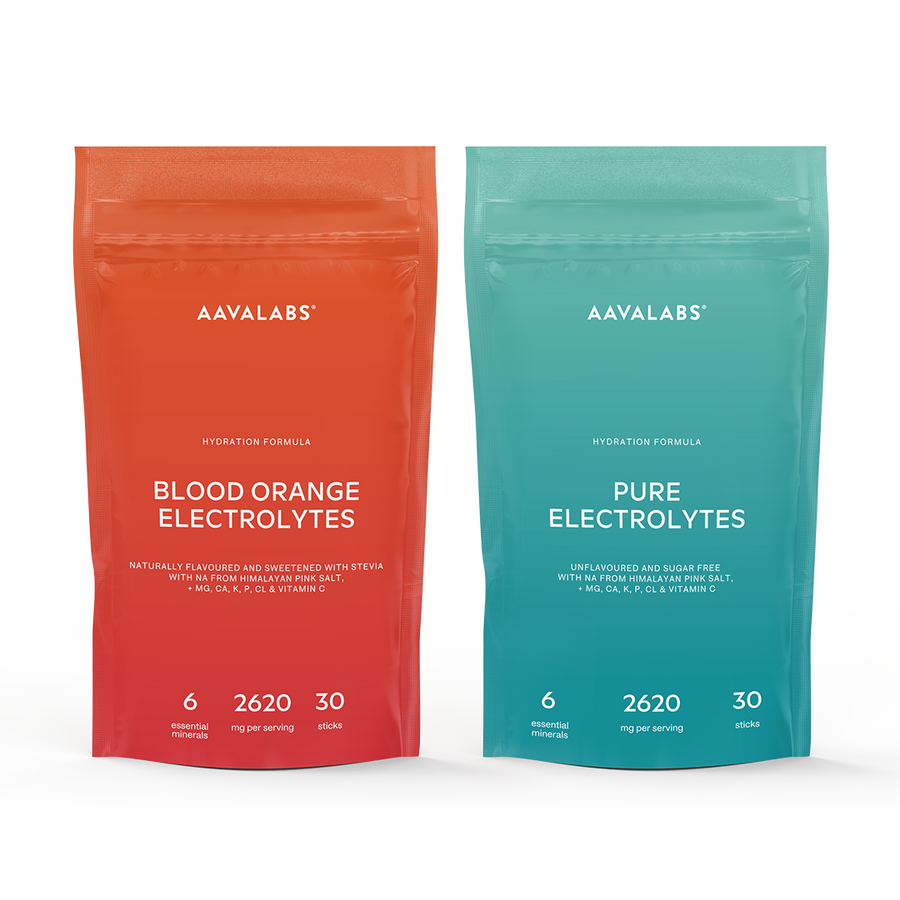
If you're looking for a convenient way to replenish key minerals around exercise, active days or periods of increased sweating, AAVALABS offers two electrolyte formulas to make hydration easy.
Both formulas provide 2,620 mg of key electrolytes per serving, combining sodium from Himalayan pink salt with magnesium, potassium, calcium, phosphorus and chloride, alongside vitamin C.
Magnesium contributes to electrolyte balance, normal energy-yielding metabolism, normal muscle function and the reduction of tiredness and fatigue.
Both formulas come in convenient individual sticks and are designed to be mixed with 500 ml of cold water.
Pure Electrolytes
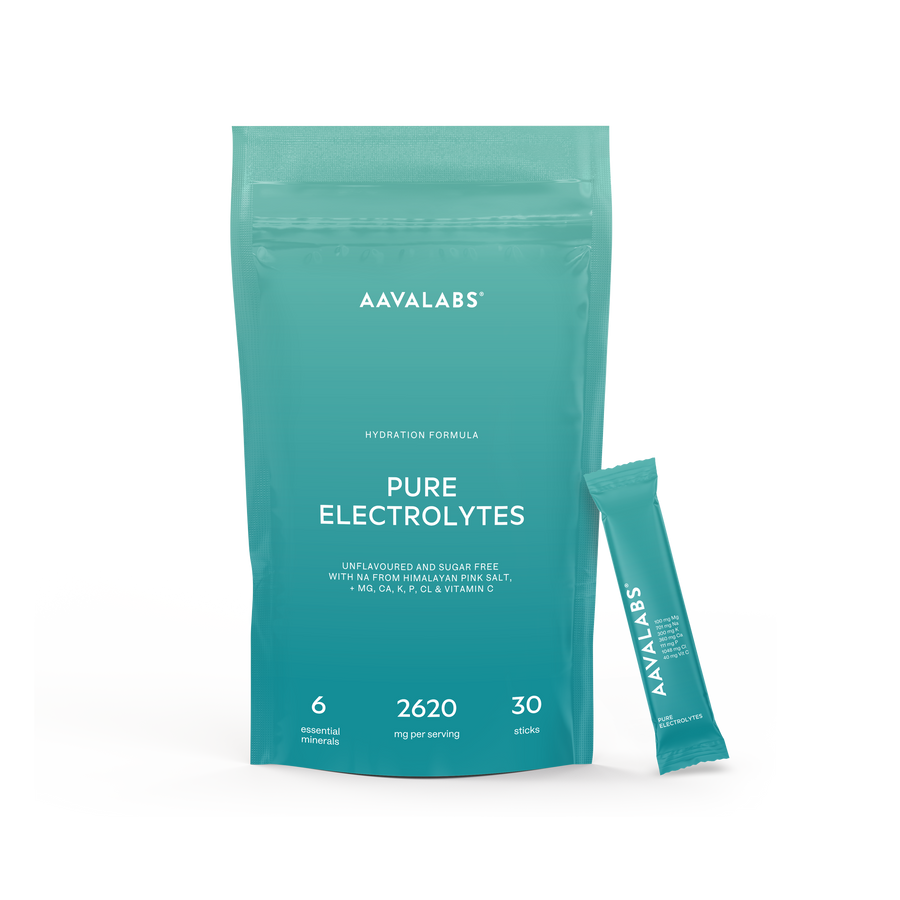
AAVALABS Pure Electrolytes are a simple option for anyone who prefers an unflavoured electrolyte drink.
The formula contains:
- Sodium from Himalayan pink salt
- Potassium
- Magnesium
- Calcium
- Phosphorus
- Chloride
- Vitamin C
It's unflavoured, sugar-free and free from unnecessary additives, making it easy to add to your hydration routine before, during or after physical activity.
Blood Orange Electrolytes
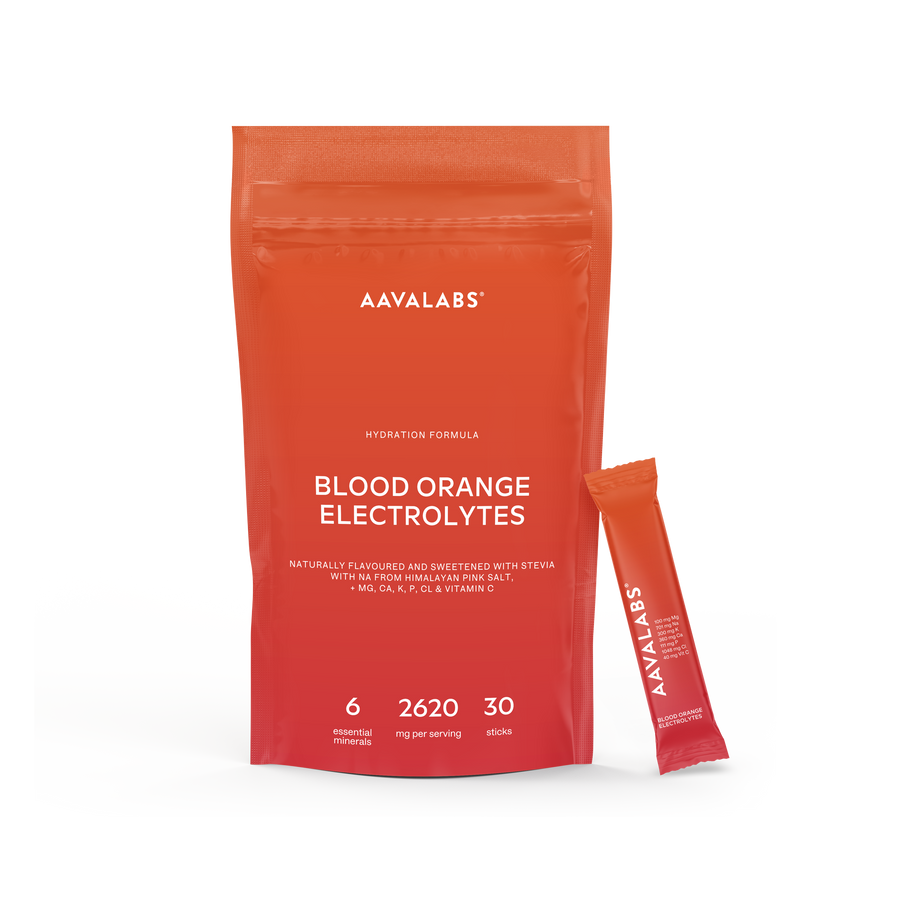
Prefer a refreshing flavour? AAVALABS Blood Orange Electrolytes offer a flavourful alternative while providing key electrolyte minerals for your hydration routine.
The convenient stick format makes them easy to use around workouts, outdoor activities, travel or other situations where you're sweating more than usual.
Simply mix one stick with cold water for an easy electrolyte drink whenever increased fluid and mineral losses make additional electrolyte intake relevant.
Discover Blood Orange Electrolytes
Food supplements should not be used as a substitute for a varied and balanced diet and a healthy lifestyle. If you are pregnant, breastfeeding, taking medication or have a medical condition, consult a healthcare professional before use.
Common Myths About Electrolytes
Myth: Electrolytes give you instant energy.
Fact: Electrolytes don't contain energy unless the drink also contains calories from ingredients such as carbohydrates. They support normal physiological processes rather than acting as stimulants.
Myth: Everyone should drink electrolytes every day.
Fact: Most people can obtain sufficient electrolytes through food and normal hydration. Supplementation becomes more relevant when fluid and mineral losses increase.
Myth: More electrolytes mean better hydration.
Fact: Your body regulates electrolytes within specific ranges. Excessive intake isn't beneficial and can sometimes be harmful.
Myth: You need electrolytes after every workout.
Fact: After a short or low-intensity workout, water and a normal meal may be perfectly adequate. Electrolyte replacement becomes more relevant after prolonged or sweat-heavy exercise.
Myth: Muscle cramps always mean you're low in electrolytes.
Fact: Exercise-associated muscle cramps are complex and may involve neuromuscular fatigue, exercise intensity and other factors. They don't automatically indicate an electrolyte deficiency.
Electrolyte products can be useful tools, but they shouldn't turn normal hydration into something unnecessarily complicated. Your needs depend on your diet, activity, environment and individual fluid losses.
When Should You See a Doctor About Fatigue?
Occasional tiredness is normal, particularly after poor sleep, strenuous exercise or a demanding day.
However, speak to a healthcare professional if fatigue:
- Persists for several weeks
- Is becoming progressively worse
- Significantly interferes with everyday activities
- Occurs without an obvious explanation
- Is accompanied by unexplained weight loss or gain
- Occurs alongside shortness of breath, fainting or heart palpitations
- Is accompanied by other new or concerning symptoms
Severe dehydration, confusion, fainting or an inability to keep fluids down may require urgent medical assessment.
In Summary
Electrolytes may help with fatigue when tiredness is related to dehydration or significant fluid and mineral losses.
Sodium, potassium, magnesium, calcium and chloride all play important roles in normal physiological function. Magnesium is particularly relevant to energy because it contributes to normal energy-yielding metabolism and the reduction of tiredness and fatigue.
Electrolyte replacement may be particularly useful after prolonged exercise, heavy sweating or extended exposure to heat.
However, electrolytes aren't an instant energy solution.
For everyday hydration, water and a balanced diet are often sufficient. And if fatigue is persistent or unexplained, it's important to consider sleep, nutrition, iron status, stress, recovery and potential underlying health conditions rather than assuming you simply need more electrolytes.
Frequently Asked Questions
Can low electrolytes make you tired?
Significant electrolyte disturbances may be associated with fatigue or weakness. However, tiredness has many possible causes and cannot be used on its own to identify an electrolyte imbalance.
Which electrolyte is best for fatigue?
There isn't one electrolyte that universally treats fatigue. Magnesium contributes to normal energy-yielding metabolism and the reduction of tiredness and fatigue, while sodium, potassium and other electrolytes perform different important physiological functions.
Do electrolytes give you energy?
No. Electrolytes don't provide calories or act as stimulants. They support processes including fluid balance, muscle function and nerve signalling.
Do electrolytes help after exercise?
They can be useful, particularly after prolonged exercise or heavy sweating. Shorter workouts may only require water and a normal balanced meal afterwards.
Do electrolytes help with dehydration?
Electrolytes can support rehydration when both water and minerals have been lost. The appropriate approach depends on the degree and cause of dehydration.
Should you drink electrolytes every day?
Not necessarily. Most people can meet their normal electrolyte needs through food and regular hydration. Daily supplementation depends on factors such as activity, climate, diet and individual fluid losses.
Can you drink too many electrolytes?
Yes. Excessive intake of certain electrolytes can be harmful. This is particularly important for people with kidney, cardiovascular or other medical conditions affecting fluid and electrolyte regulation.
Are electrolytes better than water?
Not for every situation. Water is generally sufficient for everyday hydration. Electrolyte drinks become more useful when significant amounts of water and minerals have been lost.
Can electrolytes help with morning fatigue?
Only if dehydration or electrolyte loss is contributing to the tiredness. Persistent morning fatigue may have other causes, including insufficient or poor-quality sleep.
Do electrolytes help with muscle cramps?
Electrolytes are involved in normal muscle function, but muscle cramps have multiple potential causes. Experiencing cramps doesn't automatically mean you have an electrolyte deficiency.
References
- European Food Safety Authority (EFSA). EU Register of Nutrition and Health Claims – Magnesium.
- European Food Safety Authority (EFSA). EU Register of Nutrition and Health Claims – Potassium.
- European Food Safety Authority (EFSA). EU Register of Nutrition and Health Claims – Calcium.
- European Food Safety Authority (EFSA). Dietary Reference Values for sodium and chloride.
- European Food Safety Authority (EFSA). Dietary Reference Values for potassium.
- European Food Safety Authority (EFSA). Dietary Reference Values for magnesium.
- NHS. Dehydration.
- World Health Organization. Oral Rehydration Salts.
- American College of Sports Medicine. Exercise and Fluid Replacement.
- European Food Safety Authority. Scientific Opinion on Dietary Reference Values for Water.