Inflammation is a natural part of your body's defence system. It can occur when your immune system responds to an injury, infection or other stimulus, helping the body protect itself and begin the recovery process.
But not all inflammation is the same. While acute inflammation is usually temporary, chronic inflammation can persist over a longer period and may be influenced by a variety of factors.
In this guide, we explore what inflammation is and how everyday habits such as nutrition, movement, sleep and stress management can support your overall health.
Inflammation is a natural part of your body's defence system. It can occur when your immune system responds to an injury, infection or other stimulus, helping the body protect itself and begin the recovery process.
But not all inflammation is the same. While acute inflammation is usually temporary, chronic inflammation can persist over a longer period and may be influenced by a variety of factors.
So what exactly is inflammation, and what role can everyday habits such as nutrition, movement, sleep and stress management play? Let's take a closer look.
What Is Inflammation?
Inflammation is part of the body's natural immune response. When the body detects injury, infection or another potential threat, the immune system activates a series of processes designed to protect the affected area.
This response can lead to familiar signs such as redness, warmth, swelling or discomfort.
Inflammation itself is not necessarily a bad thing. In many situations, it is an important part of the body's normal response to damage or infection.
What Is the Difference Between Acute and Chronic Inflammation?
Inflammation can broadly be divided into acute and chronic inflammation.
Acute inflammation develops relatively quickly and is usually temporary. It can occur, for example, after an injury or as part of the body's response to an infection.
Chronic inflammation persists for longer periods. It is more complex and can be associated with a range of factors, including certain health conditions and aspects of lifestyle.
If you experience persistent or unexplained symptoms, it is important to speak with a healthcare professional rather than trying to manage them through diet or supplements alone.
What Are Common Signs of Acute Inflammation?
The signs of inflammation depend on where it occurs and what is causing it. Common local signs can include:
- Redness
- Swelling
- Warmth
- Pain or discomfort
- Reduced function or movement in the affected area
Some inflammatory responses can also be accompanied by more general symptoms such as tiredness or fever.
How Can Your Diet Support Overall Health?
There is no single food that can switch inflammation on or off. Instead, it makes more sense to look at your overall dietary pattern.
A varied, balanced diet provides the nutrients your body needs for normal immune function, energy metabolism and everyday health.
Try to build your meals around a variety of whole and minimally processed foods, including:
- Vegetables and fruit
- Whole grains
- Legumes
- Nuts and seeds
- Healthy sources of unsaturated fats
- Fish and other sources of protein
Rather than labelling individual foods as "good" or "bad", focus on variety, balance and eating patterns that you can maintain over time.
What Role Do Omega-3 Fatty Acids Play?
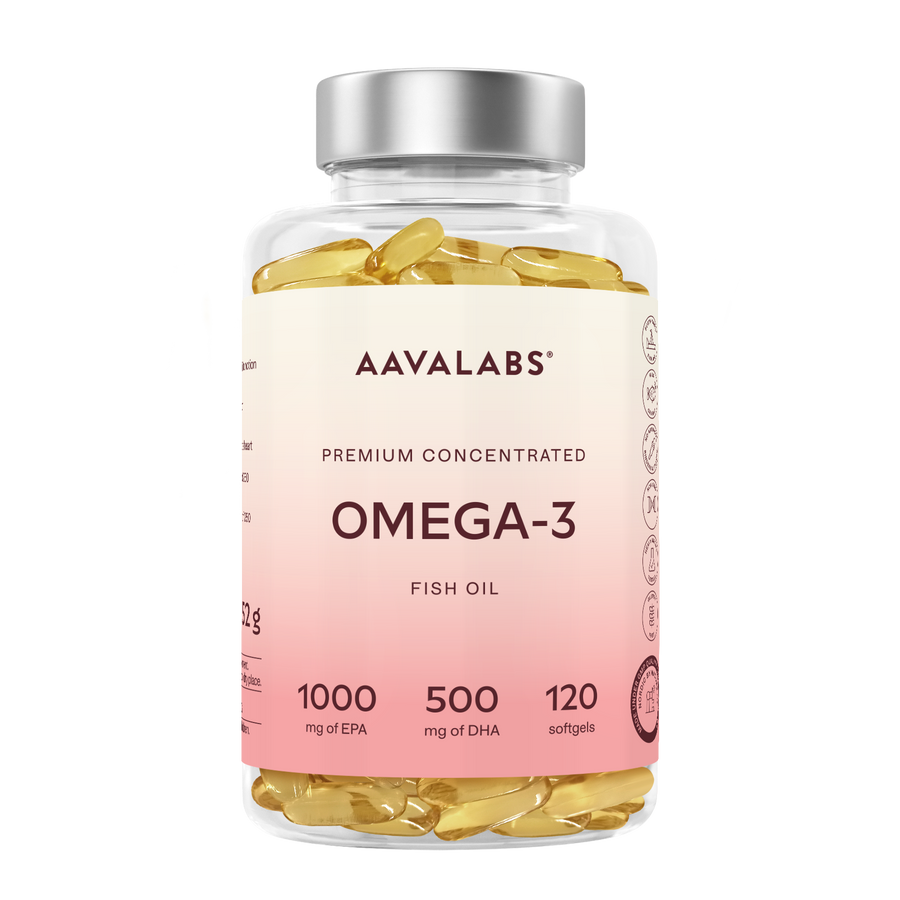
Omega-3 fatty acids are essential fats, meaning that they need to come from your diet.
Two particularly well-known omega-3 fatty acids are EPA and DHA. EPA and DHA contribute to the normal function of the heart when consumed in sufficient amounts.
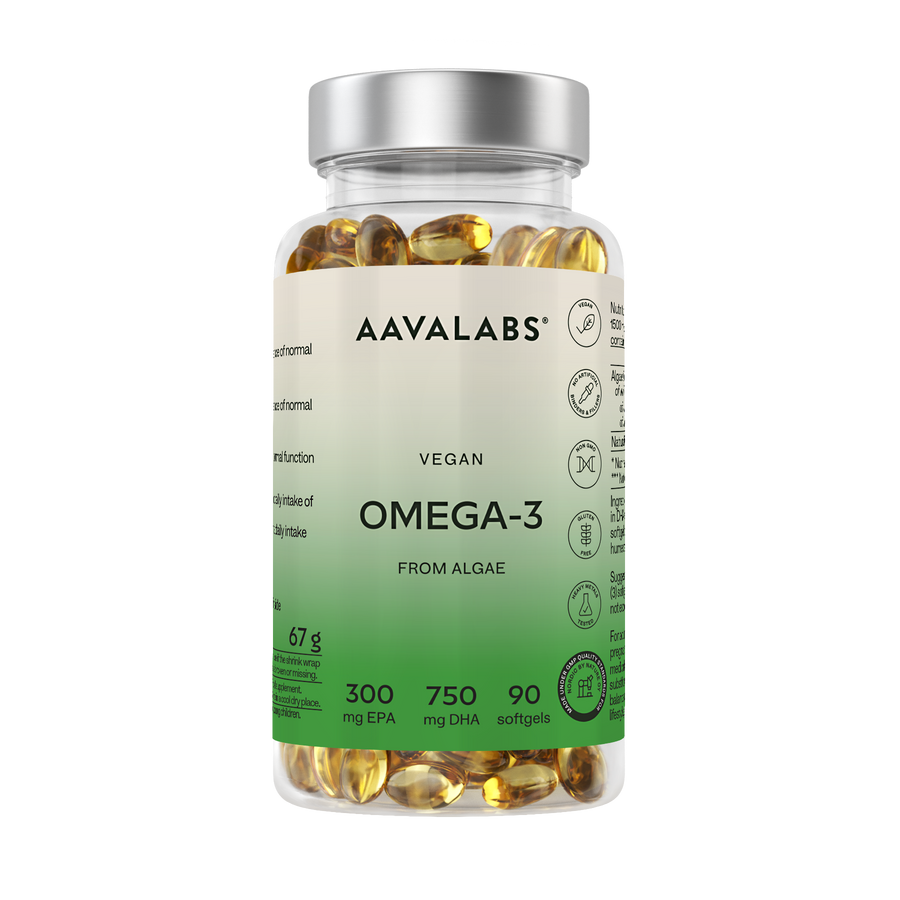
Oily fish such as salmon, mackerel, sardines and herring are natural sources of EPA and DHA. For people who do not eat fish, omega-3 supplements derived from microalgae can provide an alternative source.
Which Vitamins and Minerals Support the Body?
A number of micronutrients contribute to normal processes that are relevant to the body's everyday defence and protection systems.
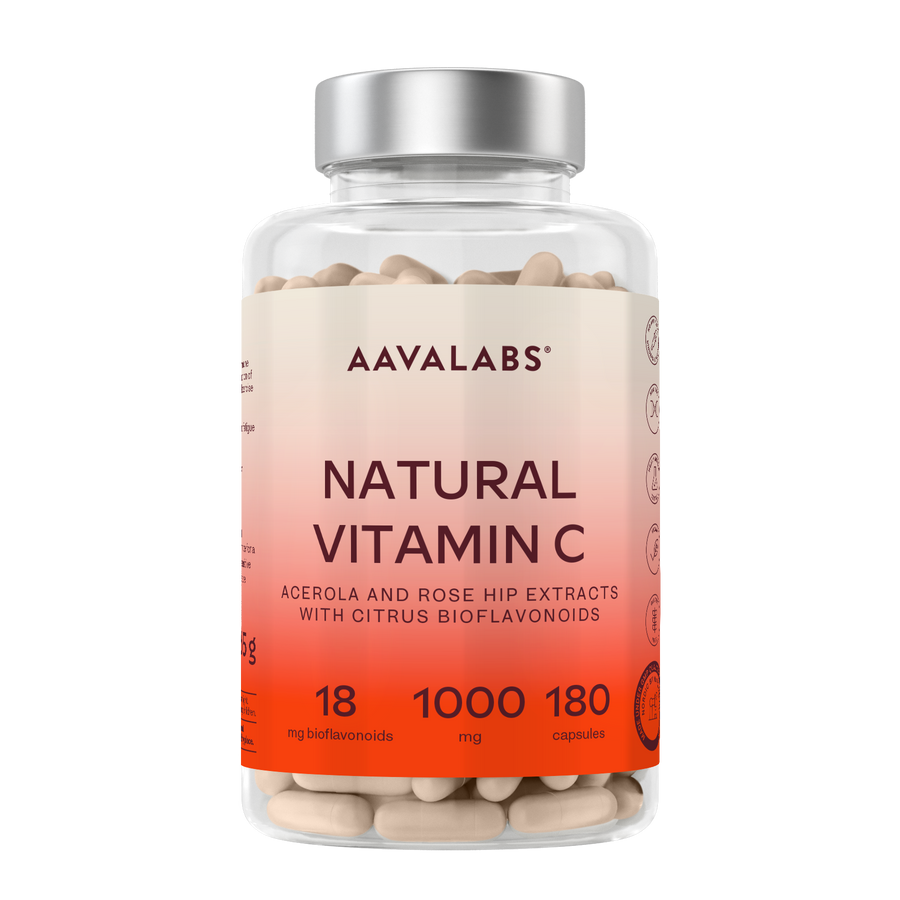
Vitamin C
Vitamin C contributes to the normal function of the immune system and to the protection of cells from oxidative stress.
It also contributes to normal collagen formation for the normal function of skin, cartilage, bones and blood vessels.
Vitamin D
Vitamin D contributes to the normal function of the immune system as well as the maintenance of normal bones and normal muscle function.
The body can produce vitamin D when the skin is exposed to sunlight, while smaller amounts can also be obtained through certain foods.
Vitamin E
Vitamin E contributes to the protection of cells from oxidative stress.
Natural dietary sources include nuts, seeds and vegetable oils.
Zinc
Zinc contributes to the normal function of the immune system and to the protection of cells from oxidative stress.
It can be found in foods such as meat, shellfish, dairy products, legumes, nuts and seeds.
Can Stress Affect Your Body?
Stress is a normal part of life, but prolonged periods of stress can affect both physical and mental wellbeing.
Building small moments of recovery into your routine can help support overall wellbeing. This might include:
- Going for a walk
- Practising yoga or gentle movement
- Spending time outdoors
- Taking breaks during busy days
- Practising meditation or breathing exercises
- Making time for activities you enjoy
The goal does not have to be eliminating stress completely. Creating regular opportunities to slow down and recover can be a more realistic approach.
Why Are Sleep and Movement Important?
Nutrition is only one part of a healthy lifestyle. Regular movement and sufficient sleep also contribute to overall physical and mental wellbeing.
Choose forms of movement that fit naturally into your life, whether that means walking, strength training, cycling, swimming or yoga.
Sleep is equally important. A consistent sleep routine gives your body time to rest and recover and can make it easier to maintain other healthy habits during the day.
Can Supplements Help?
Supplements can be useful for providing specific nutrients when dietary intake is insufficient or when individual circumstances increase the need for particular nutrients.
However, supplements are not designed to treat inflammation or replace medical care. They should complement a varied and balanced diet and a healthy lifestyle.
If you have persistent inflammation, unexplained pain, swelling, fever or other ongoing symptoms, speak with a healthcare professional to identify the underlying cause.
Support Your Body with Everyday Habits
Inflammation is a complex but completely normal part of the body's defence system. Rather than trying to eliminate inflammation altogether, focus on supporting your overall health.
A varied diet, regular movement, sufficient sleep, stress management and an appropriate intake of essential nutrients all form part of a balanced lifestyle.
Small habits repeated consistently can make a meaningful difference to how you care for your body over time.