Hydration and nutrition both play important roles in keeping your body functioning normally. Discover how electrolytes such as potassium, magnesium and calcium work in the body, which vitamins contribute to normal cardiovascular functions, and simple habits for supporting your heart every day.
Your heart works around the clock to keep blood moving throughout your body, delivering oxygen and nutrients wherever they are needed. Hydration and good nutrition are both important parts of supporting normal body function, including the muscles and processes involved in your cardiovascular system.
But which minerals and vitamins actually matter, and what do they do? Let’s look at the role of hydration, electrolytes and key nutrients, plus some simple habits you can build into your everyday routine.
Why Hydration Matters
Water is essential for virtually every system in your body. It helps transport nutrients, regulate body temperature and maintain normal physical and cognitive functions.
Your hydration needs can change depending on factors such as temperature, exercise, diet and how much you sweat. During periods of increased fluid loss, paying attention to both water and electrolytes can be particularly useful.
A simple place to start: drink regularly throughout the day rather than waiting until you feel very thirsty, and increase your fluid intake when exercising or spending time in hot conditions.
What Are Electrolytes?
Electrolytes are minerals that carry an electrical charge when dissolved in body fluids. They are involved in important processes including fluid balance, nerve signalling and muscle function.
Some of the best-known electrolytes include potassium, magnesium, calcium and sodium.
Key Minerals Your Body Needs
1. Potassium
Potassium is an essential mineral and electrolyte found naturally in foods such as potatoes, bananas, beans, vegetables and fruit.
Potassium contributes to normal muscle function, normal functioning of the nervous system and the maintenance of normal blood pressure.
Because potassium is involved in several fundamental physiological processes, getting enough through a varied and balanced diet is important.
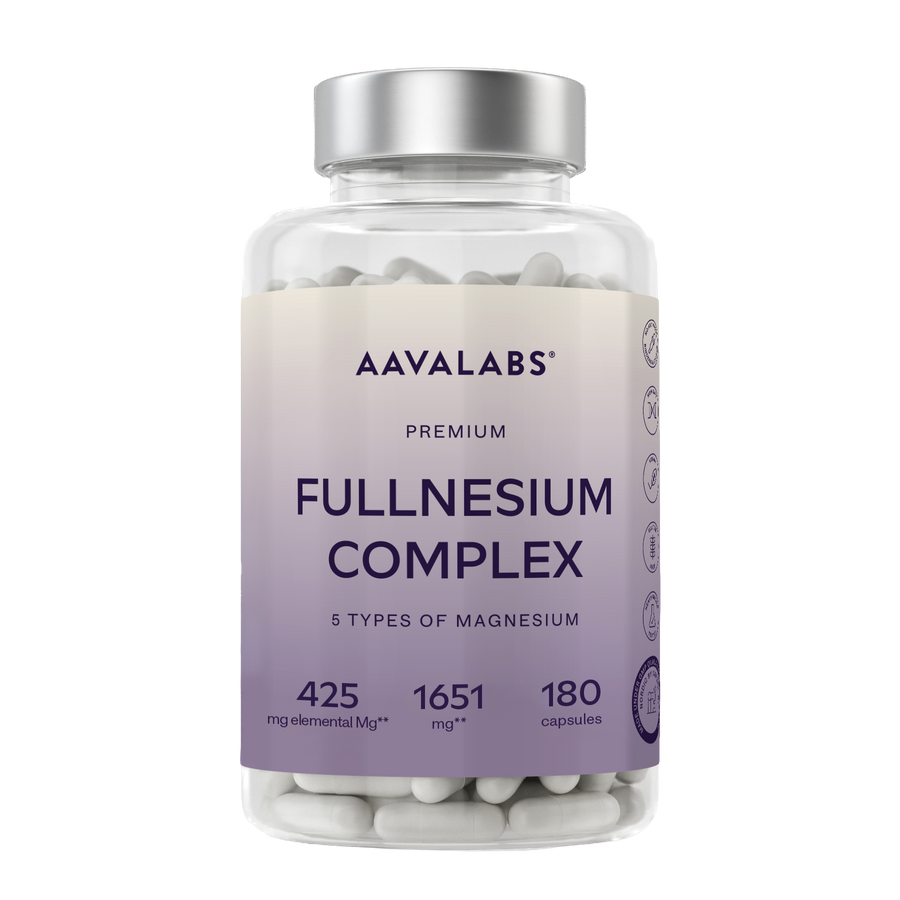
2. Magnesium
Magnesium is another important electrolyte involved in numerous processes throughout the body.
Magnesium contributes to electrolyte balance, normal muscle function and normal energy-yielding metabolism. It also contributes to normal functioning of the nervous system and the reduction of tiredness and fatigue.
Good dietary sources include nuts, seeds, legumes, whole grains and green leafy vegetables. A magnesium supplement can provide an additional source when needed.
3. Calcium
Calcium is best known for its role in maintaining normal bones and teeth, but its functions extend beyond bone health.
Calcium contributes to normal muscle function and normal blood clotting. It also contributes to normal energy-yielding metabolism and normal neurotransmission.
Dairy products, fortified plant-based alternatives, certain green vegetables and other foods can all contribute to your daily calcium intake.
Essential Vitamins and Heart Health
Alongside minerals, several vitamins contribute to functions that are relevant to cardiovascular health, from normal blood vessel function to red blood cell formation.
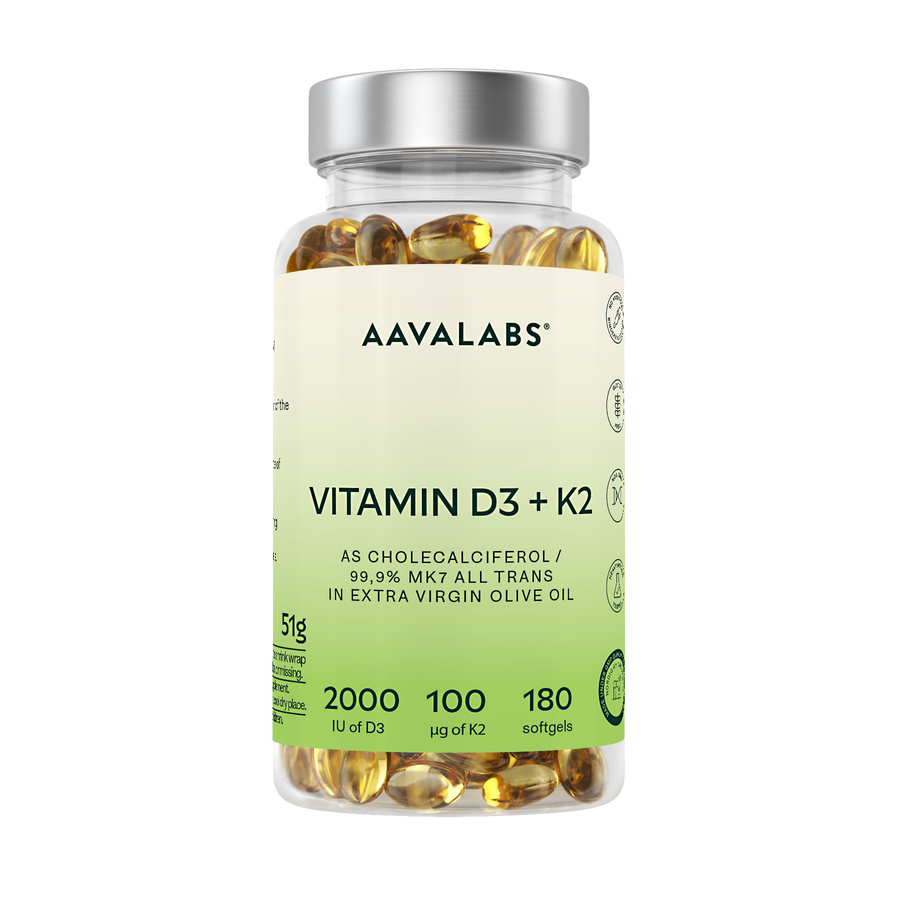
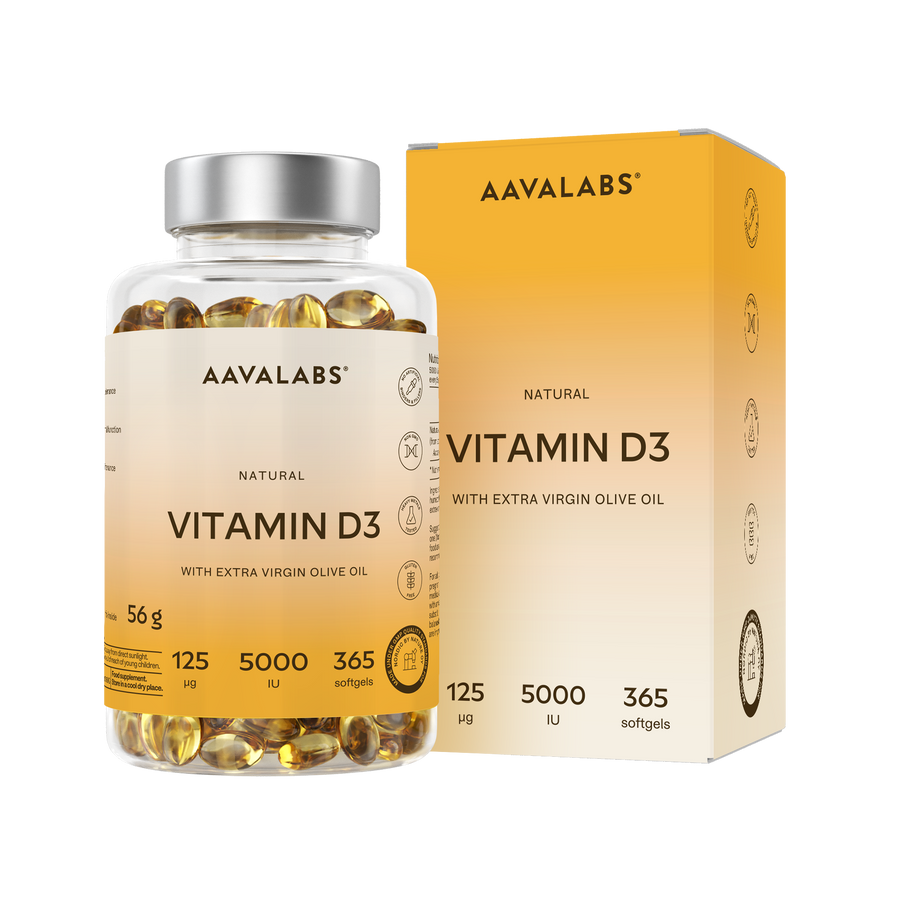
1. Vitamin D
Vitamin D has several established functions in the body. It contributes to normal blood calcium levels, the maintenance of normal bones and normal muscle function. It also contributes to the normal function of the immune system.
Your body can produce vitamin D when your skin is exposed to sunlight. During periods of limited sun exposure, dietary sources and vitamin D supplements can help contribute to your vitamin D intake.
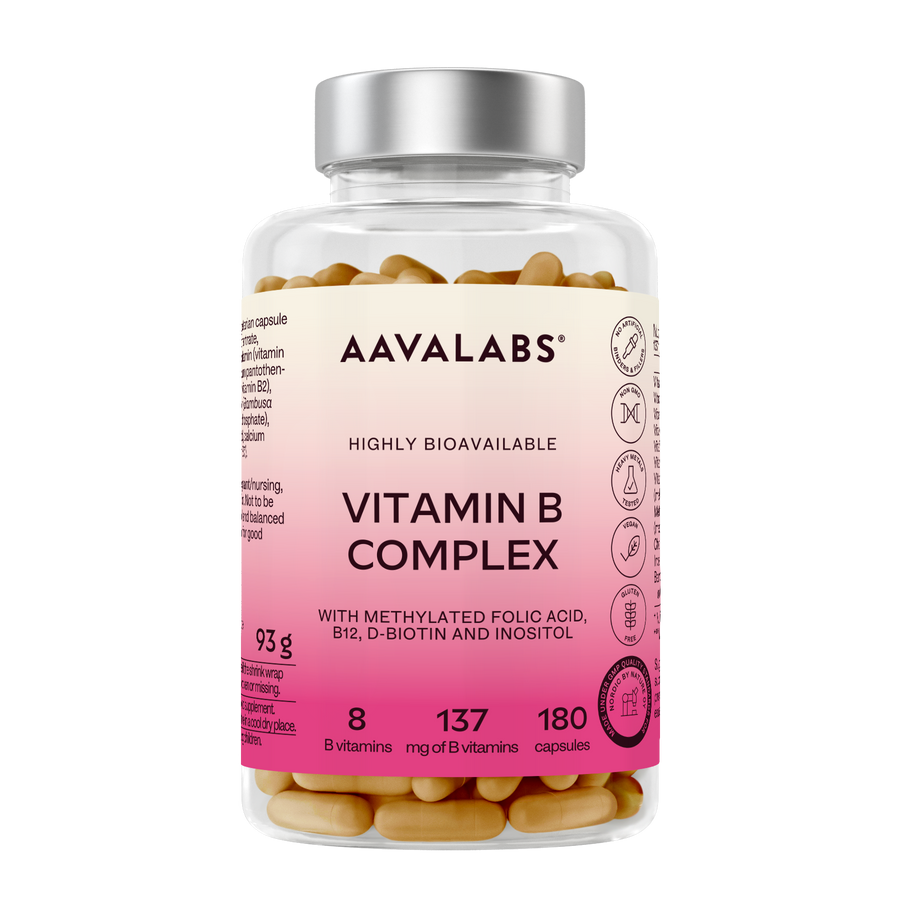
2. Vitamin B6 and B12
Vitamins B6 and B12 contribute to several important processes in the body.
Both contribute to normal homocysteine metabolism, normal energy-yielding metabolism and normal functioning of the nervous system. They also contribute to the reduction of tiredness and fatigue.
Vitamin B12 additionally contributes to normal red blood cell formation, while vitamin B6 contributes to normal red blood cell formation.
A B Complex supplement can provide multiple B vitamins in one formula.
3. Vitamin C
Vitamin C is well known for its antioxidant role, but it also has a function that is particularly relevant when talking about cardiovascular health.
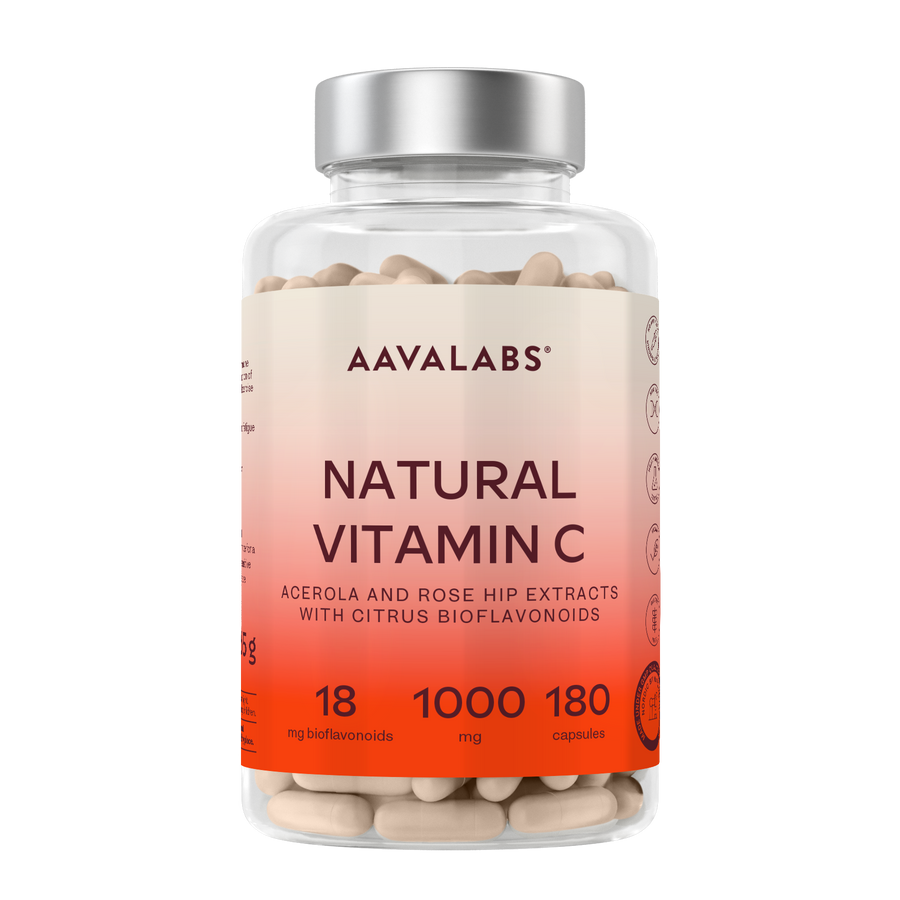
Vitamin C contributes to normal collagen formation for the normal function of blood vessels. It also contributes to the protection of cells from oxidative stress, normal energy-yielding metabolism and the normal function of the immune system.
Fruit and vegetables such as peppers, citrus fruits, berries, broccoli and kiwifruit are useful sources of vitamin C. A Vitamin C supplement can provide an additional source.
What About Omega-3?
When talking about nutrition and heart health, omega-3 fatty acids are also worth considering.
EPA and DHA contribute to the normal function of the heart. The beneficial effect is obtained with a daily intake of 250 mg of EPA and DHA.
Fatty fish such as salmon, sardines and mackerel are natural sources of EPA and DHA. Fish oil and algae-based omega-3 supplements can also provide these long-chain omega-3 fatty acids.
Everyday Habits to Support Your Heart
Nutrition and hydration are only part of the bigger picture. Cardiovascular health is influenced by your overall lifestyle, so focus on habits you can maintain consistently.
- Stay hydrated: Drink regularly throughout the day and pay extra attention to fluid intake during exercise and hot weather.
- Eat a varied diet: Include plenty of fruit, vegetables, whole grains, legumes, nuts, seeds and other nutrient-rich foods.
- Keep moving: Regular physical activity is an important part of a heart-conscious lifestyle.
- Be mindful of salt: Reducing sodium consumption contributes to the maintenance of normal blood pressure.
- Avoid smoking: Smoking is a major cardiovascular risk factor, so avoiding tobacco is one of the most important ways to protect your heart.
- Know your numbers: Blood pressure, cholesterol and blood glucose can provide useful information about cardiovascular health.
Do You Need Electrolyte Supplements?
For most everyday situations, water and a balanced diet can provide the fluids and minerals your body needs.
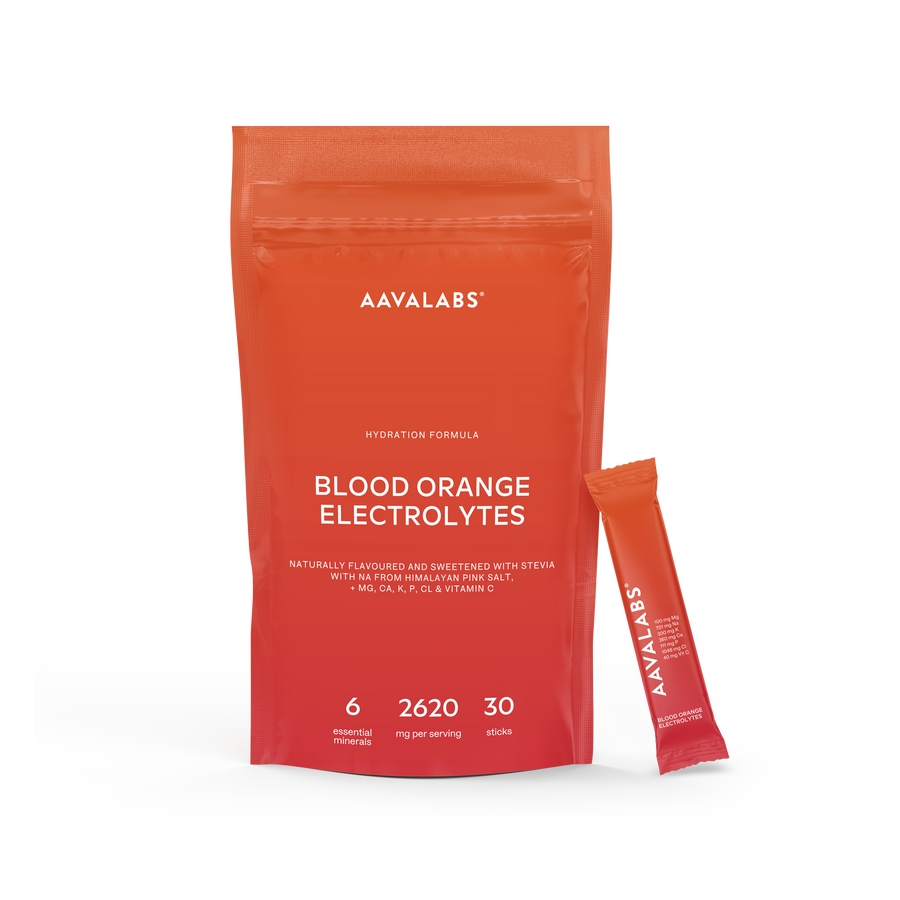
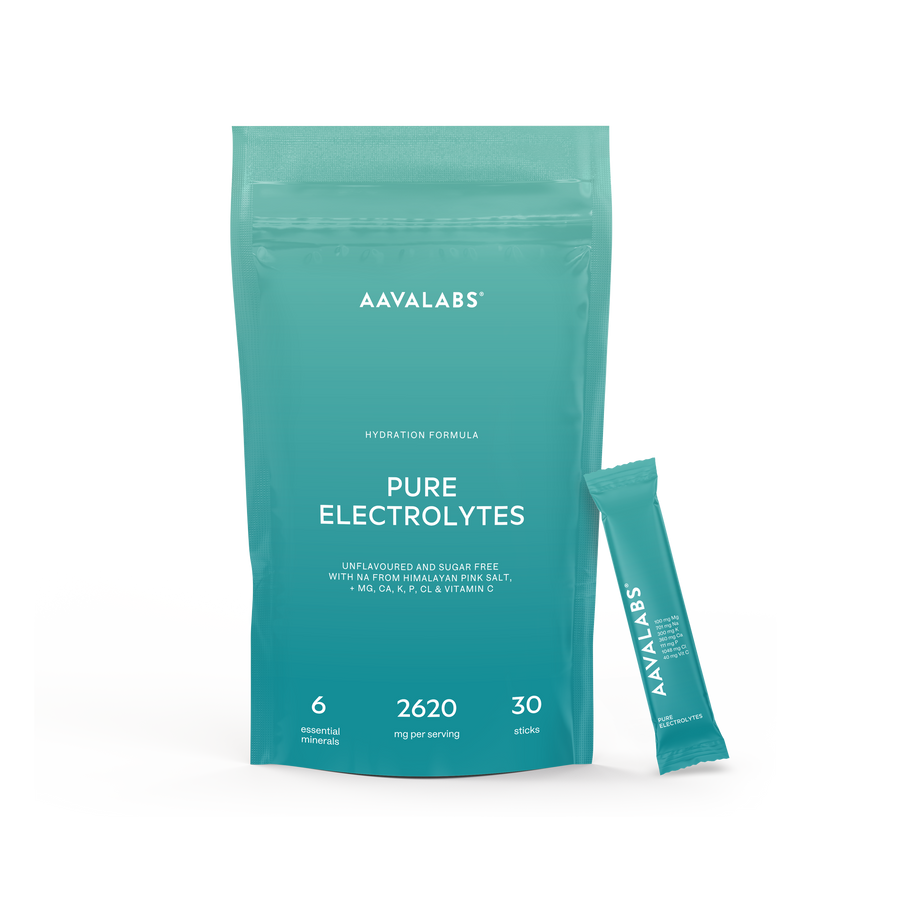
However, electrolyte products can be a convenient way to provide minerals during situations where fluid and electrolyte losses are increased, such as prolonged exercise or heavy sweating.
More is not necessarily better. Electrolytes are essential nutrients, but your individual requirements depend on your diet, activity level and circumstances.
Small Habits for Long-Term Heart Health
Looking after your heart isn’t about finding one miracle nutrient. It’s about creating healthy habits you can maintain over time.
Drink enough water, eat a varied and balanced diet, stay physically active and make sure your body receives the essential vitamins and minerals it needs.
Nutrients such as potassium, magnesium, calcium, vitamin C and B vitamins each contribute to specific normal functions in the body, while EPA and DHA contribute directly to the normal function of the heart.
Small choices made consistently can become the foundation of a healthier routine for years to come.