

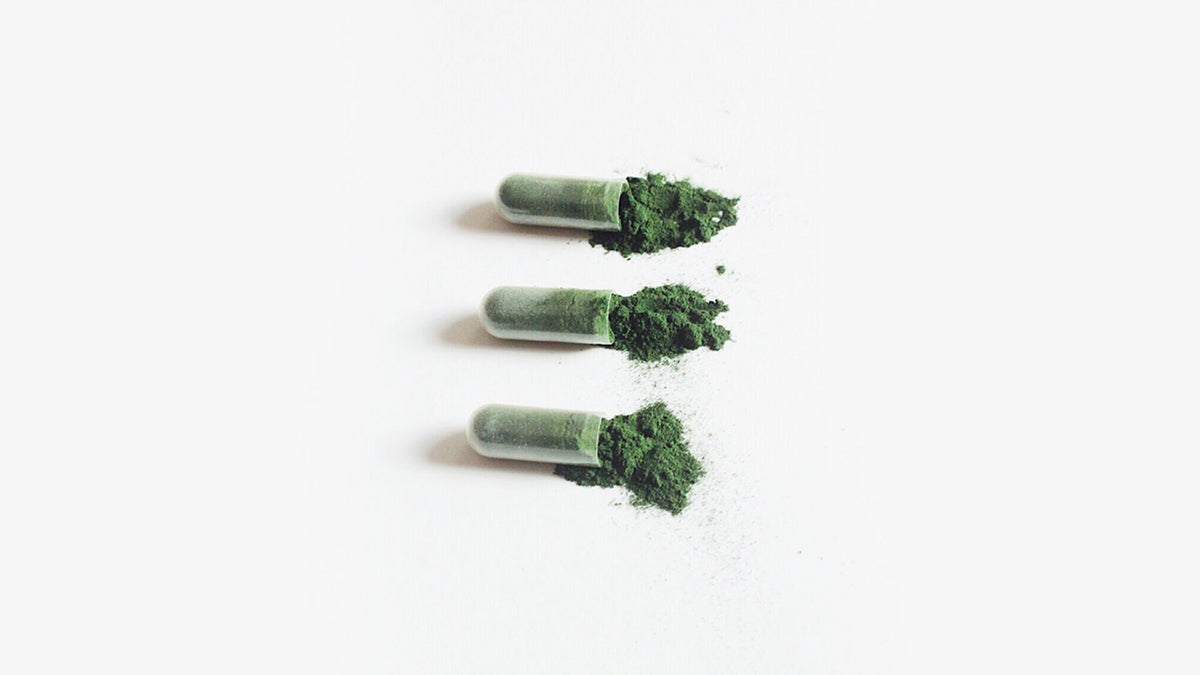
Chlorella - Benefits and Effects of the power algae
Chlorella is a microscopic green freshwater alga that has become a popular ingredient in supplements and green food powders. Its characteristic deep green colour comes from chlorophyll, the pigment plants and algae use during photosynthesis.
But what exactly is chlorella, what nutrients does it contain, and what should you know about claims surrounding detoxification, vitamin B12 and other potential benefits?
In this guide, we take a closer look at chlorella, how it is cultivated, its nutritional composition and what to consider when choosing a chlorella supplement.
Quick answer: Chlorella is a single celled green freshwater alga containing protein, chlorophyll and a variety of naturally occurring nutrients. Its exact nutritional composition can vary depending on the species and how it is grown and processed. Chlorella is available as powders, tablets and capsules, often with its cell wall broken to improve digestibility.
What is chlorella?
Chlorella is a genus of microscopic, single celled green algae. It grows in freshwater and uses sunlight, carbon dioxide, water and nutrients to grow through photosynthesis.
Its distinctive green colour comes from chlorophyll.
Several species of chlorella exist, with Chlorella vulgaris and Chlorella sorokiniana among those commonly cultivated for food and supplements.
Although chlorella has become increasingly visible in the wellness world, microalgae themselves are certainly not new. They have existed in aquatic ecosystems for a very long time.
How is chlorella grown?
Chlorella can be cultivated under controlled conditions using water, light and nutrients.
Commercial cultivation methods vary. Depending on the producer, chlorella may be grown in outdoor systems or more controlled cultivation environments.
After harvesting, the algae are processed and dried before being used in powders, tablets, capsules or other products.
The growing environment and processing methods matter because they can influence the final composition and quality of the ingredient.
Why is the chlorella cell wall important?
One characteristic of chlorella is its relatively resistant cell wall.
This is why you may see supplements described as containing broken cell wall or cracked cell wall chlorella. Processing the cell wall makes the contents of the cells more accessible during digestion.
When comparing chlorella supplements, the way the algae have been processed can therefore be useful information to look for.
What nutrients does chlorella contain?
Chlorella naturally contains a mixture of macronutrients and micronutrients. Depending on the species and growing conditions, it can provide protein, fats, carbohydrates, pigments and various vitamins and minerals.
However, its exact nutritional composition is not identical across every chlorella product.
The amount you actually consume also matters. A nutrient may occur naturally in chlorella but still be present in only a small amount within the recommended daily serving of a particular supplement.
For this reason, it is better to check the nutritional information for the individual product rather than assume that every chlorella supplement provides the same nutrients in meaningful quantities.
Is chlorella a source of protein?
Dried chlorella can contain a relatively high proportion of protein by weight and provides a range of amino acids.
However, when chlorella is consumed as a supplement in relatively small daily amounts, its contribution to your total daily protein intake may be much smaller than the percentage on a dry weight basis might suggest.
If your goal is to increase protein intake, it is therefore useful to look at the actual grams of protein provided per serving rather than simply at the percentage of protein contained in the algae.
Does chlorella contain chlorophyll?
Yes. Chlorella naturally contains chlorophyll, which gives the algae their intense green colour and plays an essential role in photosynthesis.
Chlorophyll is one of the reasons chlorella is commonly used in green powders and supplements.
However, the presence of chlorophyll should not automatically be interpreted as evidence that a product detoxifies the body or provides a particular health effect.
Does chlorella contain vitamin B12?
Vitamin B12 and algae can be a confusing topic.
Some chlorella products may contain vitamin B12, but the amount and forms present can vary considerably between products and cultivation methods.
This means chlorella should not automatically be assumed to provide a reliable amount of vitamin B12 simply because it is listed as an ingredient.
If you are relying on a supplement as a source of vitamin B12, check the nutritional information for the specific product and the amount of vitamin B12 it provides per daily serving.
Does chlorella contain omega 3?
Chlorella contains lipids, and its fatty acid composition can include different types of fatty acids.
However, the actual amount provided by a typical supplement serving can vary and should not automatically be considered equivalent to a dedicated omega 3 supplement.
If omega 3 intake is your primary goal, look at the specific fatty acids and quantities provided by the product rather than relying on the presence of algae alone.
Can chlorella detox heavy metals?
Chlorella is frequently promoted online as a natural detox ingredient, particularly in relation to heavy metals.
Research has explored interactions between chlorella and certain substances, but this does not mean that taking a chlorella supplement has been established as a general method for removing heavy metals from the human body.
Heavy metal exposure or poisoning is a medical issue and should not be self treated with supplements.
If you are concerned about possible exposure to lead, mercury, cadmium or other heavy metals, seek appropriate medical assessment.
Does chlorella support gut health?
Chlorella contains several components that are being investigated in nutrition research, including its proteins, pigments and other naturally occurring compounds.
Research has also explored possible interactions between chlorella consumption and the gut microbiome.
However, this does not mean that chlorella can generally be said to restore gut flora, prevent harmful substances from entering the bloodstream or treat digestive problems.
Gut health is influenced by many factors, including overall diet, fibre intake, lifestyle, medication and individual health.
Does chlorella support the immune system?
Research has investigated chlorella in relation to different markers of immune function, but broad statements that chlorella boosts or strengthens the immune system oversimplify the evidence.
Instead, it is useful to look at the actual nutrients provided by an individual product.
Where a chlorella product provides meaningful amounts of vitamins or minerals with authorised health claims, those specific nutritional roles can be communicated accordingly.
What is the difference between chlorella and spirulina?
Chlorella and spirulina are often grouped together because both are used in green supplements, but they are not the same organism.
Chlorella is a green microalga, while spirulina refers to cyanobacteria, commonly known as blue green algae.
They also differ in their natural composition, pigments and cellular structure.
Chlorella has a cell wall that is often processed before consumption, while spirulina has a different cellular structure.
This means there is no need to think of one as simply a better version of the other. They are different ingredients with different characteristics.
How can you take chlorella?
Chlorella is available in several forms, including:
- Powder
- Tablets
- Capsules
- Blends with other algae or plant ingredients
Powders can be mixed into drinks or foods, while tablets and capsules provide a convenient alternative for people who prefer not to taste the algae directly.
Always follow the recommended intake provided with the individual product.
What should you look for in a chlorella supplement?
Not every chlorella product is identical. When comparing supplements, consider the complete product rather than focusing on one headline claim.
Check the species
Look for information about which chlorella species is used, such as Chlorella vulgaris.
Look at how it is processed
Information about a broken or processed cell wall can help you understand how the chlorella has been prepared.
Check the amount per daily serving
Compare the actual amount of chlorella provided by the recommended daily serving rather than only looking at the size of the container.
Check the nutritional information
If you are interested in a particular nutrient, look at how much the individual product actually provides.
Consider quality and testing
Microalgae are grown in environments where cultivation and processing conditions matter. Choosing products from manufacturers that provide clear information about quality control and testing can therefore be particularly useful.
Frequently asked questions
What is chlorella?
Chlorella is a microscopic single celled green freshwater alga. It naturally contains chlorophyll, protein and a range of other nutrients and compounds.
Why is chlorella green?
Chlorella contains chlorophyll, the green pigment involved in photosynthesis.
Is chlorella the same as spirulina?
No. Chlorella is a green microalga, while spirulina is a type of cyanobacteria. They differ in their biological classification, cellular structure and nutritional composition.
Does chlorella contain protein?
Yes. Dried chlorella can contain a substantial proportion of protein by weight. However, the amount of protein provided by a typical supplement serving depends on how much chlorella you actually consume.
Does chlorella contain vitamin B12?
Some chlorella products may contain vitamin B12, but amounts and forms can vary. Check the nutritional information for the specific product if vitamin B12 intake is important to you.
Does chlorella detox heavy metals?
Chlorella is frequently marketed for detoxification, but it should not be considered a treatment for heavy metal exposure or poisoning. Suspected heavy metal exposure requires appropriate medical assessment.
What does broken cell wall chlorella mean?
It means that the chlorella cell wall has been processed to make the contents of the cells more accessible during digestion.
Can you take chlorella and spirulina together?
Chlorella and spirulina are often combined in supplement formulations. If you use a combined product, follow its recommended intake and check the complete nutritional information and ingredient list.
Key takeaways
- Chlorella is a microscopic green freshwater alga.
- Its green colour comes from chlorophyll.
- Chlorella naturally contains protein and a variety of other nutrients, although the exact composition varies.
- The amount of a nutrient in a typical daily serving matters more than its percentage in dried chlorella.
- Chlorella and spirulina are different organisms with different characteristics.
- Broken cell wall chlorella has been processed to make its cellular contents more accessible during digestion.
- Claims that chlorella detoxifies heavy metals should be treated cautiously.
- Species, cultivation, processing, quality control and testing are useful factors to consider when choosing a chlorella supplement.
This article is for informational purposes only and is not intended to diagnose, treat, cure or prevent any disease. Food supplements should not be used as a substitute for a varied, balanced diet and healthy lifestyle. If you have a medical condition, take medication or have concerns about possible heavy metal exposure, seek appropriate professional advice.
Read more
5 Benefits of Taking Collagen Supplements
If you haven't heard of the beauty protein collagen yet, you must be living somewhere under a rock. On social media, collagen is promoted more than ever before. And that's not without reason! Colla...
Read more
6 common nutrient deficiencies & their symptoms
Each nutrient has its own essential function in the body. They provide energy and are crucial for your well-being. When the body is not supplied with sufficient nutrients, deficiencies occur, whic...
Read more
SIGN UP FOR OUR NEWSLETTER TO GET 10% OFF YOUR FIRST ORDER
By signing up, you acknowledge that providing information services and products to you involves us processing your personal data. You can read more about how we collect, process and store personal data in our Privacy Policy.