Collagen is an important structural protein in the skin, while vitamin C contributes to normal collagen formation for the normal function of skin. Discover their roles and how nutrition can support healthy skin as we age.
Collagen is an important structural protein found throughout the body, including in the skin and connective tissues. Vitamin C plays a complementary nutritional role because it contributes to normal collagen formation for the normal function of skin.
As we age, changes naturally occur in the structure and composition of our skin. Nutrition, sun protection and everyday lifestyle habits can all form part of a long-term approach to caring for your skin from within and outside.
What Is Collagen and Why Does It Matter for Skin?
Collagen is the most abundant protein in the human body and is a major structural component of skin and connective tissues.
Within the skin, collagen forms part of the extracellular matrix that provides its underlying structural framework. The body's collagen is continuously formed and broken down as part of normal tissue turnover.
Ageing is accompanied by changes in skin collagen, while external factors such as UV exposure and smoking can also affect the skin over time. This is why protecting the skin and maintaining a balanced, nutrient-rich diet are important parts of healthy ageing.
How Does Vitamin C Support Collagen Formation and Skin Health?
Vitamin C contributes to normal collagen formation for the normal function of skin. It also contributes to the protection of cells from oxidative stress.
These two authorised functions make vitamin C particularly relevant when discussing nutrition and healthy skin.
Vitamin C can be obtained naturally from foods including citrus fruits, berries, peppers, broccoli and other fruits and vegetables. Where additional intake is appropriate, it can also be obtained through supplementation.
How Are Collagen and Vitamin C Connected?
Collagen and vitamin C have different but related roles. Collagen is a structural protein found naturally in the skin, while vitamin C is required for normal collagen formation.
This makes vitamin C an important nutrient to consider alongside a diet that provides sufficient protein and the amino acids the body uses to produce proteins.
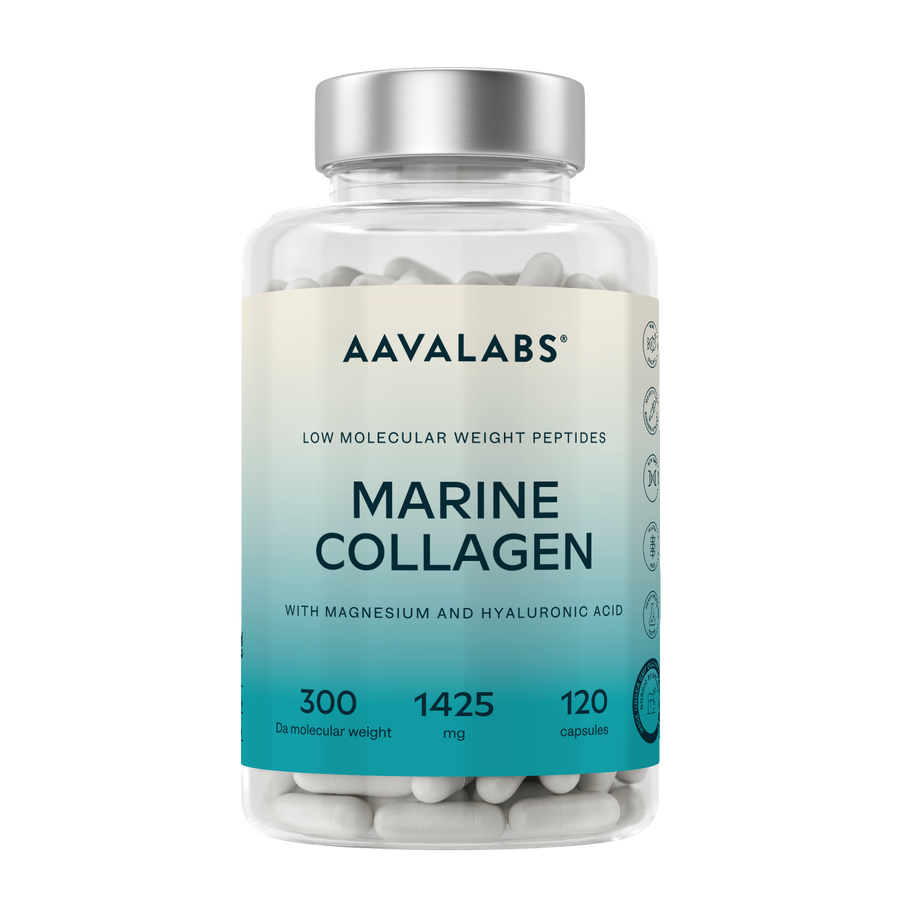
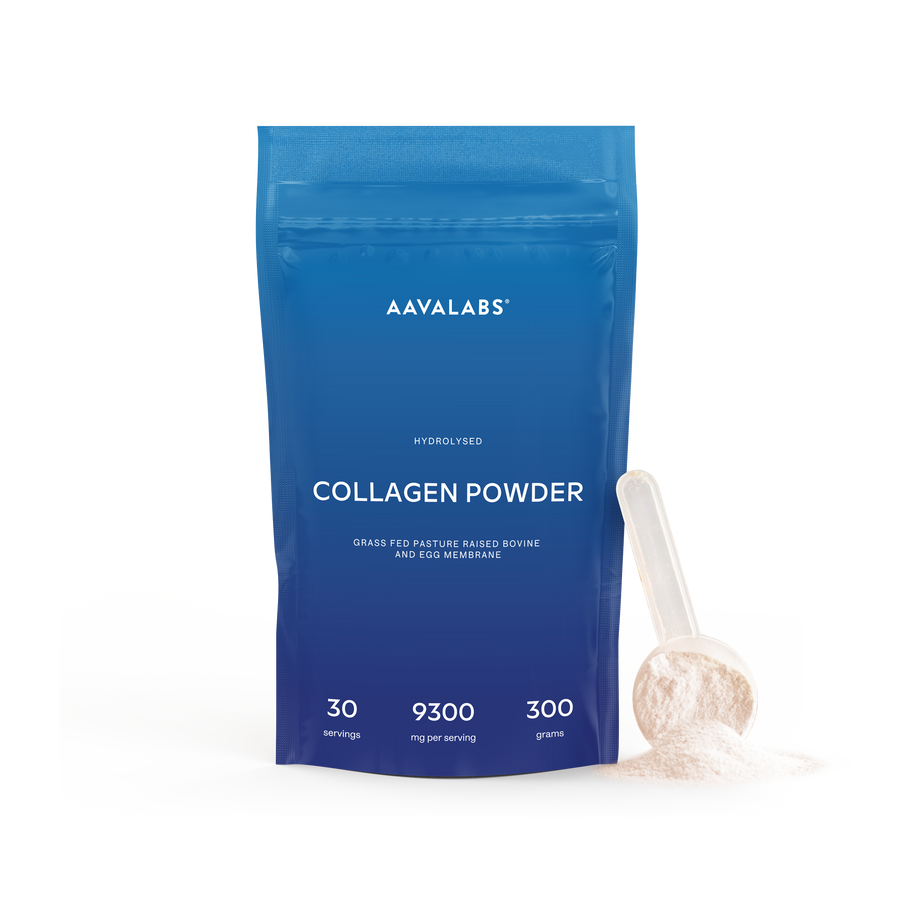
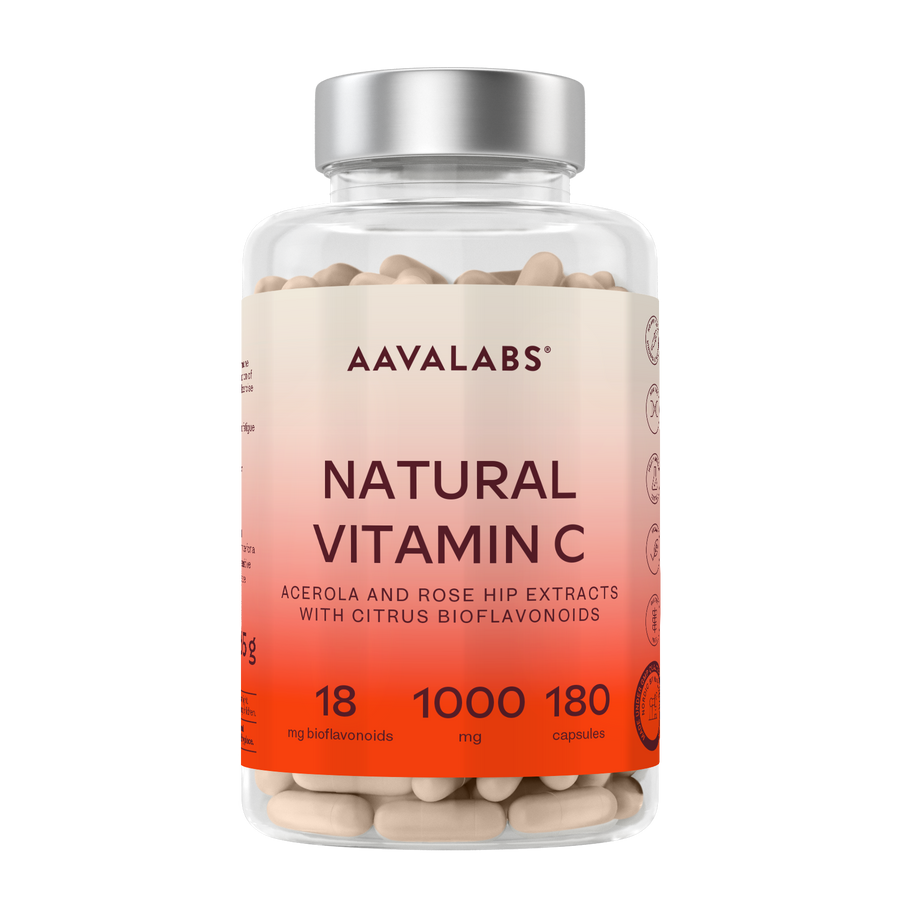
Our Marine Collagen combines hydrolysed marine collagen with additional nutrients, while our Natural Vitamin C Complex provides vitamin C, which contributes to normal collagen formation for the normal function of skin.
What Is Hydrolysed Collagen?
Collagen is a large protein made up of amino acids. Hydrolysed collagen has undergone a process called hydrolysis, which breaks the protein down into smaller peptides.
Marine collagen is sourced from fish and primarily provides Type I collagen, a collagen type that is also abundant in human skin.
Our Marine Collagen provides hydrolysed marine collagen in an easy-to-integrate daily formula.
How Can You Support Your Skin as You Age?
Healthy skin is influenced by many factors, so nutrition works best as part of a broader everyday routine.
- Eat enough protein: Protein provides amino acids that the body uses to build and maintain tissues.
- Include vitamin C-rich foods: Vitamin C contributes to normal collagen formation for the normal function of skin.
- Eat a varied diet: Fruits, vegetables, healthy fats and quality protein sources provide a broad range of nutrients.
- Protect your skin from excessive UV exposure: Use appropriate sun protection and avoid unnecessary prolonged exposure.
- Avoid smoking: Smoking is associated with premature skin ageing and can negatively affect skin structure.
- Build consistent habits: A balanced diet, hydration, sleep and everyday skin care all contribute to a well-rounded approach to healthy ageing.
Supporting Healthy Skin From Within
Ageing is a natural process, and skin naturally changes with time. Rather than focusing on stopping ageing, a more realistic approach is to provide the body with the nutrients it needs for its normal functions while protecting the skin from avoidable external stressors.
Vitamin C contributes to normal collagen formation for the normal function of skin and contributes to the protection of cells from oxidative stress, making it a particularly relevant nutrient for a skin-focused routine.
Explore our Marine Collagen and Natural Vitamin C Complex as part of your daily nutrition routine.
Frequently Asked Questions
What Does Collagen Do in the Skin?
Collagen is a structural protein and an important component of the extracellular matrix of the skin. It forms part of the structural framework of skin and connective tissues throughout the body.
Does Vitamin C Support Collagen Formation?
Yes. Vitamin C contributes to normal collagen formation for the normal function of skin. It also contributes to the protection of cells from oxidative stress.
What Foods Contain Vitamin C?
Good dietary sources of vitamin C include citrus fruits, berries, peppers, broccoli and other fruits and vegetables. A varied diet can provide vitamin C alongside many other important nutrients.
What Is Hydrolysed Collagen?
Hydrolysed collagen is collagen that has been broken down into smaller peptides through a process called hydrolysis. Collagen supplements commonly use hydrolysed collagen peptides.
What Is Marine Collagen?
Marine collagen is collagen sourced from fish. It primarily contains Type I collagen, a collagen type that is also abundant in human skin.
Can Men Take Collagen Supplements?
Yes. Collagen is naturally present in the bodies of both men and women. Collagen supplements are not gender-specific and can be incorporated into the diet according to individual preferences and nutritional needs.
Should You Take Vitamin C With Collagen?
Vitamin C contributes to normal collagen formation for the normal function of skin. Adequate vitamin C intake is therefore important for the body's normal collagen formation, whether vitamin C comes from food or supplementation.