Do athletes need more vitamins and minerals? And which nutrients are particularly important when you lead an active lifestyle?
A balanced diet should always be the foundation of sports nutrition. However, certain nutrients play important roles in energy metabolism, muscle function, recovery and normal immune function.
In this guide, we explore key vitamins and minerals for active people, including magnesium, B vitamins, vitamin D, vitamin C, iron and zinc, and look at when supplementation may be worth considering.
Whether you run, lift weights, cycle or simply enjoy staying active, your body relies on a steady supply of nutrients to perform at its best. But does exercising mean you automatically need more vitamins and minerals?
A balanced diet should always be the foundation of sports nutrition. However, certain vitamins and minerals play particularly important roles in energy metabolism, muscle function, recovery and normal immune function.
In this guide, we take a closer look at some of the key nutrients for active people, what they do in the body and when supplementation may be worth considering.
Do Athletes Need More Vitamins and Minerals?
Being physically active can influence your nutritional needs. Exercise increases energy expenditure, while sweating leads to the loss of water and electrolytes such as sodium.
However, this does not mean that everyone who exercises needs supplements. A varied and balanced diet can provide many of the nutrients your body needs.
Individual requirements can vary depending on factors such as training intensity, diet, age, lifestyle and existing nutrient levels. This is why it is useful to focus on your personal needs rather than simply taking more supplements because you exercise.
Which Vitamins and Minerals Are Important for Athletes?
There is no single "sports vitamin". Instead, several nutrients contribute to normal processes that become particularly relevant when you lead an active lifestyle.
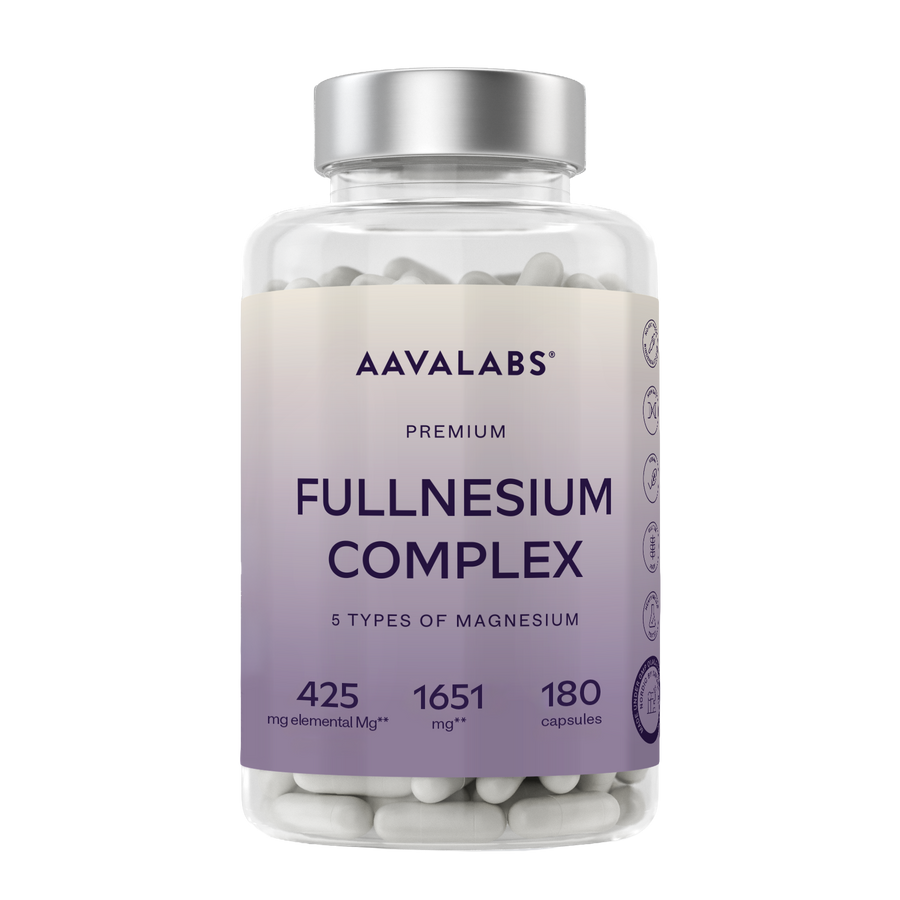
1. Magnesium
Magnesium is one of the best-known minerals in sports nutrition, and for good reason. It contributes to normal muscle function, normal energy-yielding metabolism and the reduction of tiredness and fatigue.
Magnesium also contributes to electrolyte balance and the normal functioning of the nervous system.
Food sources of magnesium include nuts, seeds, whole grains, legumes and leafy green vegetables.
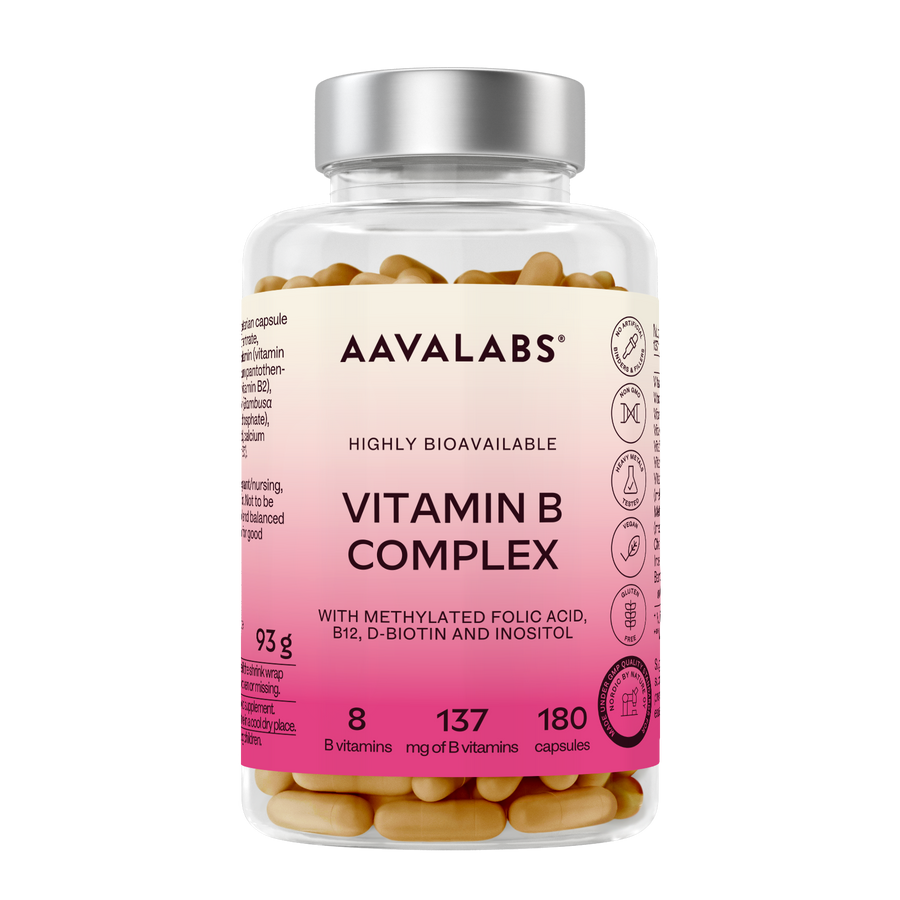
2. B Vitamins
The B-vitamin family includes several nutrients with different functions in the body. Vitamins B2, B3, B5, B6 and B12 all contribute to normal energy-yielding metabolism and the reduction of tiredness and fatigue.
Vitamin B6 and vitamin B12 also contribute to the normal functioning of the immune system, while vitamin B12 contributes to normal red blood cell formation.
A varied diet containing foods such as whole grains, legumes, vegetables, eggs, dairy products, fish and meat can provide different B vitamins. People following a vegan diet should pay particular attention to vitamin B12.
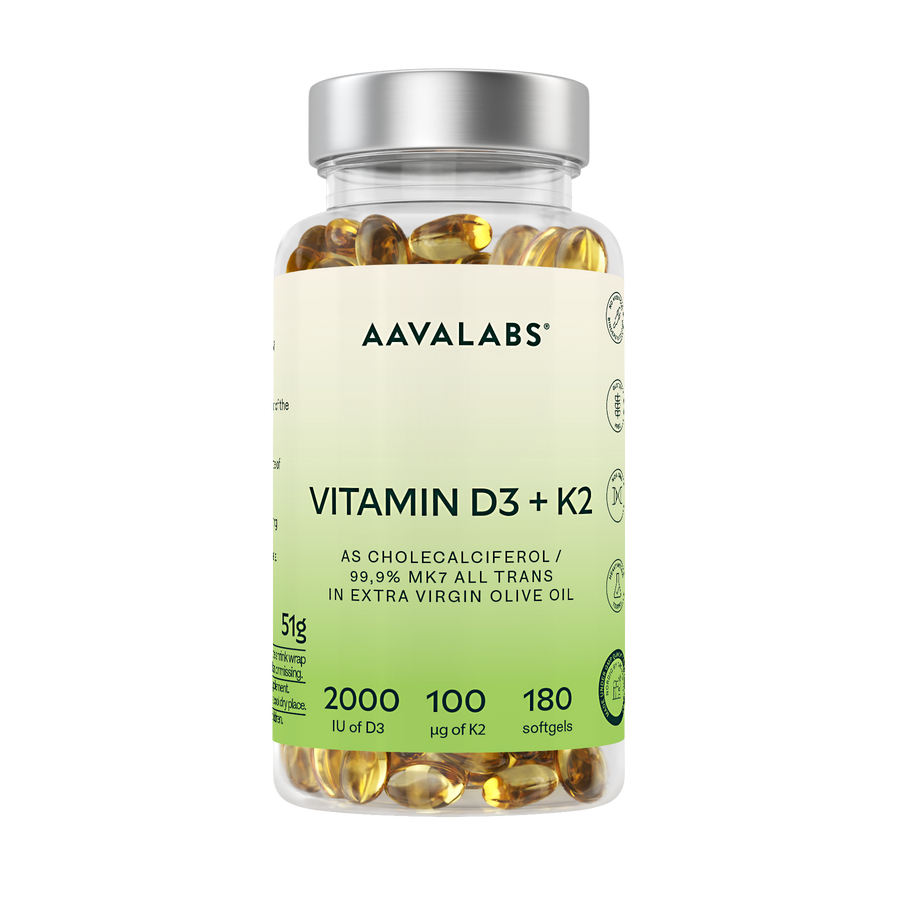
3. Vitamin D
Vitamin D is important for much more than bones. It contributes to the maintenance of normal muscle function as well as the normal function of the immune system and the maintenance of normal bones.
Your body can produce vitamin D when your skin is exposed to sunlight. However, factors such as season, time spent indoors and limited sun exposure can influence vitamin D production.
If you are unsure about your vitamin D status, a healthcare professional can help you determine whether testing or supplementation may be appropriate.
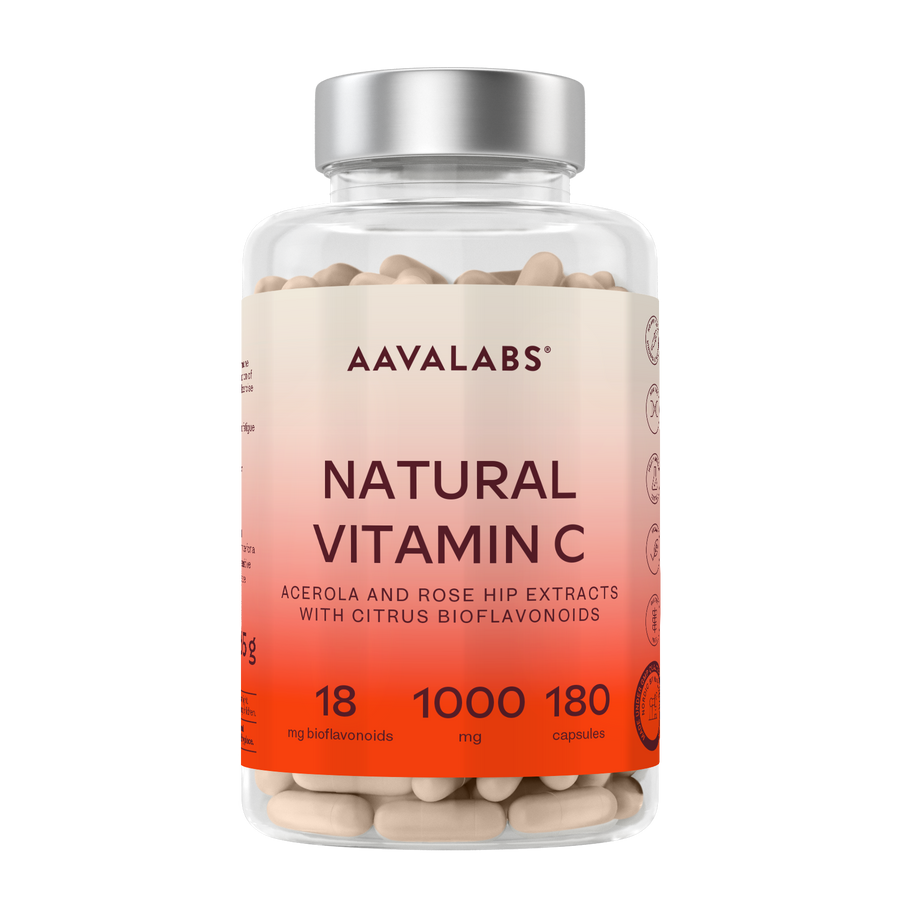
4. Vitamin C
Vitamin C contributes to normal energy-yielding metabolism, normal immune function and the protection of cells from oxidative stress.
It also contributes to normal collagen formation for the normal function of cartilage and bones.
Another useful function is its contribution to the reduction of tiredness and fatigue. Vitamin C can be found naturally in foods such as citrus fruits, berries, peppers, broccoli and kiwi.
5. Iron
Iron plays an important role in oxygen transport. It contributes to the normal formation of red blood cells and haemoglobin as well as normal oxygen transport in the body.
It also contributes to normal energy-yielding metabolism and the reduction of tiredness and fatigue.
Iron requirements vary considerably between individuals. Women of reproductive age, for example, may have different requirements from men. Because too much iron can also be harmful, supplementation should not be approached as a general recommendation for every athlete.
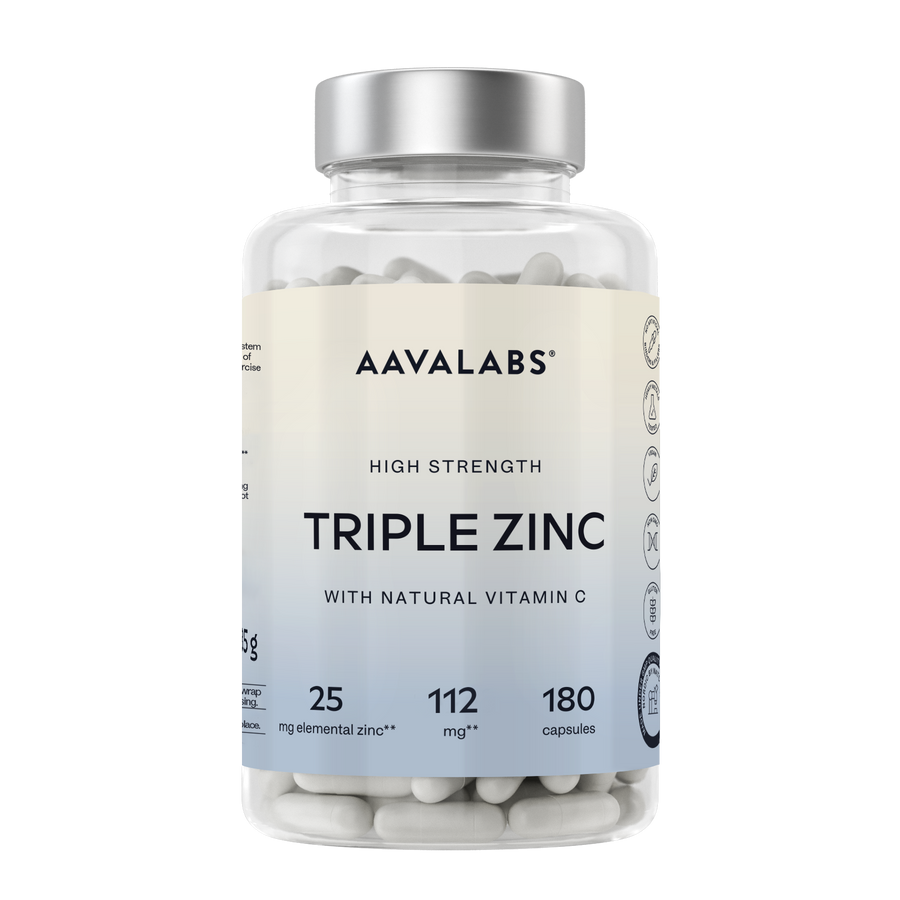
6. Zinc
Zinc contributes to normal protein synthesis and the normal function of the immune system. It also contributes to the protection of cells from oxidative stress and the maintenance of normal bones.
Good dietary sources include meat, shellfish, dairy products, seeds, nuts and legumes.
What About Electrolytes?
If you sweat during exercise, you lose both water and electrolytes. Electrolytes are minerals with an electrical charge that are involved in processes throughout the body.
Sodium, potassium and magnesium are among the electrolytes commonly discussed in sports nutrition.
For everyday or shorter workouts, water and a balanced diet may be sufficient for many people. During longer or particularly intense exercise, especially in hot conditions or when sweating heavily, electrolyte intake can become more relevant.
Do You Need Supplements If You Exercise?
Not necessarily. Supplements are designed to complement your diet, not replace it.
Before adding a supplement to your routine, it can help to ask yourself a few simple questions:
- Is my diet varied and balanced?
- Do I follow a restrictive diet, such as a vegan diet?
- Do I train frequently or for long periods?
- Do I sweat heavily during exercise?
- Have I been diagnosed with a nutrient deficiency?
- Has a healthcare professional recommended supplementation?
Your individual needs matter more than following a generic "sports supplement" routine.
What Are Some Common Sports Nutrition Myths?
Myth 1: More Protein Automatically Means More Muscle
Protein contributes to the growth and maintenance of muscle mass, but simply consuming more and more protein does not automatically result in greater muscle growth.
Your overall diet, training programme, recovery and energy intake all matter. Protein can come from foods such as fish, eggs, dairy products, legumes, tofu, nuts and seeds.
Myth 2: All Fat Is Bad for Athletes
Fat is an important part of a balanced diet. Rather than avoiding it completely, focus on the quality of the fats you consume.
Foods such as nuts, seeds, avocado, olive oil and oily fish can provide unsaturated fats as part of a varied diet.
Myth 3: Every Athlete Needs Supplements
Being active does not automatically mean you need a cupboard full of supplements.
Some people may benefit from targeted supplementation because of their diet, lifestyle, training demands or nutrient status. Others may be able to meet their nutritional needs through food alone.
Myth 4: More Is Always Better
Higher doses do not automatically mean better results. Vitamins and minerals have specific functions in the body, and excessive intake of certain nutrients can be harmful.
Always follow the recommended intake of a supplement and consider professional advice if you are unsure about your individual requirements.
How Can You Support Your Body Around Exercise?
Supplements are only one small part of the picture. Your everyday habits provide the foundation for both performance and recovery.
- Eat a varied diet: Include plenty of vegetables, fruit, whole grains, protein sources and healthy fats.
- Stay hydrated: Replace the fluids you lose throughout the day and during exercise.
- Prioritise recovery: Rest and sleep give your body time to recover between training sessions.
- Fuel your activity: Make sure your overall food intake reflects your activity level.
- Pay attention to your body: Persistent fatigue or changes in performance can have many causes and should not automatically be treated with supplements.
Find the Balance That Works for You
Good sports nutrition is not about taking as many supplements as possible. It is about giving your body what it needs to function normally, perform and recover.
Magnesium, B vitamins, vitamin D, vitamin C, iron and zinc all perform important functions in the body that are relevant to an active lifestyle. But your individual needs depend on your diet, training, lifestyle and nutrient status.
Start with the basics: eat well, stay hydrated, prioritise recovery and choose supplements thoughtfully when they are appropriate for your individual needs.