Biotin is best known as a beauty vitamin, but its role in the body goes much further. Here is how vitamin B7 supports energy metabolism, nervous system health, blood sugar and cardiovascular function
Biotin, also known as vitamin B7, is best known for supporting hair, skin and nail health. But its role in the body extends well beyond beauty. Biotin is essential for converting food into energy, supporting nervous system function, regulating blood sugar, maintaining cardiovascular health and enabling cell growth and repair. As a water-soluble B vitamin, it must be replenished daily through diet or supplementation.
What is biotin and what does it do in the body?
Biotin is a water-soluble vitamin belonging to the B-complex group. These vitamins play a central role in helping the body convert food into usable energy, which is essential for a healthy metabolism and sustained energy levels throughout the day. Biotin acts as a coenzyme in the breakdown of carbohydrates, fats and proteins, ensuring that macronutrients are efficiently converted into fuel the body can use.
How does biotin support metabolism and energy levels?
One of biotin's most important functions is supporting metabolic processes at a cellular level. It activates several carboxylase enzymes that are directly involved in fatty acid synthesis, amino acid metabolism and gluconeogenesis, the production of glucose from non-carbohydrate sources. This makes biotin essential for maintaining energy throughout the day and supporting physical activity and general vitality.
What role does biotin play in nervous system health?
Biotin contributes to the maintenance of proper nervous system function by supporting the synthesis of neurotransmitters, the chemical messengers that transmit signals between nerve cells. A well-functioning nervous system depends on this signalling for cognitive functions including memory, concentration and mood regulation. Biotin deficiency can manifest as neurological symptoms including fatigue, depression and poor concentration.
Can biotin help regulate blood sugar levels?
Research suggests that biotin can support healthy blood sugar regulation. It is thought to enhance insulin activity, the hormone responsible for controlling blood glucose levels. This makes biotin a relevant nutrient for anyone looking to maintain stable energy levels and support healthy metabolic function, particularly in the context of a balanced diet and active lifestyle.
How does biotin support cardiovascular health?
Biotin contributes to cardiovascular health by supporting a healthy cholesterol balance. It helps regulate the ratio of HDL (beneficial) to LDL cholesterol and supports a healthier overall lipid profile. Maintaining balanced cholesterol levels reduces the risk of cardiovascular disease and supports long-term heart health.
What is biotin's role in hair, skin and nail health?
Biotin is directly involved in the synthesis of keratin, the structural protein that forms hair, skin and nails. It also participates in DNA and RNA synthesis, which controls cell growth and repair, making it particularly important for fast-growing tissues. Consistent biotin intake supports the regeneration of skin cells, strengthens the hair shaft and reduces nail brittleness. While biotin deficiency is relatively rare, even mild insufficiency can contribute to hair thinning and brittle nails.
How does biotin support digestive health?
Biotin helps maintain the mucous membranes of the digestive tract, which are important for proper nutrient absorption and a healthy intestinal environment. A healthy gut lining supports both digestion and immune function, making biotin's role in digestive health an often-overlooked benefit of this versatile vitamin.
Which biotin supplements does Aavalabs offer?
Aavalabs offers two convenient biotin supplements designed to fit easily into any daily routine.
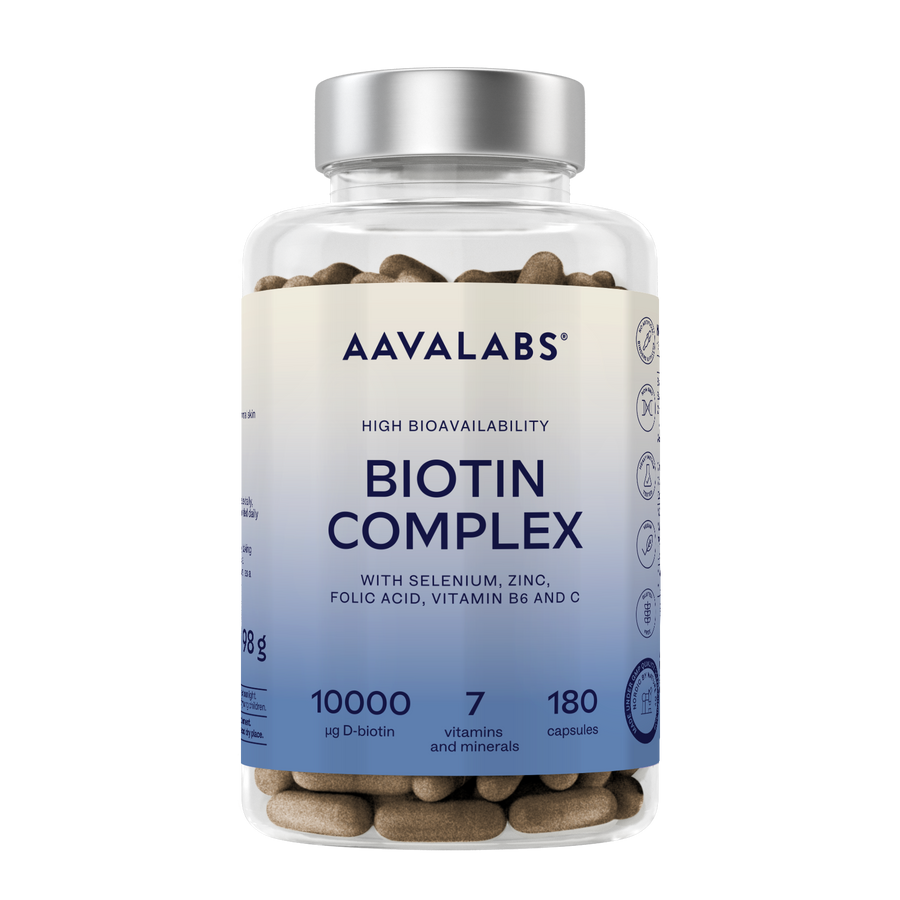
Our Biotin Complex provides a potent blend of natural D-biotin alongside copper, selenium, zinc and essential vitamins to support hair, skin and nail health, protect cells from oxidative stress and boost immune function.
Our Biotin Gummies are vegetarian, sugar-free and naturally flavoured with raspberry, coloured with sweet potato and carrot extracts. Each serving contains biotin, zinc and essential vitamins, providing a practical and enjoyable 30-day supply for daily beauty and wellbeing support.
Frequently Asked Questions
What are the main benefits of taking biotin?
The most well-supported benefits of biotin include support for hair growth and reduced breakage, stronger and less brittle nails, healthier skin, efficient energy metabolism through the breakdown of carbohydrates, fats and proteins, nervous system support and blood sugar regulation. While biotin is best known as a beauty vitamin, its role in metabolic and neurological health is equally significant.
Is biotin only good for hair and nails?
No. While biotin is well known for its effects on hair, skin and nails, it is an essential nutrient for overall health. It is required for energy production, nervous system function, blood sugar regulation, cardiovascular support and cell growth. Biotin deficiency can affect all of these systems, not just hair and nail quality.
How long does it take for biotin to improve hair and nails?
Most people notice improvements in nail strength and reduced hair breakage within 6 to 8 weeks of consistent biotin supplementation. More significant changes in hair thickness and growth rate typically take 3 to 6 months. Results depend on individual factors including baseline biotin levels, overall diet and the specific reason for deficiency or insufficiency.
Who is most likely to be deficient in biotin?
Biotin deficiency is relatively rare in healthy adults eating a varied diet. However, it is more common in people who consume raw egg whites regularly, which block biotin absorption, those with certain digestive conditions that impair nutrient absorption, pregnant women whose biotin requirements are elevated, and people taking certain anticonvulsant medications. Symptoms include hair thinning, brittle nails, skin rashes and neurological symptoms.
Can biotin help with blood sugar control?
Research suggests that biotin supports insulin activity and may help maintain more stable blood glucose levels. This effect appears most relevant in people with metabolic imbalances. While biotin is not a treatment for diabetes or insulin resistance, it plays a supportive role in healthy glucose metabolism as part of a balanced diet and lifestyle.
Is it safe to take biotin every day?
Yes. Biotin is a water-soluble vitamin, which means the body excretes excess amounts rather than storing them. It is generally very well tolerated at standard supplement doses. One important consideration: high doses of biotin can interfere with certain laboratory blood tests including thyroid function and cardiac troponin tests. If you are having blood work done, inform your doctor that you are taking biotin supplements.