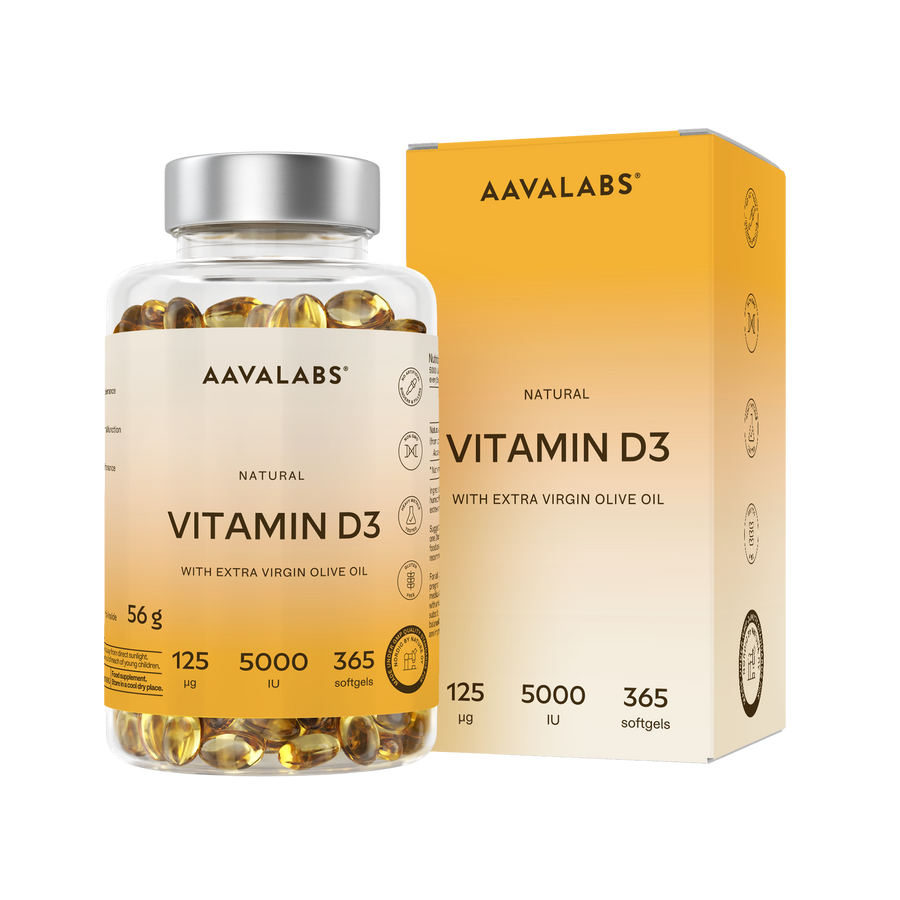
Vitamin D plays an important role in immune function, muscle function and maintaining healthy bones and teeth. But especially during the darker months, getting enough vitamin D from sunlight can be difficult.
So how do you know if you are getting enough? In this guide, we explore vitamin D deficiency, common risk factors, sunlight, food sources and supplementation, and explain how you can support a healthy vitamin D intake throughout the year.
Vitamin D is often called the sunshine vitamin because, unlike most vitamins, our bodies can produce it when our skin is exposed to sunlight.
But depending on where you live, the season and how much time you spend outdoors, getting enough vitamin D from sunlight alone may not always be easy. So what does vitamin D actually do, who is at greater risk of low vitamin D levels and when might supplementation be useful?
In this guide, we answer the most important questions about vitamin D deficiency, sunlight, food sources and vitamin D supplements.
What Is Vitamin D?
Vitamin D is a fat-soluble vitamin that has several important functions in the body. It contributes to the normal function of the immune system and muscles and helps maintain normal bones and teeth.
It also contributes to the normal absorption and utilisation of calcium and phosphorus and helps maintain normal blood calcium levels.
Unlike most nutrients, vitamin D does not have to come exclusively from food. When UVB radiation from sunlight reaches the skin, the body can produce vitamin D itself.
Why Is Vitamin D Important?
Vitamin D contributes to several normal functions within the body, including:
- Normal function of the immune system
- Maintenance of normal bones
- Maintenance of normal muscle function
- Maintenance of normal teeth
- Normal absorption and utilisation of calcium and phosphorus
- Normal blood calcium levels
- The process of cell division
Because vitamin D contributes to these different processes, maintaining an adequate vitamin D status is an important part of overall nutrition.
What Causes Vitamin D Deficiency?
One of the main factors influencing vitamin D production is exposure to UVB radiation from sunlight.
During autumn and winter, UVB radiation can be insufficient for meaningful vitamin D production in many northern regions. Modern lifestyles can also mean spending much of the day indoors, further reducing sun exposure.
Several factors can influence how much vitamin D your body produces from sunlight, including:
- Season
- Latitude
- Time spent outdoors
- Time of day
- Weather conditions
- Clothing
- Skin pigmentation
- Age
- Use of sunscreen
This means that vitamin D status can vary considerably from one person to another.
What Are the Signs of Vitamin D Deficiency?
Low vitamin D levels do not always cause obvious symptoms, which is why deficiency can sometimes go unnoticed.
Possible symptoms associated with vitamin D deficiency can include:
- Muscle weakness
- Bone pain
- Fatigue
However, these symptoms are not specific to vitamin D deficiency and can have many different causes. If you are concerned about your vitamin D status, a healthcare professional can advise whether testing is appropriate.
Can You Get Enough Vitamin D From Sunlight?
Sunlight is an important natural source of vitamin D because UVB radiation enables the skin to produce vitamin D.
However, the amount produced varies significantly depending on factors such as season, latitude, skin pigmentation, clothing and time spent outdoors.
Sun exposure should also always be balanced with appropriate skin protection. Spending excessive time in the sun is not necessary for supporting vitamin D production and increases the risk of skin damage.
Which Foods Contain Vitamin D?
Vitamin D occurs naturally in a relatively limited number of foods.
Dietary sources can include:
- Oily fish such as salmon, sardines and mackerel
- Egg yolks
- Liver
- Certain mushrooms
- Foods fortified with vitamin D
Fortified foods can be particularly useful in countries where sunlight is limited during part of the year.
However, depending on your diet and lifestyle, obtaining sufficient vitamin D from food alone can be challenging.
Who Is More at Risk of Low Vitamin D?
Some people may have a greater risk of insufficient vitamin D because they produce less through sunlight or have limited dietary intake.
This can include people who:
- Spend very little time outdoors
- Live at higher latitudes
- Regularly cover most of their skin outdoors
- Have darker skin
- Consume few foods containing or fortified with vitamin D
Individual requirements and recommendations can vary, so people concerned about deficiency should speak with a healthcare professional.
Should You Take a Vitamin D Supplement?
Vitamin D supplements can provide a reliable source of vitamin D when sunlight exposure and dietary intake are insufficient.
This can be particularly relevant during autumn and winter or for people who spend little time outdoors.
When choosing a supplement, it is important to check the amount of vitamin D per serving and follow the recommended intake. More is not necessarily better, and excessive vitamin D intake over time can be harmful.
What Is Vitamin D3?
Vitamin D supplements are commonly available as vitamin D2 or vitamin D3. Vitamin D3, also known as cholecalciferol, is the same form of vitamin D that is produced in the skin following exposure to UVB radiation.
Because vitamin D is fat-soluble, supplements are also commonly formulated with a source of fat or taken alongside a meal containing fat.
What Is the Relationship Between Vitamin D and Calcium?
Vitamin D and calcium are closely connected.
Vitamin D contributes to the normal absorption and utilisation of calcium and phosphorus and to the maintenance of normal blood calcium levels.
Calcium, meanwhile, is needed for the maintenance of normal bones and teeth, among several other functions.
This is why vitamin D and calcium are often discussed together when talking about bone health.
How Can You Support Healthy Vitamin D Levels?
There is no single approach that works for everyone. Vitamin D status depends on your environment, lifestyle, diet and individual circumstances.
A practical approach can include:
- Spending time outdoors regularly while following appropriate sun protection guidance
- Including foods containing vitamin D in your diet
- Choosing vitamin D-fortified foods where available
- Considering supplementation when dietary intake and sunlight exposure are insufficient
- Speaking with a healthcare professional if you are concerned about deficiency
Vitamin D Throughout the Year
Vitamin D is an important nutrient for normal immune function, muscles, bones and teeth. While sunlight allows our bodies to produce vitamin D naturally, the amount we make can change considerably throughout the year.
During periods of limited sunlight, paying attention to dietary sources and appropriate supplementation can help support an adequate vitamin D intake.
The key is not to chase the highest possible intake, but to make sure your body receives an appropriate amount based on your individual needs.
Frequently Asked Questions About Vitamin D
What does vitamin D do in the body?
Vitamin D contributes to the normal function of the immune system and muscles, the maintenance of normal bones and teeth, normal blood calcium levels and the normal absorption and utilisation of calcium and phosphorus.
Can you get vitamin D from food?
Yes. Vitamin D can be found in foods such as oily fish, egg yolks and certain mushrooms, as well as fortified foods. However, natural dietary sources are relatively limited.
Why is vitamin D called the sunshine vitamin?
The body can produce vitamin D in the skin when it is exposed to sufficient UVB radiation from sunlight.
Is vitamin D more important during winter?
Vitamin D is important throughout the year. However, in many northern regions, UVB exposure is lower during autumn and winter, which can reduce vitamin D production in the skin.
Who may be at greater risk of vitamin D deficiency?
People who spend little time outdoors, cover most of their skin, live at higher latitudes or have darker skin may be at greater risk of low vitamin D levels. Dietary intake can also influence vitamin D status.
Can I take too much vitamin D?
Yes. Excessive vitamin D supplementation can be harmful. Always follow the recommended intake on your supplement and seek professional advice if you are unsure about the appropriate amount for you.