Not all bacteria are harmful and not all probiotics are the same. Here is how gut health needs differ between men and women and which probiotic strains benefit each most
Probiotics are beneficial bacteria that help restore and maintain a healthy gut microbiome. While the core benefits of probiotics apply to both men and women, there are meaningful differences in how each benefits most. Women are more prone to digestive disorders and can benefit from strains that also support vaginal health, while men may particularly benefit from strains linked to sperm quality and digestive resilience. For both, a diverse, high-CFU probiotic taken consistently is the most effective approach.
Are all bacteria harmful or are some beneficial?
Not all bacteria are harmful. There is a fundamental distinction between beneficial and harmful bacteria. The good bacteria in the gut help break down food, absorb nutrients and regulate immune function. Without healthy intestinal flora, unpleasant and serious symptoms can develop, including digestive disorders, metabolic dysfunction and even psychological problems.
Maintaining a balance between beneficial and harmful bacteria is essential for overall health. This balance can be disrupted by poor diet, illness, antibiotic use and certain medications. Probiotics help replenish the beneficial bacteria in the gut and restore this balance over time.
How does gut health affect the rest of the body?
The health of the gut microbiome has a far-reaching impact on other systems in the body. The most well-supported benefits of regular probiotic use include support for digestive disorders such as irritable bowel syndrome, ulcerative colitis and inflammatory bowel disease, strengthening of the immune system, support for mental health through the gut-brain axis, and improvement of general energy and wellbeing.
The gut houses approximately 70 percent of the body's immune cells and produces a significant proportion of neurotransmitters including serotonin. A well-balanced microbiome supports both physical and mental health in ways that extend well beyond digestion.
Do men and women benefit from probiotics differently?
While the digestive systems of men and women are largely similar, there are differences in gut health needs that make certain probiotic strains more relevant for each.
Probiotics for women
Women are more prone to digestive disorders including irritable bowel syndrome, inflammatory bowel disease and constipation. Women also process stress differently, producing hormones that can directly affect gut motility and digestion. Additionally, an imbalance in vaginal bacteria can lead to infections. Certain probiotic strains, particularly Lactobacillus acidophilus, play a key role in maintaining a healthy vaginal flora and preventing intimate infections. Our Women's Probiolac is specifically formulated to support both intestinal and vaginal flora balance.
Probiotics for men
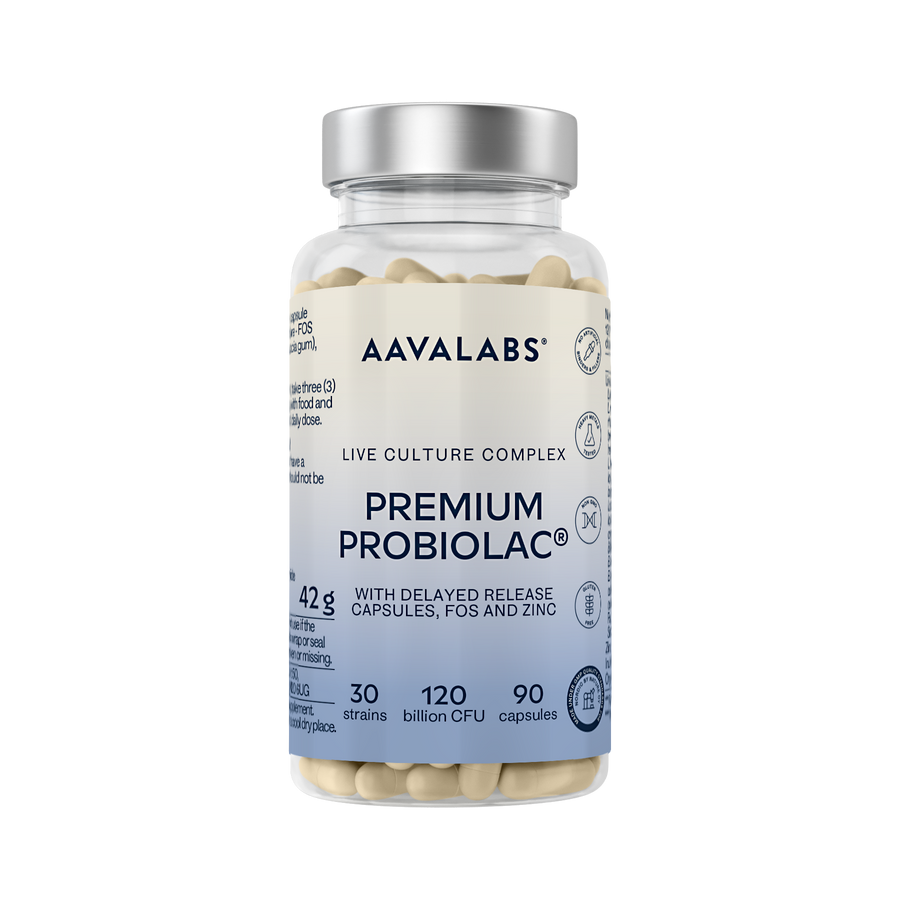
Men are more prone to issues including heartburn and small intestinal ulcers. Research also suggests that probiotics can improve sperm quality. Studies have shown that probiotic supplementation, particularly with Lactobacilli and Bifidobacteria strains, can enhance sperm concentration and motility and reduce the proportion of malformed sperm. Our Premium Probiolac contains 30 different bacterial strains alongside zinc to support immune function, macronutrient metabolism and antioxidant protection.
How do you choose the right probiotic supplement?
When selecting a probiotic, the most important factors are the diversity of bacterial strains and the colony-forming unit (CFU) count. A higher CFU count generally provides more reliable colonisation of the gut. Look for products that include strains from the Lactobacilli and Bifidobacteria families, which have the strongest research backing. For women, choosing a probiotic that specifically supports vaginal health through Lactobacillus acidophilus is particularly valuable.
Our Premium Probiolac provides 120 billion CFU per daily dose across 30 strains, making it one of the most comprehensive probiotic complexes available. Our Women's Probiolac combines gut-supportive strains with those specifically beneficial for vaginal flora.
How and when should you take probiotics?
For maximum benefit, probiotics should be taken consistently every day. Many people find it easiest to take them in the morning, ideally before or with breakfast, as stomach acid levels are lower at this time and more bacteria survive to reach the intestines. Consistency matters more than timing. Building probiotic supplementation into a fixed daily routine is the most reliable way to maintain the benefits over time.
Frequently Asked Questions
What is the difference between probiotics for women and men?
The core gut health benefits of probiotics apply to both men and women, but specific needs differ. Women benefit particularly from strains that support vaginal flora balance, such as Lactobacillus acidophilus, alongside gut-supportive strains. Men may benefit more from strains linked to sperm quality and digestive resilience. Both benefit from diverse, high-CFU formulations with Lactobacilli and Bifidobacteria strains.
Can probiotics help with irritable bowel syndrome?
Yes. Probiotics are among the most studied interventions for IBS. Certain strains, particularly Bifidobacterium longum and Lactobacillus acidophilus, have been shown to reduce IBS symptoms including bloating, abdominal pain and irregular bowel habits. Results vary depending on the specific strains and the individual, but regular probiotic use is widely recommended as a supportive measure for IBS management.
How long does it take for probiotics to work?
Most people notice improvements in digestive comfort within 1 to 4 weeks of consistent probiotic supplementation. Benefits for immune function and mood typically take longer to develop, often 6 to 8 weeks or more. The timeline depends on the specific condition being supported, the strains used and individual gut health at baseline. Consistency is essential for sustained results.
Can probiotics improve vaginal health?
Yes. The vaginal microbiome is closely connected to the gut microbiome and is dominated by Lactobacillus species that maintain an acidic pH, protecting against infections. Probiotic supplementation with strains including Lactobacillus acidophilus can help maintain this balance, particularly after antibiotic use, hormonal changes or recurrent infections. Our Women's Probiolac is specifically formulated to support both gut and vaginal flora.
Are probiotics safe to take every day?
Yes. Probiotics are generally very well tolerated and safe for daily use in healthy adults. Some people experience mild digestive adjustment symptoms such as increased gas or bloating in the first few days, which typically resolve as the microbiome adapts. People with compromised immune systems or serious underlying health conditions should consult their doctor before supplementing.
How many CFU should a probiotic supplement contain?
Research generally supports probiotic products with at least 1 to 10 billion CFU per dose for general health maintenance. Higher doses of 50 to 100 billion CFU or more are often used for specific therapeutic purposes such as post-antibiotic recovery or active digestive conditions. The strain diversity matters as much as the CFU count, as different strains colonise different areas of the gut and provide different benefits.