Discover how probiotics interact with the gut microbiome, why gut health is closely connected to the immune system, and which everyday habits can help support a balanced microbiome.
Your gut does much more than digest food. It is home to trillions of microorganisms and closely interacts with the immune system, making the relationship between gut health and immunity an important area of research.
Probiotics are live microorganisms that can influence the gut microbiome when consumed in adequate amounts. But how do they actually work, and what is the connection between the bacteria in your gut and your immune system?
In this guide, we explore how the gut microbiome works, how probiotics interact with it and which everyday habits can help support a healthy digestive system.
How Are Gut Health and the Immune System Connected?
The digestive tract is home to a large and complex community of microorganisms collectively known as the gut microbiome. This includes bacteria, fungi, viruses and other microorganisms that coexist within the digestive system.
The gut also contains a substantial amount of immune tissue. This means that microorganisms, the intestinal barrier and immune cells are constantly interacting with one another.
The intestinal barrier has an important role in this relationship. It helps separate the contents of the digestive tract from the rest of the body while allowing nutrients to be absorbed.
This close interaction is one reason researchers are increasingly interested in the relationship between diet, the microbiome and immune function.
What Is the Gut Microbiome?
The gut microbiome is the community of microorganisms living primarily in the large intestine. Everyone has a slightly different microbiome, influenced by factors including diet, age, environment, medication use and lifestyle.
Rather than focusing on one individual type of bacteria, researchers often look at the overall composition and diversity of the microbiome.
Diet is particularly important because different microorganisms use different components of the foods we eat. Fibre-rich plant foods, for example, provide substrates that certain gut bacteria can ferment.
This is why supporting gut health usually starts with the overall diet rather than with one individual food or supplement.
What Are Probiotics and How Do They Work?
Probiotics are live microorganisms that, when administered in adequate amounts, confer a health benefit on the host.
Different probiotic microorganisms can interact with the digestive environment in different ways. Their effects depend on factors including the specific strain, amount consumed and the individual taking them.
Depending on the strain, probiotics may interact with existing microorganisms, compete for resources within the gut and produce compounds as part of their metabolism.
This is also why the word "probiotic" does not describe one single ingredient with one universal effect. Different strains can have different characteristics and should not automatically be assumed to provide identical benefits.
How Do Probiotics Interact With the Immune System?
The intestinal microbiome exists in constant contact with immune cells located within and around the digestive tract. Researchers are studying how microbial signals influence immune responses and how the immune system, in turn, shapes the microbial environment.
Probiotic microorganisms can form part of this complex interaction. However, their effects are strain-specific, which means research on one probiotic strain cannot automatically be applied to every probiotic product.
It is therefore more accurate to think of probiotics as one potential part of a gut-supportive lifestyle rather than as a universal way to "boost" the immune system.
For nutrients with established immune-related functions, authorised claims provide clearer guidance. Zinc, for example, contributes to the normal function of the immune system and to the protection of cells from oxidative stress.
Why Does Probiotic Strain Diversity Matter?
A probiotic supplement can contain one strain or a combination of multiple strains. Because different microorganisms have different characteristics, the exact strains included in a formula matter.
Two products labelled "probiotic" can therefore be very different from one another.
When comparing probiotic supplements, look beyond the total bacterial count and consider:
- The bacterial strains included
- The number of different strains
- The CFU count provided
- Storage requirements
- Recommended daily intake
- Additional ingredients in the formula
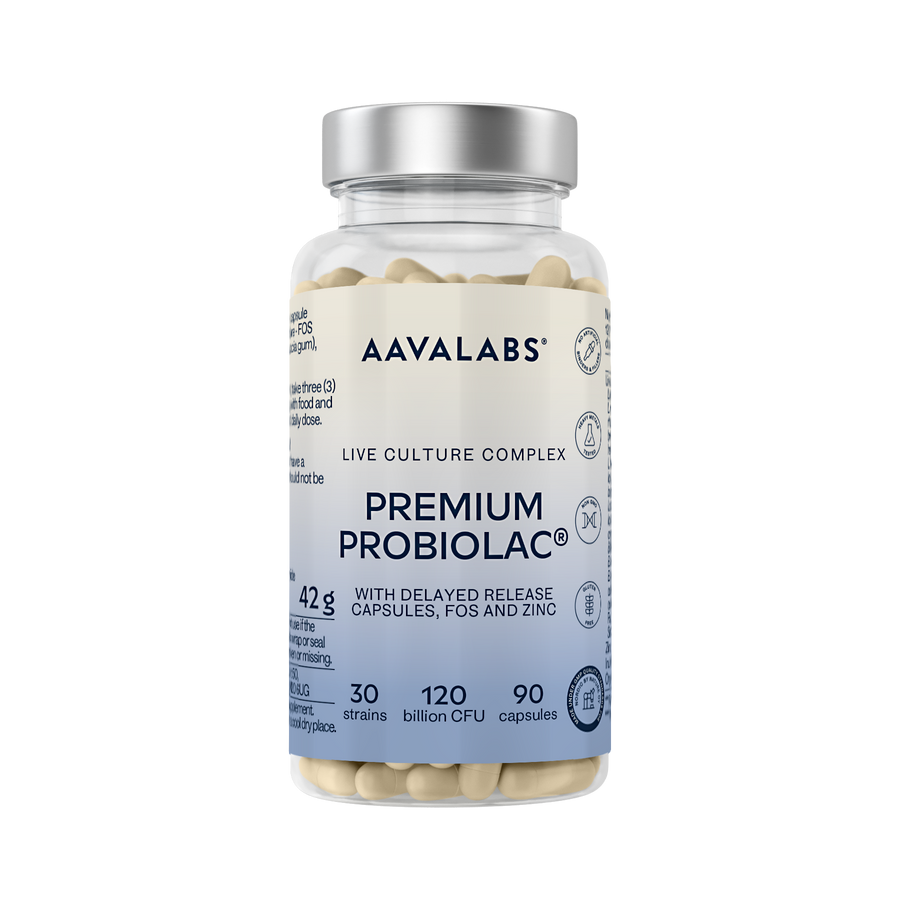
Our Premium Probiolac combines 30 bacterial strains with zinc. Zinc contributes to the normal function of the immune system and helps protect cells from oxidative stress.
What Is the Difference Between Probiotics and Prebiotics?
Probiotics and prebiotics are related, but they are not the same thing.
Probiotics are live microorganisms consumed through certain foods or supplements.
Prebiotics are substrates that are selectively utilised by microorganisms and can influence the microbial environment in the gut. Many naturally occurring prebiotic compounds are types of dietary fibre.
Foods such as onions, garlic, leeks, asparagus, oats, bananas and legumes can provide different fibres as part of a varied diet.
Rather than thinking of probiotics and prebiotics as competing approaches, they can form different parts of an overall gut-conscious diet.
Which Foods Support a Diverse Gut Microbiome?
One of the simplest ways to support your gut microbiome is to eat a varied diet containing plenty of plant foods.
Useful foods to include regularly can include:
- Vegetables
- Fruit
- Legumes
- Whole grains
- Nuts and seeds
- Herbs and spices
- Fermented foods such as yoghurt, kefir, kimchi and sauerkraut
Different plant foods contain different types of fibre and other compounds, so variety is valuable. Instead of concentrating on one "superfood", aim to regularly rotate the foods you eat.
Are Fermented Foods the Same as Probiotic Supplements?
No. Fermented foods and probiotic supplements are not interchangeable.
Foods such as yoghurt, kefir, kimchi and sauerkraut are produced through fermentation and can be valuable additions to a varied diet. However, the microorganisms present can vary considerably depending on the food and production process.
A probiotic supplement, by comparison, is formulated with specifically identified microorganisms and a defined amount.
Both can fit into a gut-conscious lifestyle, but they serve different purposes.
What Else Can You Do to Support Gut Health?
Gut health is influenced by your overall lifestyle, not just probiotics.
A few practical habits can help build a strong foundation:
- Eat a varied diet with plenty of plant foods
- Include different sources of dietary fibre
- Stay adequately hydrated
- Move regularly
- Prioritise consistent sleep
- Find sustainable ways to manage everyday stress
- Use antibiotics only when medically appropriate and as prescribed
These habits may seem simple, but they create the everyday environment in which your digestive system operates.
Can Stress Affect Your Gut?
The gut and brain communicate through what is known as the gut-brain axis. This communication works in both directions, which helps explain why stressful situations can sometimes be accompanied by digestive changes.
Stress can influence digestive processes including gut motility and appetite, while the gut microbiome itself is an active area of research in relation to the gut-brain connection.
This makes stress management relevant to a broader gut-supportive lifestyle. Walking, exercise, sufficient sleep, breathing exercises and time away from constant stimulation can all be simple ways to create more recovery in everyday life.
Should You Take a Probiotic Every Day?
Whether daily probiotic supplementation makes sense depends on the individual, the product and the reason for taking it.
Because probiotic effects are strain-specific, there is no universal probiotic routine that is appropriate for everyone.
If you choose a probiotic supplement, follow the recommended intake on the product and consider it alongside your overall diet and lifestyle rather than as a replacement for them.
People with underlying health conditions or compromised immune systems should speak with a healthcare professional before starting probiotic supplementation.
How Do You Choose a Probiotic Supplement?
With so many probiotic products available, it can be difficult to know what to look for.
Instead of choosing solely based on the largest number printed on the label, consider the complete formulation.
Look at which strains are included, how many colony-forming units the product provides, how the product should be stored and whether additional ingredients serve a clear purpose.
Our Premium Probiolac combines 30 bacterial strains and provides 120 billion CFU per daily dose. The formula also contains zinc, which contributes to the normal function of the immune system.
Gut Health Is About the Bigger Picture
There is no single food, supplement or habit that determines the health of your gut microbiome.
Instead, gut health is shaped by many factors working together, from the diversity of your diet and everyday movement to sleep, stress and the microorganisms you encounter throughout life.
Probiotics can form one part of this bigger picture. Understanding what they are, choosing them thoughtfully and combining them with a varied diet can help you build a more informed approach to digestive wellbeing.
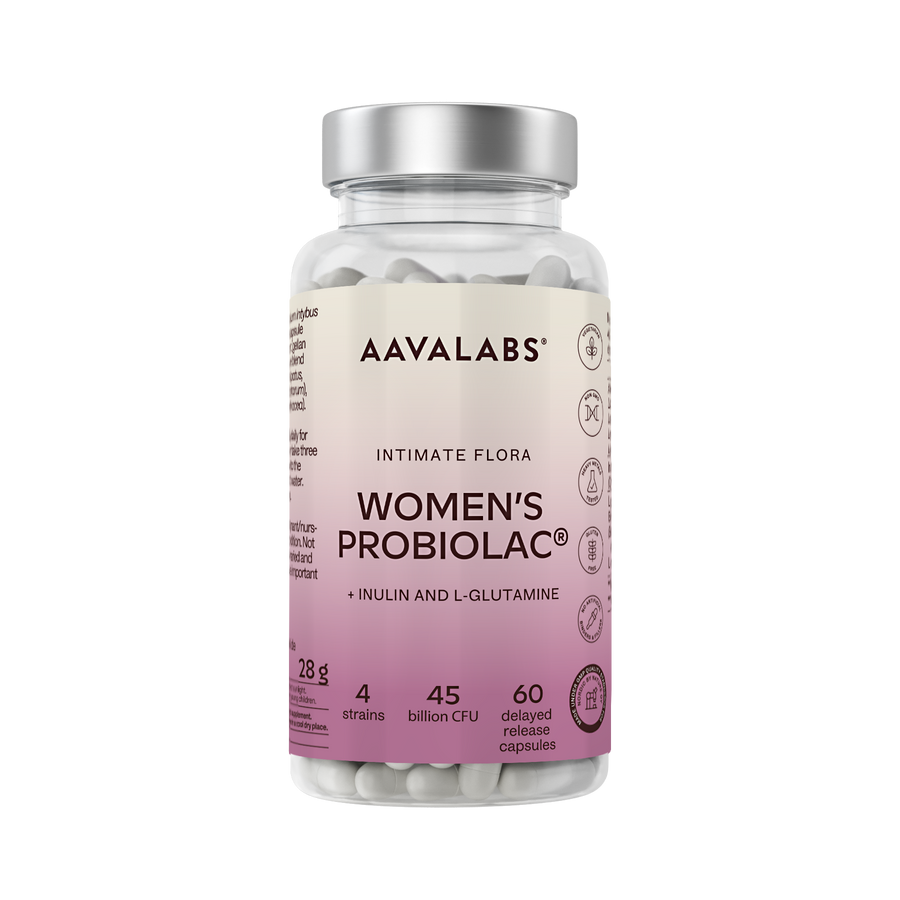
Explore our Premium Probiolac and Women's Probiolac to learn more about our probiotic formulas.
Frequently Asked Questions
How are gut health and the immune system connected?
The digestive tract contains a substantial amount of immune tissue and is home to trillions of microorganisms. Immune cells, the intestinal barrier and the gut microbiome interact continuously, which is why researchers consider the gut an important part of the relationship between nutrition and immune function.
What do probiotics actually do in the gut?
Probiotics are live microorganisms that provide a health benefit when administered in adequate amounts. Their effects depend on the specific strain. Different probiotic microorganisms can interact with the existing microbiome and digestive environment in different ways.
Do probiotics boost the immune system?
"Boosting" the immune system is an oversimplification. The gut microbiome interacts closely with immune cells, and specific probiotic strains are being studied for their role within this relationship. However, probiotic effects are strain-specific and should not be generalised to every probiotic product.
What is the difference between probiotics and prebiotics?
Probiotics are live microorganisms, while prebiotics are substrates selectively utilised by microorganisms. Many prebiotic compounds are found naturally in fibre-rich plant foods, so probiotics and prebiotics can form complementary parts of a gut-conscious diet.
Are fermented foods a good source of probiotics?
Fermented foods such as yoghurt, kefir, kimchi and sauerkraut can contain live microorganisms, but their microbial composition varies according to the food and production method. They can form part of a varied diet but are not necessarily equivalent to a probiotic supplement containing specifically identified strains.
How long does it take for probiotics to work?
There is no universal timeframe because probiotic effects depend on the strain, product, reason for use and individual. When taking a probiotic supplement, follow the recommended intake and evaluate it in the context of your overall diet and lifestyle.
Is a higher CFU count always better?
No. A larger CFU number does not automatically make one probiotic better than another. The strains included, their characteristics, the amount provided and the overall formulation are all important factors when evaluating a probiotic supplement.
Can you take probiotics every day?
Many probiotic supplements are formulated for daily use, but the appropriate routine depends on the individual product and your personal needs. Follow the recommended intake and speak with a healthcare professional if you have an underlying health condition or compromised immune system.